
Buy the Work Truck or Pay the Taxes? How Section 179 Can Change the Math in 2027 Update

Buy the Work Truck or Pay the Taxes? How Section 179 Can Change the Math in 2027 Update
About this guide: SRQ Auto is a commercial vehicle dealership, and we earn money when businesses buy vehicles from us. We've written this guide to be accurate and useful whether or not you buy from us, including the parts that suggest talking with your tax professional first or waiting until a purchase makes sense for your business.
Thinking about buying a work truck to save on taxes? You might want to do it before the end of 2026. Section 179 and other IRS depreciation rules allow you to deduct a substantial portion of the purchase price, or possibly even the entire amount. And you don't necessarily have to buy a brand-new vehicle or pay cash to qualify.
Of course, spending thousands of dollars just to get a tax deduction isn't a great business strategy. But if you already need another truck, buying it before December 31 could make financial sense. Here's what you need to know about 2026 tax rules and how they could affect your wallet.
Key Takeaways
- Section 179 and bonus depreciation may let your business deduct the full cost of the commercial vehicles you put to work in 2026.
- Your work vehicle's GVWR, configuration, and use affect how much of its purchase price you can deduct
- Buying a truck before December 31 isn't always enough. It must also be ready and available for its intended business use before the year ends.
How Does Section 179 Work for Commercial Vehicles?

When a business buys an expensive piece of equipment, like a work vehicle, it deducts the cost over several years through depreciation. Section 179 allows eligible businesses to deduct some or all of that expense the year the equipment is put to work.
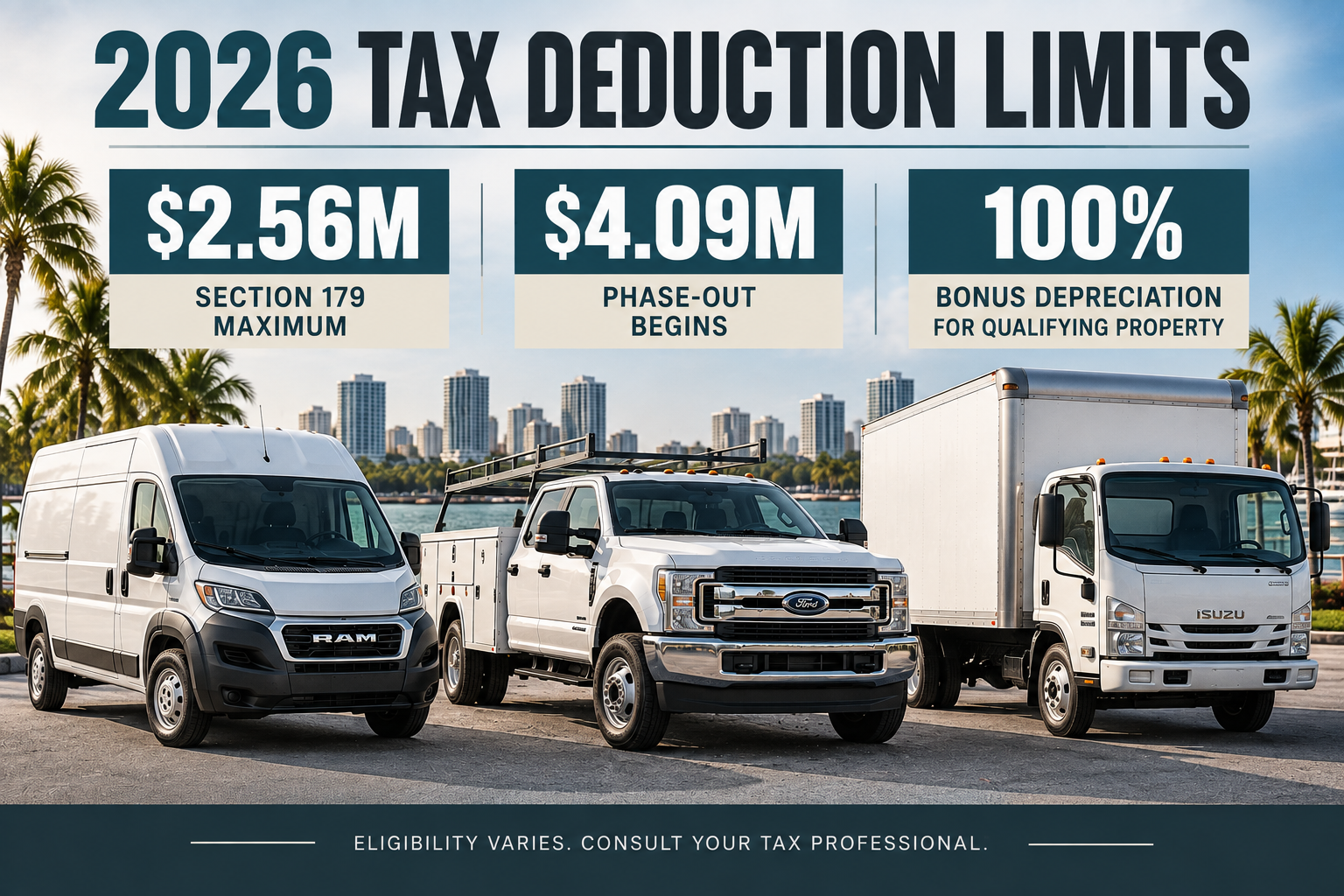
According to the IRS, businesses can deduct up to $2,560,000 in qualifying Section 179 expenses. That amount starts to decrease when the total cost of eligible property in service during the year is more than $4,090,000. (These limits apply to all qualifying purchases combined.)
Most small businesses buying one or two vehicles won't get anywhere near those figures. However, Section 179 also has a taxable business income limitation, which can affect the amount deducted in a particular year.
Why Does a Vehicle's GVWR Matter?
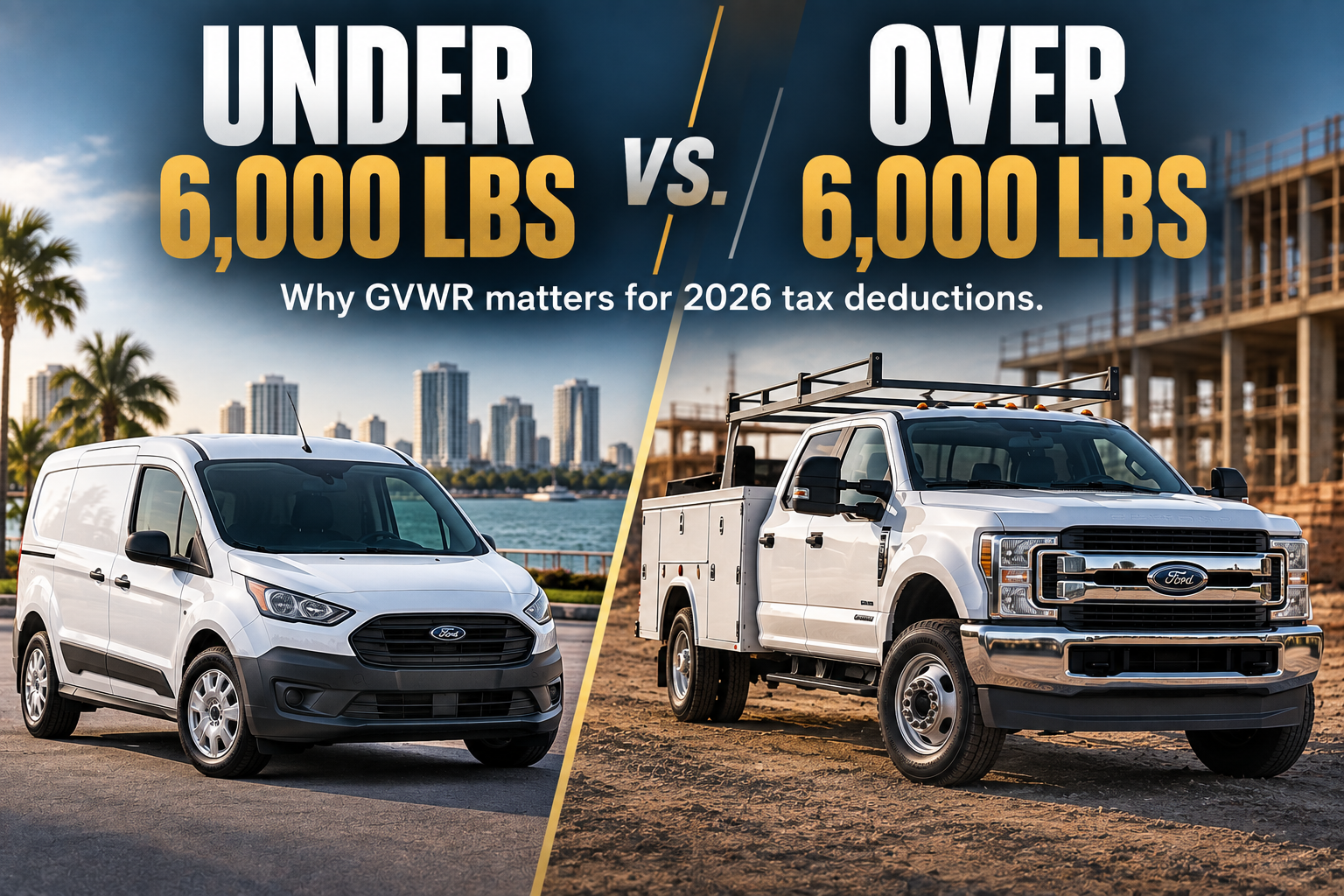
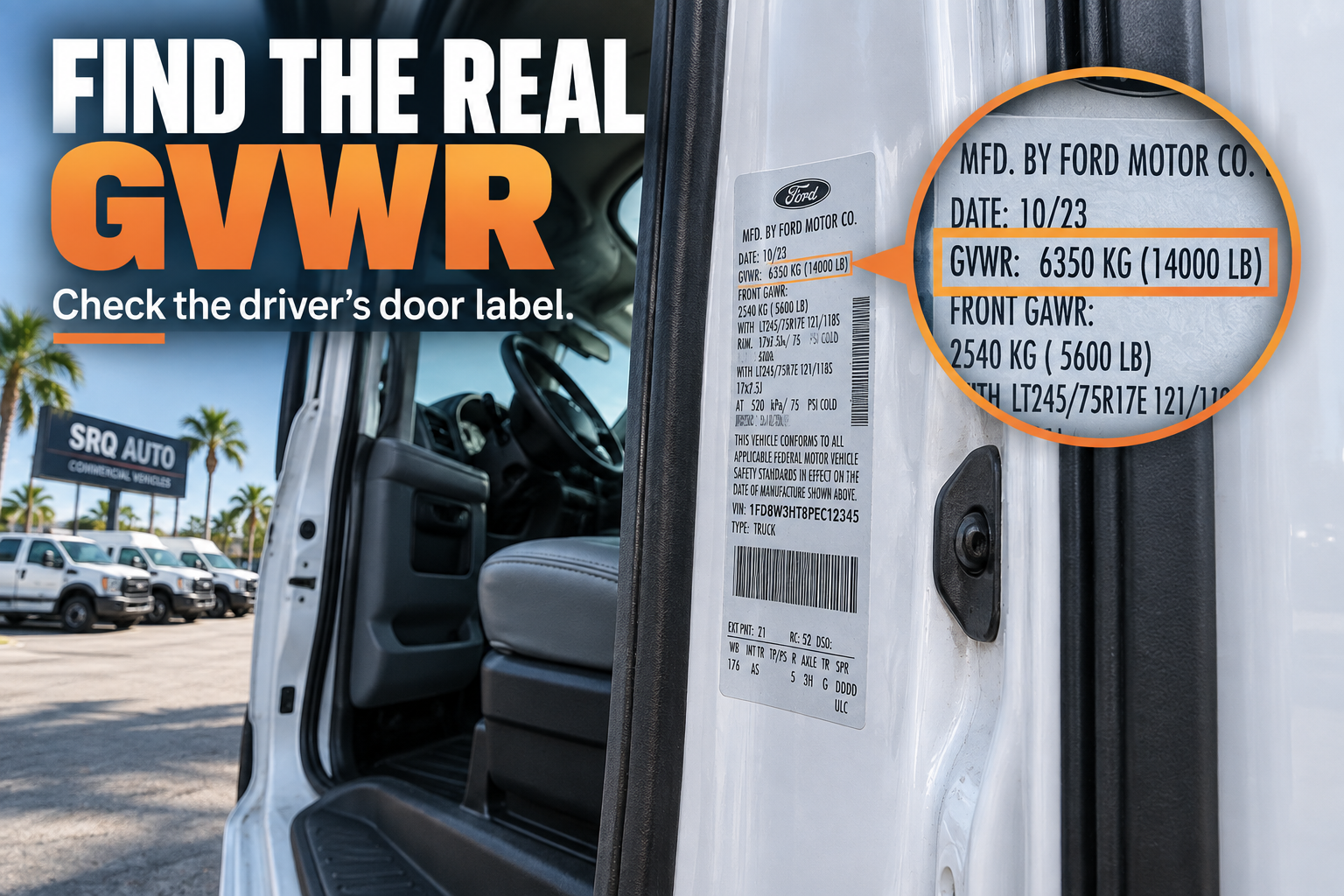
If you've ever shopped for commercial vehicles, you've seen the term Gross Vehicle Weight Rating (GVWR). It's the maximum weight the manufacturer says a vehicle can safely handle, including passengers, fuel, cargo, and equipment. Passenger cars, smaller crossovers, and light-duty vehicles weighing 6,000 pounds or less are subject to IRS deduction limits. In 2026, businesses can deduct up to $20,300 in the first year with bonus depreciation, or $12,300 without it when used only for business.
Many HD pickups, cargo vans, and larger commercial trucks have a GVWR of over 6,000 pounds. These vehicles aren't subject to the same IRS deduction limits as passenger cars, so businesses may be able to deduct more of the purchase price in the first year.
But Does a GVWR Automatically Guarantee a Deduction?
Not always. For 2026, certain SUVs and passenger vehicles weighing more than 6,000 pounds but no more than 14,000 pounds have a Section 179 deduction limit of $32,000. However, the IRS makes exceptions for some commercial vehicles, including qualifying cargo trucks and pickups with beds at least six feet long. Check the vehicle's GVWR and design before buying, since the same tax rules don't apply to every heavy-duty vehicle.
Which Commercial Vehicles Qualify?
You don't have to shop exclusively for new vehicles to take advantage of these deductions. Qualifying pre-owned commercial trucks and vans are also eligible, which is good news for businesses trying to keep their purchase costs down. Here are several types worth considering:
Cargo Vans
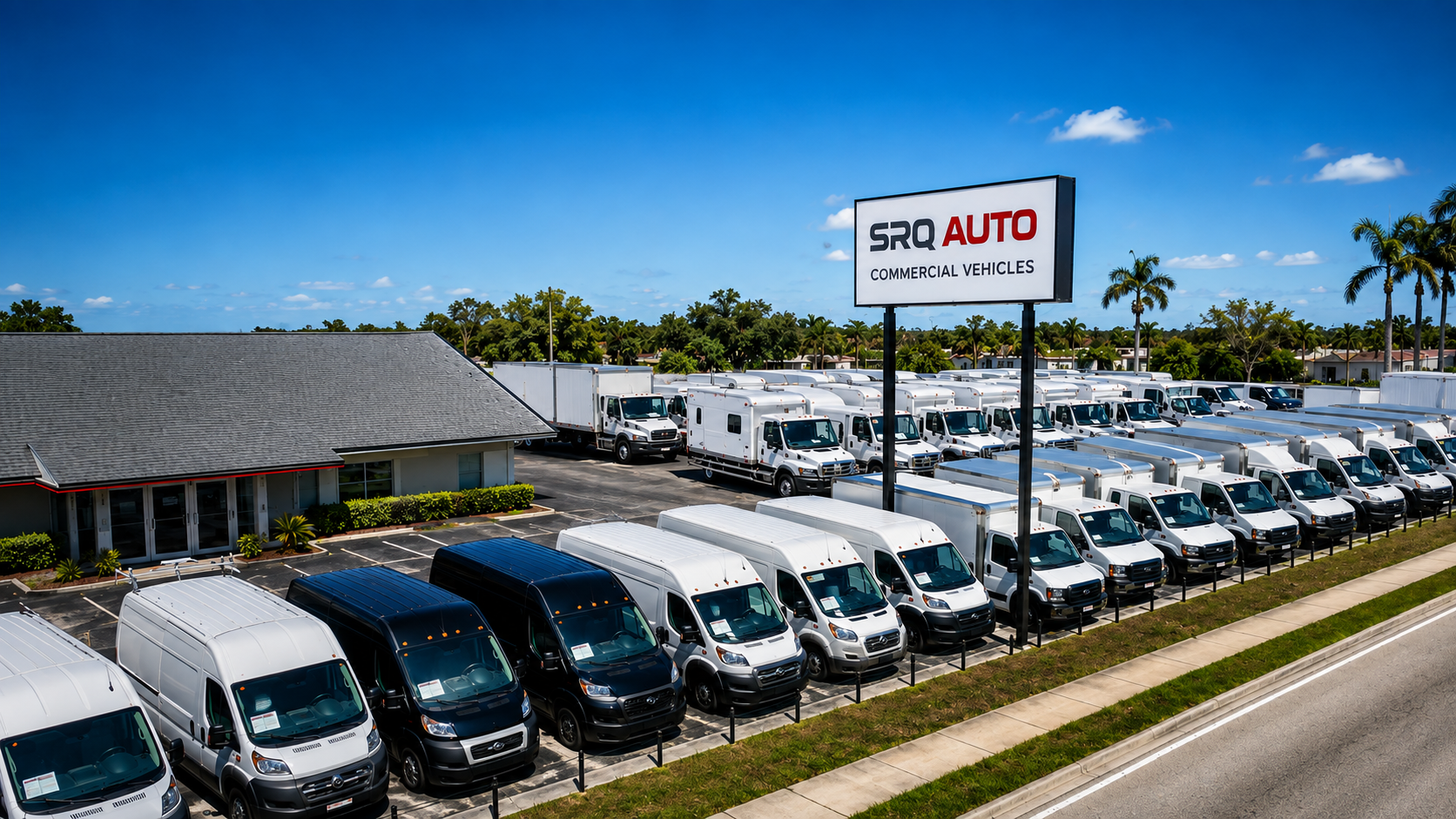
Need to make deliveries or want room for tools and supplies? Cargo vans are always a great option, with enclosed storage and shelving available to help keep everything organized.
A full-size cargo van typically has a GVWR over 6,000 pounds, which means it qualifies for a larger first-year tax deduction.
If your business needs an already-equipped truck, browse SRQ Auto's used inventory to see the Ford Super Duty, Chevrolet Silverado HD, GMC Sierra HD, and Ram Heavy Duty.
Utility and Service Trucks
For contractors who spend their days traveling between job sites, a service-body truck provides storage for tools, replacement parts, and other equipment. Depending on their specifications, these vehicles may qualify for significant first-year deductions.
ParagIf your business needs an already-equipped truck, browse SRQ Auto's used inventory to see the Ford Super Duty, Chevrolet Silverado HD, GMC Sierra HD, and Ram Heavy Duty.raph
Box Trucks and Cab-Over Trucks
Models such as the Isuzu NPR are used by moving companies, delivery services, and businesses transporting more cargo space than a conventional van provides. These vehicles may also qualify for first-year depreciation deductions. SRQ Auto offers used box trucks for businesses looking to add hauling capacity.
Section 179 vs. Bonus Depreciation: How Are They Different?
Section 179 isn't the only tax provision that can help reduce the cost of a commercial vehicle purchase. The IRS now allows businesses to deduct the full cost of qualifying new and used trucks and vans through 100% bonus depreciation for eligible purchases made after January 19, 2025.
Section 179 lets businesses choose how much of a vehicle's cost to write off, but the amount depends partly on their taxable income. Bonus depreciation covers what Section 179 doesn't, even if the business has little or no taxable income. You can use either deduction or both.
Can You Finance a Work Truck and Still Claim Section 179?
Yes! You don't have to pay cash for a commercial vehicle to qualify for Section 179. Financing is an option, and you may be able to deduct the purchase cost in the first year rather than spreading it over the life of the loan. Just remember that a tax deduction won't cover the monthly payments, insurance, or maintenance, so it's important to consider the full cost before buying.
SRQ Auto offers commercial vehicle financing for businesses throughout Sarasota, Bradenton, Tampa, and surrounding areas. Buyers can also apply online to get started.
What Are Section 179's Business-Use Requirements?
Your commercial vehicle doesn't have to be used exclusively for work to qualify for Section 179, but you must use it more than 50% of the time for business purposes. If you also drive it for personal errands, the IRS only considers the business portion of its use for the deduction.
The agency requires you to keep records supporting business deductions, such as mileage, destinations, and the trip's purpose. If it drops to 50% or less during the applicable recovery period, the IRS may require you to report part of an earlier Section 179 deduction as income.
Why Buying a Truck Before December 31st Isn't Always Enough
Here's something that catches business owners off guard. Signing the paperwork and paying for a truck before December 31 doesn't necessarily mean you can deduct it on your ‘26 taxes. The IRS requires the vehicle to be placed in service during the tax year.
According to IRS Publication 463, that means the vehicle must be ready and available for its intended business use. Just making a down payment or completing a financing agreement doesn't establish that it was placed in service. This becomes important when a vehicle needs modifications. If they’re essential to the van's intended job and aren't finished until January, you’ll miss the end-of-year deadline. On the other hand, a truck that's ready and available for work before December 31 may qualify, even if its first scheduled job isn't until the coming year.
How Early Should You Start Shopping for a Year-End Truck?
There's no IRS rule requiring you to begin shopping weeks in advance, but commercial purchases often involve more than choosing a truck and signing the paperwork. For example: A dealership may have several work trucks in stock, but finding one with the right GVWR, cargo capacity, wheelbase, or service body can take a while. Some vehicles also need inspections, repairs, or transportation before delivery.
When you're ready to sign on the dotted line, a commercial lender will request your financial statements, tax returns, proof of insurance, and other documents before your loan gets approved. If you're trading in an older truck, its appraisal and paperwork also take time.
Vehicle modifications can also cause delays. Depending on the work and the installer's schedule, it could take days or even weeks to finish. If the vehicle can't be used for its intended job until the work is done, that delay could push the tax deduction from 2026 into 2027.
Don't overlook registration and insurance, either. Your business or vehicle may have additional requirements to meet before you can start using it. Save all your purchase and modification records and invoices; it helps show when the truck was ready for work if the IRS has questions.
Should You Buy the Work Truck or Pay the Taxes?
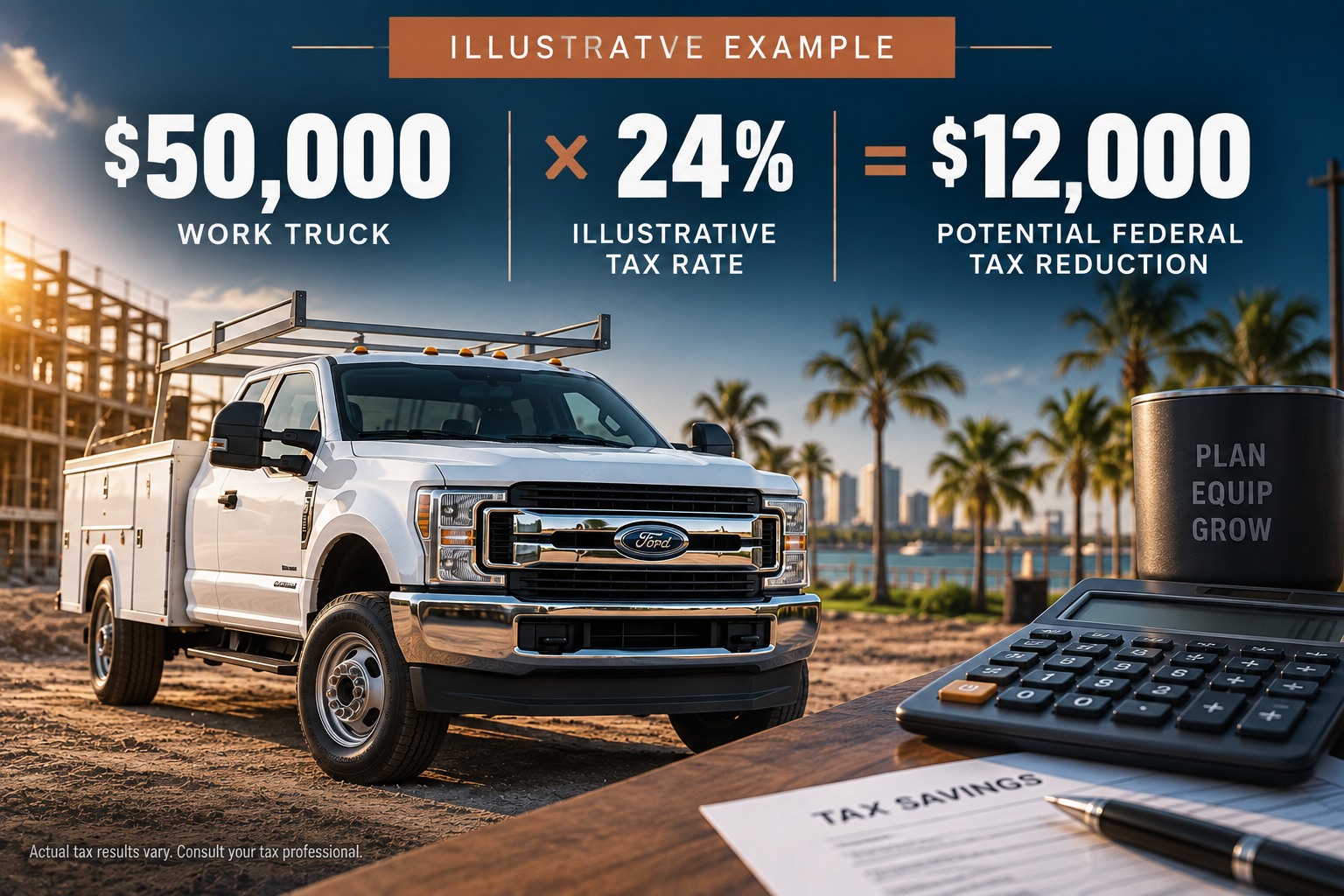
If your business already needs another vehicle, buying before the end of 2026 could be worth considering. But buying a $50,000 truck simply because you don't want to pay taxes is a different matter. Even if you qualify for a substantial deduction, you're still spending money on a vehicle. You'll also have insurance, fuel, maintenance, registration, and possibly financing expenses to cover.
Before deciding, look at what the truck will actually do for your business. Will it replace an unreliable vehicle, help employees complete more jobs, or allow you to accept additional work? If the answer is yes, the potential tax savings may make an already worthwhile purchase more attractive. If you don't need the truck, keeping the money in your business may be the better decision.
Year-End Section 179 Checklist
If you're buying before the end of the year, make sure to:
- Check the manufacturer's GVWR to find out which depreciation limits apply.
- Use the vehicle for business more than 50% of the time.
- Ask a CPA to review the potential tax savings and help decide between Section 179 and bonus depreciation.
- Compare financing options and gather the paperwork needed for loan approval.
- Schedule delivery and any modifications early enough to have the vehicle ready for work by the end of the year.
- Save all purchase and delivery paperwork, invoices for modifications, and mileage records.
If you're replacing an older vehicle, you can also explore selling or trading your commercial truck to help cover the purchase.
Find Your Next Commercial Vehicle at SRQ Auto
SRQ Auto offers pre-owned commercial vehicles of all shapes and sizes for businesses throughout Bradenton, Sarasota, Tampa, and the Gulf Coast. Compare models and configurations, explore financing options, and find the right vehicle for your needs. Browse our commercial inventory to see what's available.
Financing information: Financing is provided by third-party lenders, not by SRQ Auto. Approval, annual percentage rate (APR), down payment, and loan terms are determined by the lender based on your business's credit history, time in business, the vehicle, and other factors. Not all applicants will qualify, and no approval is guaranteed. Rates and terms vary and are subject to change. Contact us for terms that may be available to your business.
Tax disclosure: This article provides general information about federal tax provisions for the 2026 tax year and is not tax, legal, or accounting advice. Eligibility, deduction amounts, and tax savings depend on individual circumstances. SRQ Auto does not guarantee any particular tax benefit. Consult a qualified tax professional before making a vehicle purchase based on anticipated deductions.
This article is general information, not tax, legal, accounting, or financial advice. Every business's situation is different, and nothing here is a recommendation about your specific circumstances. Tax laws, IRS limits, and lender requirements change, and the information here may not reflect current rules. Verify details with your tax professional, and with the lender when financing is involved, before making a decision. SRQ Auto is not a tax preparer, accounting firm, lender, or law firm.
