Buying a Wheelchair-Accessible Shuttle Bus: What We Inspect Before We Sell One

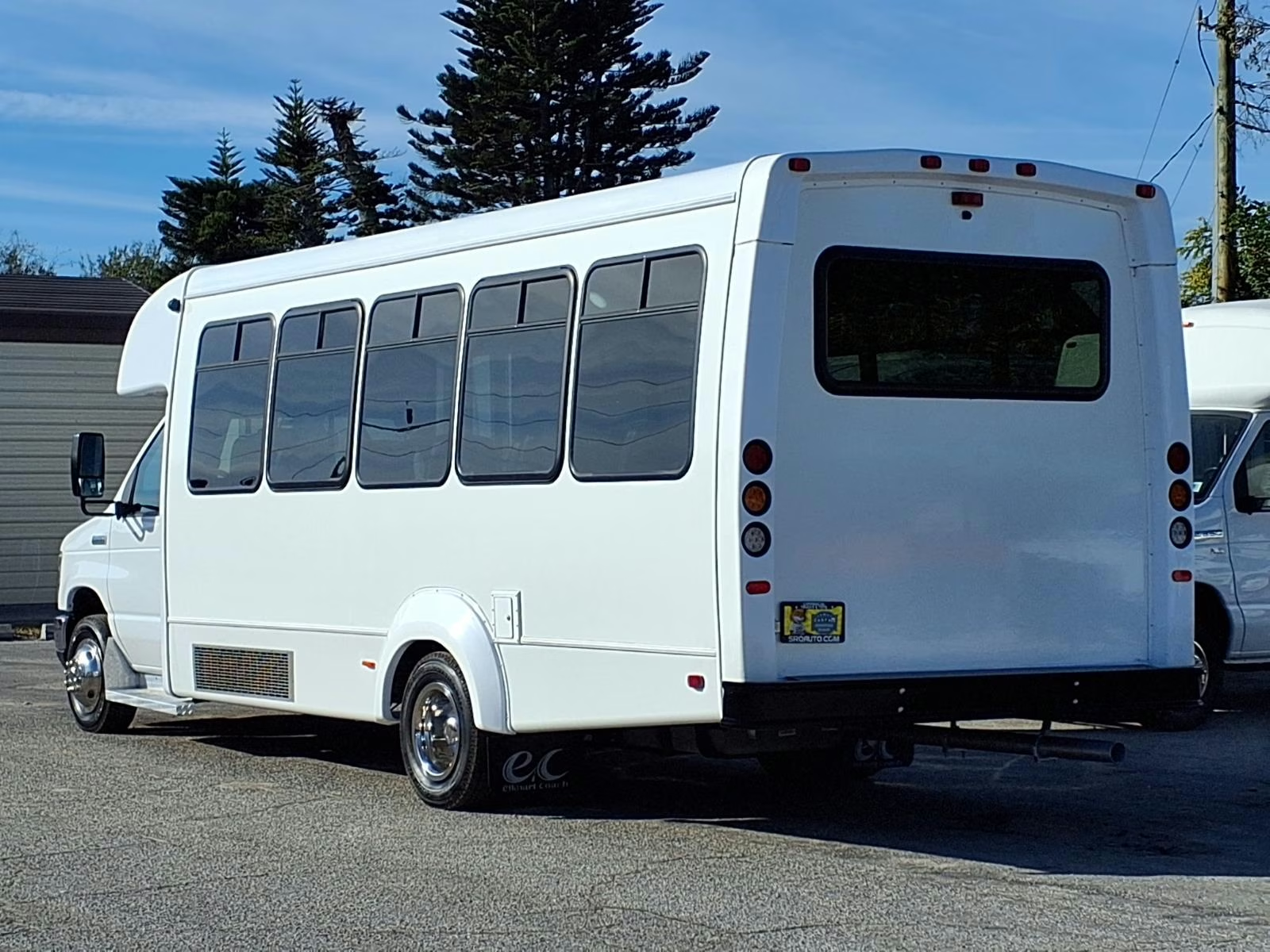
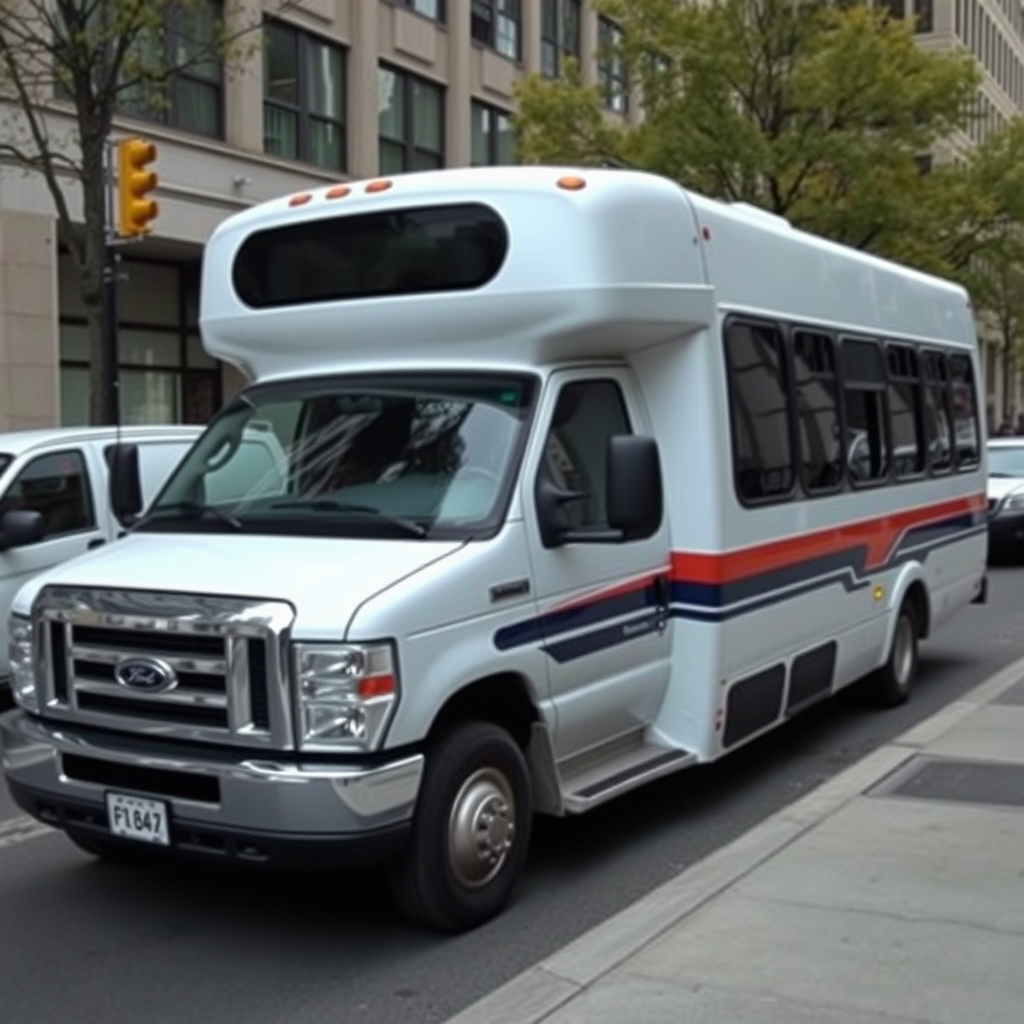
Buying a used shuttle bus is different from buying a passenger vehicle. The chassis matters, but so do the passenger layout, rear air conditioning, entry system, interior condition, commercial body, accessibility equipment and the way the bus was used before you found it.
For churches, senior-living communities, hotels, municipalities, nonprofits, NEMT operators and other organizations, the right shuttle is the one that fits the people you actually need to transport—not simply the bus with the most seats.
At SRQ Auto, our team evaluates the complete vehicle with the goal of preparing qualifying commercial vehicles around our Job Ready Promise.
Browse SRQ Auto's Current Used Shuttle Bus Inventory
Watch a Real SRQ Auto Shuttle Bus Walkaround
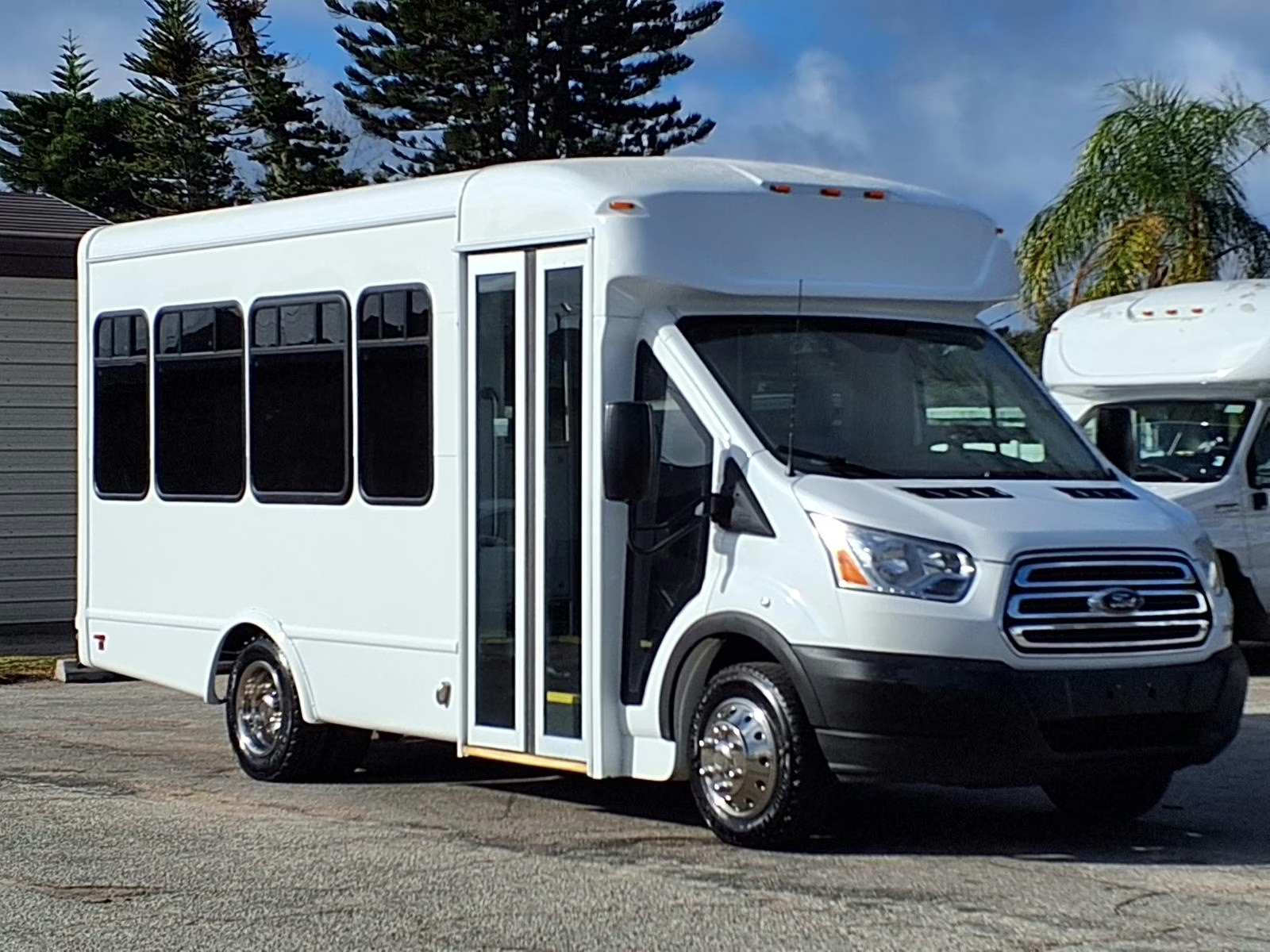
Photos and specifications only tell part of the story. See a real commercial shuttle bus up close, including the exterior, driver's area, passenger entry, seating area and interior condition.
▶ Watch the SRQ Auto Shuttle Bus Walkaround on YouTube
What Should You Inspect Before Buying a Used Shuttle Bus?
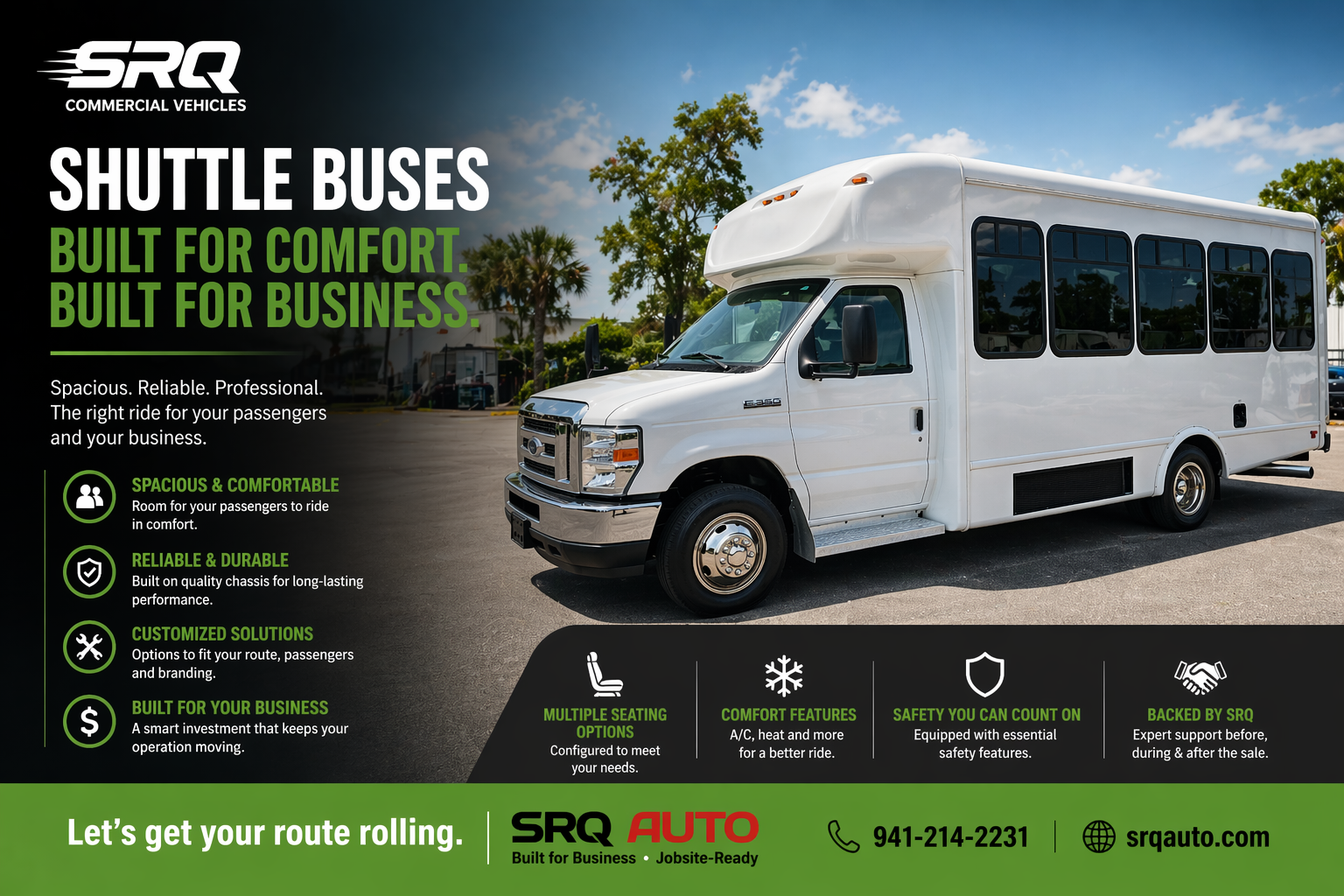
Start with the way the bus will actually be used. Passenger capacity is important, but buyers should also consider accessibility, entry and exit, climate control, seating layout, storage needs, route length, driver requirements and how often the bus will operate.
Then inspect the vehicle as two systems working together: the chassis underneath and the passenger body built around it.
Expert Perspective: Jeff Reece, Inventory Manager & Buyer
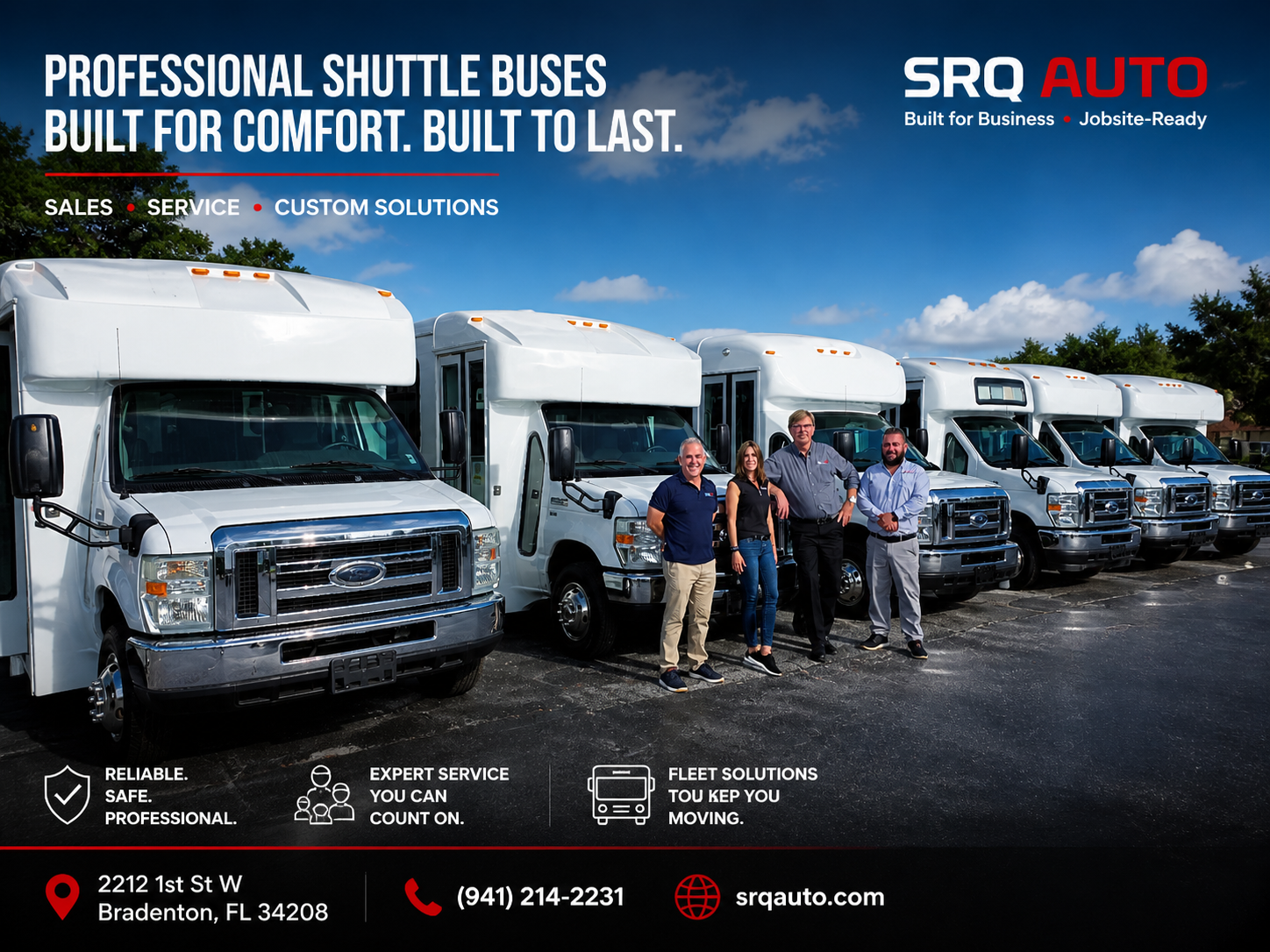
Jeff Reece has 36 years of automotive experience and serves as SRQ Auto's Inventory Manager and Buyer. His experience includes commercial vehicle acquisition, valuation, automotive parts, chassis and upfit evaluation, condition assessment, reconditioning-cost considerations, dealership logistics and nationwide vehicle shipping.
That buying experience is particularly relevant to shuttle buses because two buses with similar years and mileage can be very different commercial assets. Seating configuration, accessibility equipment, body condition, rear A/C performance, previous fleet use and the amount of reconditioning still required can materially change how useful a bus will be to its next owner.
The practical lesson is to evaluate the whole bus—not just the odometer.
Passenger Count Does Not Tell the Whole Story
A shuttle advertised as a 15-passenger, 20-passenger or 25-passenger bus may still have a layout that does not fit your operation.
Look at aisle width, seat spacing, passenger entry, luggage or equipment storage and whether wheelchair positions change the usable seating configuration.
Before buying, determine how many passengers you normally need to transport—not simply the maximum number you might carry occasionally.
Why Rear Air Conditioning Matters on a Shuttle Bus
A shuttle bus has considerably more passenger-compartment volume than a conventional vehicle. The driver's dash A/C alone may not be enough to keep passengers comfortable throughout the cabin.
For Florida shuttle operators especially, rear climate control deserves a hands-on inspection. Turn the system on, allow it to operate, listen for abnormal blower noise and confirm that conditioned air is reaching the passenger area.
A shuttle can look excellent in photos and still become a poor commercial purchase if its passengers cannot remain comfortable during normal operation.
What Should You Check at the Passenger Entry?
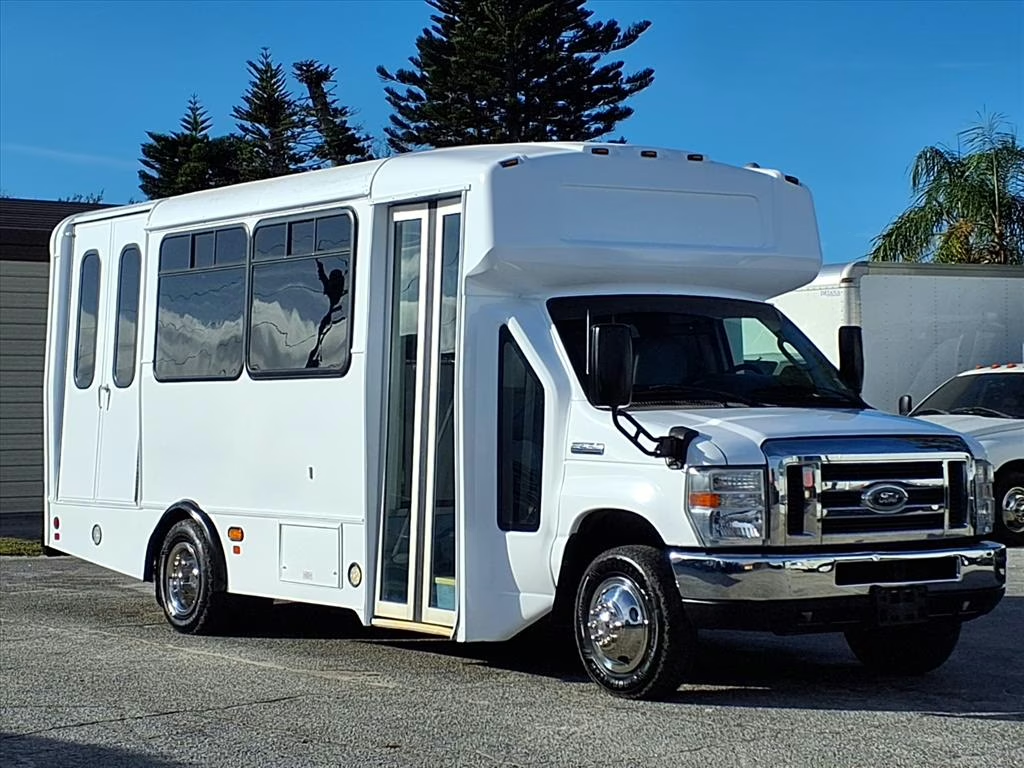
The passenger entrance can be used dozens of times during a normal workday. Inspect the door operation, steps, handrails, step edges, flooring and the transition from the entry into the aisle.
For senior-living communities, adult day programs, churches and other frequent-stop operations, easy passenger boarding can be just as important as total seating capacity.
How Should You Evaluate a Used Shuttle Bus Interior?
Walk the entire passenger compartment rather than evaluating the interior from the doorway.
- Seats: Check upholstery, mounting, armrests and overall wear.
- Seat belts: Inspect condition and accessibility where equipped.
- Flooring: Look for damage, soft areas, excessive wear or evidence of moisture intrusion.
- Windows: Inspect seals, visible damage and operation where applicable.
- Interior panels: Look for cracks, loose trim or evidence of previous repairs.
- Lighting: Confirm passenger-area lighting operates properly.
- Emergency exits: Verify that required exits and related hardware are present and functional.
Interior wear can also provide clues about the shuttle's previous commercial life. A clean passenger compartment with consistent wear presents a very different picture from one with damaged flooring, loose seating or repeated makeshift repairs.
What Should You Inspect on a Wheelchair-Accessible Shuttle Bus?
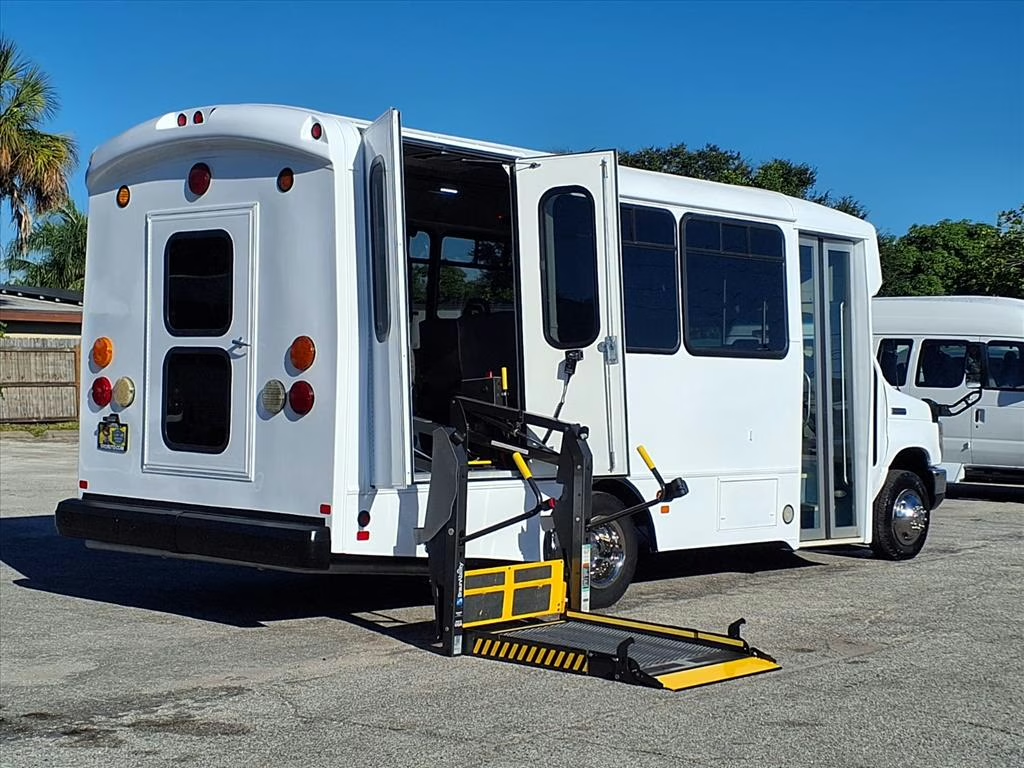
If your organization needs wheelchair accessibility, the lift is only one part of the configuration.
Evaluate the usable wheelchair positions, securement equipment, accessibility door opening, interior maneuvering space and how the seating configuration changes when mobility devices are aboard.
For a lift-equipped shuttle, do not settle for being told that “the lift works.” See it operate.
Cycle the system and inspect the visible platform, controls, mounting, wiring and surrounding doorway. Verify the specific equipment and ratings installed on the bus you are considering and follow the lift manufacturer's operating and maintenance requirements.
Accessibility requirements can vary by operation and jurisdiction. Buyers should confirm the requirements that apply to their organization and intended use rather than assuming every lift-equipped shuttle satisfies every requirement.
What Mechanical Items Matter on a Used Shuttle Bus?
A commercial shuttle often lives a very different life from a personal vehicle. Frequent stops, extended idle time, passenger loading and commercial routes can create wear patterns that mileage alone does not explain.
A mechanical evaluation should include the engine, transmission, cooling system, brakes, tires, steering, suspension, charging system and visible fluid condition.
When maintenance records or engine-hour information are available, they can provide useful context alongside mileage.
Why Does the Shuttle Body Need Its Own Inspection?
The passenger body installed behind the chassis cab is a major part of the vehicle and deserves its own inspection.
Inspect exterior panels, roof seams, passenger doors, windows, flooring, interior trim and the areas where the body interfaces with the chassis.
Look for signs of water intrusion, previous body repair, damaged seals and excessive wear around frequently used doors and entry areas.
Which Shuttle Bus Configuration Fits Your Organization?
Senior living and assisted-living communities may prioritize easy passenger entry, rear A/C, comfortable seating and wheelchair accessibility.
Churches and nonprofits may prioritize passenger capacity, straightforward operation and overall value.
Hotels and hospitality operators may place greater emphasis on passenger comfort, luggage space, appearance and frequent-stop operation.
NEMT and mobility operators may require specific wheelchair positions, securement systems and accessibility equipment.
Municipalities and community organizations may place additional emphasis on flexible seating, accessibility and fleet-service considerations.
The goal is not to buy the shuttle with the longest feature list. It is to buy the configuration that solves your organization's transportation problem.
Why Buying a Reconditioned Shuttle Bus Can Matter
Commercial downtime has a cost. A lower purchase price can lose its appeal quickly if the shuttle immediately needs tires, A/C repairs, interior work, body repairs or mechanical service before it can enter service.
That is why condition and reconditioning should be part of the value comparison—not an afterthought.
SRQ Auto specializes in fully reconditioned commercial vehicles prepared around our Job Ready Promise and has earned 550+ 5-Star Google Reviews.
We also offer Tailored Commercial Financing, remote documents, nationwide shipping and available Commercial Warranty Options.
Frequently Asked Questions About Buying a Used Shuttle Bus
What is the most important thing to check on a used shuttle bus?
There is no single component that replaces a complete inspection. Buyers should evaluate the chassis, passenger body, rear A/C, seating, passenger entry and overall condition together, plus wheelchair equipment when applicable.
Should I buy a shuttle bus based on passenger count alone?
No. Passenger capacity is only one part of the decision. Seating layout, aisle space, accessibility, luggage or equipment requirements, climate control and the way passengers enter and exit can be equally important.
What should I check on a wheelchair lift-equipped shuttle bus?
See the lift operate and inspect the visible platform, controls, mounting, doorway and securement configuration. Verify the specific lift model, ratings and maintenance requirements rather than relying on a generic assumption.
Why is rear A/C important on a shuttle bus?
A shuttle bus has substantially more passenger-compartment volume than a conventional vehicle. Rear climate control helps distribute conditioned air throughout the cabin and can be particularly important for commercial passenger transportation in Florida.
Can I buy a shuttle bus from SRQ Auto if I am outside Florida?
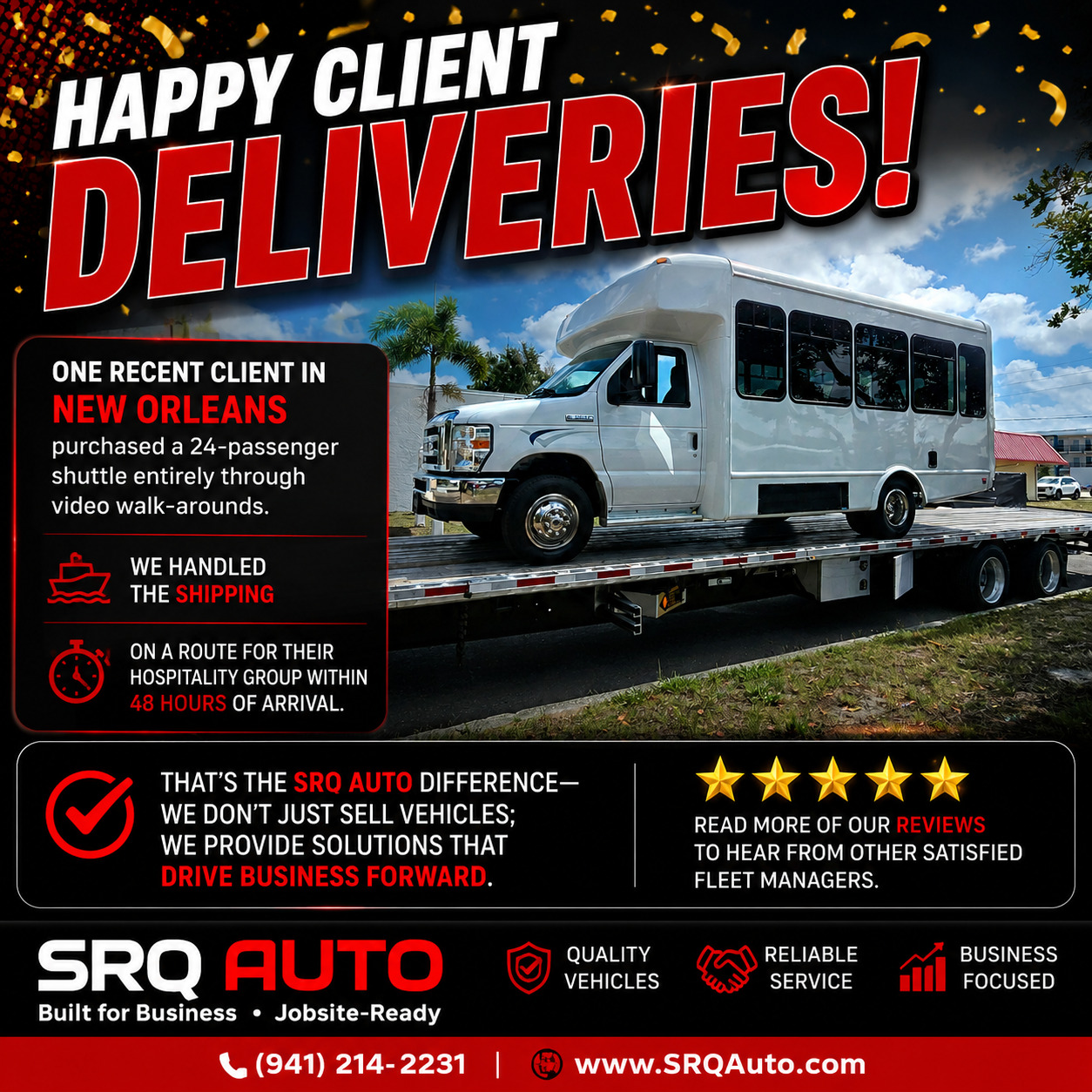
Yes. SRQ Auto works with commercial buyers nationwide using remote documents and nationwide vehicle shipping. Jeff Reece and Jessica Anderson also have dealership logistics and shipping experience supporting remote commercial transactions.
Shop Used Shuttle Buses at SRQ Auto
Browse Current Used Shuttle Buses
Need help structuring the purchase? Learn about Tailored Commercial Financing or complete our online credit application.
See what other businesses say about SRQ Auto by reading our customer reviews, or get directions to SRQ Auto in Bradenton.