Buying a Used Shuttle Bus: 7 Checks Before You Commit
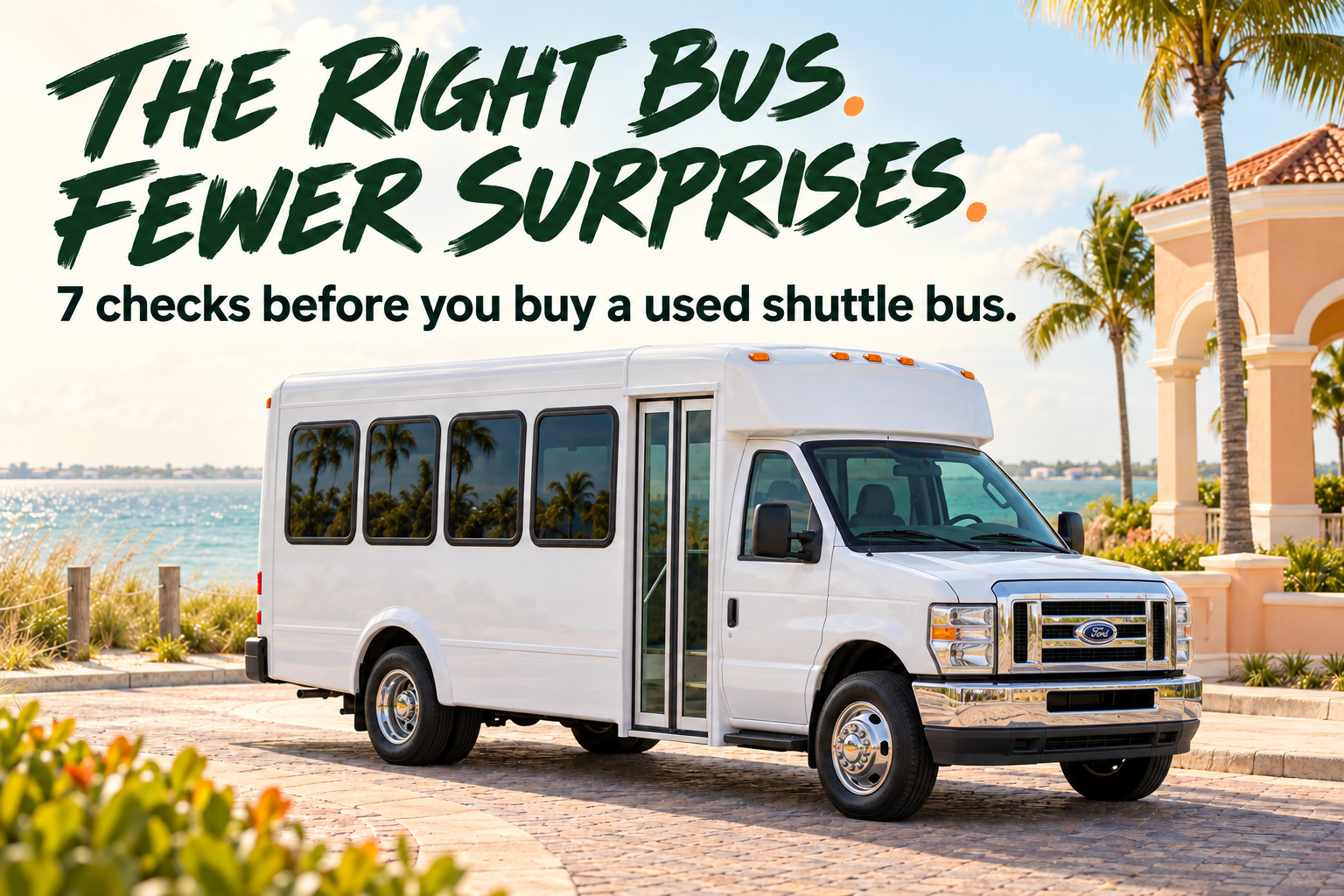
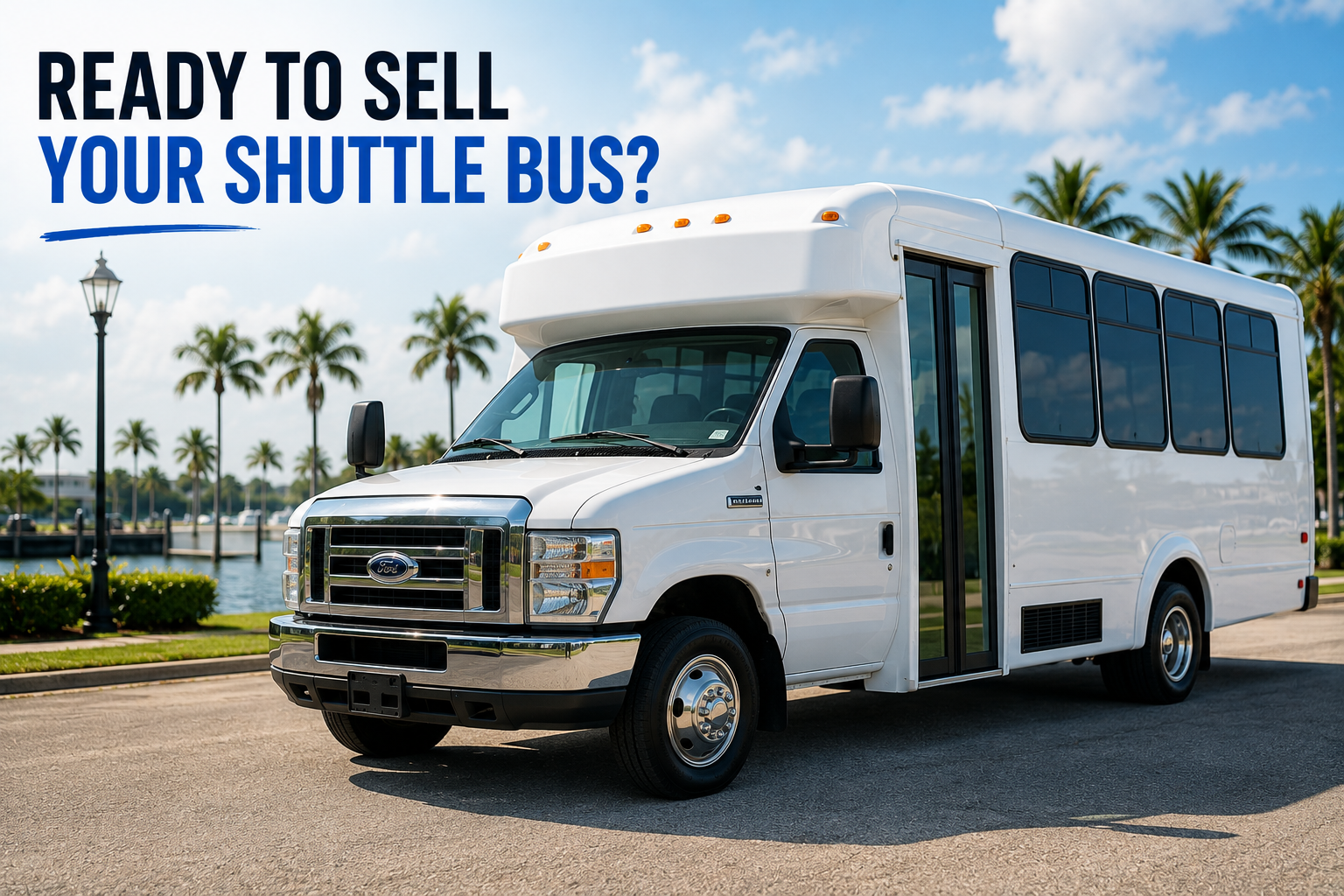
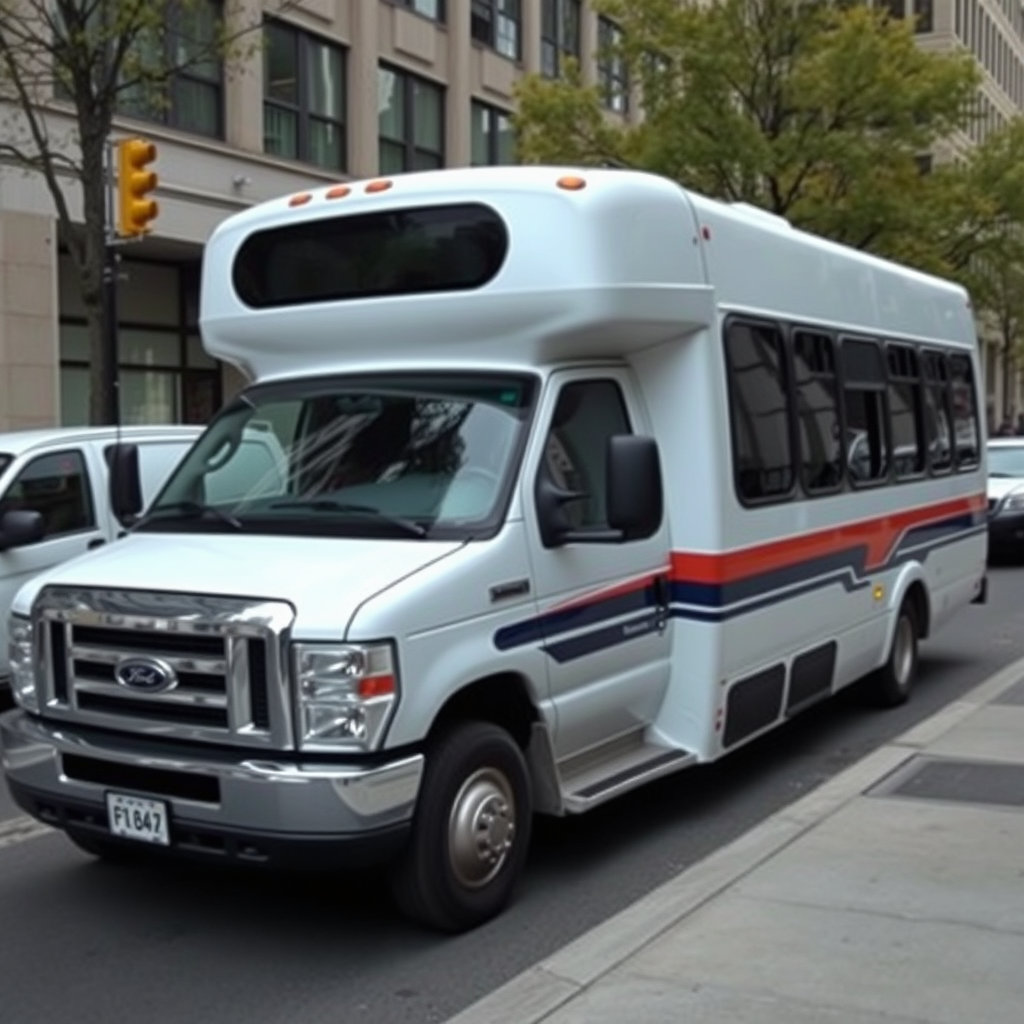
Buying a used shuttle bus starts with matching the vehicle to the people, route and work it needs to handle. Seat count matters, but passenger access, maintenance history and the condition of the bus body deserve equal attention. A lower asking price can leave less room in your budget if the bus needs immediate repairs or passenger-area work. Buyers in Sarasota, Tampa and Lakewood Ranch should compare the complete vehicle before committing to a purchase. At SRQ Auto in Bradenton, our commercial-vehicle team helps businesses and organizations evaluate available shuttle buses and their equipment. Use these seven checks to narrow your search, ask better questions and choose a bus that fits your operation.
Expert perspective: Chris Hilgeman, owner of SRQ Auto, brings nearly 20 years of automotive experience to the dealership's commercial-vehicle buying and preparation approach.
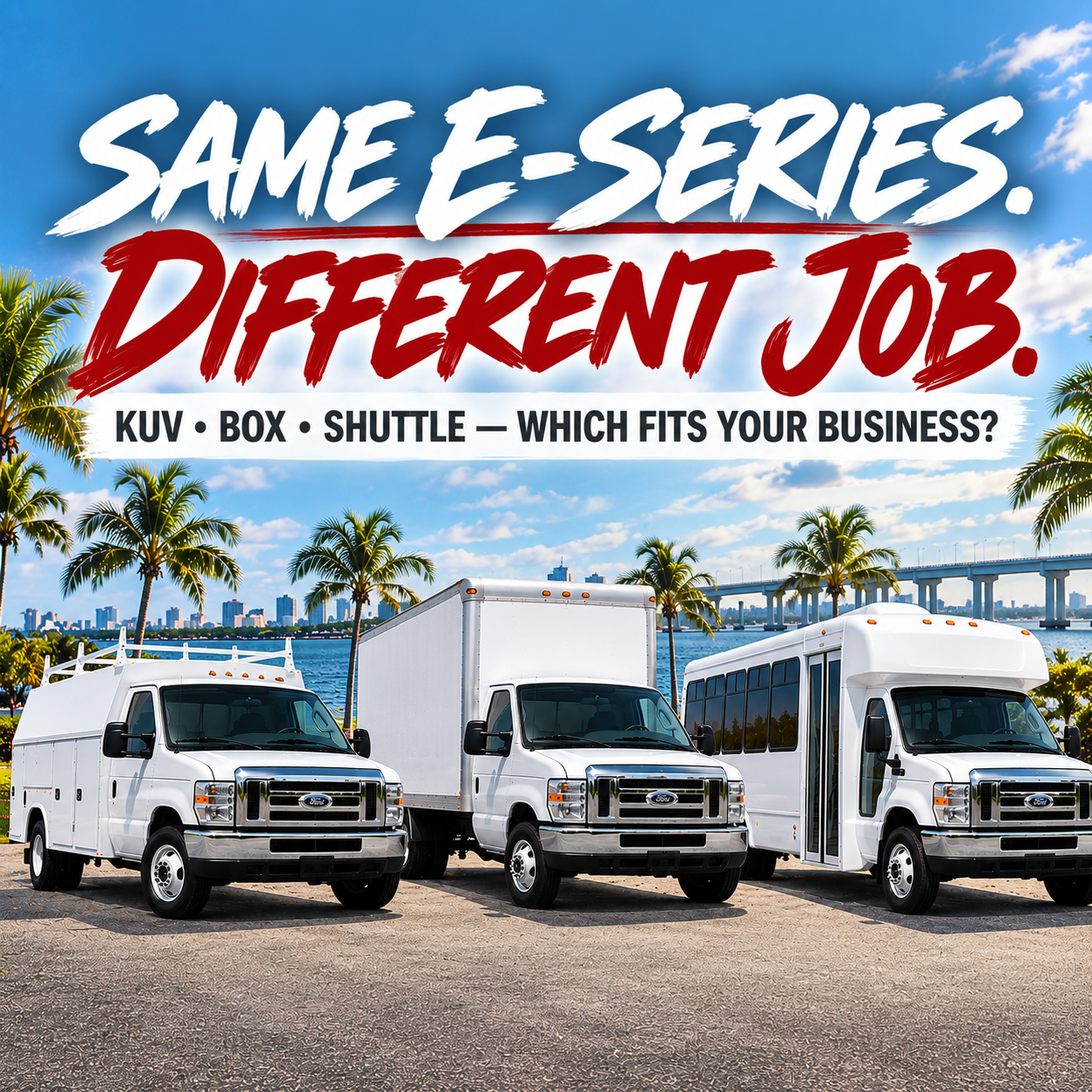
Compare available used shuttle and passenger buses, then use the checks below to discuss the specific vehicles that fit your needs.
1. Confirm the seating layout, not just the advertised capacity
Start with a typical trip: how many passengers travel together, what they carry and how they board. A hotel airport shuttle may need luggage space that a church or employee shuttle does not. A senior-living organization may place more emphasis on entry steps, handrails and wheelchair positions.
Ask whether the advertised passenger count includes the driver and request photographs of the actual seating layout. Check aisle space, entry-door operation, seat condition and available restraints. Do not assume two buses with the same advertised capacity have the same usable space.
Before you commit: Give the seller your required seating and equipment list, and confirm the specific bus matches it.
2. Inspect the bus body, floor and chassis together
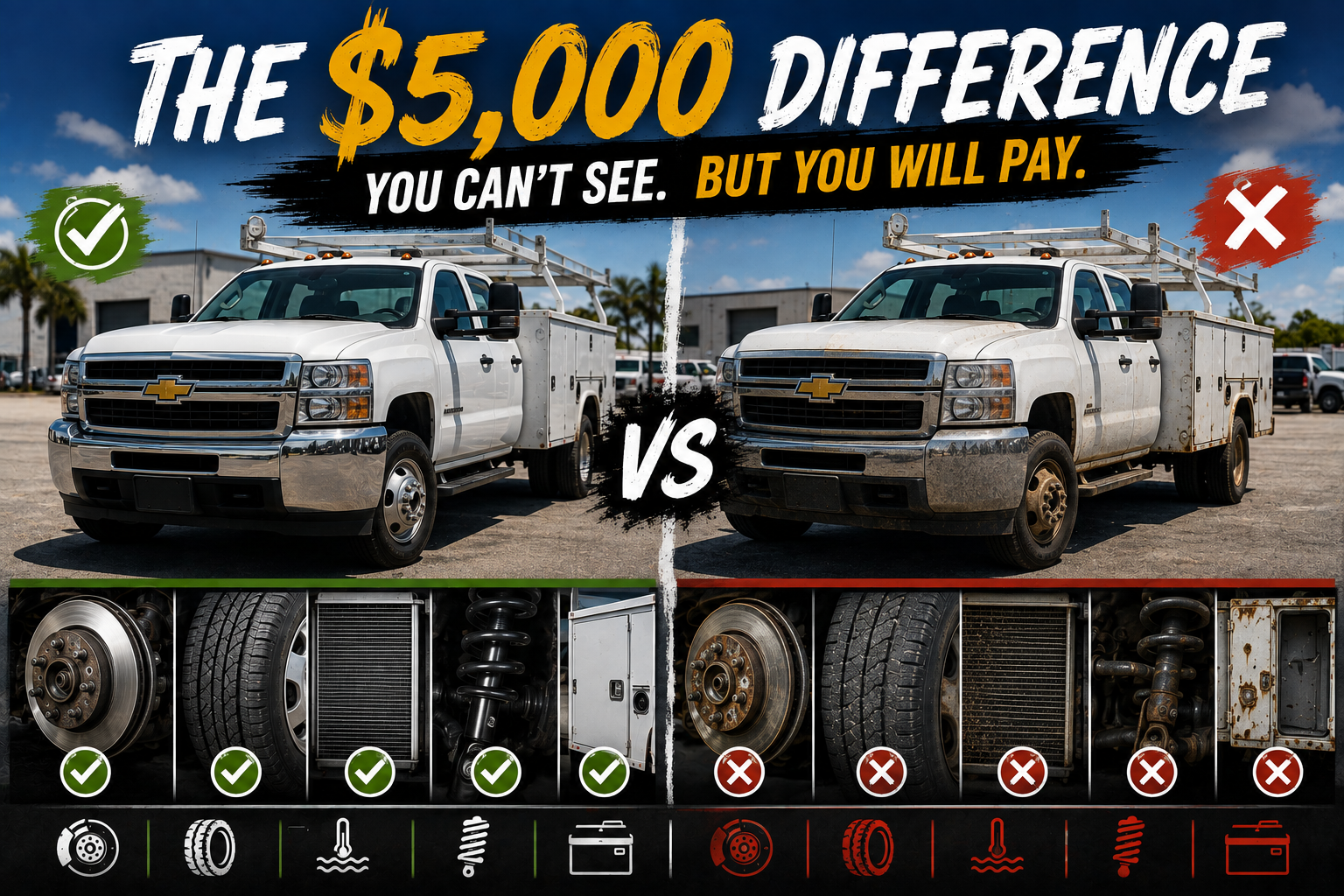
A clean exterior is a good starting point, but the inspection should extend beneath the passenger compartment. Look at frame rails, body mounts, entry steps, door surrounds and the underside of the floor. Ask about corrosion, collision repairs and any signs of water intrusion around windows or roof seams.
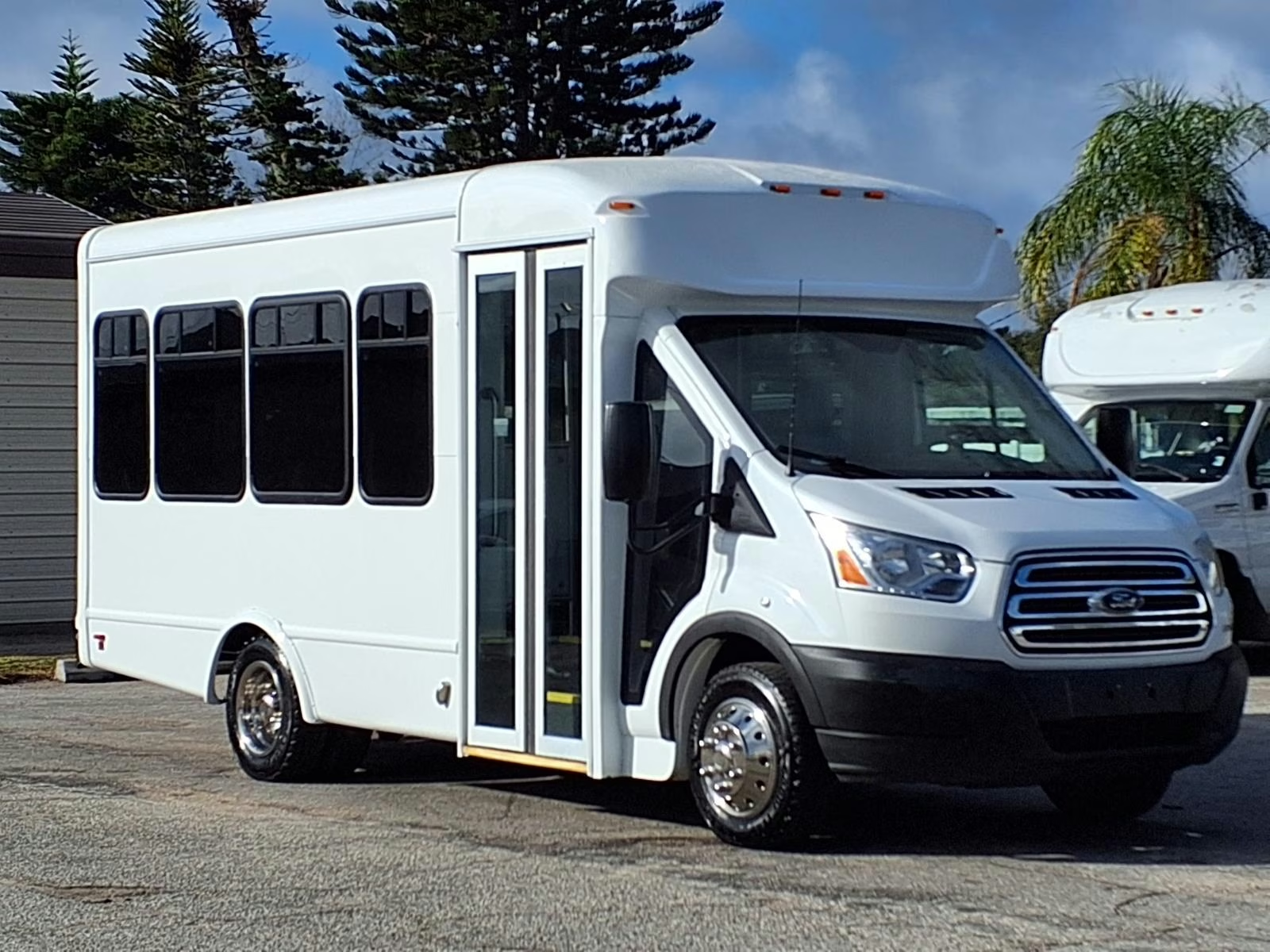
Inside, check the floor for soft areas, staining or lifting material. Inspect seat mounts, interior panels and emergency exits. A Ford E-Series or Chevrolet Express chassis name does not tell you the condition of the separate passenger body built onto it.
Before you commit: Request clear underside photographs and have structural concerns assessed by a qualified inspector.
3. Compare maintenance history, mileage and previous use
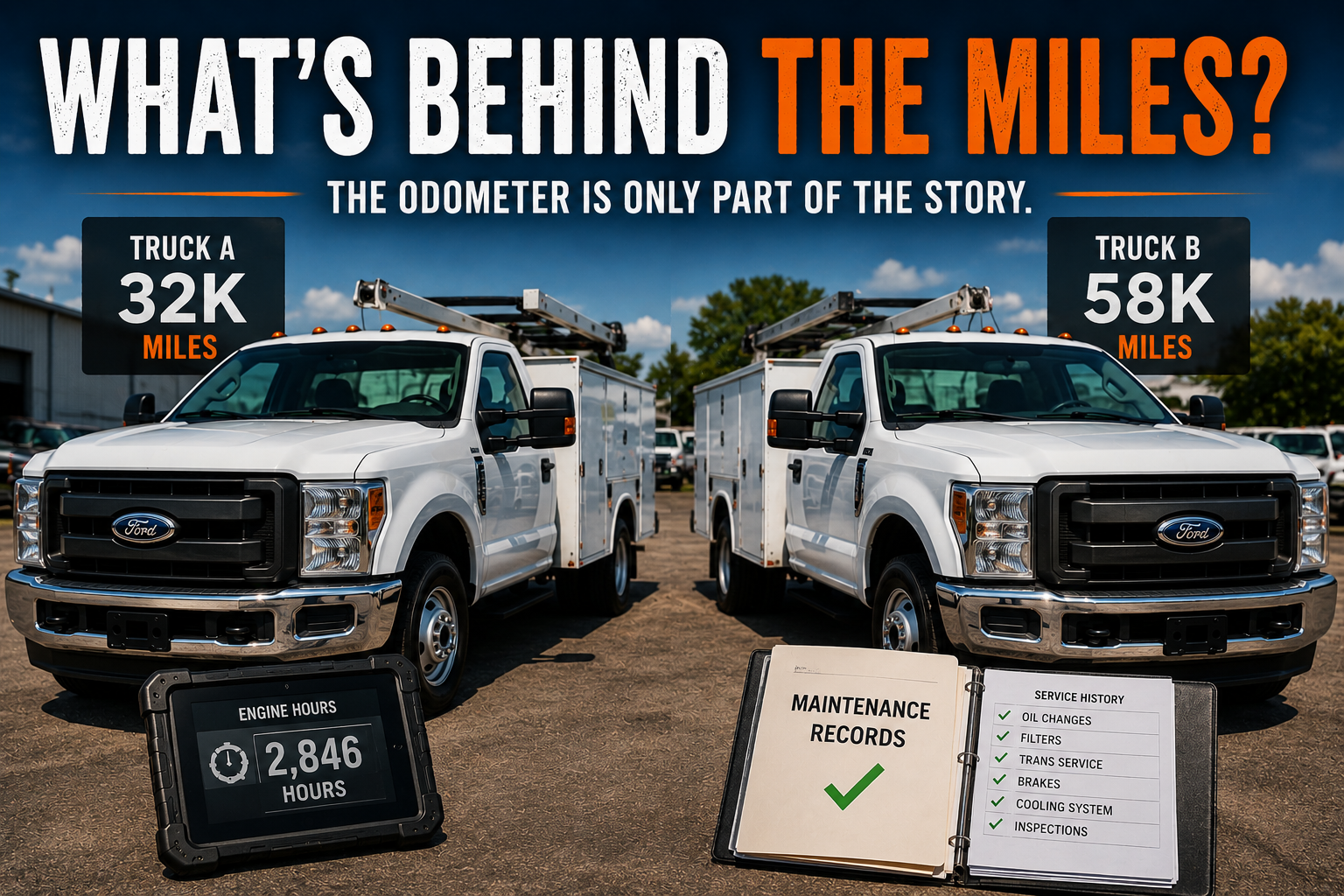
Mileage helps frame the conversation; it does not replace a condition assessment. Review available service records, prior ownership and how the bus was used. Repeated short trips, long periods of idling and extended storage each raise different questions.
Ask about engine and transmission service, cooling-system work, brakes, suspension and tire condition. Where engine-hour information is available, consider it alongside mileage. Review any documented major repairs and what work remains outstanding. A vehicle-history report can add context, but it is not a substitute for maintenance records or a mechanical inspection.
Before you commit: Arrange an appropriate test drive and independent inspection rather than relying on a universal mileage cutoff.
4. Test passenger air conditioning and everyday equipment
For shuttle-bus buyers in Florida, passenger comfort deserves its own inspection. Ask for a demonstration of both cab and rear passenger air conditioning, including airflow throughout the seating area. Confirm what was checked or serviced rather than accepting a general statement that the A/C works.
Test the entry door, interior lighting, windows and any fitted camera or entertainment equipment. Check that controls are understandable for the people who will drive the bus. Seat upholstery, odors and overall interior presentation matter because the bus represents your organization every time passengers step aboard.
Before you commit: Request an equipment demonstration and written clarification of any known faults.
5. Verify wheelchair equipment when accessibility is required
When considering a wheelchair bus for sale, look beyond the presence of a lift. Identify the manufacturer, equipment rating and available service records. Request a demonstration by someone familiar with the system, including the relevant controls and interlocks.
Review wheelchair positions, securement equipment and the seating arrangement when those positions are occupied. Confirm that the equipment suits the passengers and mobility devices you expect to transport. Lift and securement condition should be evaluated by qualified personnel; buying a bus with a lift does not, by itself, establish compliance for every intended service.
Before you commit: Resolve equipment, operator-training and applicable operating requirements for your actual use.
6. Ask what reconditioning was completed on this bus
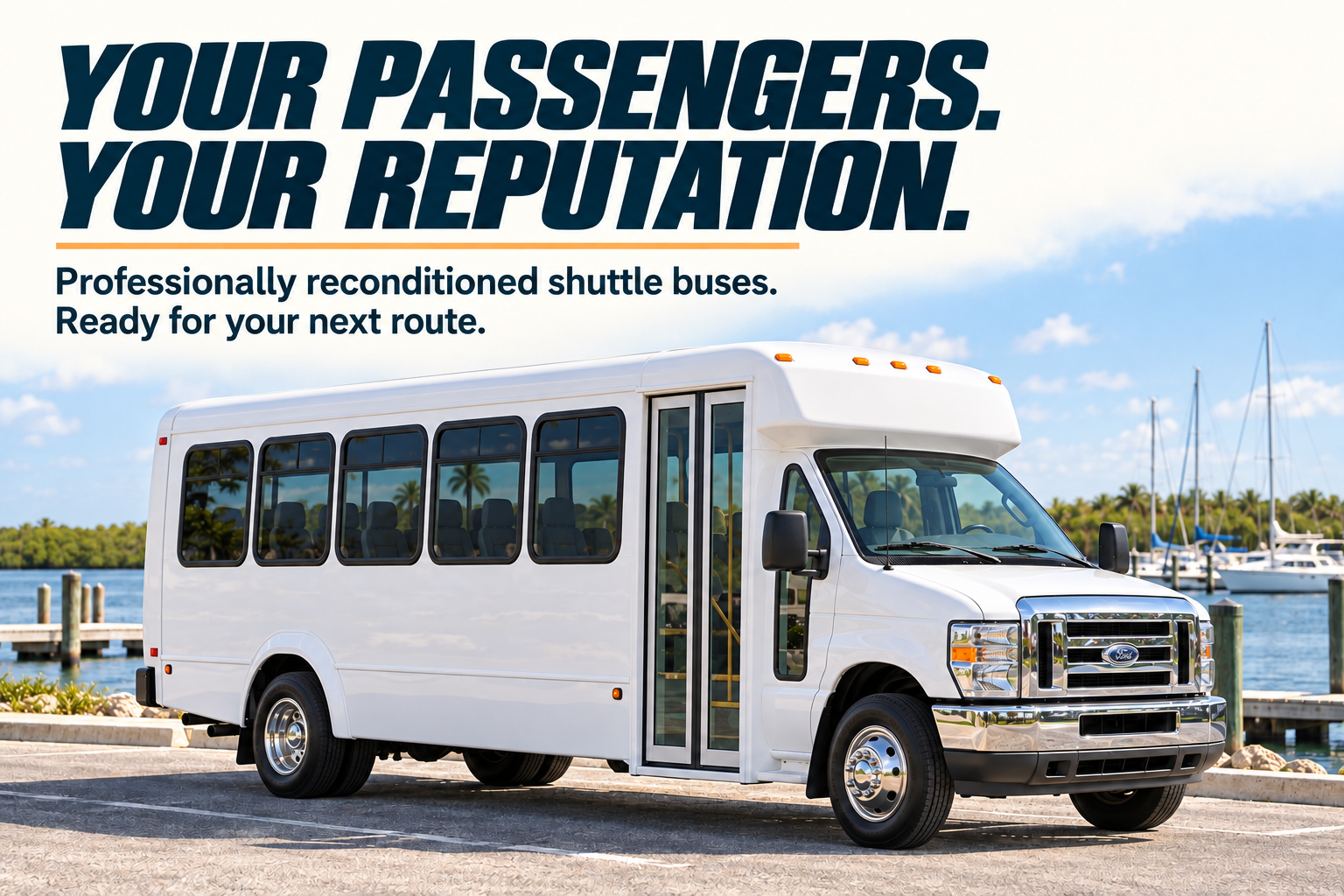
Ask for specific preparation details. At SRQ Auto, commercial-vehicle reconditioning goes beyond a quick wash. Depending on condition, preparation may include mechanical inspection and service, tires, windshield or upholstery work, paint and body attention, frame or chassis refinishing, passenger-area cleaning, and checks of doors, lighting and accessibility equipment where fitted.
Our specialized employees understand commercial vehicles and their upfits. That preparation supports our Job Ready Promise and helps the vehicle present your business professionally. The useful buying question is what was completed on the individual bus, what was inspected and what limitations or future maintenance needs remain.
Before you commit: Compare documented condition and preparation alongside price. Reconditioning does not eliminate future repairs or replace required operating inspections.
7. Review the operating plan and purchase documents
Budget for insurance, routine maintenance, fuel, driver preparation and any equipment your operation still needs. Confirm licensing and operating requirements with the relevant authorities and insurer before selecting a bus; seat count alone is not a complete operating plan.
If financing is needed, explore Tailored Commercial Financing and confirm the actual terms, eligibility and approval requirements. Ask about available commercial vehicle service contract options. Eligibility and coverage vary; review the written contract, covered components, exclusions, deductible and claim process for the specific vehicle.
For a remote purchase, request a current walkaround and focused equipment videos, discuss an independent inspection, and confirm the purchase documents, delivery charges and timing. SRQ Auto assists buyers from our Bradenton dealership with remote documents and nationwide delivery arrangements.
Before you commit: Put the vehicle details, agreed work and delivery arrangements in writing.
Find a used shuttle bus that fits the work ahead
Whether you transport hotel guests in Sarasota, employees in Tampa or a community group in Lakewood Ranch, begin with your passengers and route. Buyers elsewhere in Florida and the Southeast can use the same checklist to compare buses remotely without treating a few photographs as the full condition report.
Browse SRQ Auto's available shuttle buses, then contact our Bradenton team with your seating, accessibility and delivery needs. We can help you compare the available configurations and discuss the preparation of the individual bus.
Used shuttle bus buying questions
What should I check before buying a used shuttle bus?
Confirm the seating layout and passenger access, inspect the chassis and bus body, review maintenance records, test passenger air conditioning, check accessibility equipment where fitted, and review operating costs and purchase documents before committing.
How many miles is too much for a used shuttle bus?
There is no single mileage limit that determines whether every used shuttle bus is a good purchase. Compare maintenance history, engine hours when available, previous use, current mechanical condition and passenger-body condition, then arrange an appropriate inspection.
What should I ask about a wheelchair-accessible bus for sale?
Ask about the lift manufacturer and rating, operating demonstration, service history, wheelchair positions, securement equipment and the seating layout with those positions in use. Confirm that the specific bus and equipment suit your passengers and intended operation.
Can I buy a used shuttle bus from SRQ Auto remotely?
SRQ Auto can assist with remote purchase documents and nationwide delivery arrangements. Request a current walkaround, equipment demonstrations, condition details and an opportunity for an independent inspection before finalizing the purchase. Confirm delivery timing and charges for the specific bus.