Why Most Used Commercial Vehicles Are Not Ready for Work—And How the Right Reconditioning Process Protects Your Business
Why Most Used Commercial Vehicles Are Not Ready for Work—And How the Right Reconditioning Process Protects Your Business

Why Most Used Commercial Vehicles Are Not Ready for Work—And How the Right Reconditioning Process Protects Your Business

For business owners, contractors, and fleet managers across Southwest Florida, buying a used work vehicle is a major milestone. Whether you are expanding your electrical service company in Sarasota, scaling up a landscape fleet in Lakewood Ranch, or putting a new cargo delivery van on the road in Bradenton, that vehicle is the lifeblood of your daily operations. However, there is a harsh truth that many buyers discover too late: the vast majority of used commercial vehicles on the market today are simply not ready to work on day one. While they might look clean and shiny under the dealership lot lights, beneath the surface lies a history of heavy-duty stress, deferred maintenance, and components pushed to their absolute limits.

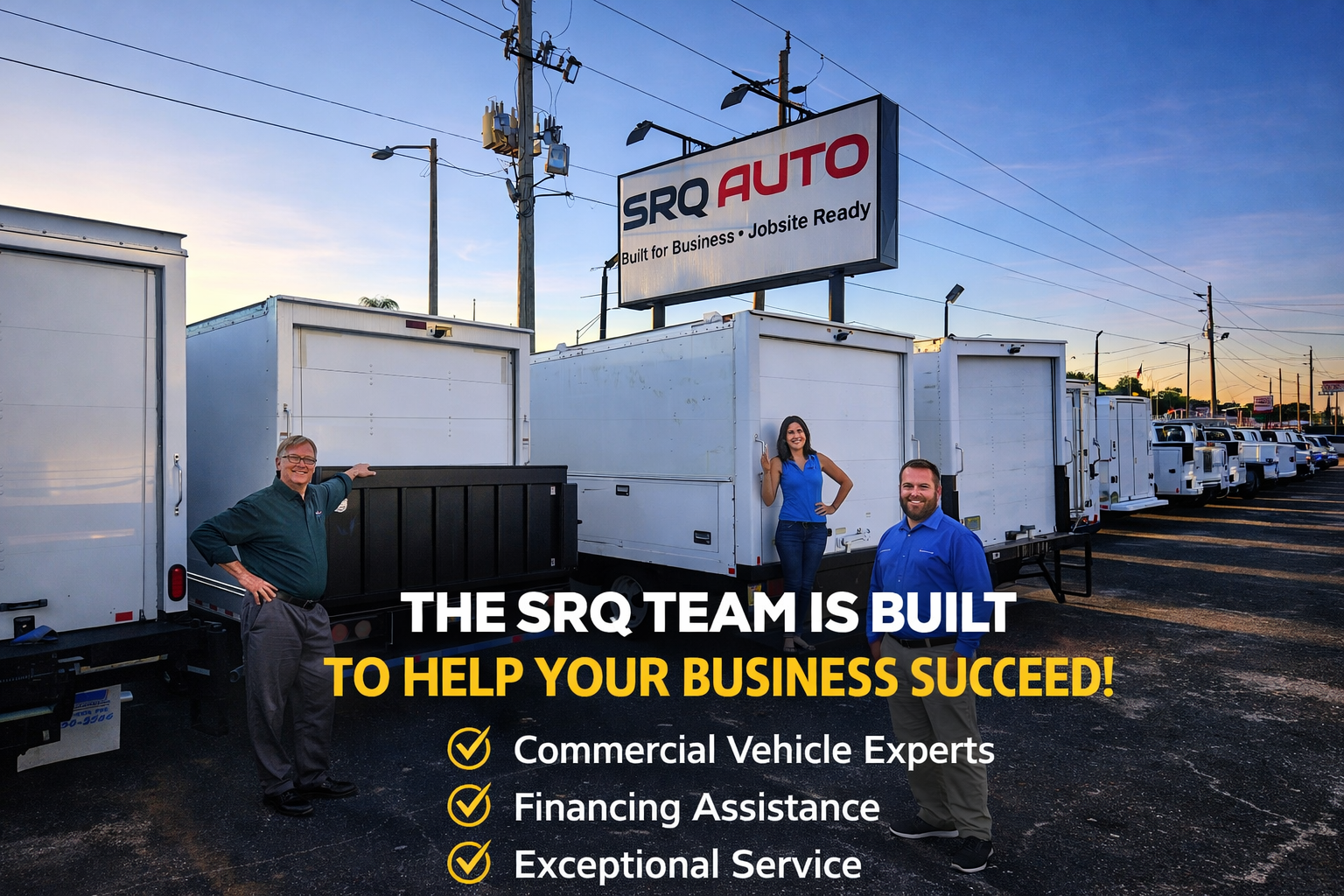
Most traditional auto dealerships treat commercial inventory exactly like standard passenger cars. They run a quick visual inspection, spray some detailer in the cabin, wash the exterior, and park it on the line. But a commercial truck or van is not a passenger car. It operates under constant load, runs for long hours in extreme Florida heat, and is frequently driven by employees who may not treat it with the same care as an owner-operator. At SRQ Auto LLC, located at 2212 1st St in Bradenton, we do things differently. We believe that a true work-ready vehicle must undergo a rigorous, commercial-grade reconditioning process before it ever meets a customer. In this comprehensive guide, we will pull back the curtain on why standard used vehicles are a massive gamble for your business, and show you how our exhaustive restoration process protects your bottom line, keeps your crews productive, and ensures long-term operational success.
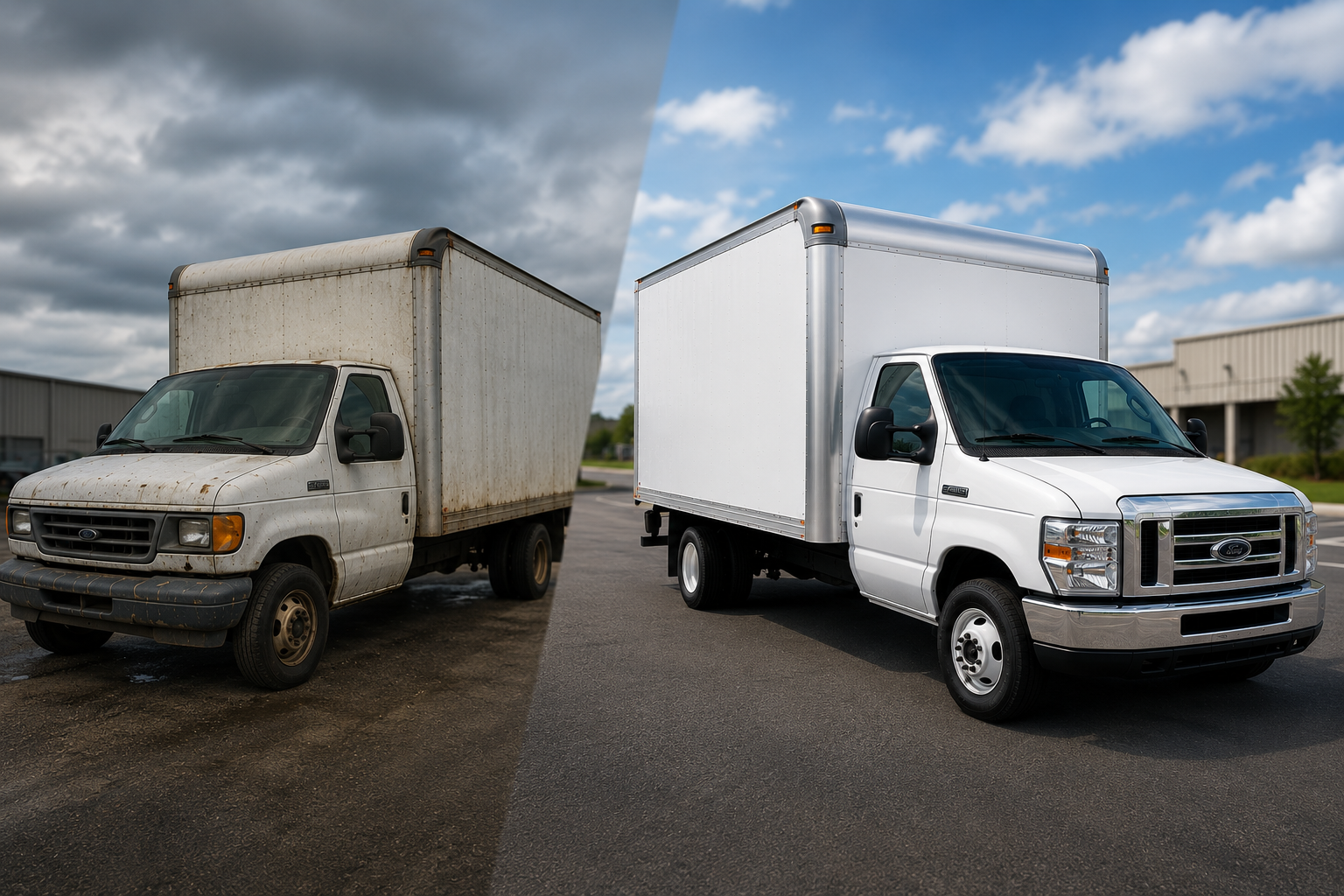
Why Are Most Used Commercial Vehicles Not Ready for Work Right Away?

To understand why used commercial vehicles are rarely job-ready, you have to look at how they are treated before they reach the secondary market. The overwhelming majority of used work trucks, Used Cargo Van Inventory, and box trucks are sourced from corporate fleet trade-ins, commercial auctions, or municipal liquidations. These vehicles are treated as tools of production. In many corporate fleets, when a vehicle is scheduled for retirement, preventative maintenance is halted months in advance to maximize remaining profitability. The previous operator literally runs the vehicle until the final day, ignoring minor suspension noises, electrical gremlins, and slow fluid leaks because they know the truck is leaving the fleet soon.

When a typical used car dealer purchases this vehicle at an auction, their goal is to minimize turnaround costs to maximize their margin. They employ standard passenger-car prep, which is almost entirely cosmetic. This cosmetic 'make-ready' detailing is designed to create a positive initial impression. They steam-clean the engine bay, apply tire shine, scrub the vinyl flooring, and touch up chipped paint. However, none of these superficial actions address the critical mechanical realities of a heavy-duty commercial vehicle. A beautiful exterior coat of paint does absolutely nothing to fix a worn torque converter, localized wiring corrosion, or thin brake pads that will quickly crumble under a full payload.

Commercial vehicles operate under massive thermodynamic and mechanical strain. Standard passenger cars carry light loads and travel short distances. A commercial van or truck, conversely, is consistently loaded near its Gross Vehicle Weight Rating (GVWR), towing heavy machinery, navigating rough job sites, and idling for hours on end to power secondary climate control systems or onboard equipment. This operational profile accelerates the degradation of key mechanical systems, such as engine cooling loops, transmission oil viscosity, brake calipers, leaf springs, and suspension bushings.

Without a deep, systematic diagnostic teardown, these underlying issues remain completely hidden from the buyer. When your business purchases an unconditioned vehicle, you are essentially inheriting months of deferred fleet abuse. Within your first thirty days of ownership, you are highly likely to face mechanical breakdowns, safety failures, and unexpected repair bills that can severely impact your operational momentum. True commercial-grade preparation is not about making a truck look pretty; it is about restoring its structural integrity and mechanical reliability so that it can perform safely and efficiently under heavy daily work demands.

What Is the Average Cost of Commercial Vehicle Downtime per Day for Small Businesses?

For a growing small business or local contractor, a vehicle breakdown is not just an inconvenience—it is a financial emergency. In communities like Sarasota, Bradenton, and Lakewood Ranch, competition is fierce, and customer expectations for timely service are higher than ever. When a critical work vehicle goes out of commission unexpectedly, the financial consequences cascade throughout your entire business. Let us break down the real daily financial impact of vehicle downtime.

Direct Revenue Loss & Brand Damage

If your plumbing van, HVAC truck, or delivery vehicle breaks down, you immediately lose the revenue from that day's scheduled service calls or transport routes. For a typical service contractor, a single truck generates anywhere from $1,000 to $2,500 in daily gross revenue. Missing just three or four scheduled service appointments because your vehicle is stuck in a repair shop can cost you thousands in immediate cash flow. Worse, turning away customers or missing project deadlines damages your professional reputation, causing clients to call your competitors and leaving negative online reviews that impact future growth.

A single day of downtime can completely erase the perceived upfront savings of a cheap, unconditioned auction vehicle.

Idle Labor & Emergency Expenses

Your overhead costs do not stop when a vehicle breaks down. If you have a two-person crew assigned to a broken-down vehicle, you are still paying their hourly wages while they sit idle at the shop or wait for a tow truck. At an average fully loaded labor rate of $25 to $45 per hour per employee, idle crew time can quickly drain an extra $400 to $720 per day in pure waste. Add in the cost of emergency roadside towing, rapid diagnostic fees, expedited parts shipping, and the rental of a temporary replacement vehicle, and the true cost of a single day of vehicle downtime easily surpasses $1,500 to $3,000.

What a Standard Multi-Point Inspection Usually Misses Compared to Commercial Reconditioning

Many traditional car dealerships boast about their 'multi-point inspections.' They present a checklist of 100+ items, check off boxes with green ink, and tell you the vehicle is in great shape. However, standard consumer multi-point inspections are fundamentally designed for light-duty passenger cars, not commercial workhorses. They evaluate a vehicle from a commuter's perspective, focusing on superficial conveniences like the sound system, air conditioning, and basic fluid levels. They completely miss the high-stress, commercial-grade systems that undergo massive wear when a vehicle is put to work.

To illustrate this massive gap in quality control, let us look at how a basic multi-point inspection compares directly with the professional commercial reconditioning process we execute daily on our Used Commercial Inventory at SRQ Auto.

Inspected System

Standard Passenger Inspection

SRQ Auto Commercial Reconditioning

Suspension & Steering

Checks for visual leaks on shocks, brief road test for obvious clunks.

Full load-bearing check, leaf spring shackle inspection, heavy-duty ball joint & bushing play test, steering linkage load evaluation.

Braking System

Visual pad thickness check through the wheel spokes, basic pedal feel.

Full wheels-off caliper slide pin lubrication, rotor runout measurement, hydraulic line pressure check under loaded conditions, heavy-duty brake pad rating verification.

Cooling & Electrical

Confirms fluid level is full, checks cabin heater and A/C function.

Cooling system pressure test, radiator core blockage check, alternator load-output test under full electrical accessory draw, battery cold cranking amp validation.

Tires & Alignment

Verifies legal tread depth (2/32") and basic tire pressure.

Ensures heavy-duty load range ratings (E-load/10-ply minimum for trucks), checks tire age, executes precise computerized commercial alignment to prevent uneven wear under weight.

Transmission / Drivetrain

Ensures gears shift during a brief, unloaded test drive around the block.

Transmission fluid oxidation analysis, torque converter lockup validation, driveshaft carrier bearing inspection, heavy-duty differential fluid level and gear wear checks.

By skipping these deep mechanical evaluations, a standard passenger car dealership can easily miss a failing radiator, worn leaf springs, or a slipping transmission—all of which are guaranteed to fail once you load the vehicle with tools, equipment, or cargo. At SRQ Auto LLC, we systematically address every single one of these commercial failure points to ensure your vehicle is safe, stable, and prepared for heavy-duty daily use.

How Much Does Used Vehicle Reconditioning Usually Cost?
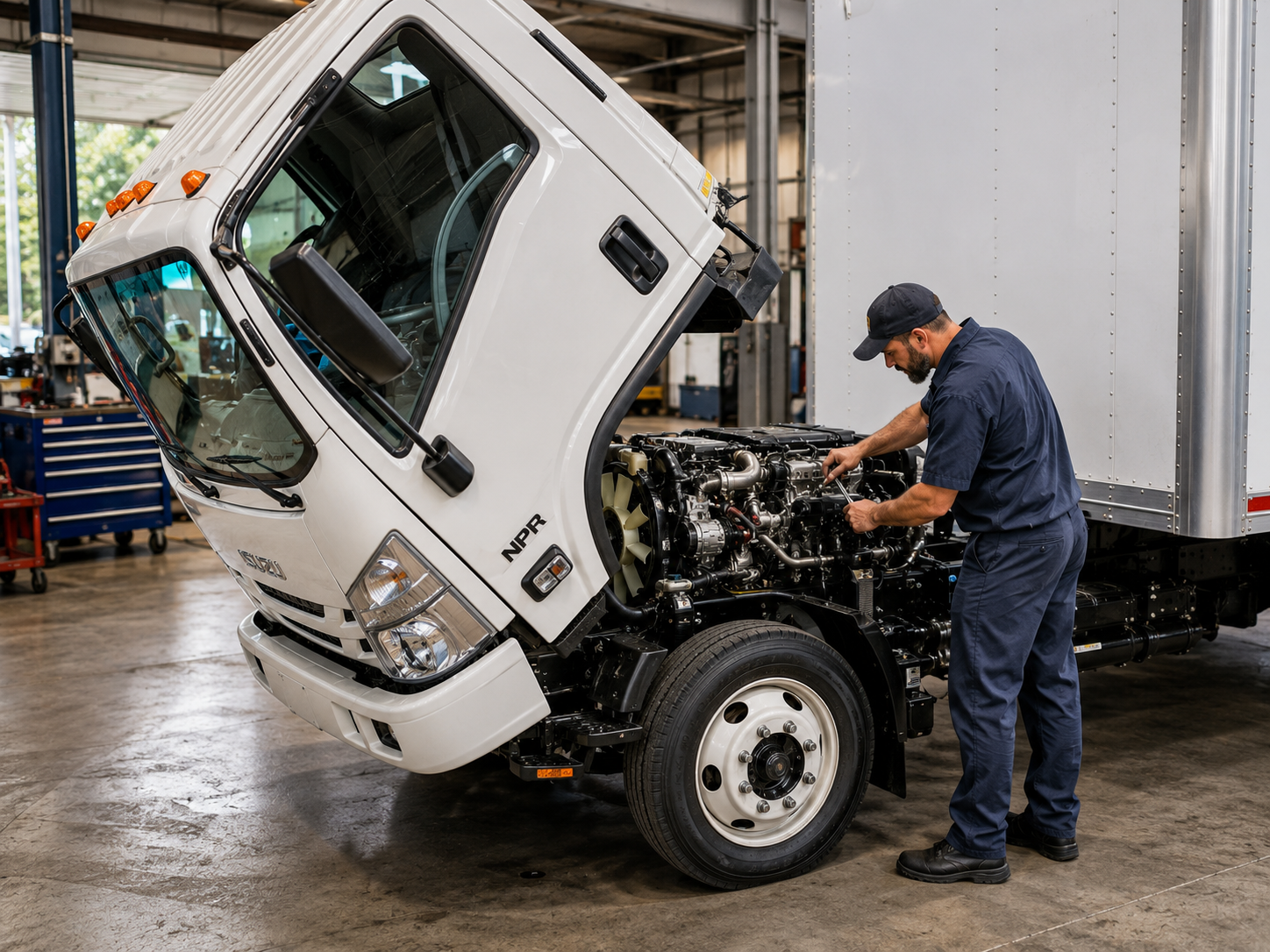
When shopping for a commercial vehicle, business owners are often tempted by a lower upfront price tag. It is easy to look at a truck listed at an auction or a small wholesale lot for $3,000 below market value and think you are getting an incredible deal. However, this is where the math of deferred maintenance catching up to you becomes critical. Reconditioning a commercial vehicle with heavy-duty, high-quality components is significantly more expensive than servicing a standard compact sedan. If you buy a vehicle that has not been properly reconditioned, you will quickly face these major, out-of-pocket repair costs.

Let's review the actual market costs for typical commercial repairs. A set of four heavy-duty LT (Light Truck) tires with high load-index ratings (such as E-load 10-ply tires) will cost between $1,200 and $2,000 installed and balanced. High-stress commercial brakes—including thick heavy-duty rotors, premium pads, and caliper servicing—typically range from $800 to $1,500 per axle. If the truck has worn suspension components from carrying heavy cargo, replacing sagging leaf springs, heavy-duty shock absorbers, and worn control arm bushings easily runs between $1,200 and $3,000 depending on the vehicle size.

Mechanic in blue uniform inspecting a white Isuzu NPR truck with a tilted cab in a repair shop.

Drivetrain and engine component replacements, such as professional transmission flushes, heavy-duty alternators, high-capacity water pumps, or direct cooling system overhauls, add another $1,500 to $4,500. When you tally up these realistic, heavy-duty service costs, a cheap used commercial vehicle can easily require an immediate $5,000 to $8,000 in mechanical investments just to make it safe and legally compliant for road use.

What Warning Signs Suggest a Used Commercial Vehicle Is a Poor Investment?

When evaluating potential additions to your fleet, it is vital to know how to spot warning signs of mechanical neglect and structural wear. Business owners must look past cosmetic cleaning and perform a targeted physical inspection. Here are three critical areas where systemic commercial vehicle issues hide, helping you identify a high-risk investment before signing a purchase agreement.

1. Uneven Tire Wear & Suspension Sag

Take a close look at the tire tread patterns. If you notice heavy wear concentrated on the inner or outer edges of the tires (known as feathering or cupping), it indicates severe alignment issues or worn-out steering linkages. Next, stand twenty feet back from the vehicle and observe its stance. If the rear of a cargo van or service truck is sagging or leaning heavily to one side even when completely empty, the leaf springs are fatigued, cracked, or completely collapsed from carrying excessive, unbalanced weight. Replacing these heavy structural parts is a labor-intensive, expensive undertaking.

2. Fluid Contamination & Odors

Pull the oil dipstick and check the oil's consistency and color. If the oil appears milky or has a light brown, creamy texture, it indicates that coolant is mixing with the engine oil—a classic symptom of a blown head gasket or cracked engine block. Next, inspect the transmission fluid. Healthy transmission fluid is red or light brown; if it is dark black and smells distinctly burnt, the internal clutch packs have been subjected to extreme heat from heavy towing, signaling imminent transmission failure. Finally, check the coolant reservoir; oil floating on top indicates serious internal engine seals have failed.

3. Frame Corrosion & Electrical Gremlins

Slide underneath the vehicle with a high-powered flashlight. Surface rust is common, but deep, structural scale, pitting, or rust flakes on the main frame rails or body mounts are immediate red flags. Check the leaf spring hangers and rear crossmembers for stress cracks. Next, test every single electrical component in the cabin. Turn on the climate control fan, hazards, high beams, power mirrors, and secondary equipment. Commercial vehicles often have aftermarket telematics, strobe lights, or auxiliary power ports poorly spliced into the main wiring loom, which creates hidden, chronic electrical shorts.

What Should You Ask a Dealer Before Buying a Used Commercial Vehicle?

To protect your business and make an informed investment, you must ask targeted, hard-hitting questions when shopping for a used work vehicle. Do not let a sales representative brush past mechanical details with vague promises. At SRQ Auto LLC, we pride ourselves on complete transparency and believe that an educated buyer is our best customer. When you visit any dealership, ask the following critical questions:

  • Can I see the line-item reconditioning invoice for this specific vehicle? A reputable dealer should have absolutely no problem showing you exactly what parts were replaced, what fluids were flushed, and what mechanical issues were addressed during their inspection process. If they cannot or will not provide a detailed internal work order, assume no commercial-grade reconditioning was performed.

  • What is the load range rating on the current tires, and are they matched? Commercial vehicles require high load-capacity tires (typically Load Range E). Passenger car tires or mismatched budget tires are highly dangerous under heavy loads and will cause immediate safety and alignment issues.

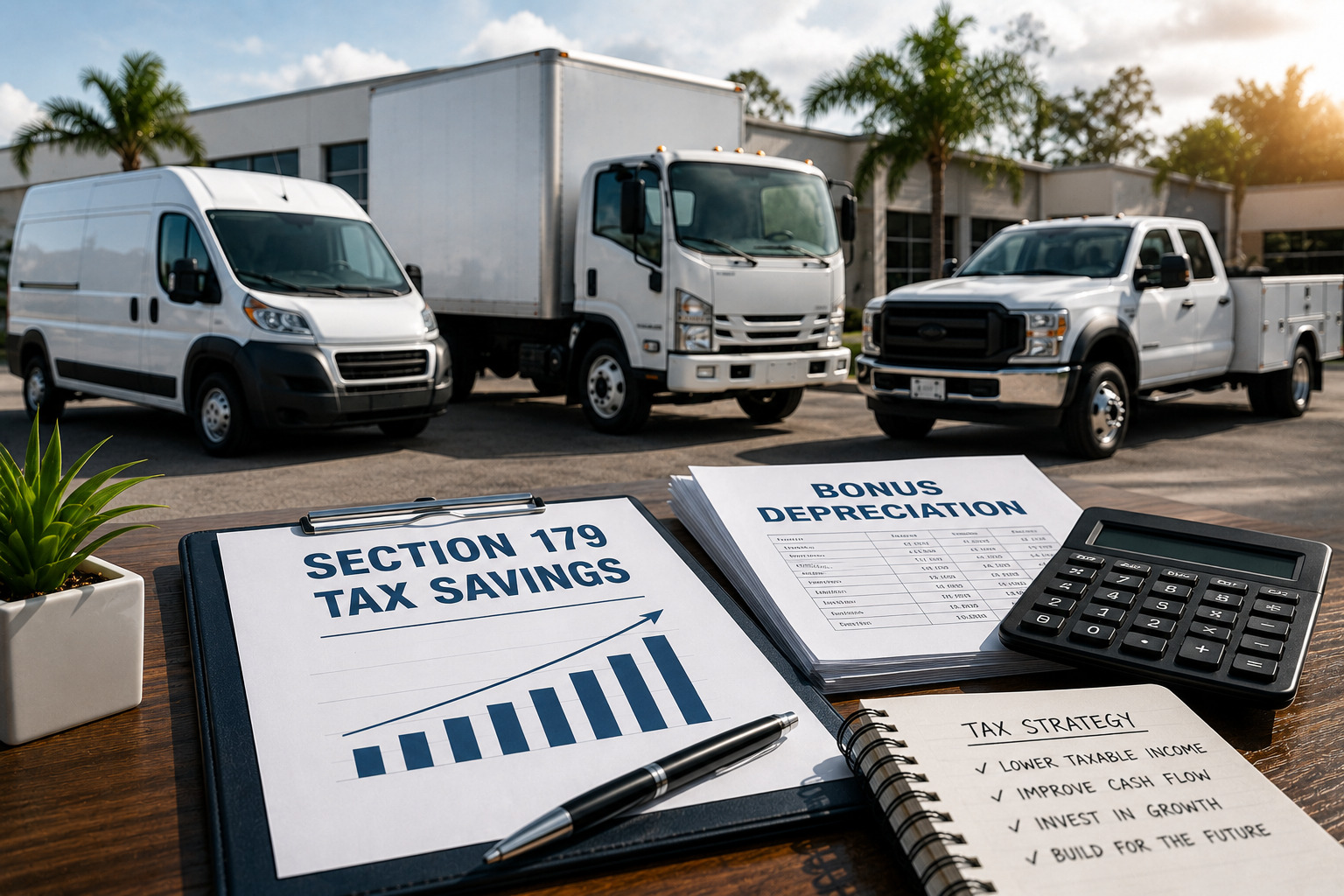
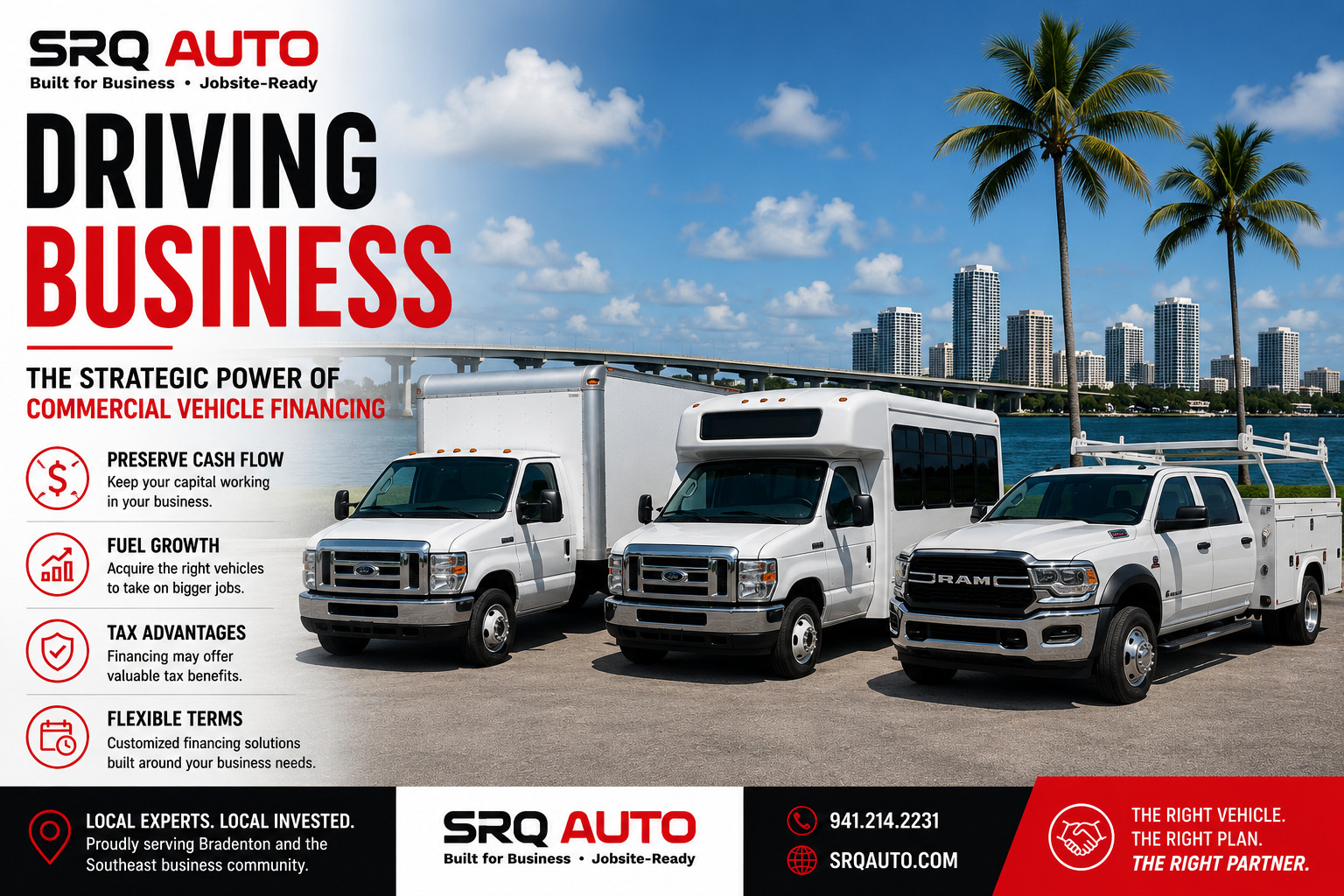
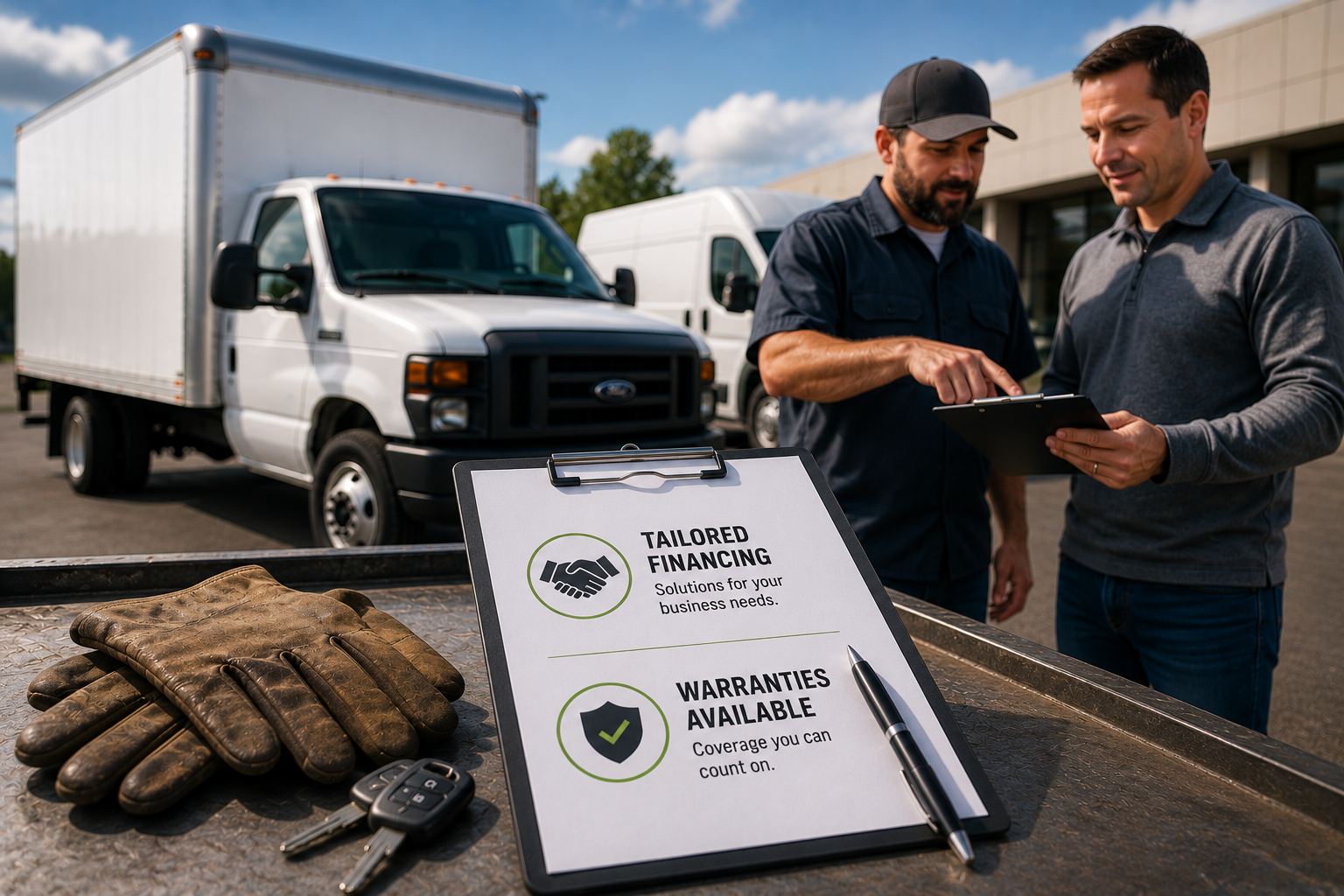
  • Does this vehicle qualify for specialized commercial financing and tax write-offs? Understanding your purchasing power and capital protection is critical. Ask about the dealer's relationships with commercial lenders who specialize in fleet expansion, and make sure to consult with your CPA regarding Used Vehicle Tax Deductions like Section 179, which can let you deduct up to 100% of the vehicle purchase price in the first year.

  • Do you offer commercial-use warranties? Standard consumer warranties often exclude vehicles used for commercial purposes, delivery routes, or heavy towing. Ensure the dealership offers dedicated Commercial Warranty Options that cover your vehicle under real-world, heavy-duty operational conditions.
Protecting Your Business in Southwest Florida's Demanding Coastal Climate

Operating a commercial vehicle in the Southwest Florida region—especially around Bradenton, Sarasota, and Lakewood Ranch—comes with a unique set of intense environmental challenges. Our stunning coastal setting brings persistent moisture, salty air, high humidity, and scorching summer temperatures. These regional elements combine to create a highly corrosive, high-stress environment that accelerates wear on every mechanical and electrical system of a hard-working commercial vehicle.

First, consider our intense Florida heat. High temperatures put immense strain on a vehicle's cooling systems. When a work truck is idling at a construction site or stuck in slow traffic on Interstate 75 during a hot summer afternoon, engine and transmission oil temperatures spike rapidly. If the cooling system has even minor debris blockage, a weak water pump, or slightly degraded coolant, the engine can quickly overheat, leading to catastrophic internal damage, cracked cylinder heads, or blown gaskets.

Second, our high salt air and coastal humidity act as an accelerant for metal corrosion and electrical degradation. Saltwater spray and salt-laden air quickly settle on undercarriage components, accelerating the rust process on brake lines, suspension hangers, frame rails, and leaf springs. This moisture also works its way into exposed wiring harnesses, connectors, and ground terminals, leading to hidden corrosion that causes mysterious electrical system failures, parasitic battery drains, and sensor malfunctions.

To withstand these demanding regional conditions, a commercial vehicle must be prepared with localized standards. At SRQ Auto, our reconditioning process specifically targets these regional wear items. We pressure-test cooling loops, verify alternator outputs under full summer electrical accessory loads, inspect body grounds, and clean undercarriage areas to ensure your commercial truck or van is fully prepared to handle the unique mechanical challenges of Southwest Florida's demanding climate.

The SRQ Auto Commercial Reconditioning Standard: Built for the Long Haul

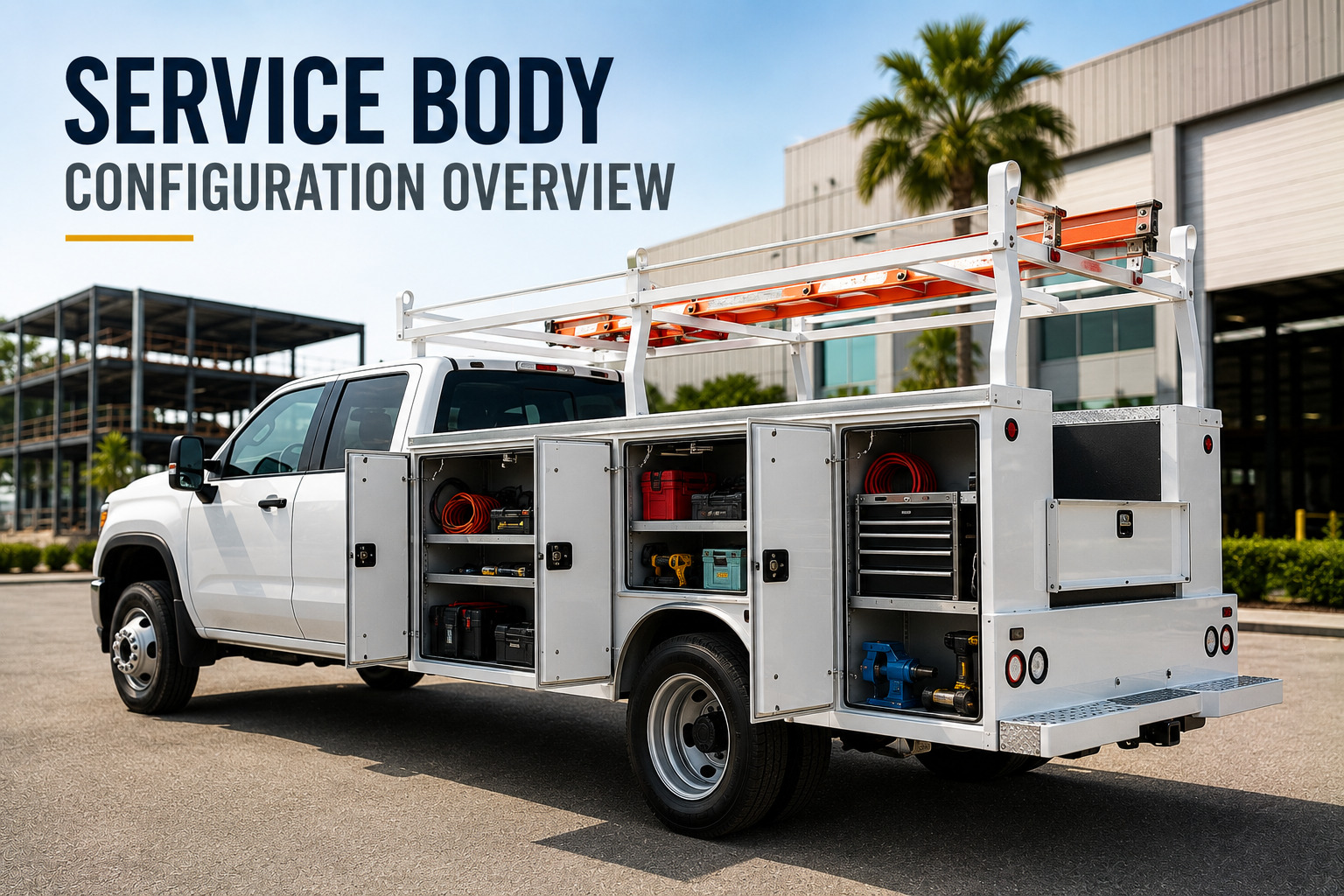
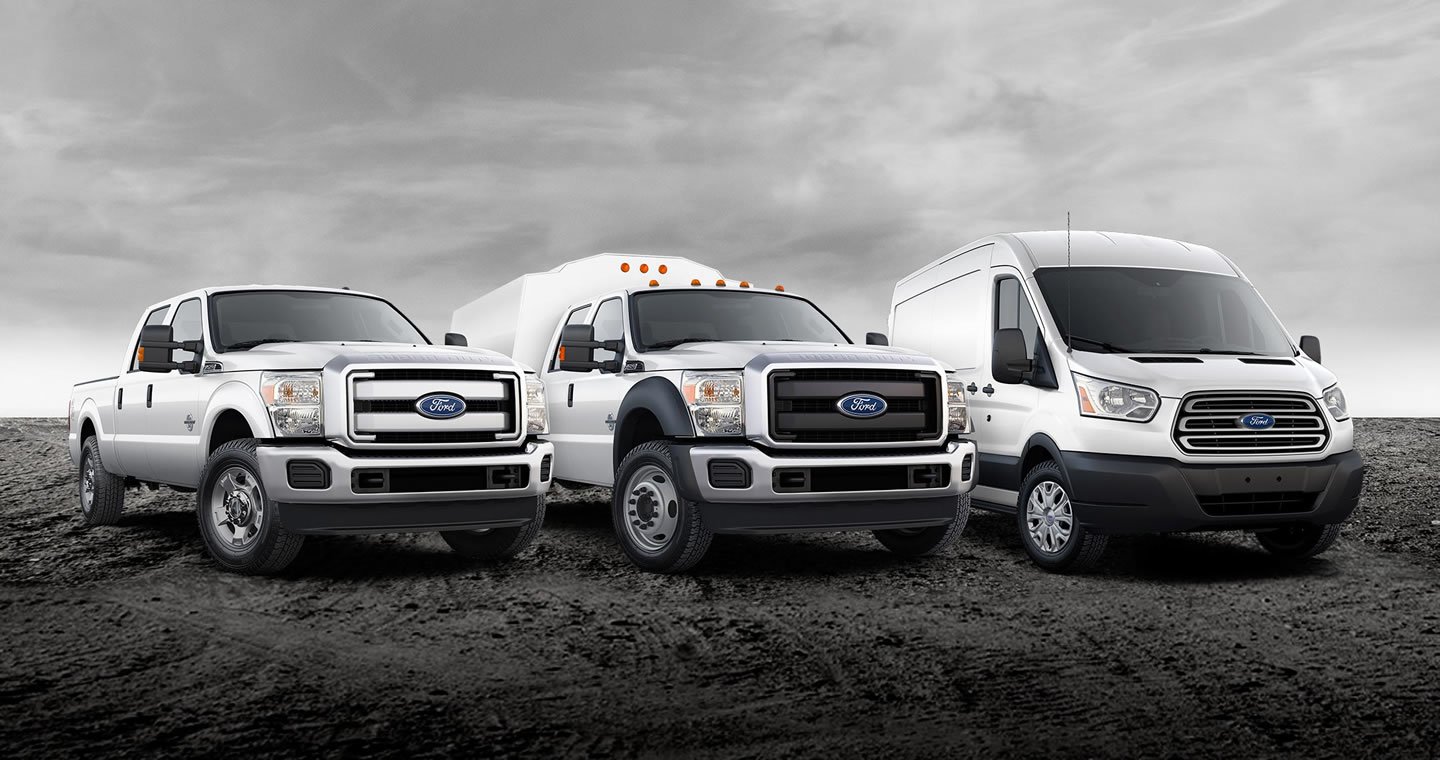
At SRQ Auto LLC, we do not believe in cutting corners. When we acquire a pre-owned commercial vehicle, it does not go on our sales lot until it passes our extensive, multi-stage commercial inspection and restoration process. Our dedicated technicians specialize in the unique demands of light and medium-duty work trucks, cargo vans, and specialized commercial fleets. Here is how our comprehensive reconditioning process ensures every vehicle we sell is truly work-ready from day one.
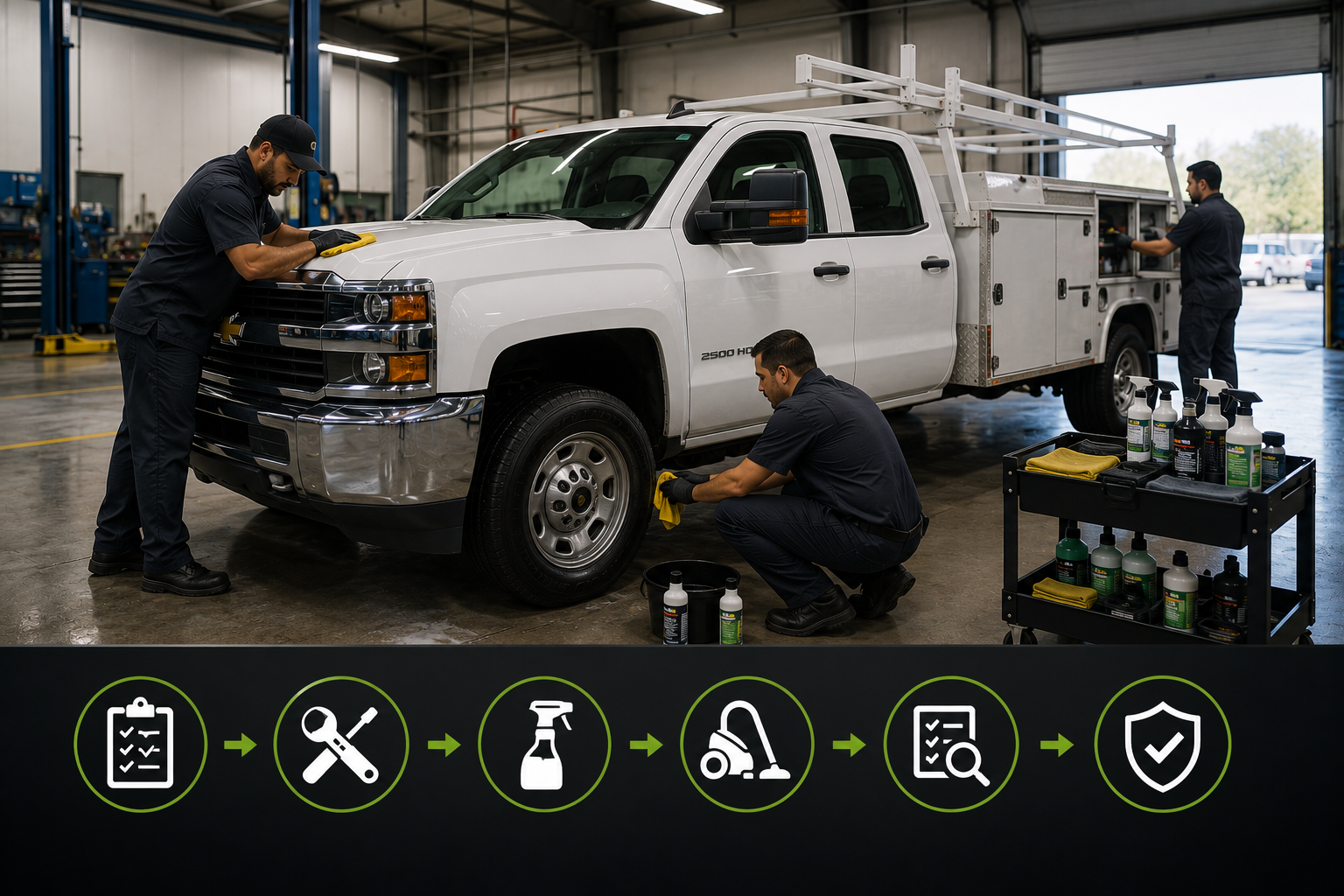
Stage 1: Deep Diagnostic & Structural Inspection

Our process begins with an exhaustive computerized scan of all engine, transmission, and body control modules to detect historical fault codes and sensor variances. We put the vehicle on a heavy-duty lift to perform a structural inspection. Technicians check the main frame rails for fatigue, examine steering linkages, test ball joints, and inspect leaf spring shackles. We check the exact load rating of the tires and measure brake rotor runout, ensuring the chassis is structurally sound and prepared to safely support heavy commercial payloads.

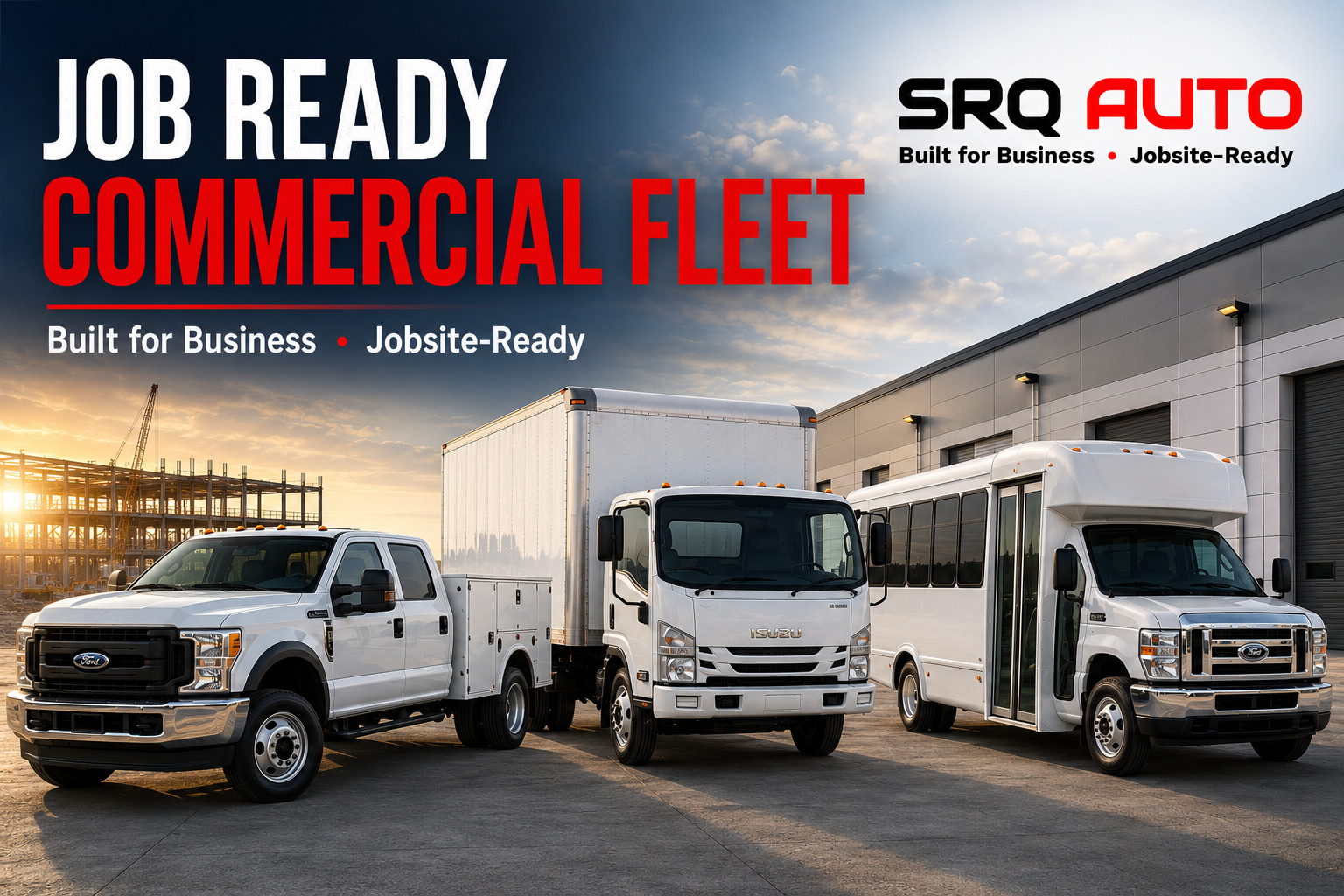
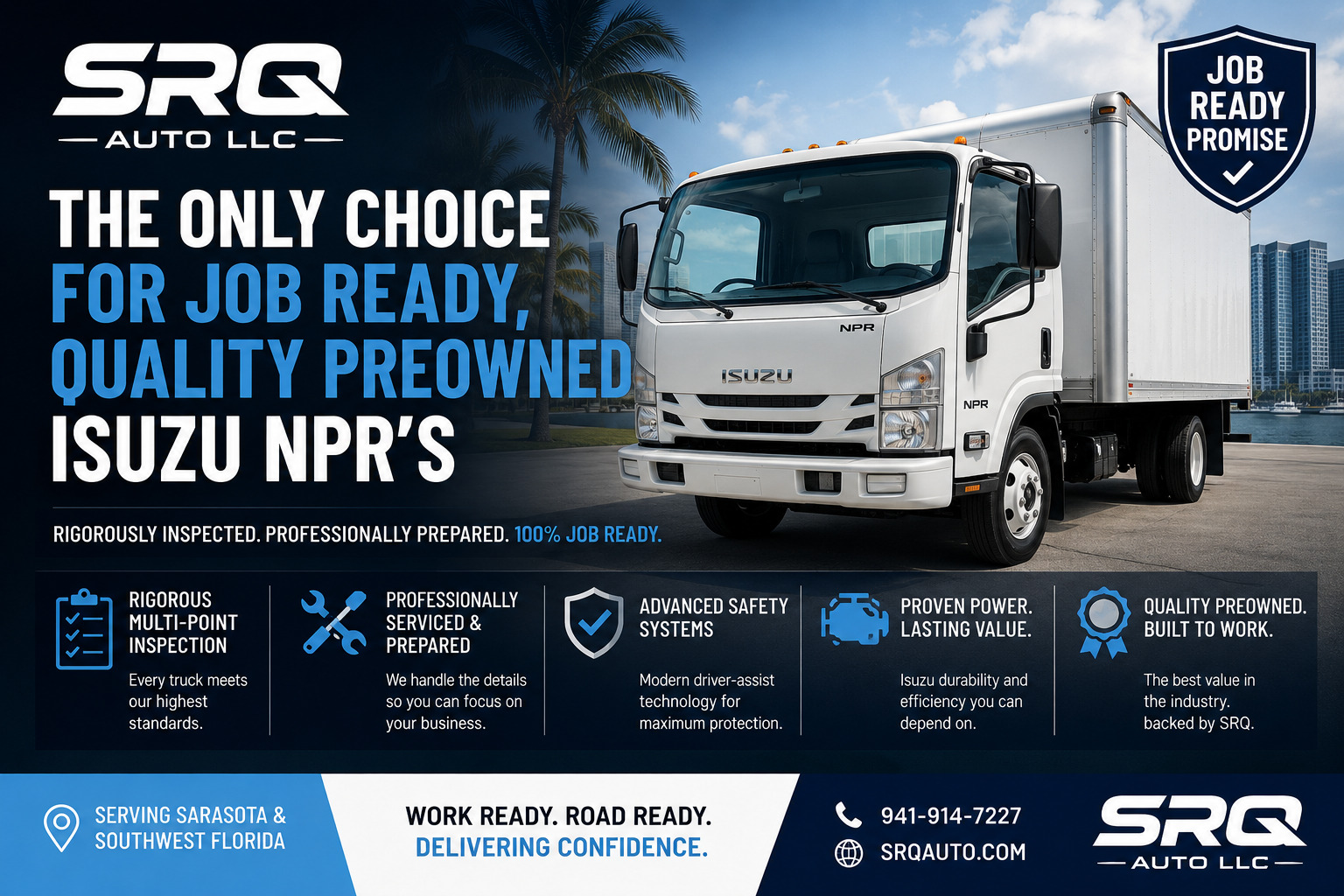
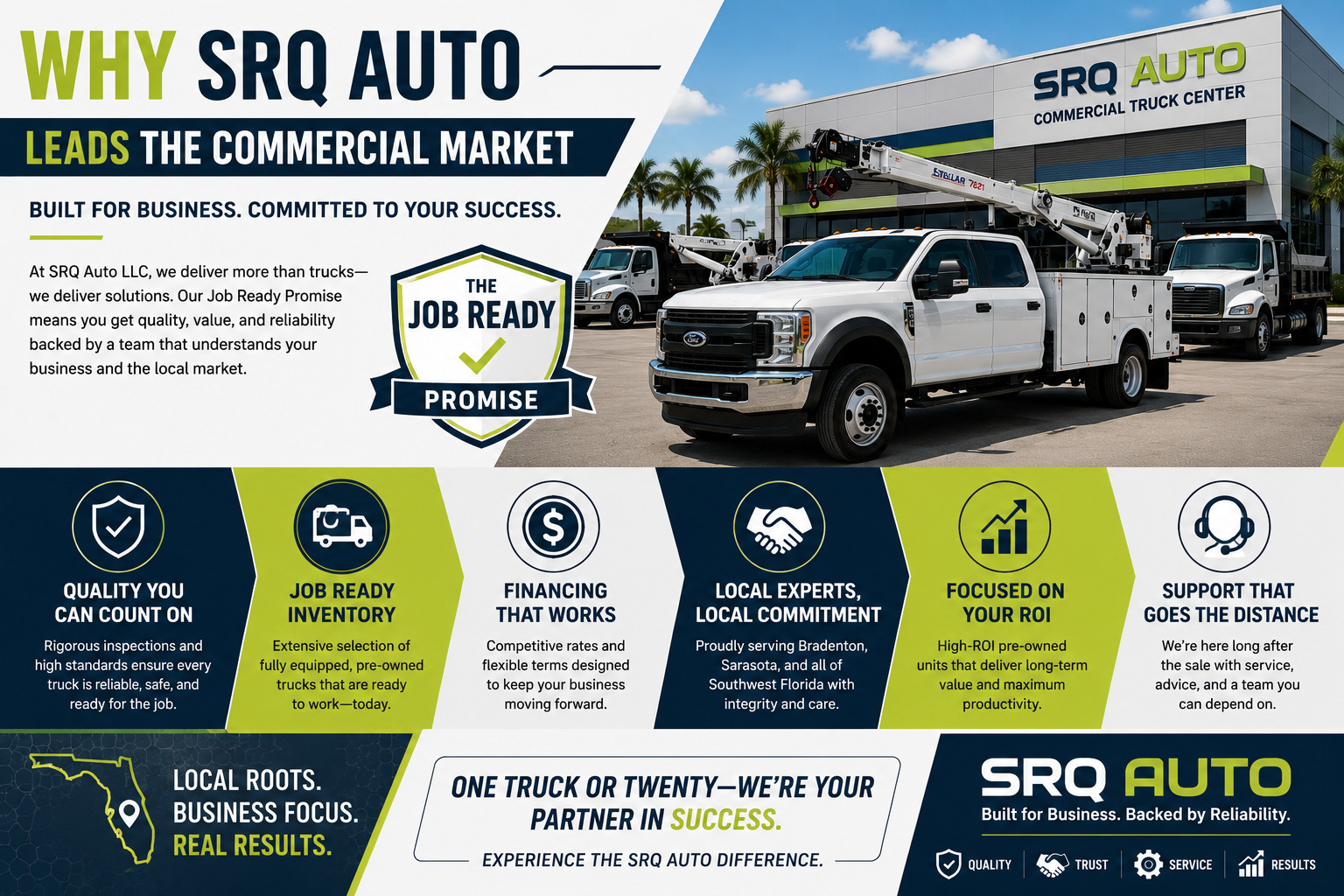
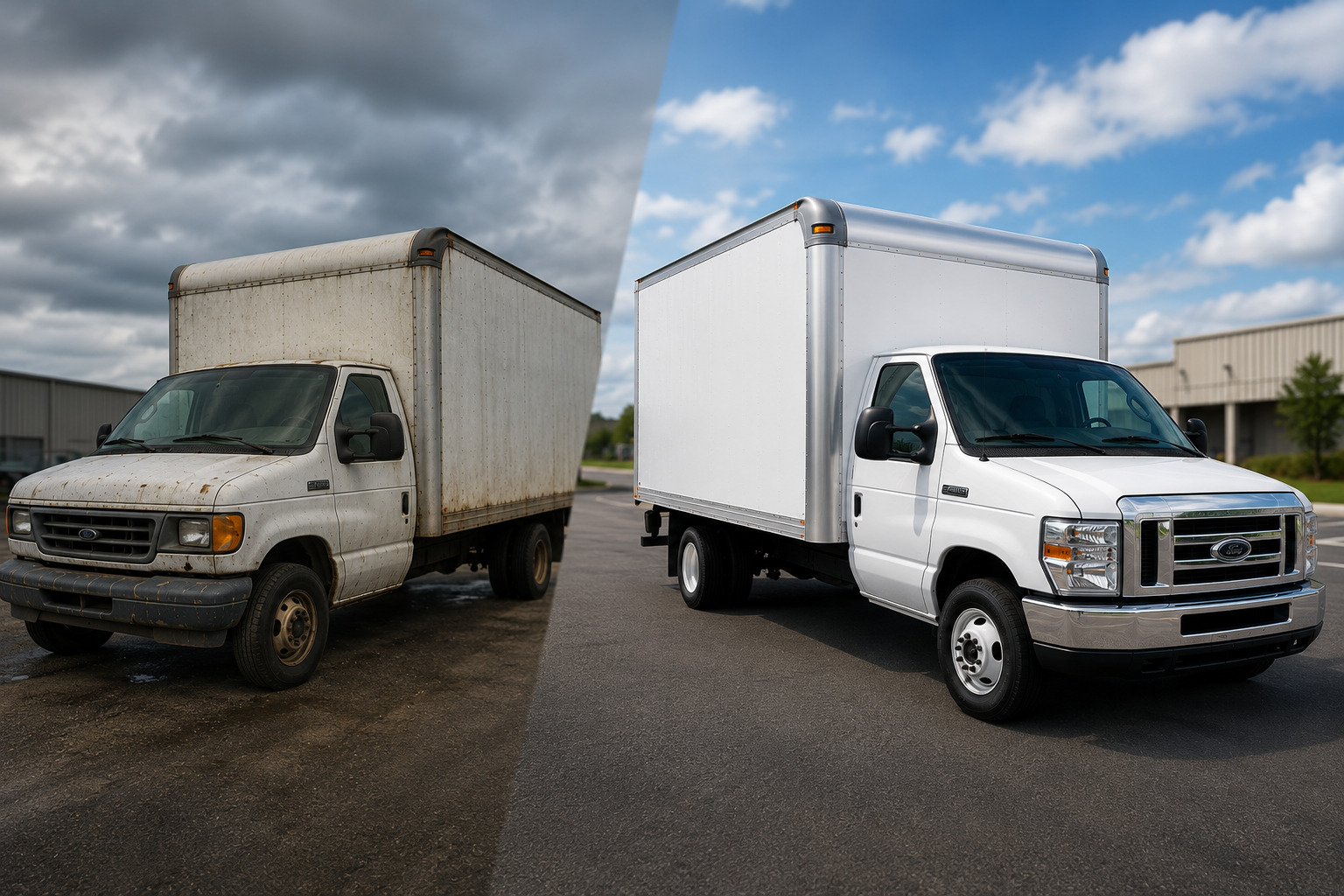
Every vehicle in our inventory undergoes a multi-stage mechanical restoration process before it receives our Job Ready Promise.

Stage 2: Comprehensive Mechanical Restoration

Next, we execute all required mechanical repairs. We replace worn heavy-duty brake pads, turn or replace rotors, install matched commercial-grade tires, and replace worn suspension components. We flush vital fluids, including transmission oil, engine coolant, and differential gear oil, using premium synthetic lubricants built for high-stress applications. We pressure-test the cooling loop, replace aging hoses and belts, and verify the alternator and battery capacity under full electrical loads, resolving minor issues before they can cause downtime.

How Savvy Fleets Compare One Vehicle’s Total Cost Against Another

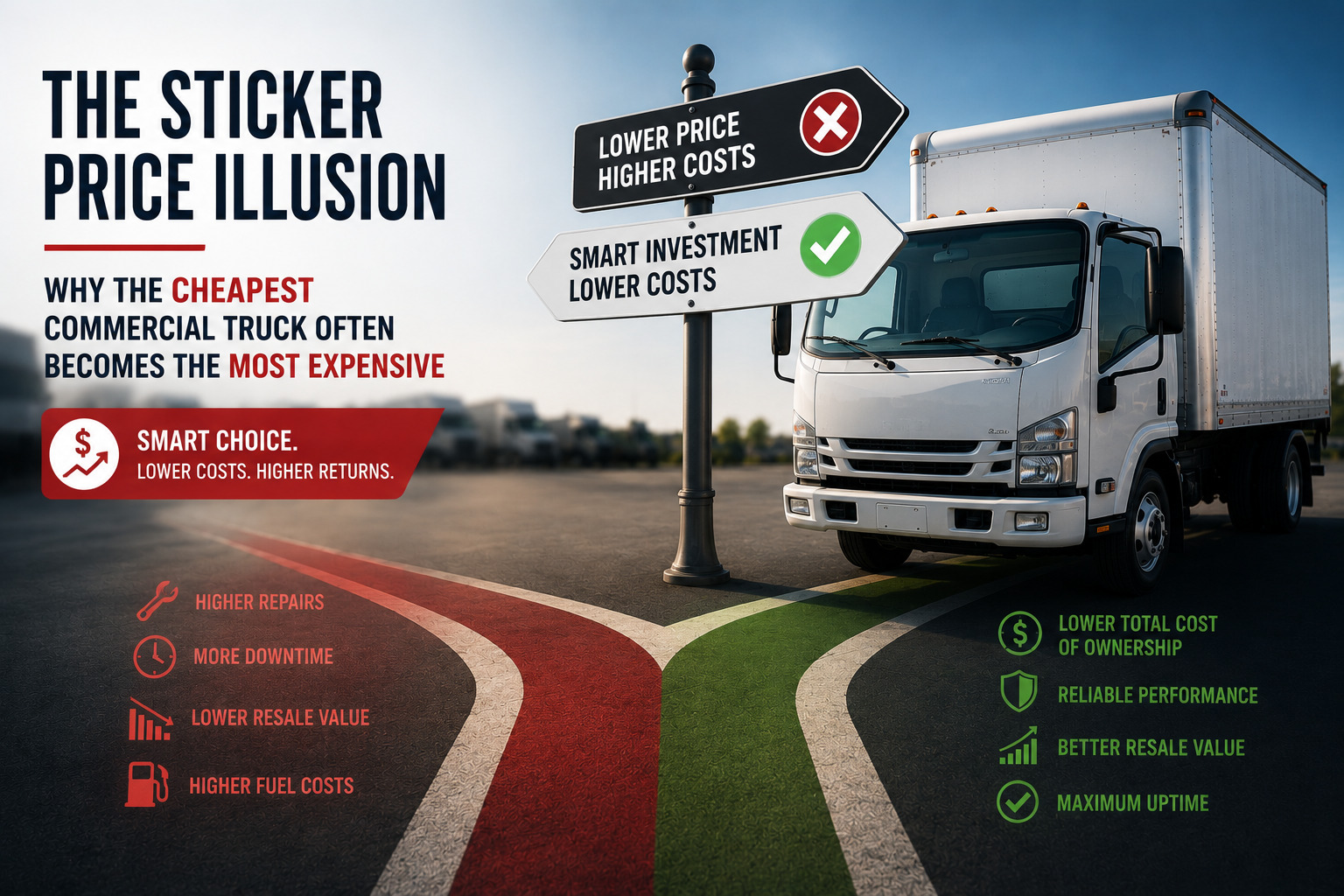
Experienced fleet operators and successful small businesses do not make purchasing decisions based solely on the upfront sticker price. Instead, they look at the Total Cost of Ownership (TCO) over the vehicle's operational lifespan. TCO calculations take into account the initial purchase price, immediate repair costs, expected preventative maintenance, fuel efficiency, insurance, and—most importantly—the cost of projected downtime.

Let's compare two scenarios to see how upfront reconditioning saves your business money. Imagine you are comparing a cheap, unconditioned work truck from an auction with a fully reconditioned commercial truck from SRQ Auto LLC. Both are identical makes, models, and years. Here is how the real math plays out over the first year of ownership.

Cost Element

Cheap Unconditioned Auction Truck

SRQ Auto Work-Ready Truck

Initial Purchase Price

$18,500

$21,500

Immediate Repairs (Tires/Brakes/Fluids)

$3,800 (Out-of-Pocket)

$0 (Completed During Recon)

Unexpected Breakdowns (First Year)

$2,400 (Suspension/Cooling)

$0 (Thoroughly Vetted)

Crew Downtime Costs (4 Days Total)

$3,600 (Idle Labor & Lost Revenue)

$0 (Active on Job Sites)

First Year Total Real Cost

$28,300

$21,500

Net Business Savings

-$6,800 Loss

$6,800 Saved + Peace of Mind

As the math clearly demonstrates, the 'cheaper' vehicle actually costs your business an extra $6,800 in its very first year of operation. By purchasing a vehicle that has already undergone professional, commercial-grade reconditioning, you avoid the headache of immediate mechanical breakdowns, protect your crew's daily productivity, and keep your cash flow predictable. Investing in quality upfront is always the most profitable decision for your fleet.

Visit SRQ Auto in Bradenton to Find Work-Ready Commercial Vehicles
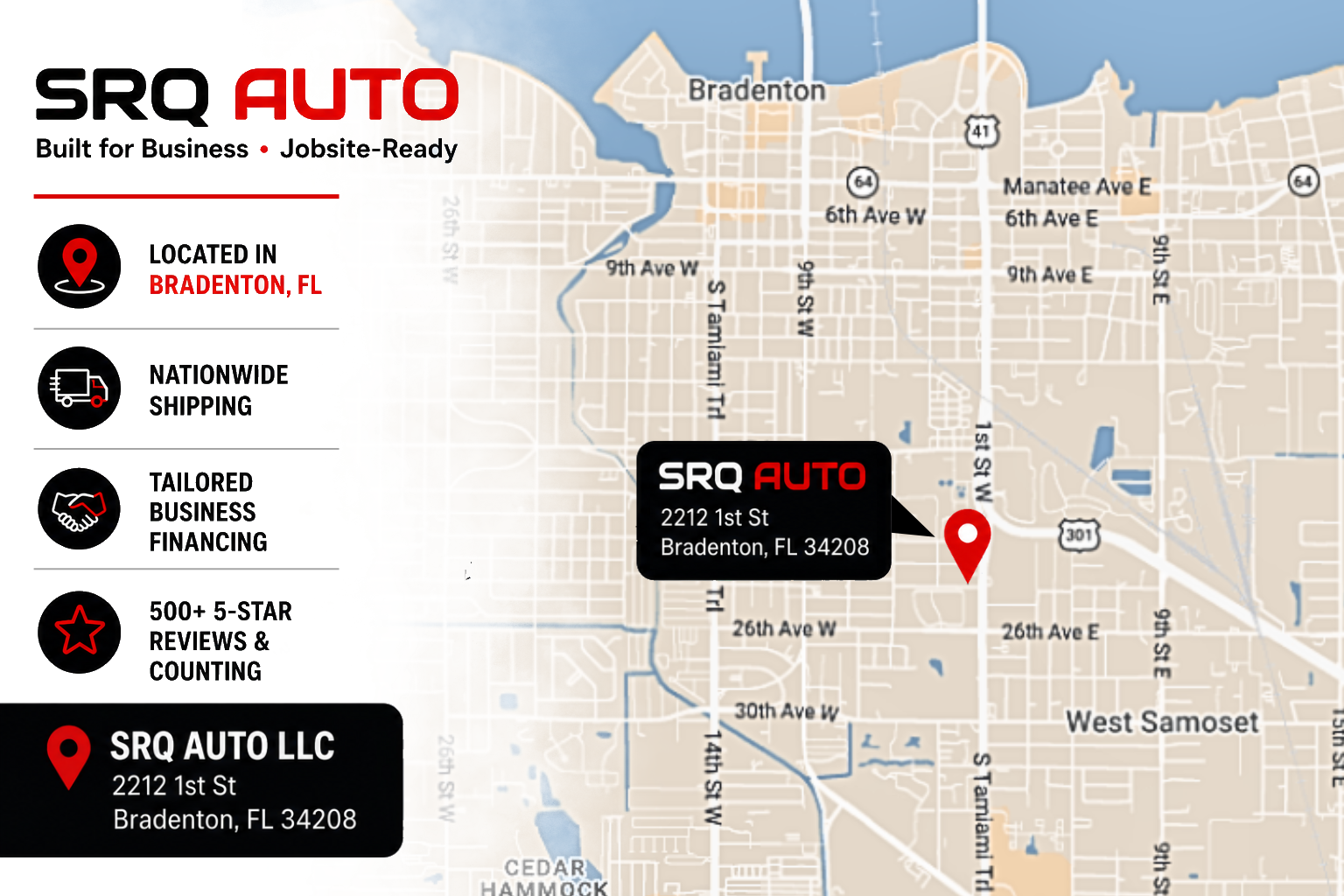
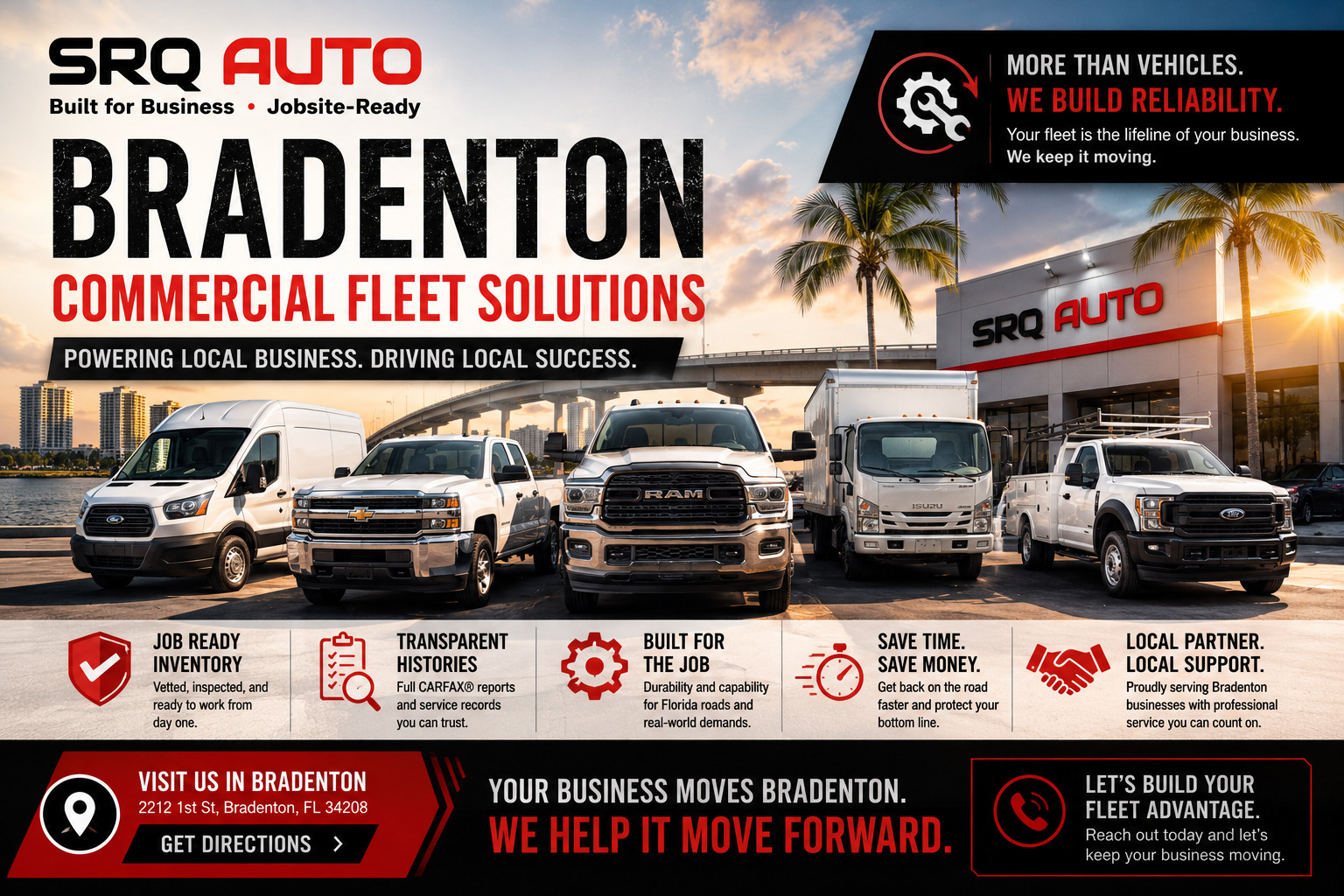
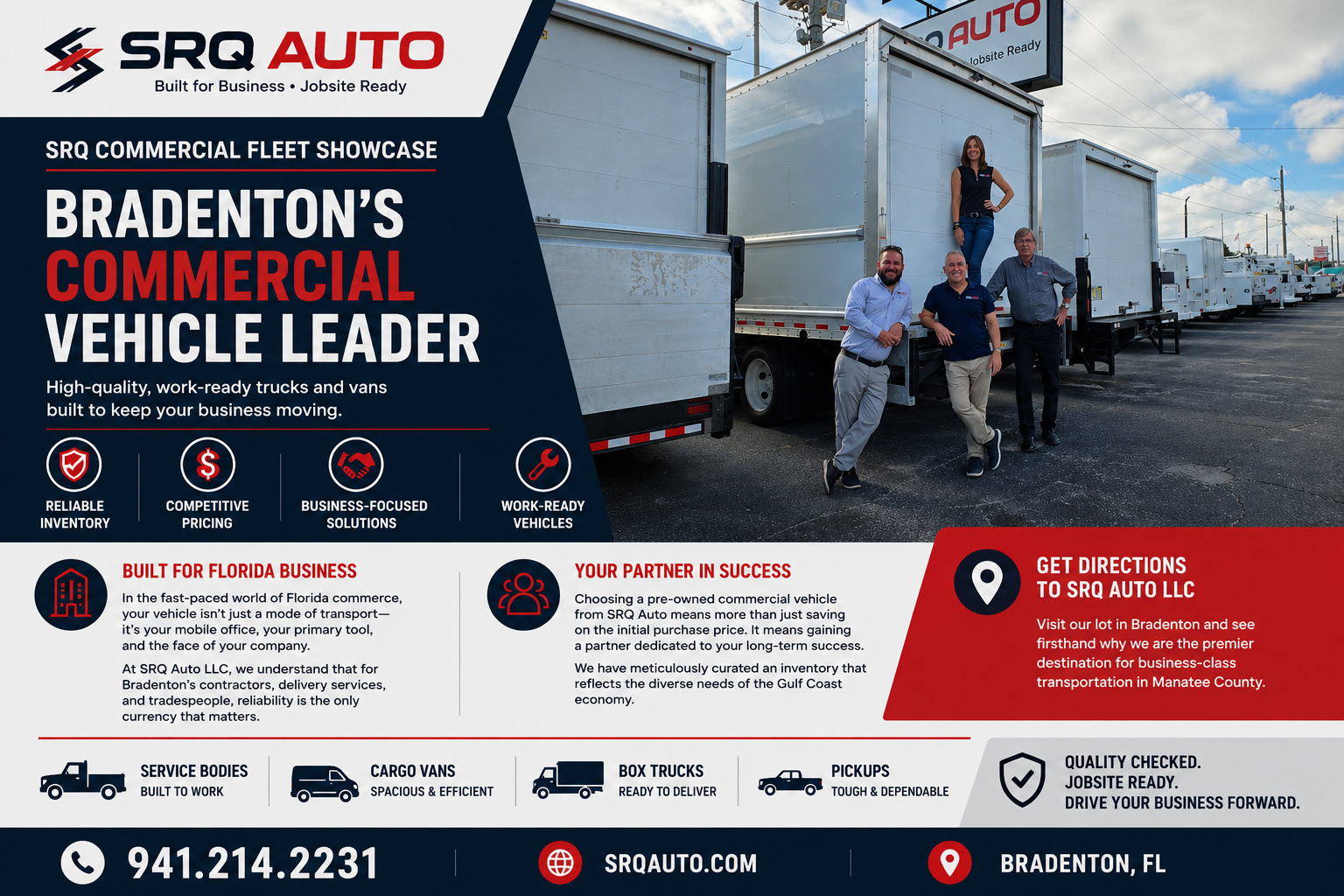
Finding the right commercial vehicle for your business should not be a stressful guessing game. At SRQ Auto LLC, we specialize in helping contractors, service providers, and fleet managers find highly reliable, work-ready trucks, vans, and specialty commercial vehicles that are prepared to go straight to the job site. Located at 2212 1st St, Bradenton, FL 34208, our dealership is easily accessible to business owners throughout Bradenton, Sarasota, Lakewood Ranch, and the surrounding Southwest Florida areas.
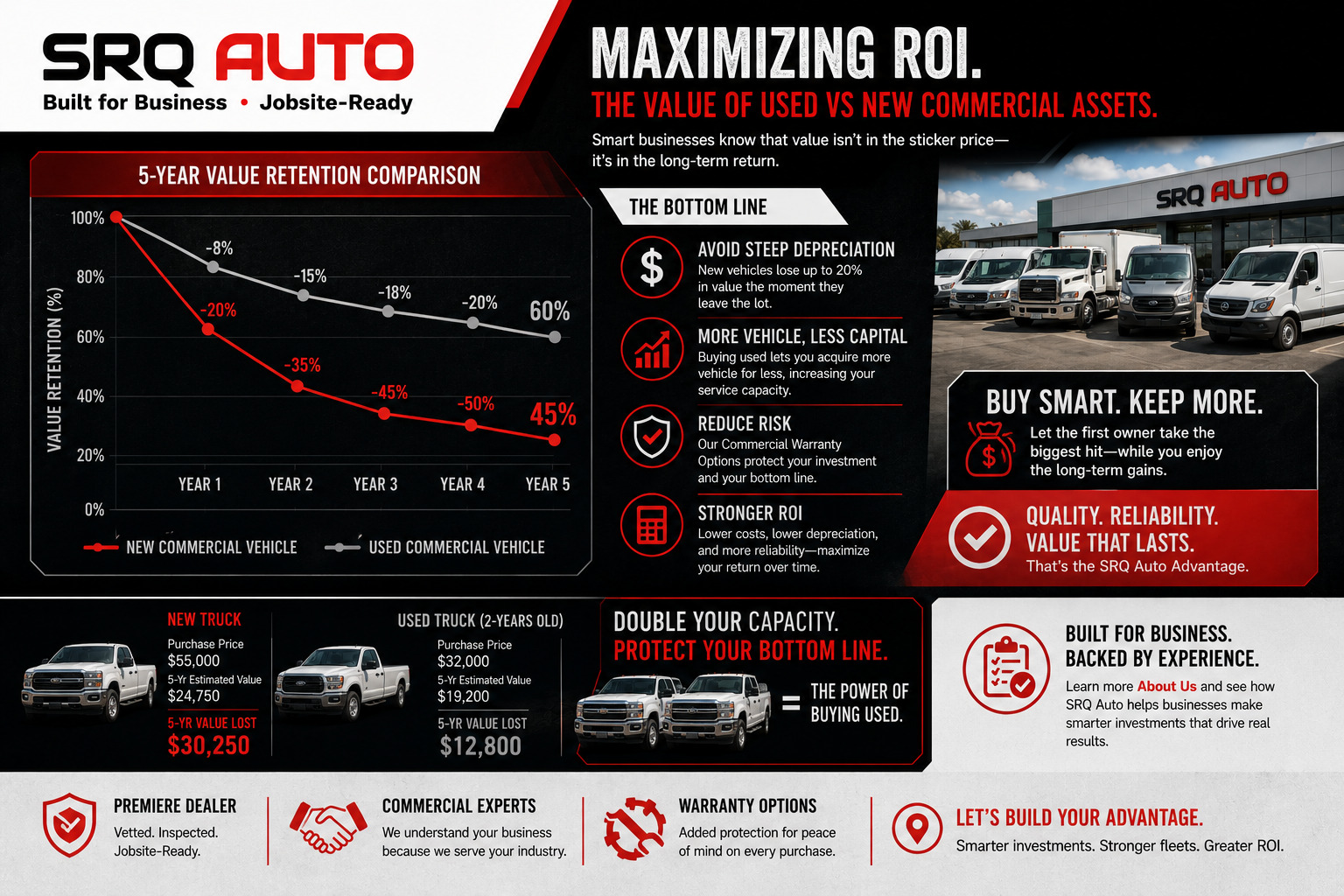
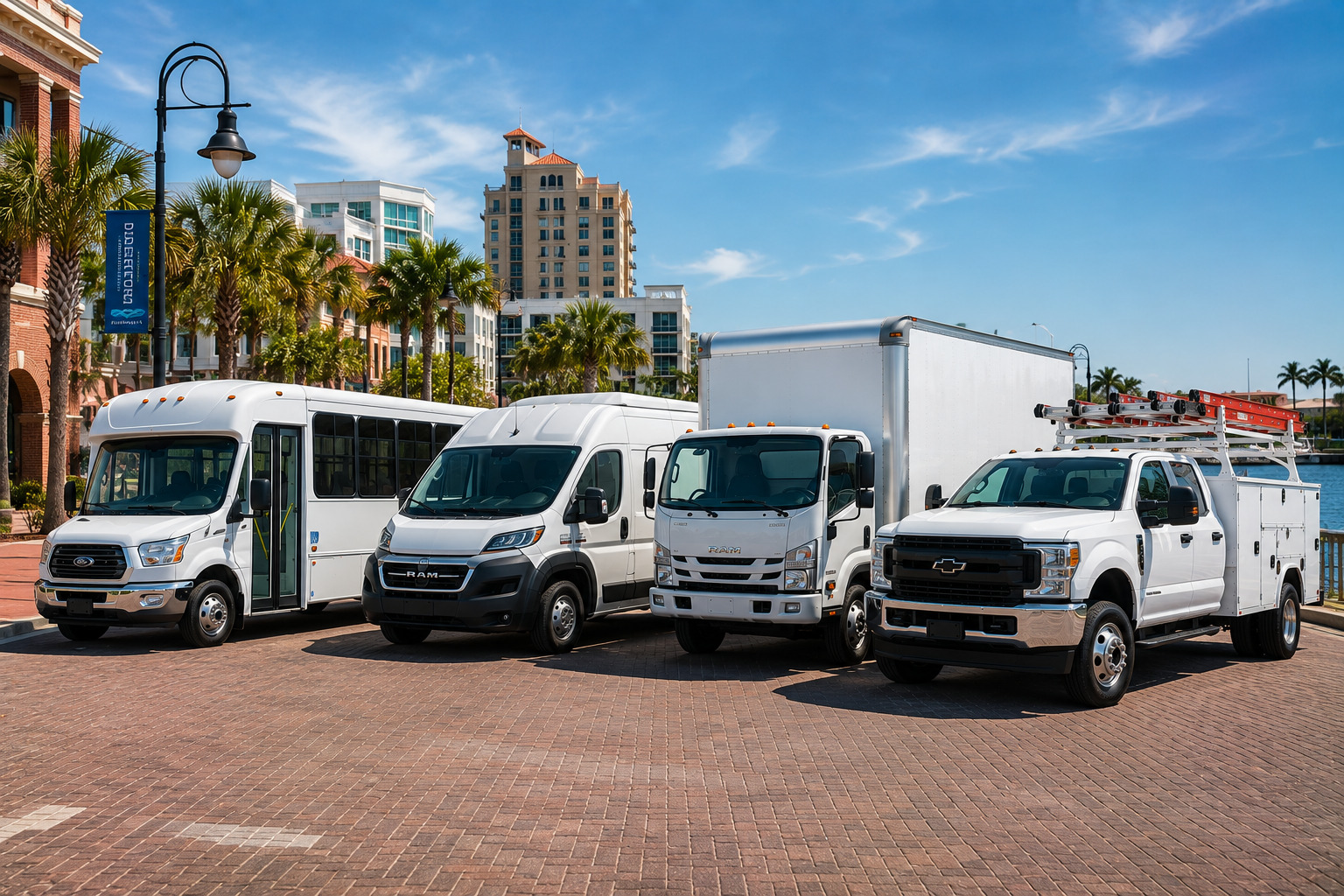
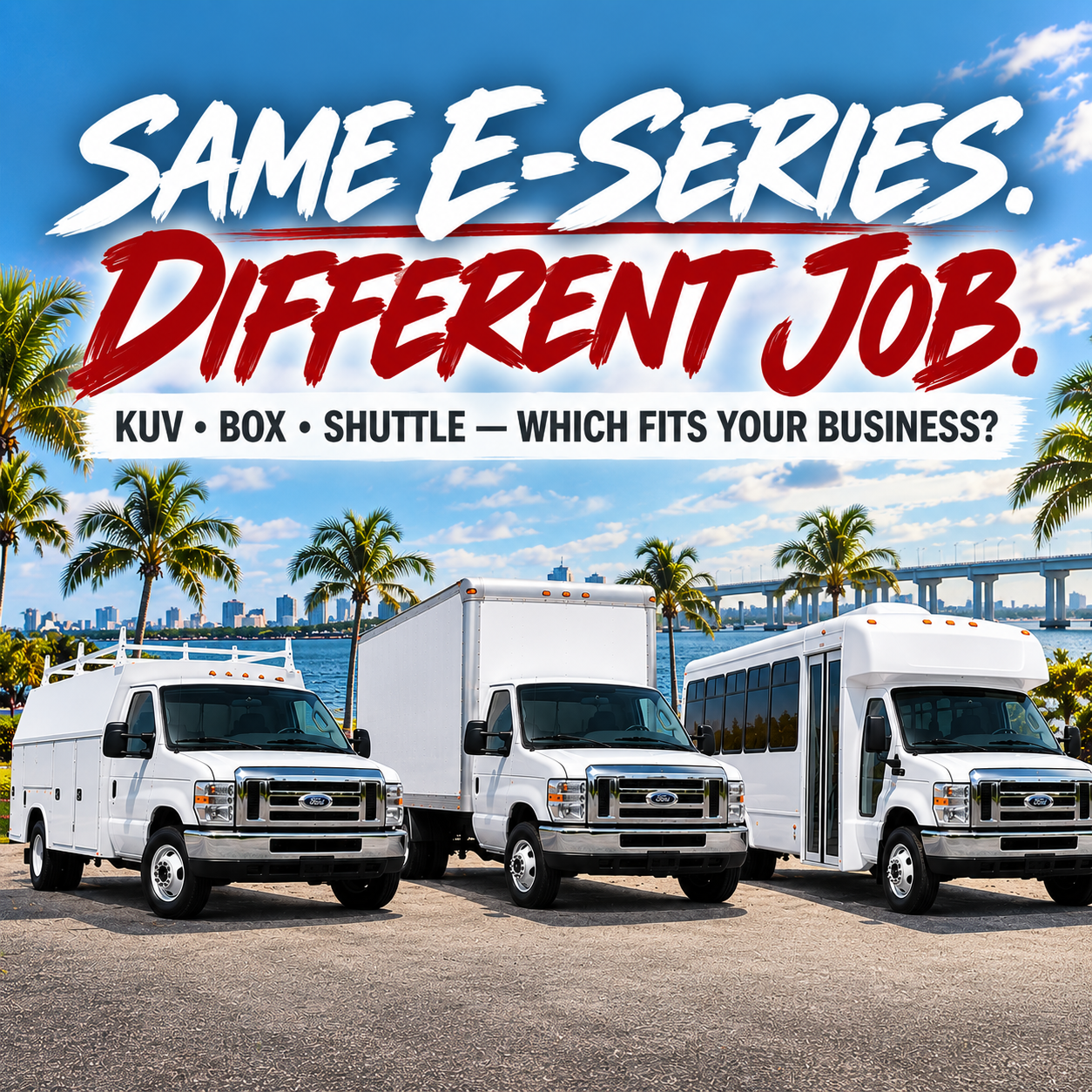
We invite you to visit our physical location, inspect our reliable inventory firsthand, and speak with our commercial vehicle experts. Our team can walk you through our detailed reconditioning records, demonstrate the specific mechanical checks we perform on every unit, and show you our specialized inventory options, including Used Box Truck Inventory, Used Shuttle Bus Inventory, and Used Service Truck/Van Inventory. You can also view our Recent Deliveries to see how we help businesses locally and nationwide.

To plan your visit, you can Get Directions to SRQ Auto LLC directly via Google Maps. If you have questions about specific vehicle availability, commercial specs, or financing options, please feel free to Call us at (941) 214-2231 to speak directly with our team.

SRQ Auto LLC
2212 1st St, Bradenton, FL 34208
Phone: (941) 214-2231
Proudly serving Bradenton, Sarasota, Lakewood Ranch, and shipping nationwide.

Keep Your Business Moving with Reliable Commercial Vehicles from SRQ Auto LLC

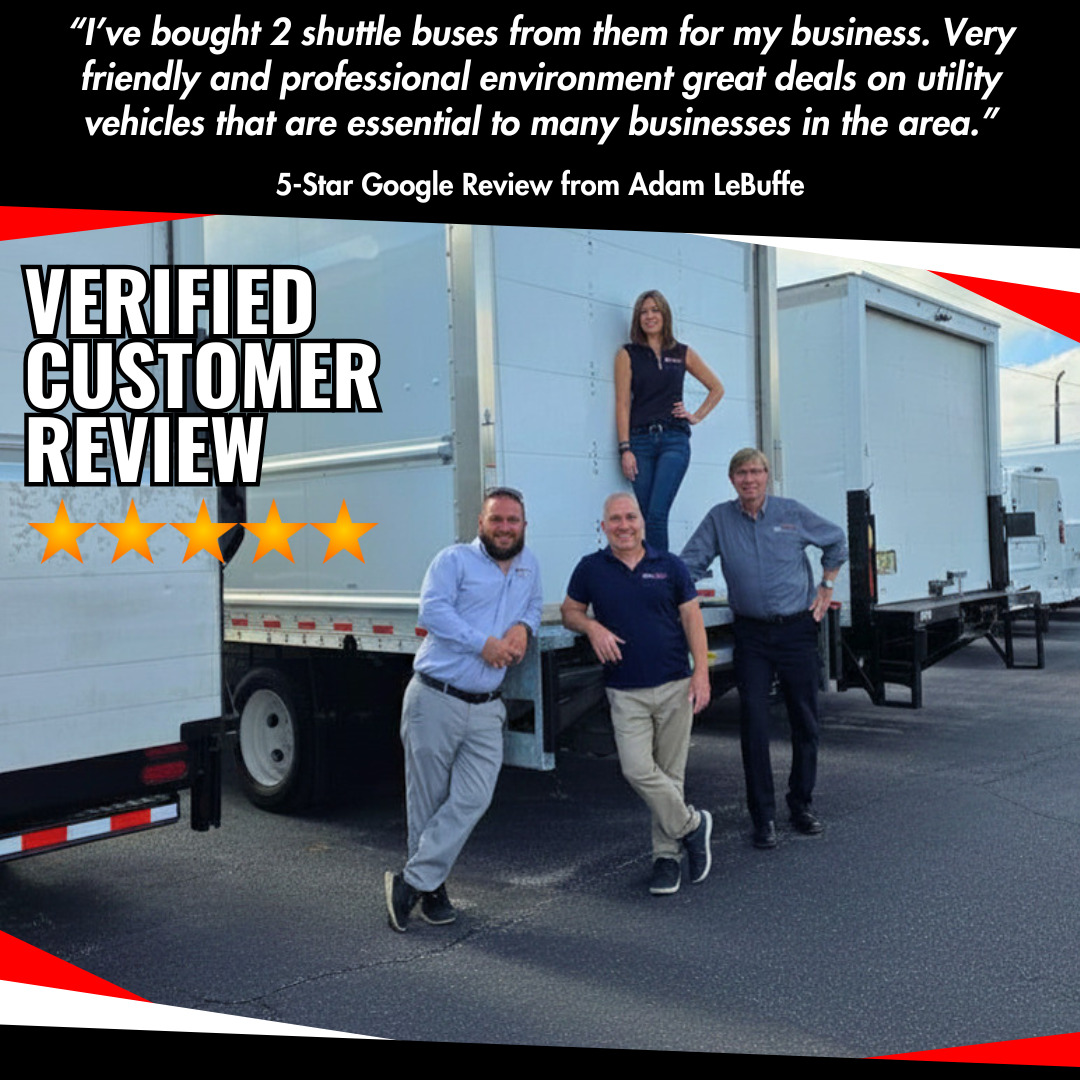
At SRQ Auto LLC, we know your business depends on vehicles that are ready to perform from day one. That's why every commercial vehicle we sell is thoroughly inspected, serviced, reconditioned, and backed by our Job Ready Promise. From cargo vans and utility trucks to box trucks, shuttle buses, and heavy-duty pickups, we specialize exclusively in commercial vehicles built to keep businesses moving. With transparent vehicle histories, commercial financing, nationwide shipping, and over 500 five-star Google reviews, we've earned the trust of contractors, fleet operators, municipalities, and business owners across the country. Whether you're purchasing one vehicle or expanding an entire fleet, SRQ Auto delivers dependable, work-ready solutions that help your business stay productive. Do not gamble your business's valuable operational time on unconditioned auction vehicles—explore our work-ready commercial inventory today or apply online to secure your next reliable business asset.