Choosing the Best Commercial Vehicles for HVAC Companies in Southwest Florida

Used HVAC Service Trucks: Choosing the Right Body for Your Crew
The right HVAC service truck should fit the way your crew works, not simply the equipment it can hold. A technician handling diagnostic calls needs a different setup from an installation crew carrying replacement units and larger materials. Before buying, compare tool access, compartment dimensions, loading space, ladder storage and the payload remaining after the body and equipment are installed. An open service body, enclosed KUV or upfitted cargo van can each make sense when its configuration matches the job. SRQ Auto helps commercial buyers in Bradenton, Sarasota and throughout Florida evaluate those details alongside the vehicle’s condition and preparation. This guide explains how to choose a used HVAC work vehicle that supports your daily workflow and presents your business professionally.
Browse Current Service Trucks and Utility Vehicles
Start With the Calls Your Crew Handles
Picture a normal workday before comparing trucks. Where does the technician reach for gauges, fittings and diagnostic tools? What comes out at almost every stop? Which larger items only travel on installation days? The answers help separate useful storage from compartments that merely look impressive in a photograph.
A vehicle for routine service calls may prioritize organized parts storage and quick access. An installation vehicle may need more room for packaged equipment, materials and additional crew members. A mixed-duty truck needs a workable balance, with capacity verified for its heavier days.
- Service and diagnostics: Compare compartments or shelving against your actual tool cases, recovery equipment and commonly carried parts.
- Replacement and installation: Measure the larger loads, identify the loading method and account for their weight.
- Crew work: Confirm appropriate seating for the people traveling with the truck, then account for occupants in its working load.
Do not assume every truck in the fleet must have the same body. Different crews can have different assignments, and a used vehicle’s existing upfit only adds value when it supports yours.
Open Service Body, Enclosed KUV or Cargo Van?
Open Service Body: Exterior Access and an Open Center Bed
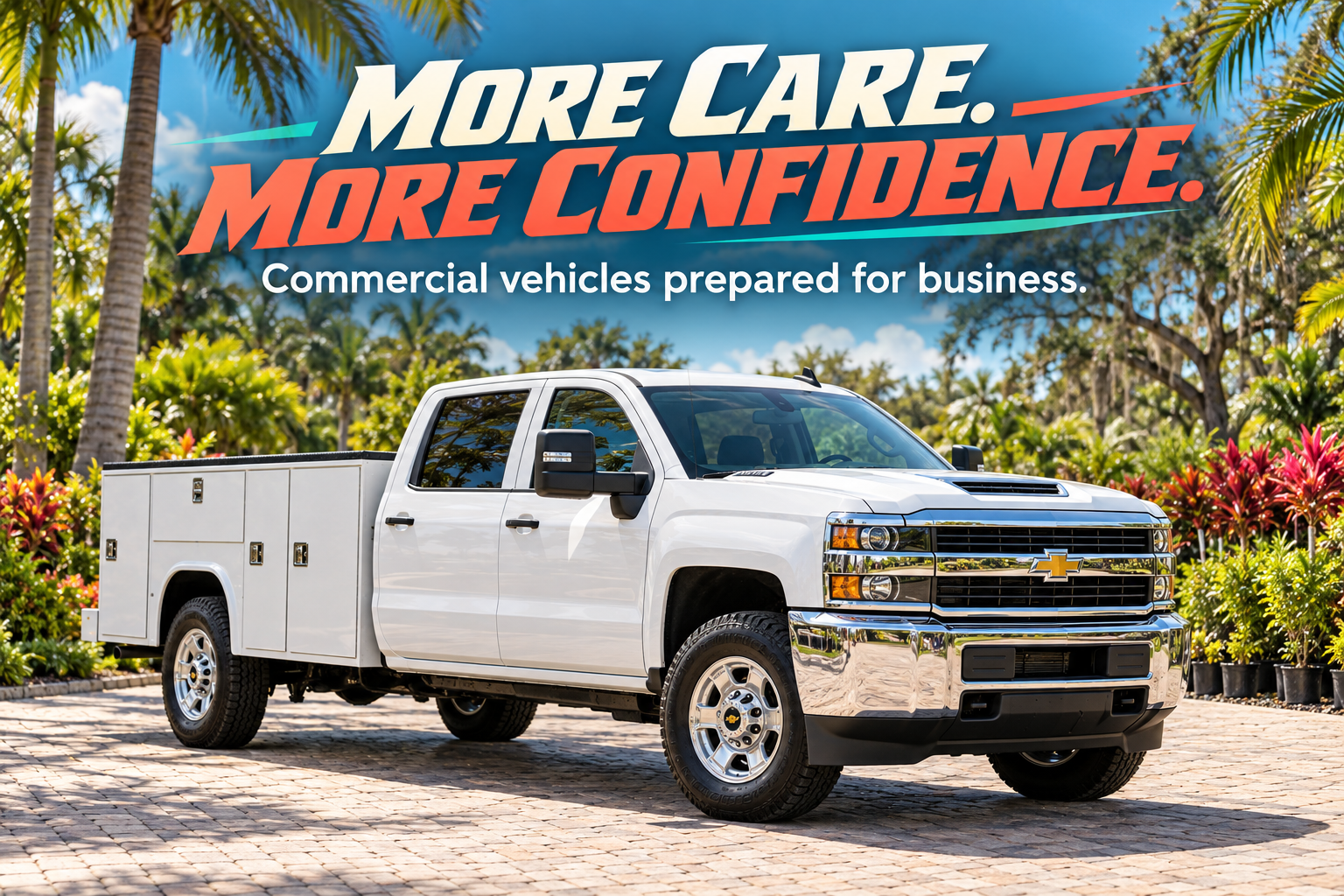
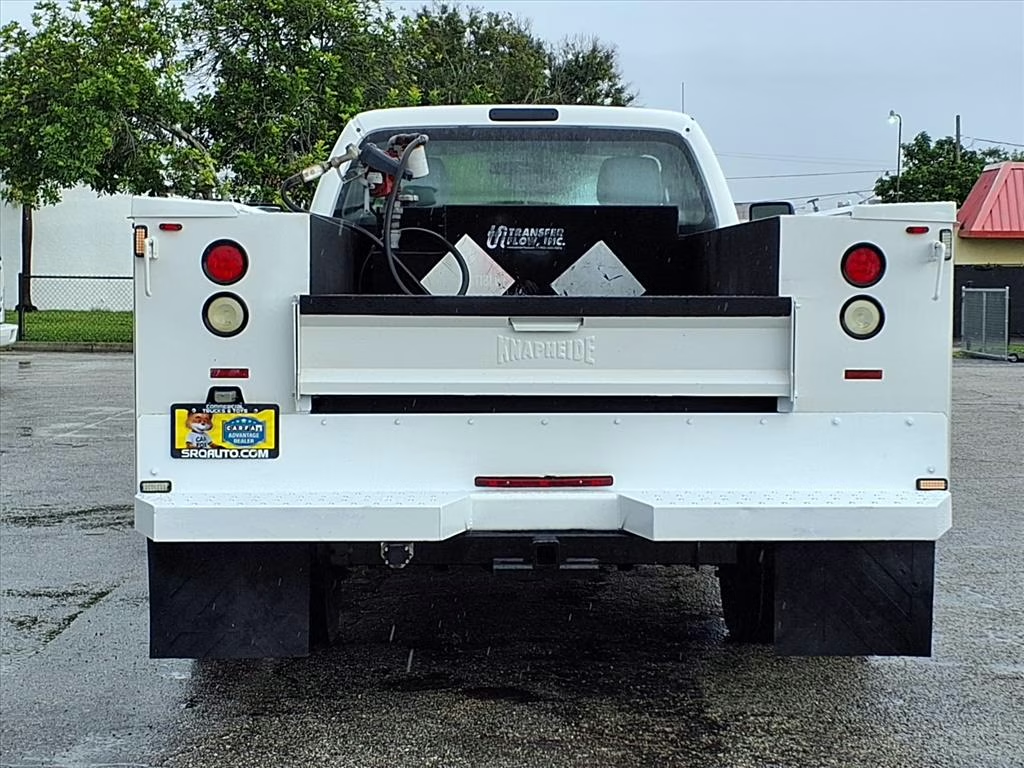
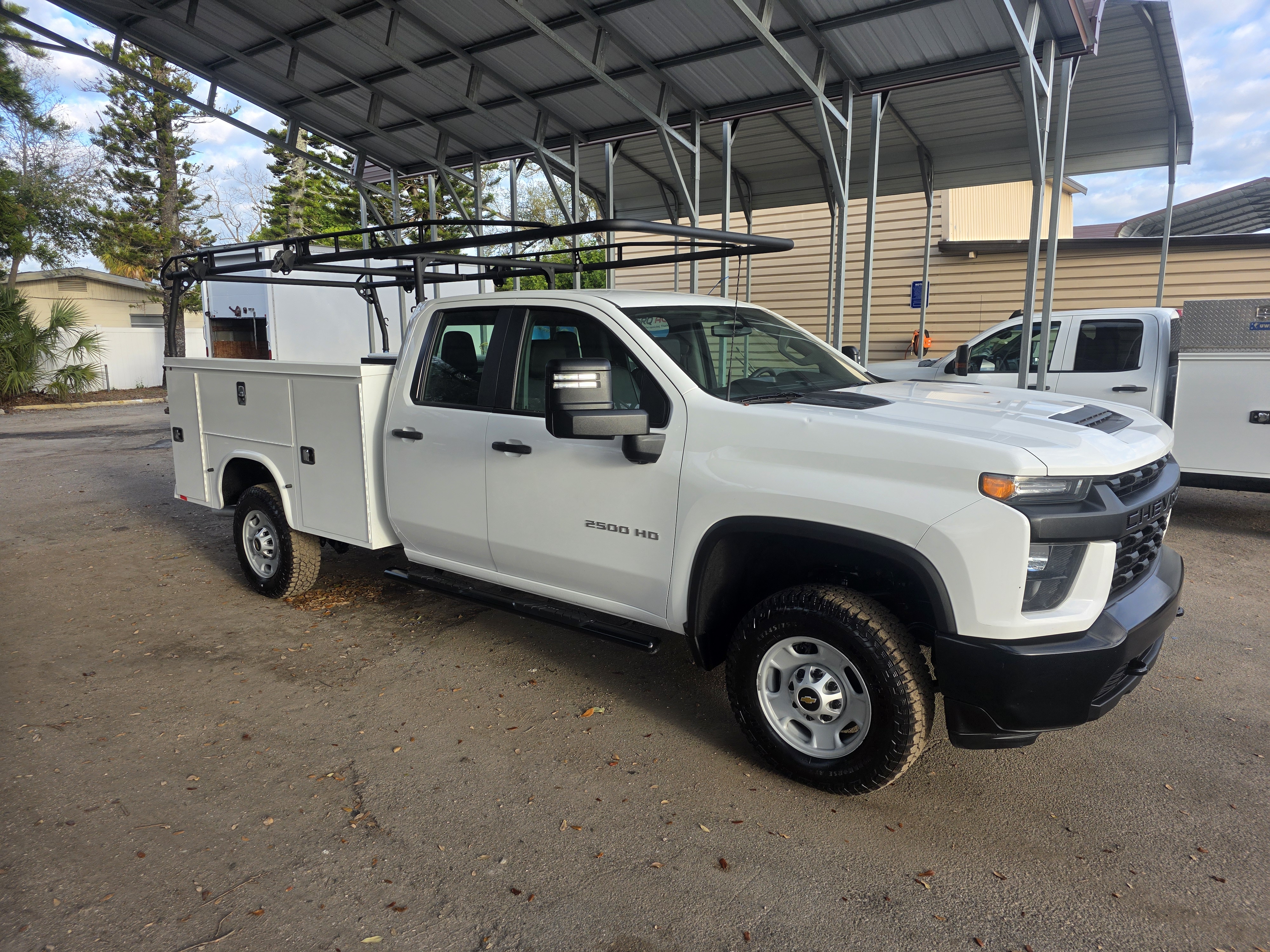
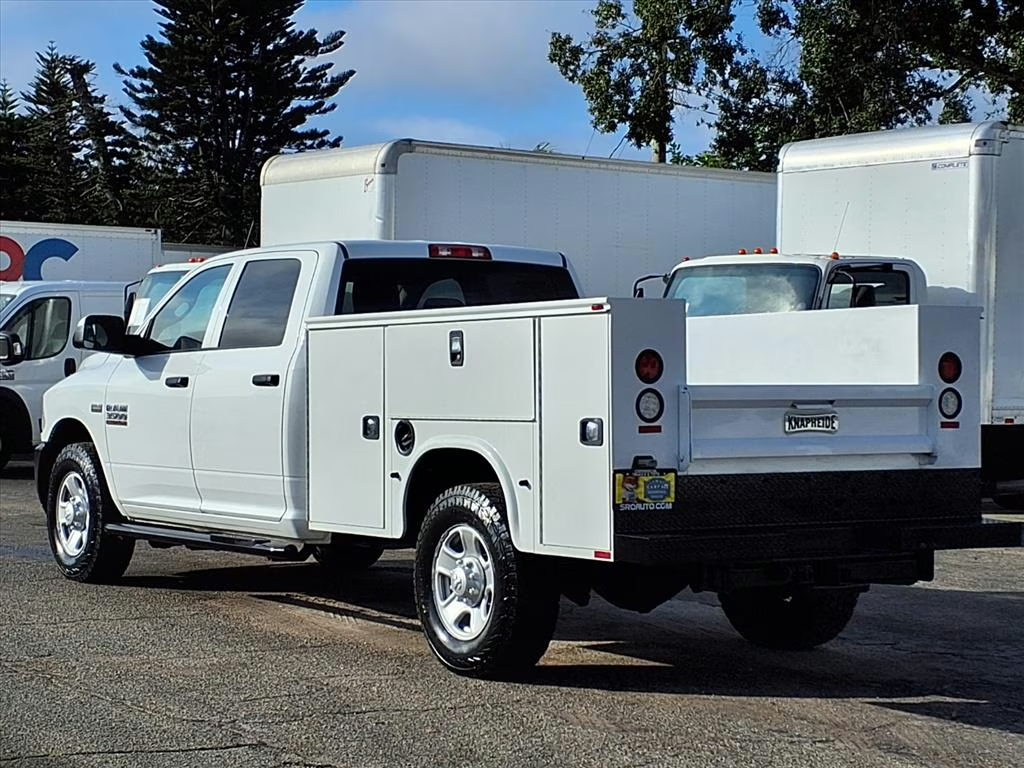
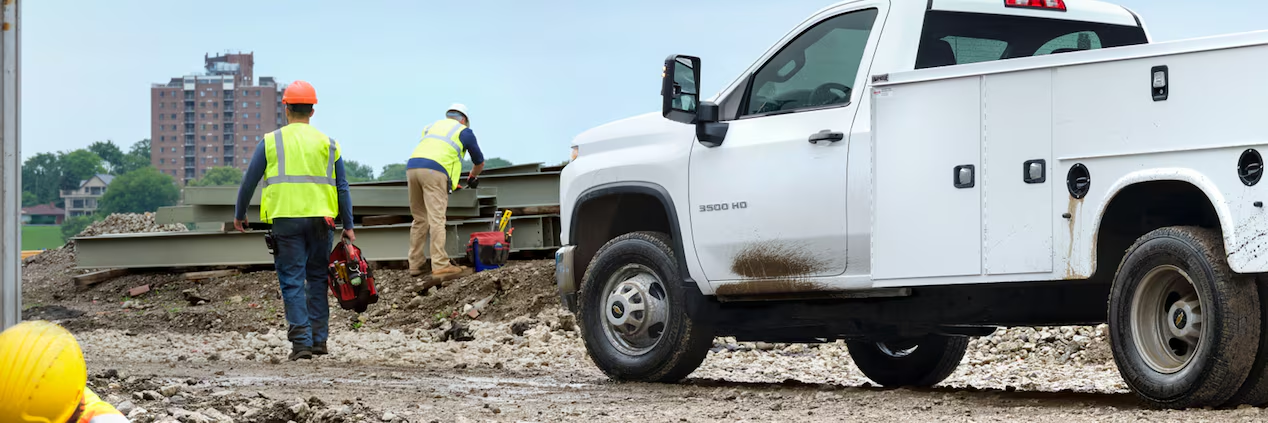
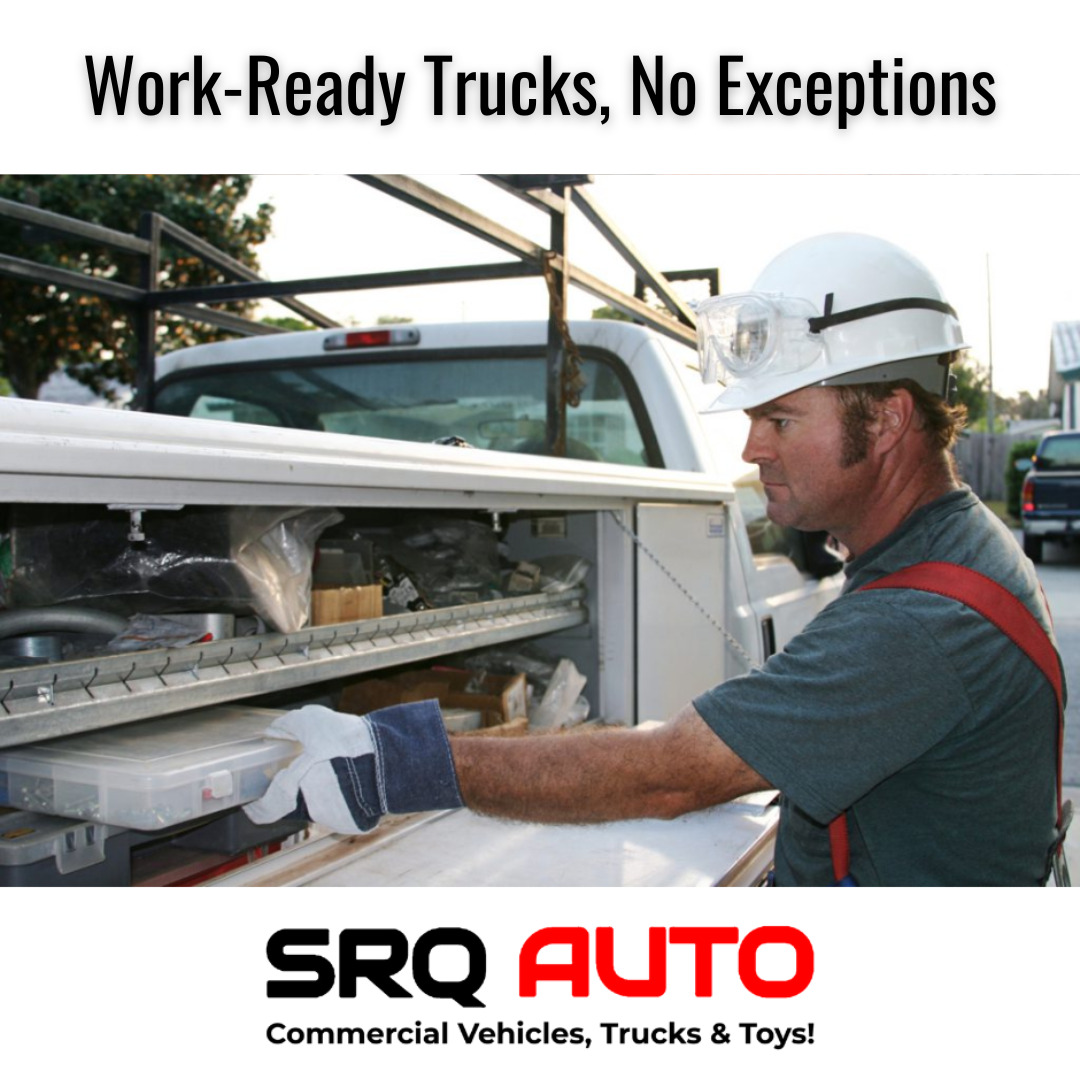
A conventional service or utility body provides exterior compartments for tools and supplies, with an open center area for other cargo. This can work well when technicians repeatedly access small items and the crew also carries larger equipment.
Check compartment openings, shelf heights, bed dimensions and rack clearance. An open bed is not automatically large enough for every replacement unit, and a tall ladder rack can affect the loading approach. Verify weather protection and securement for what you carry.
Enclosed KUV: Compartments Plus Protected Center Space
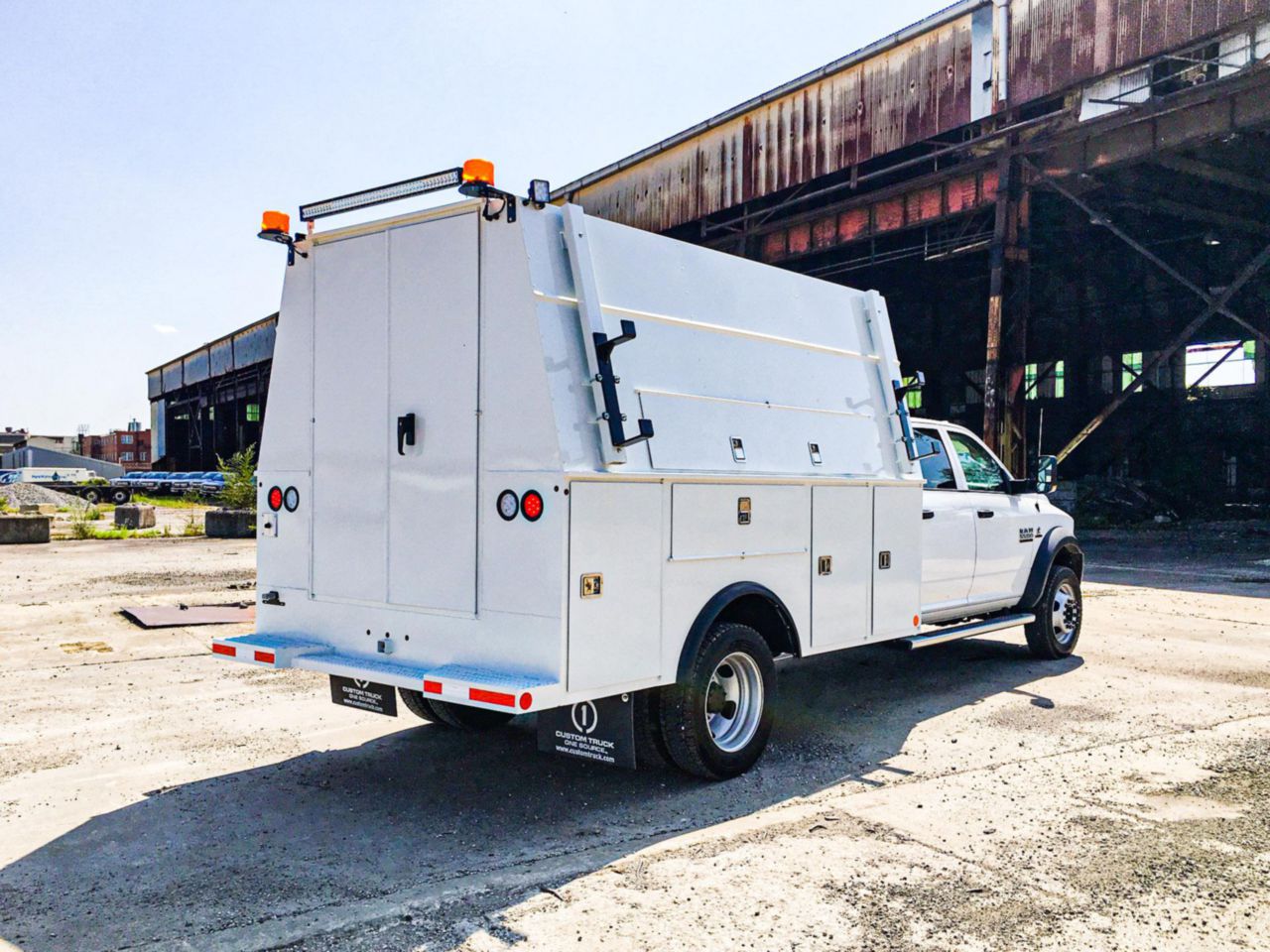
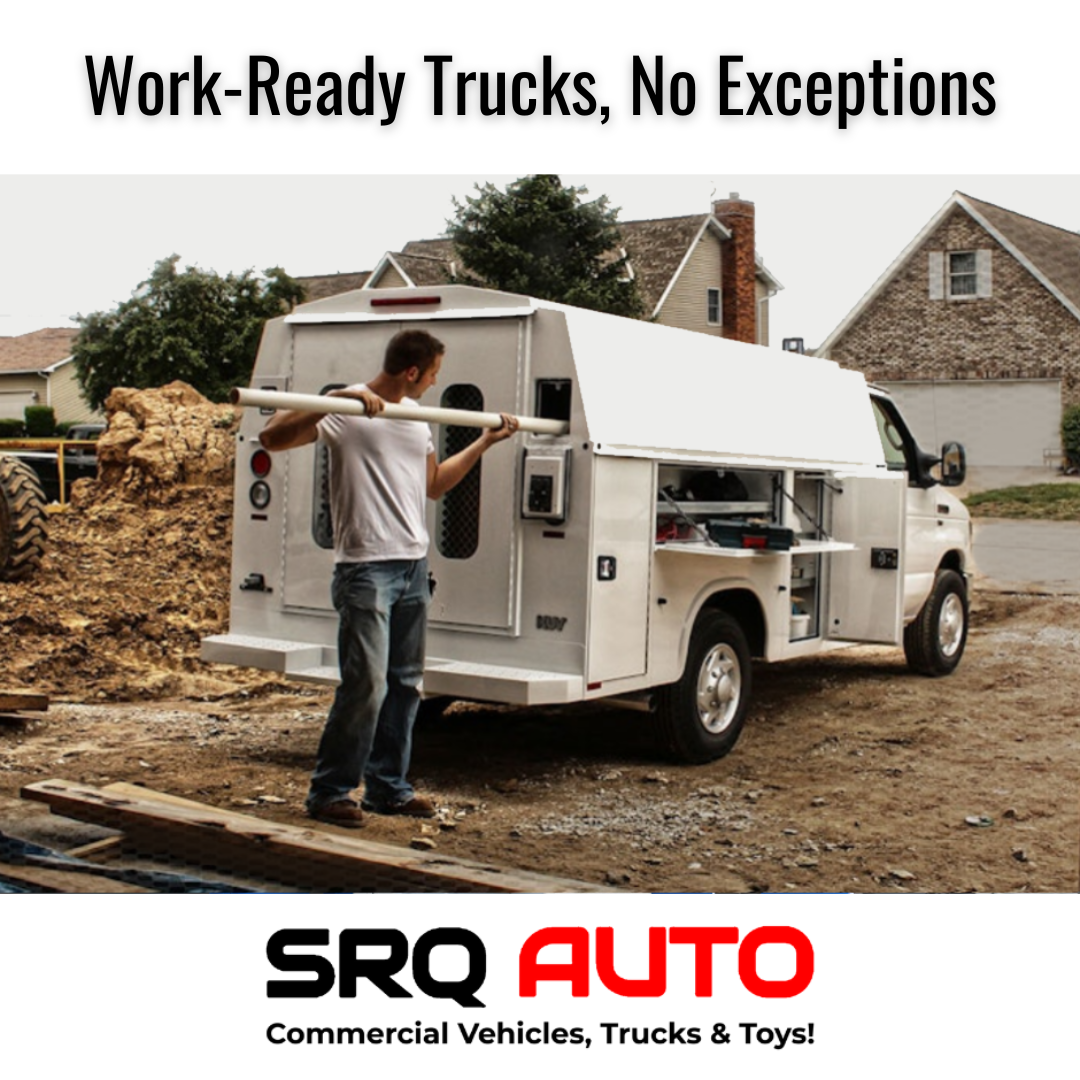
A KUV-style body combines exterior service compartments with enclosed center cargo space. For an HVAC business, that can provide organized access to smaller items while keeping other tools or equipment inside.
Walk through the actual configuration. Check interior height, rear-door opening, shelving, floor condition and space remaining after the upfit. An enclosed cargo area is not automatically climate-controlled; verify any installed ventilation or climate equipment separately.
Upfitted Cargo Van: Organize the Interior Around the Technician
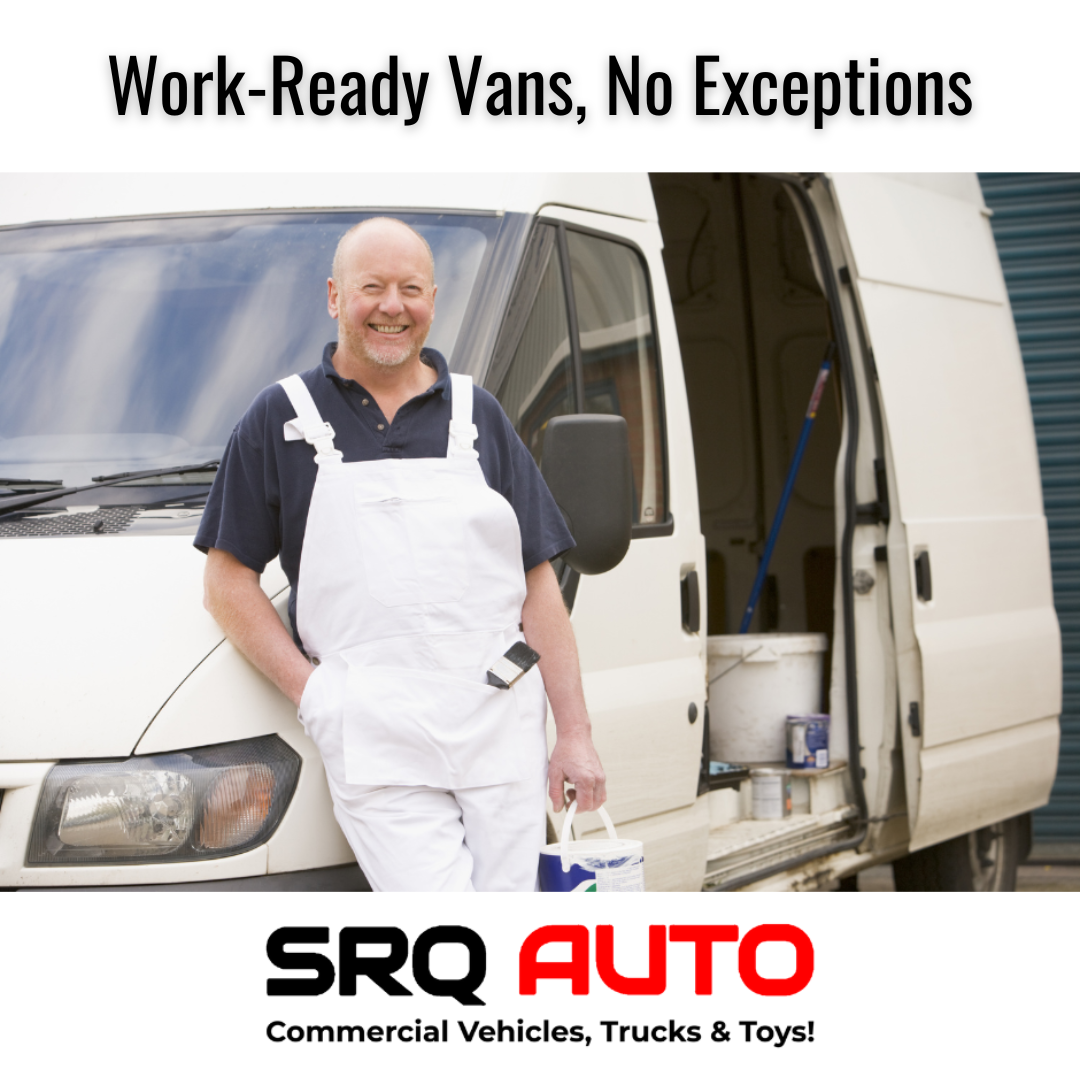
A cargo van can suit a technician who wants enclosed shelving and a central workspace. Roof height, partitions, ladder racks and the location of frequently used tools influence how useful that space is.
Look at the actual van rather than assuming a particular model always offers the right layout. Existing shelves can be an advantage, but they may also limit the opening or floor space needed for larger equipment.
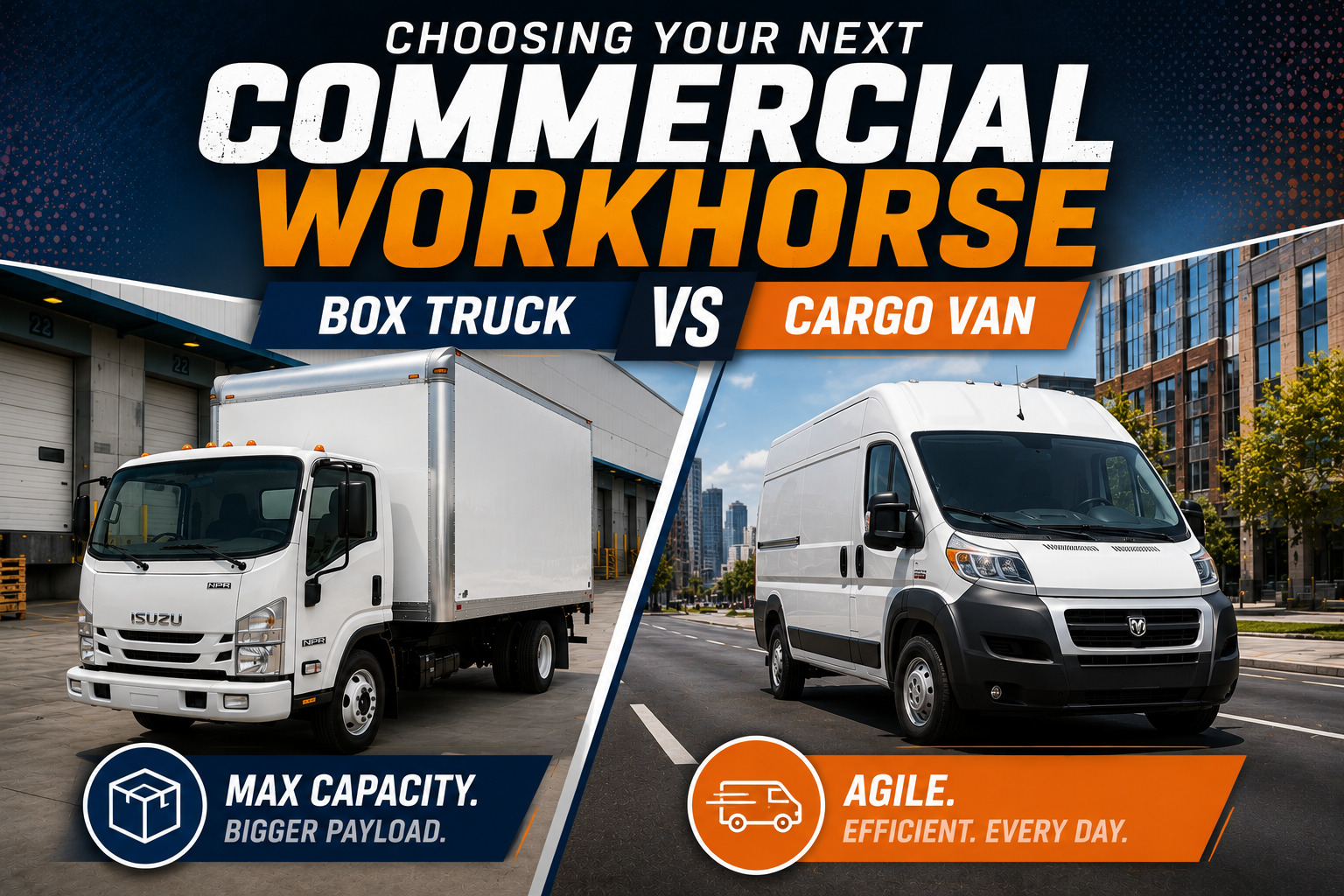
For a broader comparison, read Cargo Van or Service Body Truck: Which Is Better for Your Trade?. Our Service Body Truck Buying Guide explains general body-selection considerations.
Measure the Equipment Before Choosing the Truck
Bring the dimensions of your most demanding regular loads—not just a list of tool names. Measure packaged equipment as it will be transported, including packaging and any handling needs.
- Does the equipment fit through the actual rear opening or between the body sides?
- Can it be loaded and removed without interfering with shelves or racks?
- Are suitable mounting and securement arrangements present?
- Does the truck retain sufficient capacity for the equipment, tools and crew together?
- Will the completed vehicle fit the driveways, parking spaces and height restrictions on your routes?
There is no universal answer based on an F-250, F-350, Ram 2500 or Silverado badge. Cab, wheelbase, body and installed equipment change the vehicle’s working configuration.
Payload Includes More Than the Replacement Unit
The body, racks, shelves, installed accessories, occupants, tools and supplies all contribute to the working load. Cargo space can look generous even when usable carrying capacity is limited.
Verify the specific completed vehicle’s ratings and weight. Account for axle and tire limits as well as GVWR, and consider an actual scale weight when the operation will work near capacity. A chassis brochure’s maximum payload figure may describe a different configuration.
For the calculation in more detail, see Service Body Truck Payload: How Much Can You Actually Carry After the Upfit?.
Inspect the Body as Carefully as the Chassis
A dependable work vehicle needs more than a good-looking cab. Review available service history and mechanical condition, then evaluate the commercial body separately.
- Compartments: Check doors, hinges, latches, locks and seals, plus evidence of water entry.
- Storage: Inspect shelves, drawers and their mounting points.
- Body and floor: Look for damage, corrosion, previous repairs and worn cargo areas.
- Racks and accessories: Check condition, mounting and suitability for the intended use.
- Cab: Evaluate seats, controls, visibility and A/C operation.
Ask what has already been addressed and what remains. Transporting specialized equipment or cylinders also requires appropriate handling and securement for your operation; an existing rack alone does not establish compliance.
Why SRQ Auto’s Reconditioning Matters to an HVAC Business
Your truck arrives at customers’ homes and businesses before your technician starts work. Clean compartments, a well-prepared interior and professional body condition help it represent your company appropriately.
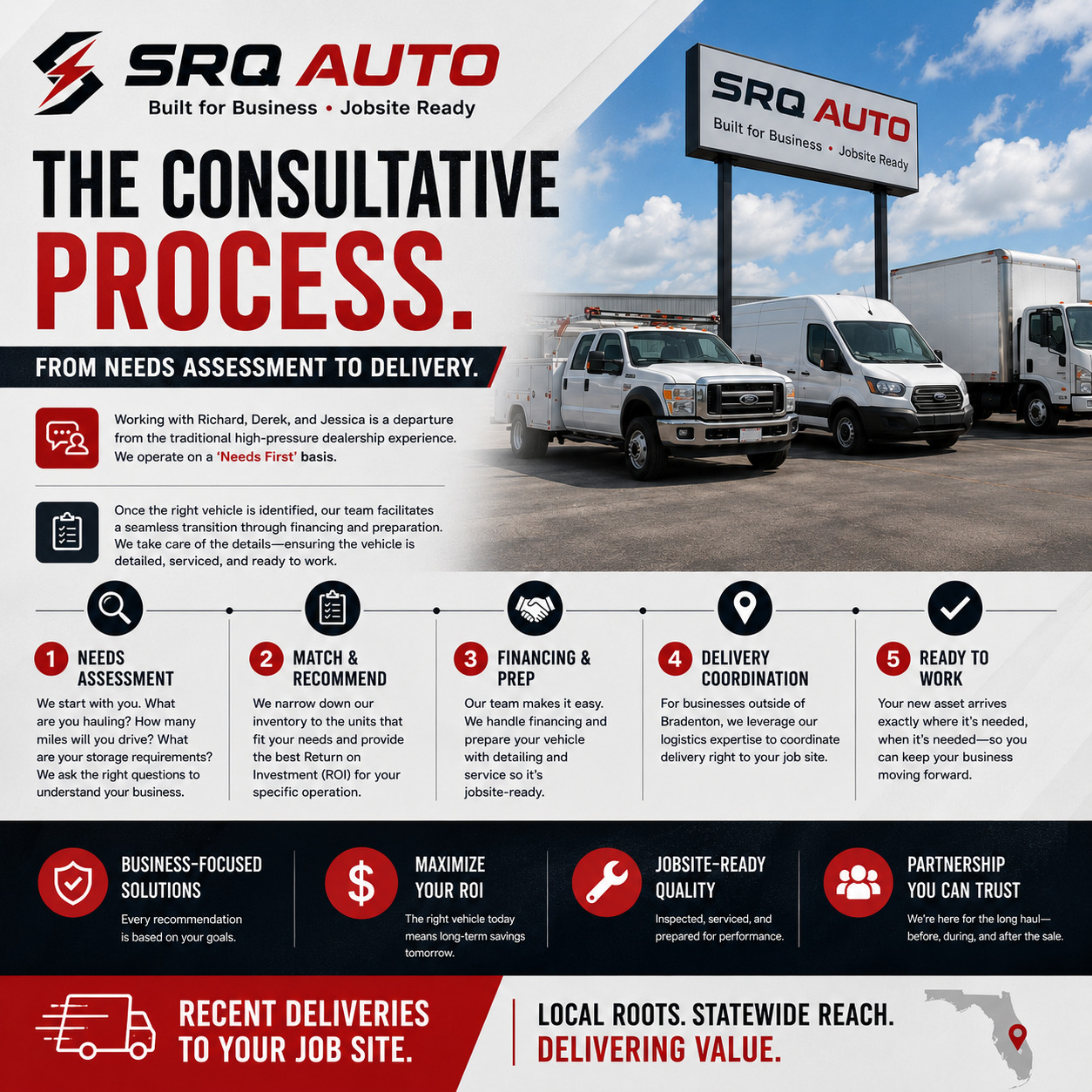
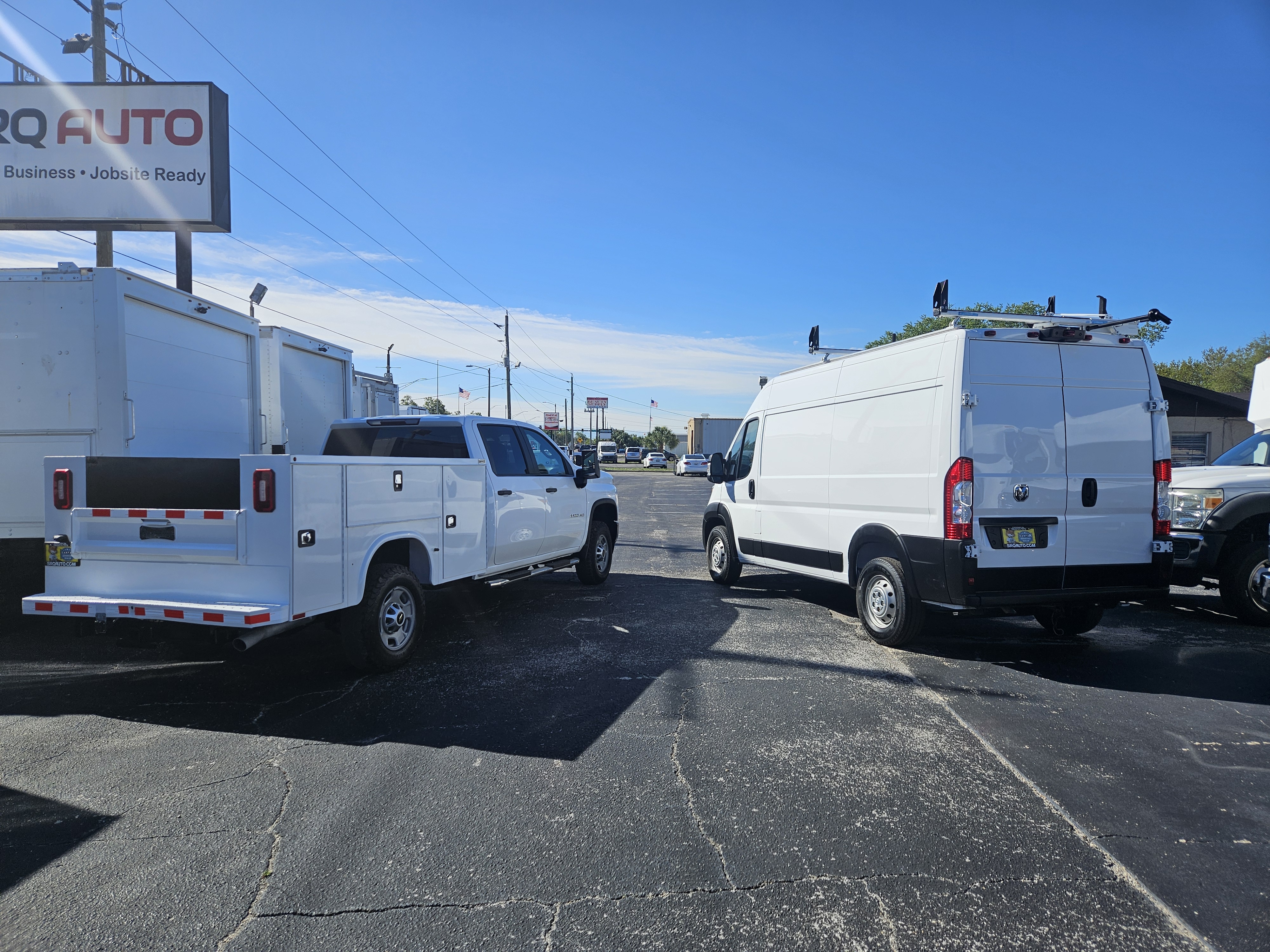
SRQ Auto invests substantial time, labor and money in commercial-vehicle preparation. Our employees understand service bodies, KUVs, cargo vans and other upfits, so preparation goes beyond a quick wash and detail.
Depending on the vehicle’s needs, work may include mechanical inspection and service, tires, windshields or upholstery, frame and body refinishing, compartment cleaning, fresh paint or Raptor Liner treatments, and inspection of doors, lighting and installed equipment.
The goal is a professional-looking, Job Ready vehicle that requires less immediate preparation before entering your business. Ask about the work completed on the individual truck; not every vehicle needs every service, and normal maintenance remains part of ownership.
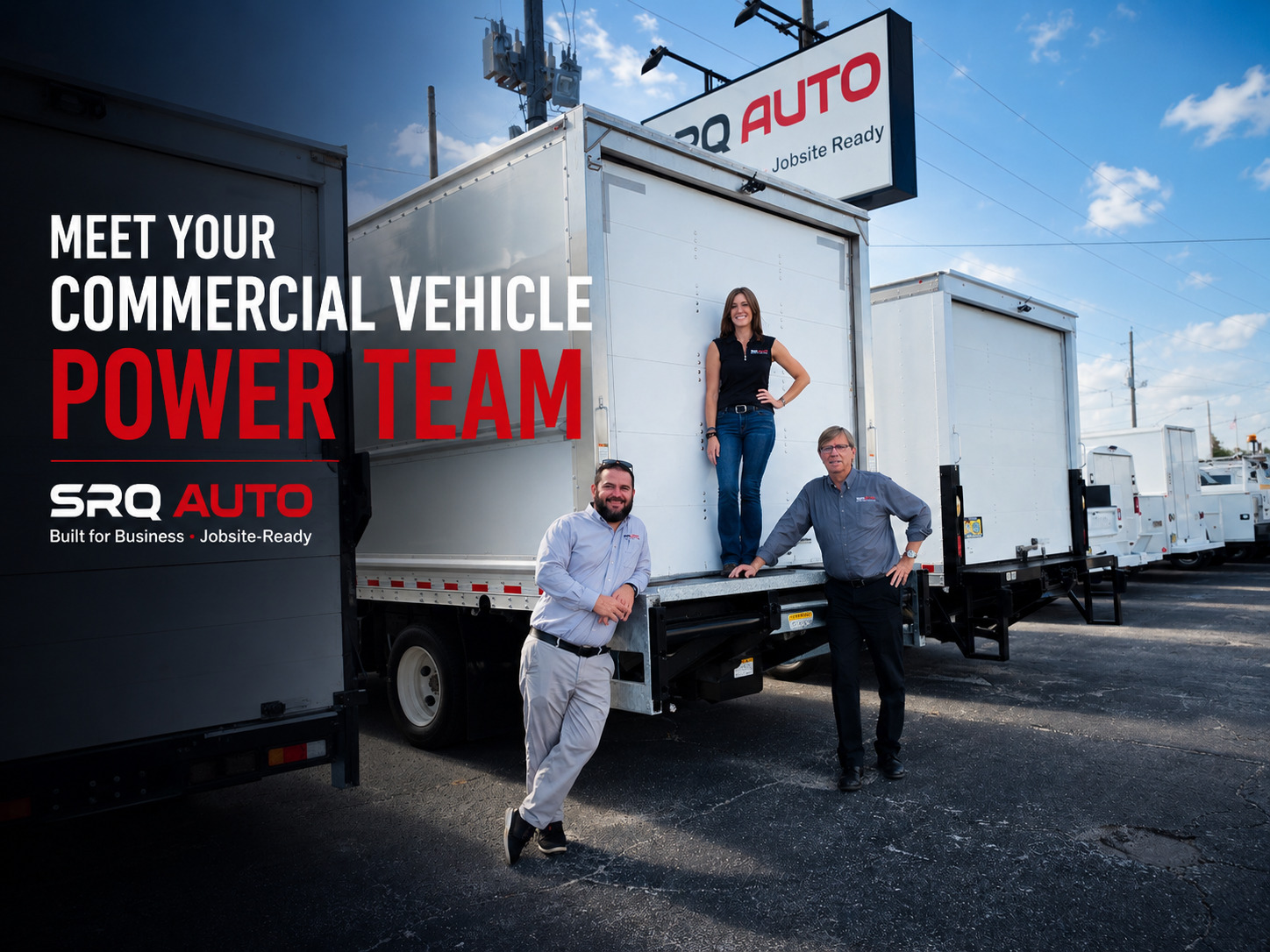
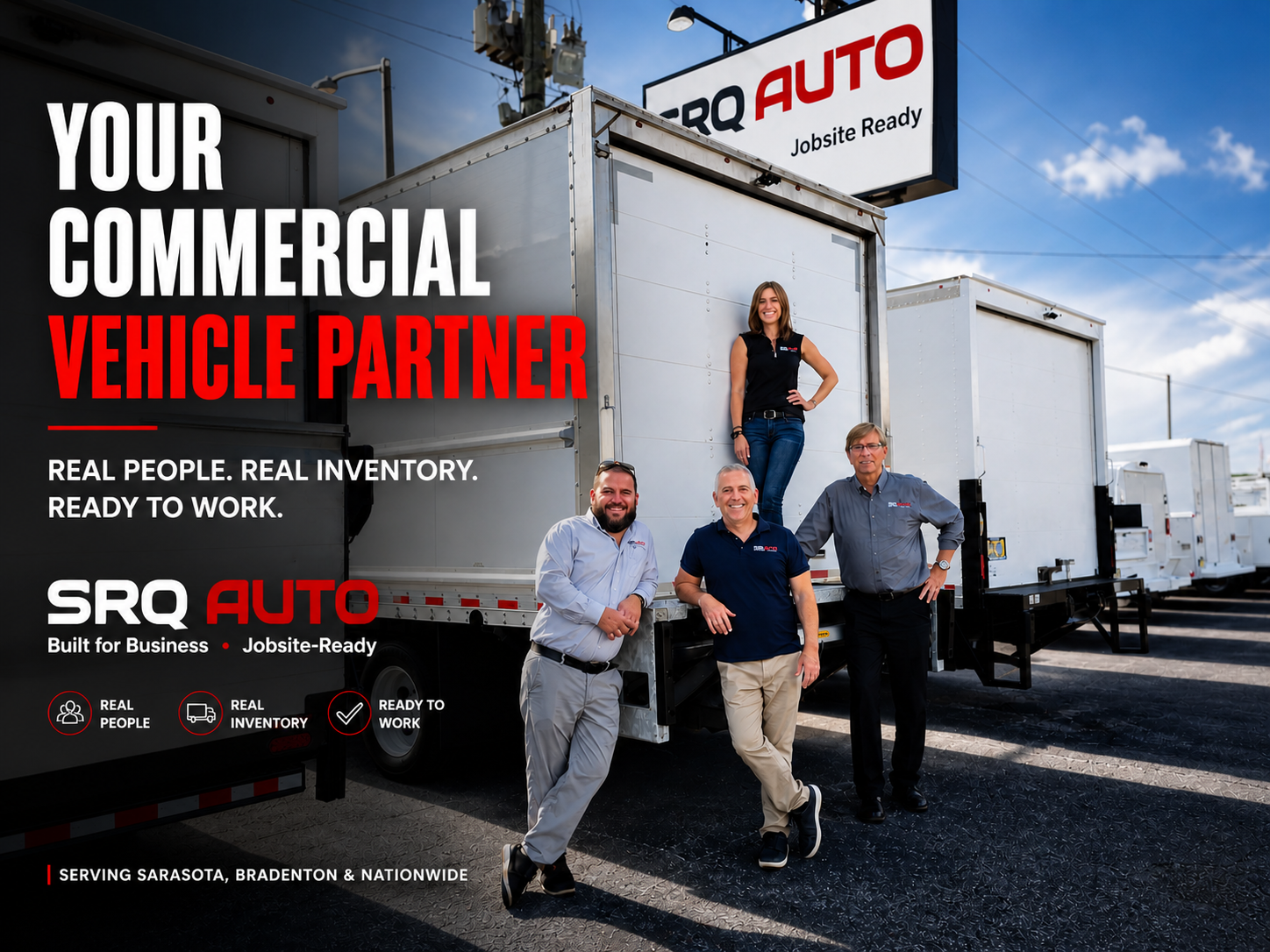
SRQ’s collective expertise includes commercial selection and reconditioning. Richard Reed brings 23 years of automotive experience in matching commercial vehicles to business applications, while Billy Smith brings 30 years of experience in reconditioning, service bodies, interiors, detailing, paint and bodywork. These are complementary parts of evaluating a used work vehicle.
Compare the Whole Purchase, Not Just the Price
Compare condition, useful equipment, remaining preparation needs and operating fit alongside the asking price. Avoid assuming that all service trucks cost more than all vans, or that a body style guarantees better fuel economy or a particular lifespan.
Tailored Commercial Financing may be available for qualified buyers. Requirements and terms vary by lender, applicant and vehicle. Explore Commercial Financing and ask what information is needed for your transaction.
Frequently Asked Questions
What is the best service truck for an HVAC business?
The best truck depends on the work assigned to it. Compare tool and parts storage, crew seating, equipment dimensions, loading method, ladder access and usable payload. Evaluate the specific completed truck rather than choosing by chassis badge alone.
Is a KUV better than an open service body for HVAC work?
Neither is universally better. An enclosed KUV combines exterior compartments with protected center cargo space. An open service body offers exterior storage and an open center bed that may suit larger equipment. Check dimensions, access and capacity against your actual loads.
Can a used utility truck carry replacement HVAC equipment?
It may, but verify the equipment’s packaged dimensions and weight, the truck’s usable payload and axle ratings, body dimensions, tie-down arrangements and loading method. Do not assume every utility truck fits every condenser or air handler.
Should HVAC technicians use a cargo van or a service truck?
A cargo van can suit enclosed shelving and a protected interior workspace. A service truck can suit frequent exterior access to organized tools and parts. Compare how the technician works, the cargo carried and the specific upfit.
What should I inspect on a used HVAC service truck?
Evaluate mechanical condition and available service history, then inspect compartments, doors, locks, seals, floors, racks, shelves and body mounting areas. Confirm equipment operation and ask what reconditioning was completed.
Can SRQ Auto arrange delivery outside Florida?
SRQ Auto works with nationwide commercial buyers through remote purchasing and vehicle delivery arrangements. Confirm availability, documents, preparation and shipping details for the selected vehicle.
Find an HVAC Work Vehicle That Fits Your Crew
Tell SRQ Auto what your technicians carry, how they load it, how many people travel together and where the vehicle works. That information helps our team compare suitable available configurations for your business.
We serve buyers in Bradenton, Sarasota, Lakewood Ranch, Tampa and throughout Florida, with remote purchasing and nationwide delivery arrangements.
Shop Current Service and Utility Trucks or Compare Current Cargo Vans. Contact Our Commercial Team to discuss your application.