
The Hidden Costs of Buying the Wrong Commercial Vehicle: Why Your Choice Matters
Updated September 2026 by Savvy Dealer Inc.
For small business owners and fleet managers alike, acquiring a commercial vehicle is far more than a simple asset purchase; it is a fundamental operational decision that directly shapes your company's daily efficiency, safety, and bottom line. When you walk into a dealership or browse an online inventory, it is incredibly easy to focus solely on the sticker price or the monthly payment. However, the initial purchase price of a commercial truck, service van, or shuttle bus represents only a fraction of its true cost over its operational lifecycle. Making a mismatched decision—whether by choosing an underpowered cargo van to save a few thousand dollars upfront, or buying an excessively heavy-duty truck when a mid-size option would suffice—can quietly erode your business's cash flow through a cascade of compounding expenses. At SRQ Auto LLC, located in the heart of Bradenton, Florida, we witness daily how critical the right vehicle match is for local enterprises. From independent HVAC contractors in Sarasota to rapidly expanding logistics fleets in Lakewood Ranch, Florida businesses face unique environmental and operational challenges. High humidity, intensive stop-and-go driving, and the demanding towing needs of coastal and suburban operations mean that any mismatch in vehicle specification is quickly exposed. This comprehensive guide is designed to pull back the curtain on the silent financial drains of acquiring the wrong commercial vehicle, helping you navigate the complexities of payload, duty cycles, financing, and maintenance so you can make an investment that drives profitability, not overhead. Every decision you make during the buying process has a domino effect. An incorrect choice doesn't just mean a minor inconvenience; it can lead to soaring fuel bills, premature mechanical failures, skyrocketing commercial insurance premiums, and devastating fleet downtime that compromises your relationships with your clients. By understanding these hidden financial traps, you can approach your next purchase with the analytical precision of an award-winning strategist, ensuring your fleet remains lean, resilient, and highly productive.
What Are the Hidden Costs of Buying the Wrong Commercial Vehicle for a Business?
1. Unexpected Insurance Premium Spikes
One of the most immediate hidden costs of buying an incorrect vehicle is the shock of commercial auto insurance premiums. Insurers evaluate risk based on vehicle weight class, engine size, safety features, and historical repair costs. If you buy a heavy-duty class 4 or 5 truck when a class 2 or 3 vehicle would have sufficed, your insurance rates can double. Furthermore, certain specialty vehicles or non-standard upfits require highly specialized, expensive commercial liability policies. Consulting with a local specialist and evaluating ourUsed Cargo Van Inventoryor lighter-duty options can help prevent these premium spikes from draining your monthly operating budget.
2. Severe Fuel Economy Penalties
Fuel is typically a commercial fleet's largest recurring operational expense. When you purchase an oversized vehicle—such as a heavy-duty V8 or diesel truck for light deliveries—you pay a severe fuel penalty every mile. Conversely, buying an underpowered engine that must constantly struggle under the weight of a heavy load can actually burnmorefuel than a properly rated larger engine. This inefficiency is amplified in Florida's hot climate, where air conditioning systems run constantly at maximum capacity, placing an extra load on the engine.
3. Accelerated Maintenance & Specialty Parts
A vehicle that is poorly suited to its daily task will experience accelerated wear and tear. If you use a light-duty passenger-platform vehicle for heavy cargo transport, you will face premature brake wear, suspension sagging, and transmission slip. Moreover, heavy-duty commercial trucks often require specialized heavy-duty fluids, larger high-ply commercial tires, and complex emissions systems (like diesel exhaust fluid and particulate filters) that are significantly more expensive to service. A single specialized part replacement can wipe out months of projected operational savings.
4. Lost Operational and Workflow Efficiency
Beyond the tangible bills, there is the silent cost of friction in your daily workflow. If a service technician has to spend fifteen minutes searching for tools because they are crammed into an undersized vehicle without proper shelving, that represents lost billable hours. If a delivery driver has to make multiple trips because the vehicle's cargo volume is too small, you are doubling fuel and labor costs. Selecting a vehicle with the correct layout, such as a specialized unit from ourUsed Service Truck/Van Inventory, streamlines your workflow, allowing your team to complete more jobs per day with less stress.
How Much Does Commercial Vehicle Ownership Really Cost Over Time?
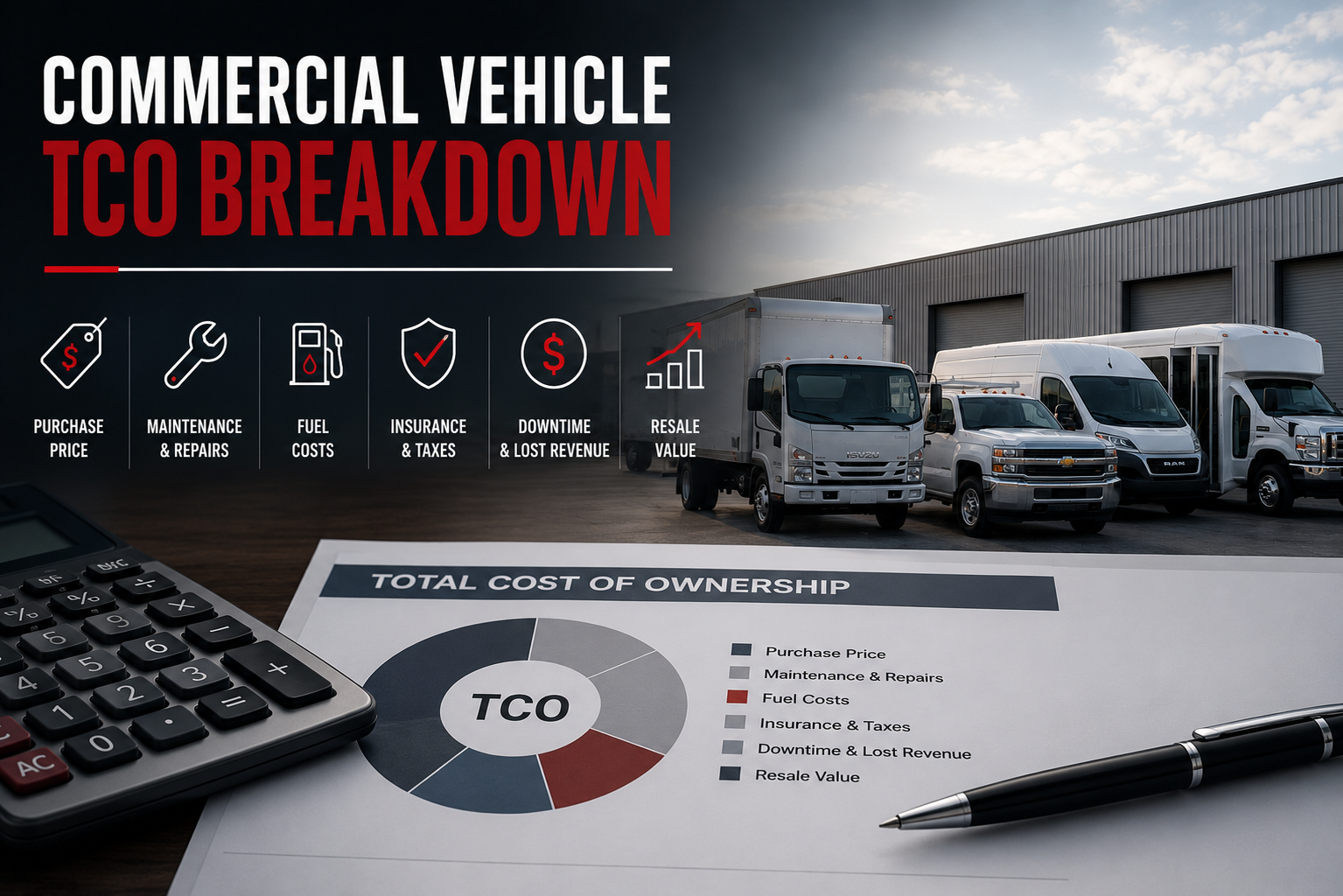
To truly understand the financial impact of your commercial vehicle purchase, you must analyze its Total Cost of Ownership (TCO) over its entire service life—typically calculated over a 5-year cycle. TCO is divided into predictable fixed costs and highly volatile variable costs. When you buy the wrong vehicle, the variable, unpredictable costs quickly spiral out of control, making budgeting impossible and threatening your business's financial health.
Predictable Fixed Costs
Fixed costs represent your baseline financial commitment. These include the initial purchase price (amortized over the lease or loan term), financing interest charges, scheduled preventative maintenance (oil changes, tire rotations), annual registration fees, and commercial insurance premiums. While fixed costs are easy to project, buying an over-specified vehicle artificially inflates these numbers from day one, locking your business into high overhead payments that persist even during slower seasonal months.
Unpredictable Creeping Costs
The danger lies in the unpredictable variable expenses. When a vehicle is pushed beyond its intended limits or forced into an inefficient cycle, costs like emergency mechanical repairs, premature tire wear (due to improper weight distribution), and rapid brake wear soar. In Florida's extreme heat, cooling systems, batteries, and transmissions fail at a much higher rate if the drivetrain is constantly overworked, transforming expected profits into emergency mechanic bills.
The Depreciative Cliff
Depreciation is the single largest cost of commercial vehicle ownership, but it is heavily influenced by how hard the vehicle worked. A truck that was constantly overloaded or poorly maintained will suffer severe cosmetic and mechanical degradation, leading to a massive drop in residual value. Selecting a versatile, high-demand platform ensures that when it is time to retire the vehicle, it still commands top dollar in the secondary market.
Calculate Your True Commercial Vehicle Budget with Our Finance Experts
Navigating the financial structures of a commercial vehicle acquisition requires a careful balance of cash flow preservation, tax optimization, and long-term planning. Many business owners make the mistake of over-leveraging their business line of credit or draining their operating capital to buy a vehicle. At SRQ Auto LLC, our dedicated finance specialists are committed to structured, transparent, and business-first solutions. We work directly with you to establish a realistic monthly payment plan that aligns with your seasonal cash flows and keeps your business nimble. By leveraging strategic commercial finance options, you can preserve your liquid cash for daily operations, materials, and payroll. Additionally, our team can help you understand valuable tax benefits, such as Section 179 and bonus depreciation, which allow qualifying businesses to deduct the full purchase price of eligible new and used equipment during the tax year it is placed in service. To explore these options and see how affordable a reliable commercial asset can be, we invite you to submit a secure onlineCredit Applicationtoday. Our experts will quickly review your information to secure the best rates and terms tailored specifically to your trade.
How Do You Calculate the Actual Payload Capacity Needed for a Business?
Understanding the Critical Weight Ratings
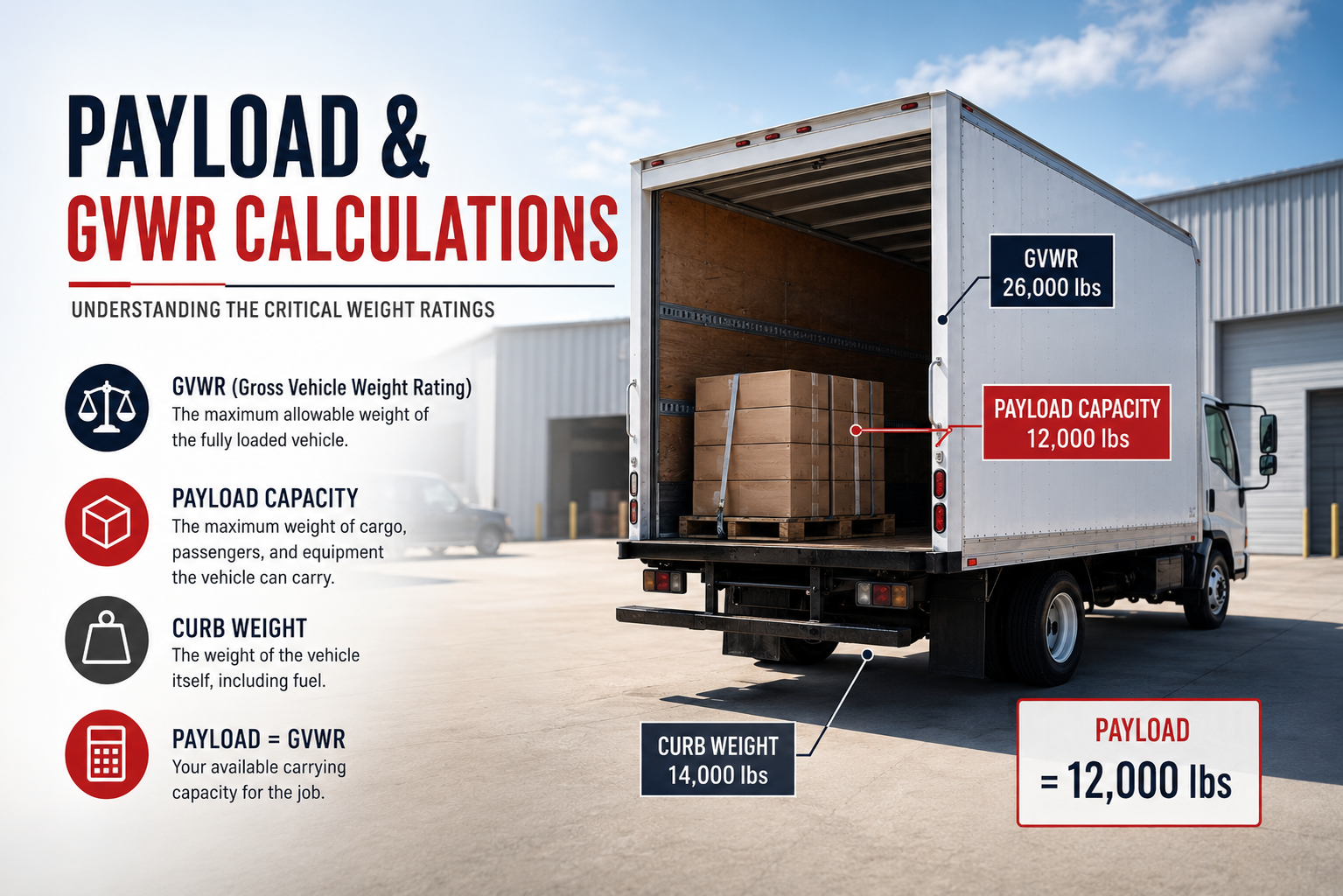
One of the most common and financially devastating mistakes in the commercial vehicle market is failing to understand weight ratings. Let's break down the definitions that every business owner must know:
Gross Vehicle Weight Rating (GVWR):The absolute maximum operating weight of a vehicle as specified by the manufacturer, including the vehicle's chassis, body, engine, fluids, fuel, accessories, passengers, and cargo.
Payload Capacity:The maximum weight of cargo, equipment, upfits, and passengers that the vehicle can safely carry. It is calculated by subtracting the vehicle's empty curb weight from its GVWR.
Gross Combined Weight Rating (GCWR):The maximum allowable weight of the fully loaded vehicle and the fully loaded trailer combined.
The Severe Financial & Safety Risks of Overloading
When a vehicle is repeatedly overloaded, the consequences are immediate and dangerous. Operating a vehicle beyond its rated payload capacity places immense strain on the transmission, leading to overheating and premature gear failure. It causes rapid brake fade, making stopping distances dangerously long, and physically damages the suspension, resulting in broken leaf springs and blown shocks. From a legal standpoint, driving an overloaded commercial vehicle can result in severe DOT fines, immediate vehicle impoundment, and catastrophic liability exposure if an accident occurs.
The Cost of Buying Too Much Capacity
On the other side of the equation, buying far more capacity than you actually need is a silent profit killer. Heavy-duty chassis cabs and class 5 trucks cost significantly more upfront, have much lower fuel economy, carry higher registration and insurance fees, and deliver an incredibly harsh ride when empty. This harshness can actually damage lighter, sensitive equipment stored in the cargo area. At SRQ Auto LLC, we help you carefully calculate your daily payload requirements so you land in the perfect sweet spot for safety and efficiency.
When Should I Choose a Smaller Vehicle Instead of a Heavy-Duty Truck?
While massive heavy-duty diesel pickups and heavy flatbeds have an undeniable presence, they are not always the smartest choice for every business model. In many urban and suburban environments, opting for a compact cargo van or a mid-size truck can dramatically lower your operational overhead while improving your team's daily productivity. Let's analyze the key scenarios where downsizing actually leads to sizing up your profits.
Urban Maneuverability
Navigating the tight waterfront areas of Sarasota, the bustling streets of downtown Bradenton, or the dense residential driveways of Lakewood Ranch in an oversized heavy-duty truck can be a logistical nightmare. Compact cargo vans or mid-size pickups allow your drivers to easily maneuver through tight spaces, park in standard residential driveways without damaging lawns, and fit into low-clearance parking structures. This reduces the risk of minor fender benders and speeds up your team's arrival times.
Superior Fuel Efficiency
For businesses focused on light deliveries, mobile consulting, or small-scale service calls, a smaller vehicle with a highly efficient four-cylinder or V6 engine is highly economical. These vehicles can achieve double the fuel economy of a heavy-duty counterpart, especially during stop-and-go driving. Over a standard fleet cycle of 20,000 miles per year, this difference can translate to thousands of dollars saved directly at the pump, directly padding your operating margins.
Lower Acquisition & Setup
Smaller commercial platforms naturally carry a lower initial purchase price, translating to lower monthly finance payments and less upfront capital output. Upfitting packages for standard cargo vans or light-duty pickups are also more widely available and more affordable than custom heavy-duty body builds. This makes it significantly easier to scale your fleet as your business grows, allowing you to deploy multiple responsive units for the price of one single, oversized truck.
What Are the Top Causes of Unexpected Downtime in Commercial Fleets?
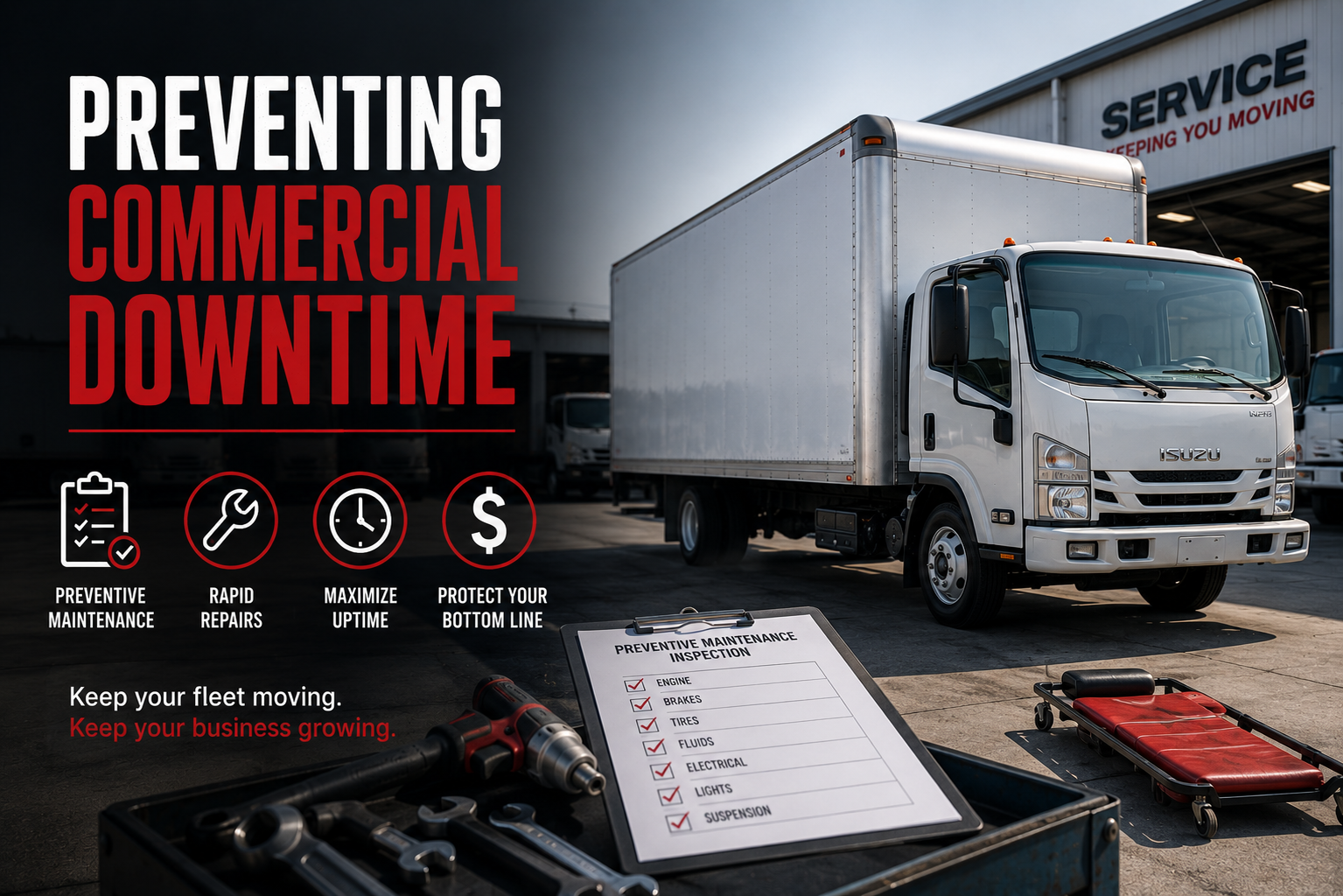
The Compounding Nightmare of an Unscheduled Shop Visit
In the commercial sector, the old saying 'time is money' is a literal mathematical formula. If a commercial truck or cargo van is sitting in a repair bay, it is not generating revenue, yet its fixed ownership costs continue to accumulate. The true cost of fleet downtime is far higher than just the mechanic's bill. It includes the cost of having highly paid field technicians sitting idle, the administrative headache of rescheduling appointments, the expense of renting emergency backup vehicles, and the potential loss of long-term commercial contracts due to missed service windows.
Mismatched Vehicles Lead Directly to Frequent Failures
Unexpected downtime is rarely a matter of random bad luck; it is almost always the direct result of putting a vehicle into a duty cycle it wasn't engineered to handle. For example, using a gasoline-powered light-duty van for heavy, continuous towing causes rapid thermal breakdown of the transmission fluid, leading to catastrophic transmission failure. Similarly, constantly driving a heavy diesel vehicle on extremely short, stop-and-go local trips without allowing the exhaust system to reach full operating temperature leads to severe Diesel Particulate Filter (DPF) clogging and engine limp-mode failures. At SRQ Auto LLC, we conduct a deep-dive operational assessment of your typical routes and loads to recommend the exact drivetrain that will prevent these frequent shop visits.
Explore Our Reliable Commercial Inventory in Bradenton
Finding the perfect, work-ready vehicle shouldn't feel like a guessing game. At SRQ Auto LLC, we curate a diverse, high-quality selection of dependable commercial trucks, heavy-duty pickups, utility vans, and specialty equipment designed to meet the rigorous demands of Florida business owners. Every vehicle in our inventory undergoes a rigorous, multi-point in-house inspection, servicing, and detailing process to ensure it is ready to go to work for your business immediately—with no delays, no surprise repairs, and no hidden catches. Whether you need a heavy-duty pickup to tow commercial trailers, a spacious high-roof transit van for your contracting business, or specializedLandscape Dump Trucksfor your landscaping enterprise, we have the work-ready solutions you need. We invite you to explore our highly sought-afterUsed Commercial Inventorytoday and discover how transparent, business-first vehicle shopping can elevate your operation's bottom line.
How Does Buying the Wrong Commercial Vehicle Impact Its Resale Value and Depreciation?
The Accelerated Trap of Overworked Drivetrains
Depreciation is the quiet financial leak that many business owners overlook because it doesn't appear as a direct monthly bill. However, when you purchase a vehicle that is poorly matched to your operational needs, you drastically accelerate its depreciation rate. A vehicle that is constantly operated at or near its maximum mechanical capacity—pulling heavy loads with an underpowered engine or hauling max payload on a light-duty chassis—will experience severe internal wear. When you eventually prepare to trade in or sell that asset, prospective buyers and dealerships will easily identify the signs of a heavily fatigued drivetrain, saggy suspension, and body strain. This results in a drastically reduced residual value, wiping out any initial savings you hoped to achieve during the initial purchase.
Niche Upfits and Unpopular Configurations
Another significant factor affecting residual value is the configuration of the vehicle itself. Highly specialized, niche upfits that are permanently welded or integrated into a chassis can make the vehicle incredibly difficult to resell on the open market. While a highly specific setup might serve one narrow task, it limits your secondary buyer pool to a tiny fraction of the market. Conversely, versatile, highly sought-after platforms—such as standard cargo vans, versatile service bodies, and reliable flatbeds—retain excellent secondary market value. If you want to see how versatile, highly valued configurations perform, you can browse our curated list ofRecently Sold Vehiclesto understand which body styles and configurations maintain the strongest demand and highest residual values in the Florida market.
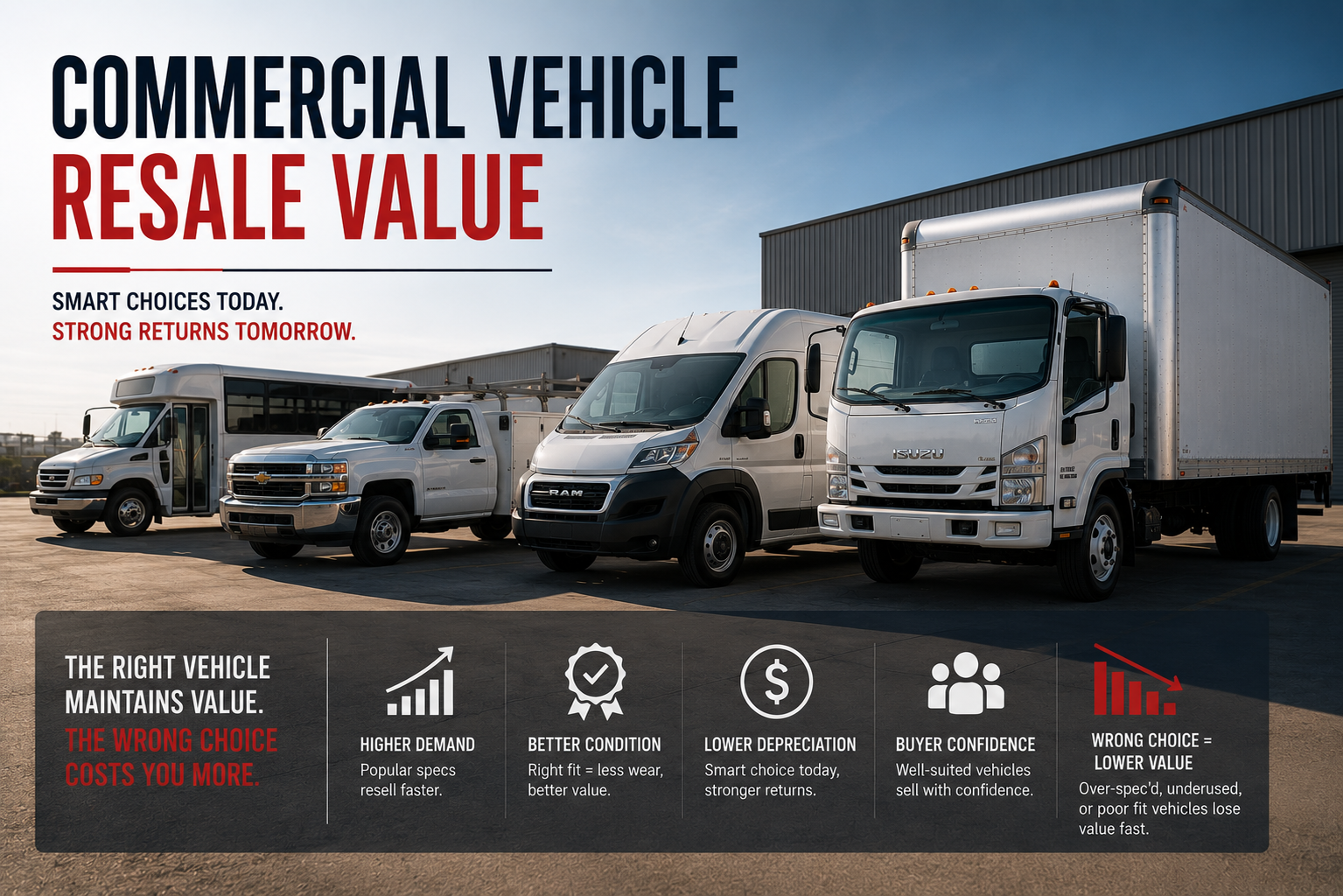
The Value of a Clean, Documented History
Smart buyers in the secondary commercial market pay a premium for transparency. Vehicles with documented, regular maintenance histories and clean CARFAX reports command significantly higher prices. At SRQ Auto LLC, we ensure that the commercial vehicles we sell are accompanied by clear history reports, positioning your business to maximize return on investment when it's eventually time to upgrade.
Should I Consider Buying Out of State or Keep My Search Local?
In the digital age, it is incredibly easy to find cheap commercial listings scattered across the country. However, buying an essential business asset from an out-of-state vendor carries massive hidden risks, complex regulatory hurdles, and unexpected costs that can quickly turn a perceived 'bargain' into a financial nightmare. Let's compare the realities of out-of-state commercial purchases against the peace of mind of keeping your search local.
Hidden Transport & Logistics
Shipping a heavy-duty commercial truck, shuttle bus, or high-roof cargo van is vastly different from transporting a standard passenger sedan. Commercial logistics require specialized low-boy trailers, pilot cars for oversized loads, and complex routing to avoid restricted bridges or parkways. These transport fees can easily run into thousands of dollars, completely erasing any minor price differences you found online, while delaying the vehicle's deployment for weeks.
Florida Registration & Tax Rules
Bringing an out-of-state vehicle into Florida involves a bureaucratic minefield. You must navigate physical VIN verifications, complex weight certifications, out-of-state title transfers, and strict Florida sales tax calculations. An error in the paperwork can tie up your vehicle's registration at the DMV for months, preventing you from legally operating the vehicle on public roads. A local dealer like SRQ Auto LLC handles all Florida-specific titling and tax work seamlessly.
The Local Dealer Advantage
A local dealer relationship near Lakewood Ranch, Bradenton, and Sarasota provides invaluable long-term support. When you buy locally, you gain access to in-person troubleshooting, trusted service relationships, and straightforward warranty support. If an issue arises, you don't have to deal with an anonymous online seller thousands of miles away; you simply drive back to the dealership and get immediate, face-to-face assistance from professionals who value your local business.
What Should I Ask a Local Dealer Before I Go In and How Do I Avoid Hidden Dealer Markups?
Your Essential Pre-Purchase Dealer Checklist
Before you set foot in a dealership, you must arm yourself with a precise checklist of operational and mechanical questions. This preparation ensures you maintain control of the conversation and receive a vehicle that actually fits your trade:
Upfit Compatibility:Is this chassis compatible with standard commercial upfit bodies (e.g., Reading, Knapheide, or Adrian Steel)? Are the pre-existing electrical harnesses and frame configurations compatible with your specialized gear?
Warranty Specifics:What exact components are covered under the commercial warranty, and are there commercial use exclusions? Does the warranty cover towing and roadside assistance? Learn more about our robust, tailored coverage through ourCommercial Warranty Options.
In-House Service History:Can you provide a detailed, line-item service history of the vehicle? Has the engine, transmission, and cooling system been physically pressure-tested and certified by a certified mechanic?
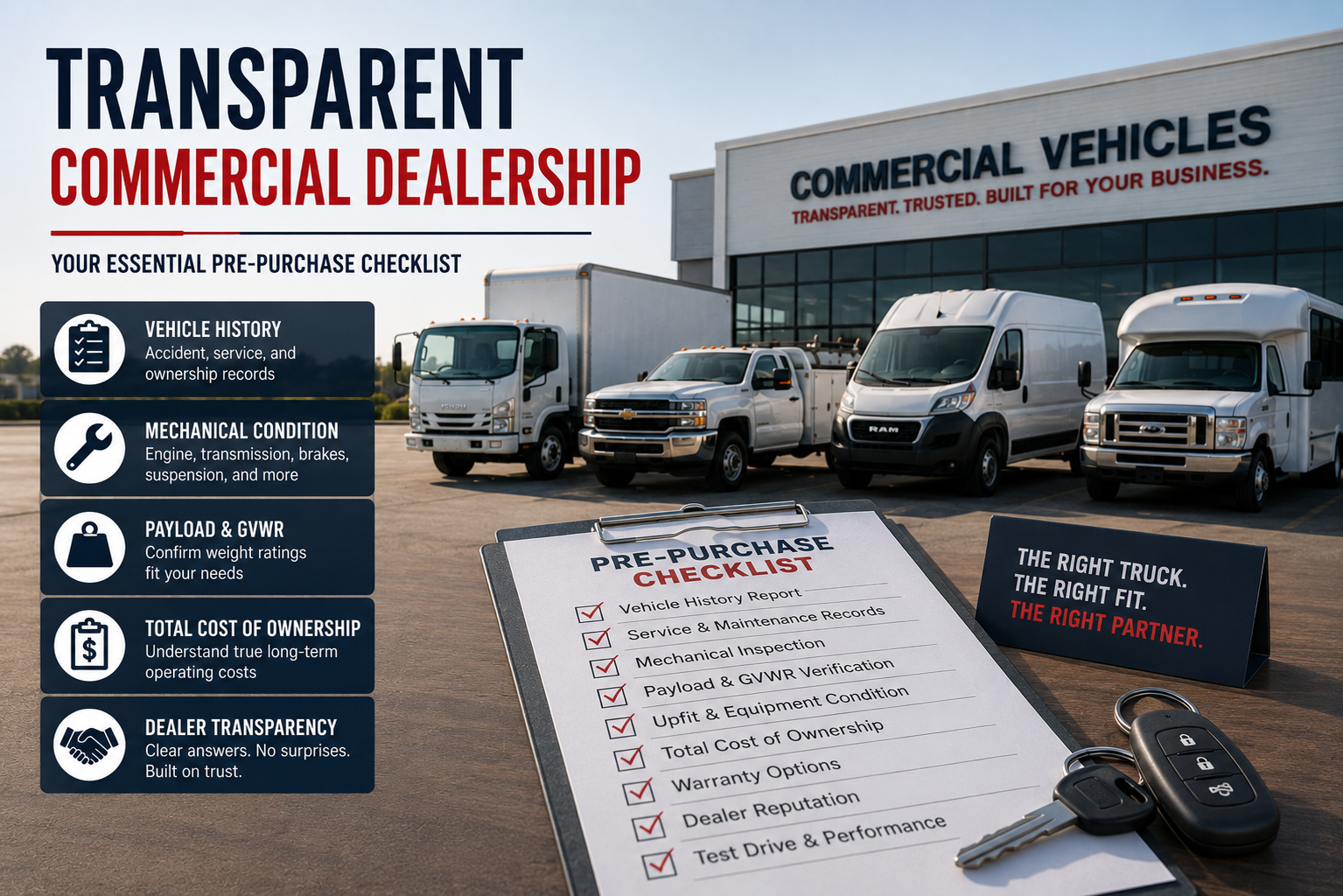
How to Identify and Avoid Hidden Dealer Markups
Many commercial dealerships lure buyers in with low advertised prices, only to tack on thousands of dollars in surprise fees once you sit down in the finance office. Common markups include exorbitant 'dealer prep' fees, inflated documentation charges, and non-optional 'protection packages' that offer little real-world value. To avoid these traps, always demand a detailed, out-of-the-door itemized quote before agreeing to any purchase. At SRQ Auto LLC, we pride ourselves on absolute pricing transparency—no hidden gimmicks, no surprise fees, and no high-pressure tactics. Read what our satisfied local clients have to say about our transparent process in our verifiedReviewssection.
Partner with SRQ Auto LLC for an Honest, Transparent Commercial Purchase
At SRQ Auto LLC, we believe that your business's success is our success. We don't just sell commercial vehicles; we build lasting partnerships with Florida's local businesses and fleet operators. Our Job Ready Promise ensures that every commercial truck, cargo van, shuttle bus, and utility body in our inventory has been meticulously inspected, serviced, and detailed in-house, so you can drive off our lot and put your new asset to work immediately. No surprise repairs, no administrative delays, and no operational setbacks.
We encourage you to visit our dealership in person to consult with our commercial specialists. We will sit down with you, analyze your payload requirements, review your daily routes, and match you with the most cost-effective and reliable vehicle for your specific trade.Get Directions to SRQ Auto LLCand come see our work-ready lineup today, or feel free toCall us at 9412142231to speak directly with an expert who understands your operational needs. Let's work together to drive your business forward with transparency, integrity, and reliable commercial transportation.
Learn more

What Makes a Used Commercial Truck Worth More at Resale?
A used commercial truck is typically worth more when its condition, chassis, configuration and upfit remain useful to the next business. An expensive service body, crane, liftgate or enclosed utility body does not automatically add its original cost to resale value. Demand, maintenance history, equipment condition and how easily another business can put the truck to work all influence what it is really worth.
Where Can I Sell My Used Commercial Truck? The Best Options for Business Owners
When it comes time to rotate your fleet, liquidate surplus equipment, or upgrade your business rig, finding a direct and reliable cash buyer in Manatee County is paramount. Business owners, contractors, and fleet managers in Bradenton, FL can sell used commercial trucks, utility vans, and vocational work vehicles directly to established commercial vehicle specialists like SRQ Auto LLC. Skip the drawn-out uncertainties of private marketplace listing platforms, peer-to-peer negotiations, and low-b

How Do You Choose the Right Commercial Work Truck for Your Business?
Selecting the right commercial work truck requires calculating net payload capacity by subtracting body weight from the chassis Gross Vehicle Weight Rating, choosing between single-rear-wheel and dual-rear-wheel layouts, and matching cab-to-axle dimensions to your trade requirements. You must also align engine torque and axle ratios with daily trailer loads to maintain job site efficiency without risking mechanical strain or overloading.
How Do You Choose the Right Commercial Work Truck for Your Business?
Selecting the right commercial work truck requires matching your daily Gross Vehicle Weight Rating ( GVWR), payload, and towing demands with a vehicle configuration that balances upfront acquisition costs and jobsite functionality. Business owners should calculate peak equipment weights, determine whether an open bed, service body, or enclosed cargo van best secures tools, and choose between half-ton, heavy-duty, or cab-chassis platforms to handle operational demands efficiently.

What Financing Options Exist for Purchasing a Commercial Shuttle Bus in Florida? The Direct Answer
Operating a commercial shuttle service or maintaining a private passenger fleet across Florida demands robust capital planning. Whether you run a luxury hotel transit service in Sarasota, a senior living shuttle program in Lakewood Ranch, or an airport transport operation bridging Bradenton and Tampa International Airport, securing the right capital structure is just as critical as selecting the right chassis. Florida business owners have access to five main financial structures tailored specifi

What Is the Best 16-Foot Box Truck for Commercial Use?
The best 16-foot box truck for commercial use is either the Isuzu NPR for low-cab-forward urban maneuverability or the Ford F-450 chassis cab for conventional hood access and highway power. Both platforms fall into Class 3 or Class 4 with a GVWR between 10,001 and 16,000 pounds, offering roughly 800 to 960 cubic feet of interior cargo space and handling payloads between 5,000 and 7,500 pounds without requiring a Commercial Driver's License (CDL).
What Are the Primary Risks of Buying a Commercial Truck Unseen vs. Inspecting Locally?
Discover the hidden risks of buying commercial trucks sight-unseen. SRQ Auto in Bradenton, FL guides you to make informed choices with local inspections. Drive smart, buy local!
How Do Florida Businesses Secure Commercial Auto Loans Using Only an EIN?
Florida entities like limited liability companies and corporations secure EIN-only commercial auto loans by establishing business credit profiles, demonstrating consistent cash flow, and verifying active corporate registration without attaching an owner's personal Social Security number. Commercial lenders evaluate approval based on corporate bank statements, trade credit references, and active status with state filing authorities. Established businesses with 12 to 24 months of revenue history c
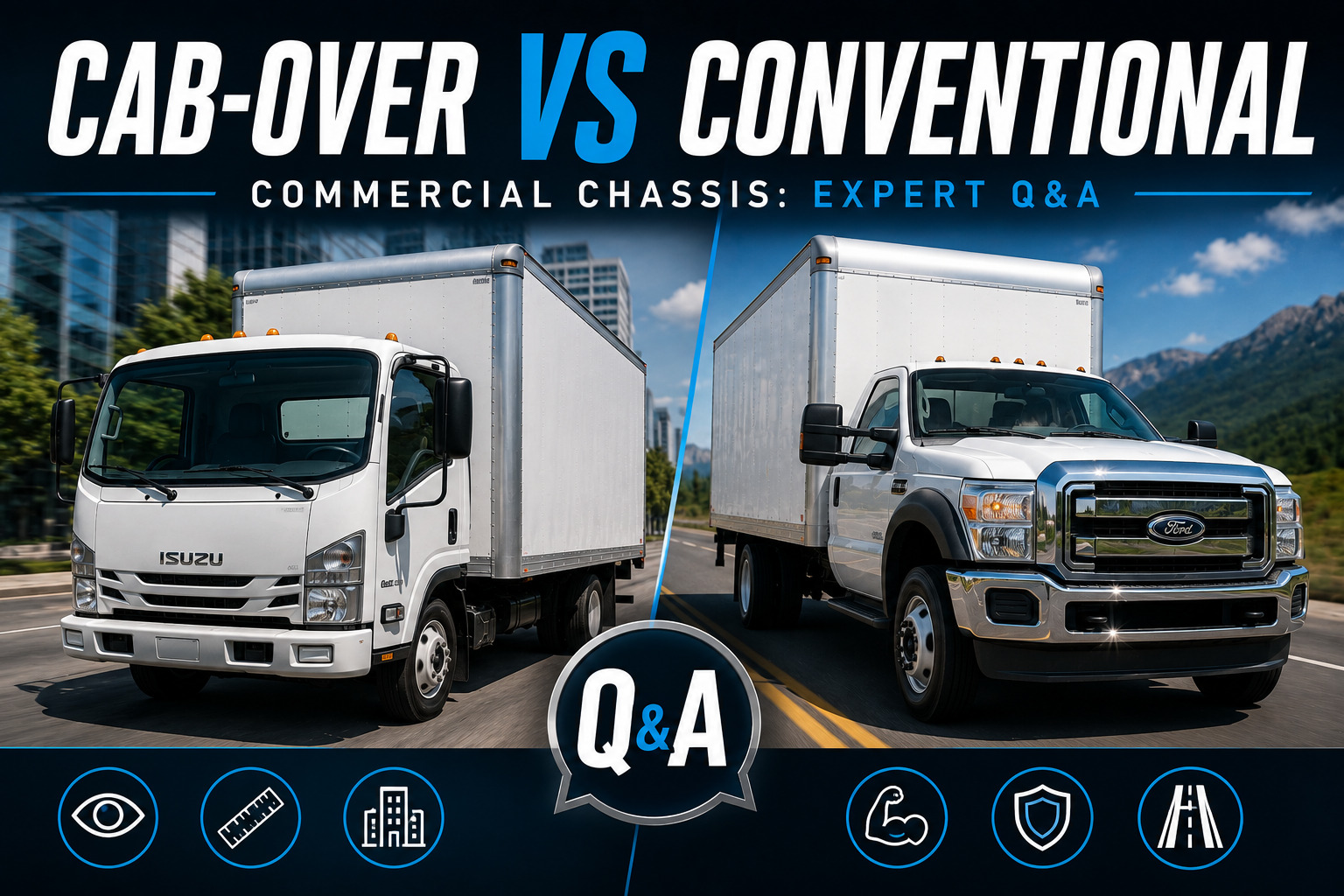
Cab-Over vs Conventional Commercial Chassis: Expert Q&A
A cab-over chassis is the superior choice for construction and trades fleets operating in tight urban settings where maximum cargo body length and a compact turning radius matter more than long-haul highway cruising. Today, we sit down with Richard Reed, Commercial Sales Representative at SRQ Auto LLC, who brings 2 years of commercial vehicle expertise to help fleet managers choose between cab-over and conventional truck platforms.

What “Job Ready” Really Means: Inside SRQ Auto's Commercial Vehicle Reconditioning Process
When you browse for a pre-owned truck, van, or SUV online, what you see is a clean exterior, shiny tires, and an attractive price tag. What you don't see is the mechanical story hiding beneath the hood. At SRQ Auto LLC, we believe that a vehicle's true value isn't defined by how well it shines under showroom lights, but by how dependably it performs when your livelihood is on the line. That's why we commit thousands of dollars to extensive mechanical, electrical, and cosmetic reconditioning befo
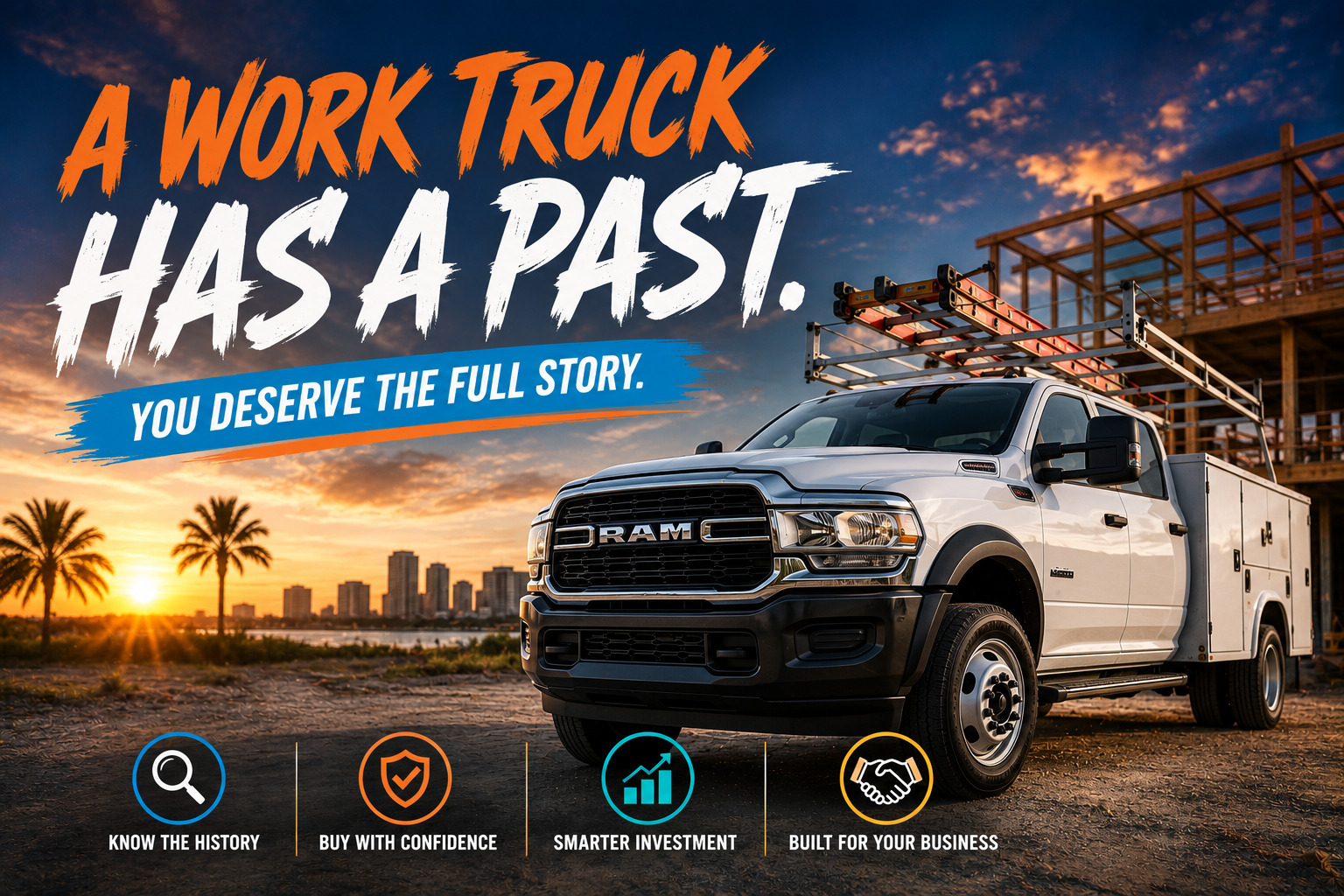
What Does It Mean to Say "Commercial Vehicles Have a Resume" When Buying a Work Truck?
When you interview a candidate for a critical role in your company, you do not just look at their age or physical build. You ask for a resume. You want to see where they have worked, what responsibilities they held, how consistently they performed, and if they have a history of reliable service. When you are purchasing a pre-owned work truck, cargo van, or shuttle bus, you should approach the decision with the exact same mindset. A commercial vehicle is not merely a piece of metal with an odomet

7 Commercial Vehicle Buying Mistakes We See Businesses Make
After years of buying, inspecting, reconditioning, financing and selling commercial vehicles, one pattern is clear: the most expensive mistake is often not buying a bad truck—it is buying the wrong truck for the job. A commercial vehicle is a business tool. The right one can organize a crew, carry the correct payload, reduce unnecessary trips and get to work quickly. The wrong one can create immediate upfit expense, downtime and operational frustration

Used Commercial Truck Condition Guide: What Wear Is Normal—and What Should Make You Walk Away?
Every used commercial vehicle has a history. The important question is whether the wear you see reflects normal work—or signals a truck that may become an expensive problem. Mileage matters, but condition, maintenance, previous use and the commercial body can tell you just as much about the vehicle you are considering. At SRQ Auto, we buy and recondition used commercial vehicles that have spent their lives doing real work. That includes service trucks, box trucks, cargo vans, landscape trucks, I
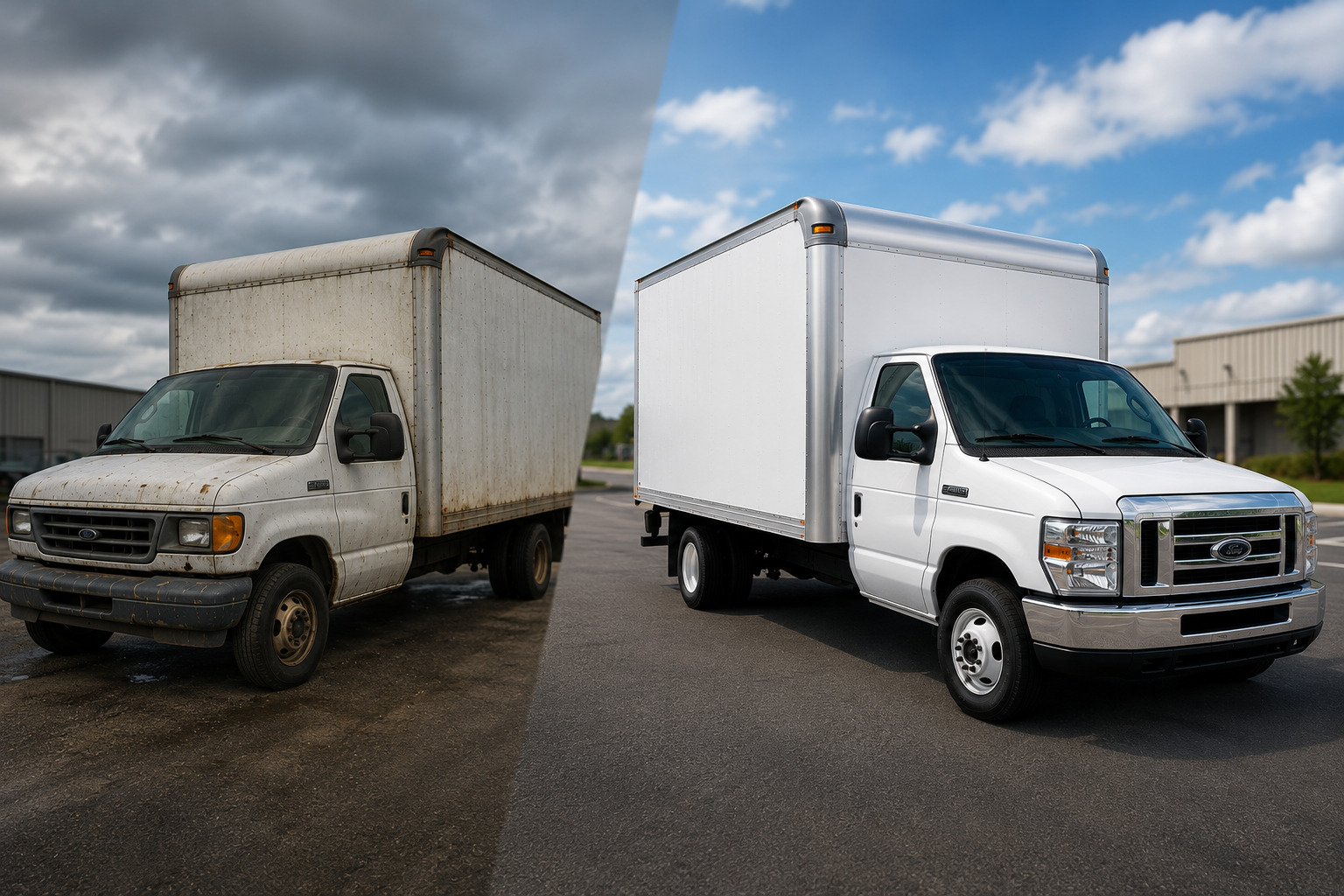
Why Most Used Commercial Vehicles Are Not Ready for Work—And How the Right Reconditioning Process Protects Your Business
For business owners, contractors, and fleet managers across Southwest Florida, buying a used work vehicle is a major milestone. Whether you are expanding your electrical service company in Sarasota, scaling up a landscape fleet in Lakewood Ranch, or putting a new cargo delivery van on the road in Bradenton, that vehicle is the lifeblood of your daily operations. However, there is a harsh truth that many buyers discover too late: the vast majority of used commercial vehicles on the market today a
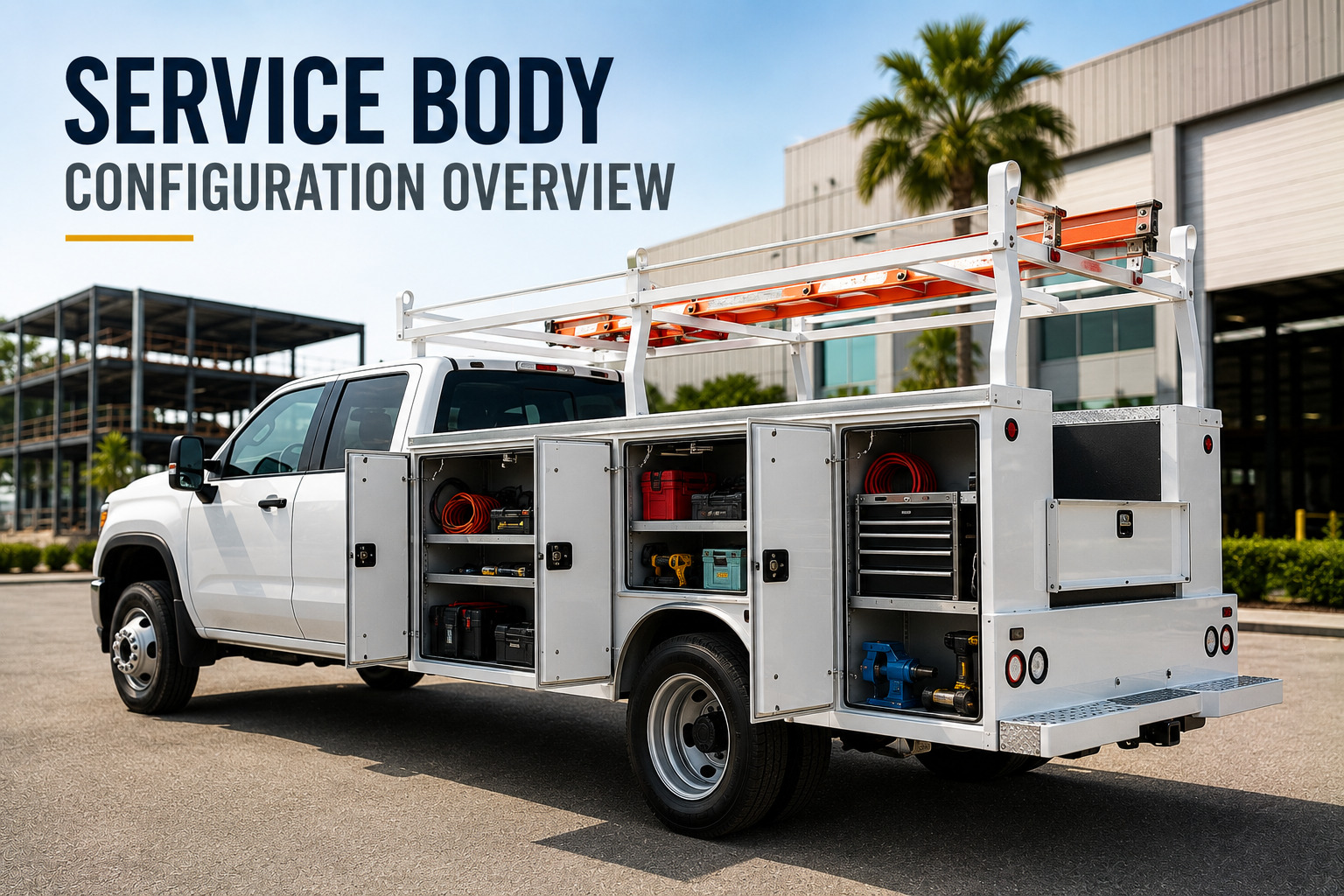
Service Body Configurations Explained: Matching Your Commercial Truck to Your Daily Workflow
For commercial operators, a work truck is far more than just a means of transportation; it is a mobile headquarters, a secure warehouse, and the primary tool that drives daily productivity. Choosing the right service body configuration is one of the most critical decisions a business owner or fleet manager can make. The layout you select directly affects how quickly your technicians can locate tools, how secure your expensive equipment remains overnight, and how much weight your truck can safely
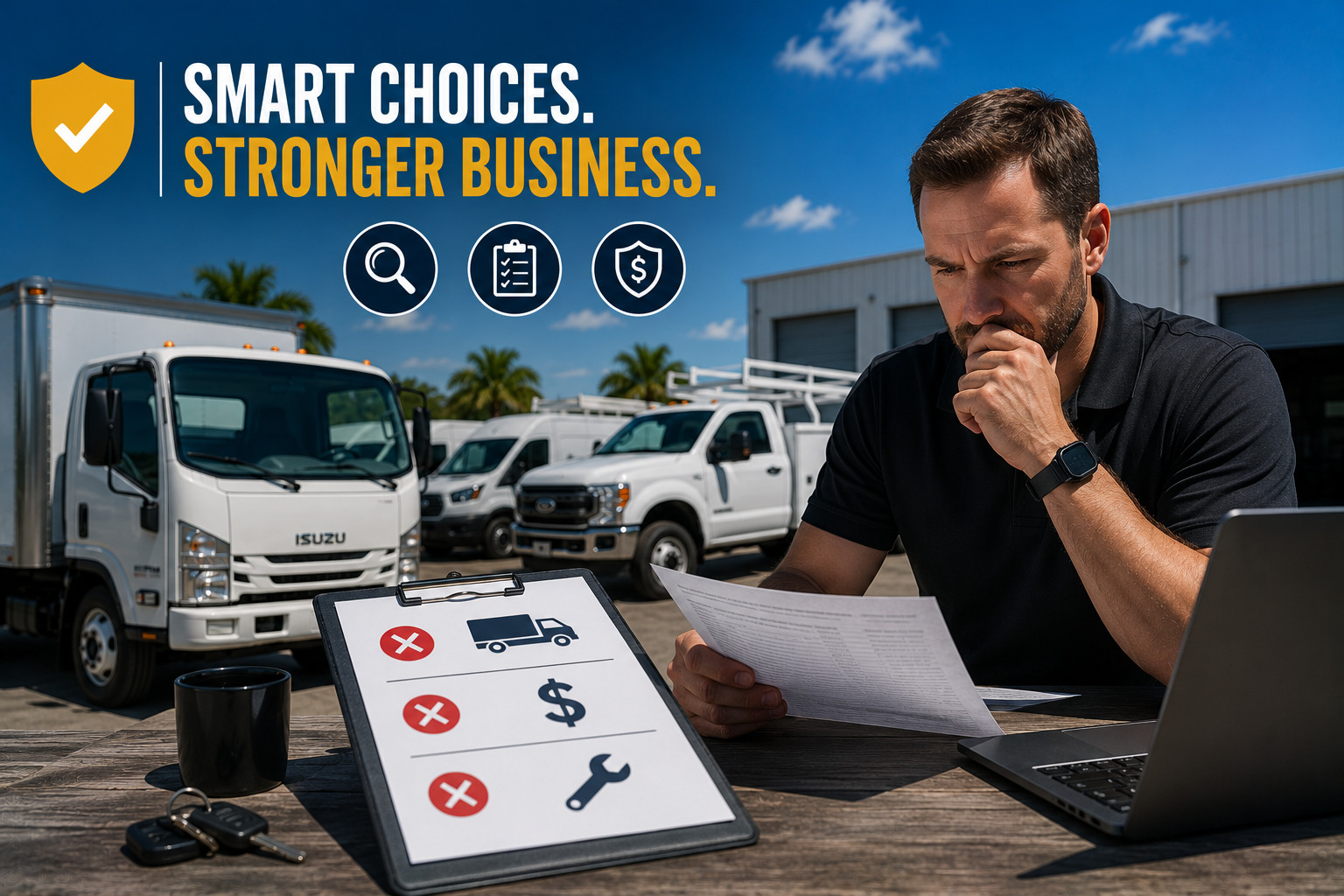
Commercial Vehicle Buying Mistakes to Avoid: Protecting Your Business Bottom Line in Bradenton
For business owners across Southwest Florida, acquiring a commercial vehicle is a high-stakes decision that directly influences operational capacity, employee safety, and long-term financial health. Whether you operate a growing electrical contracting firm in Lakewood Ranch, run a busy plumbing service throughout Bradenton, or manage a regional delivery route extending up to Brandon, your fleet is the physical engine of your business. Far too often, business owners approach the acquisition of a
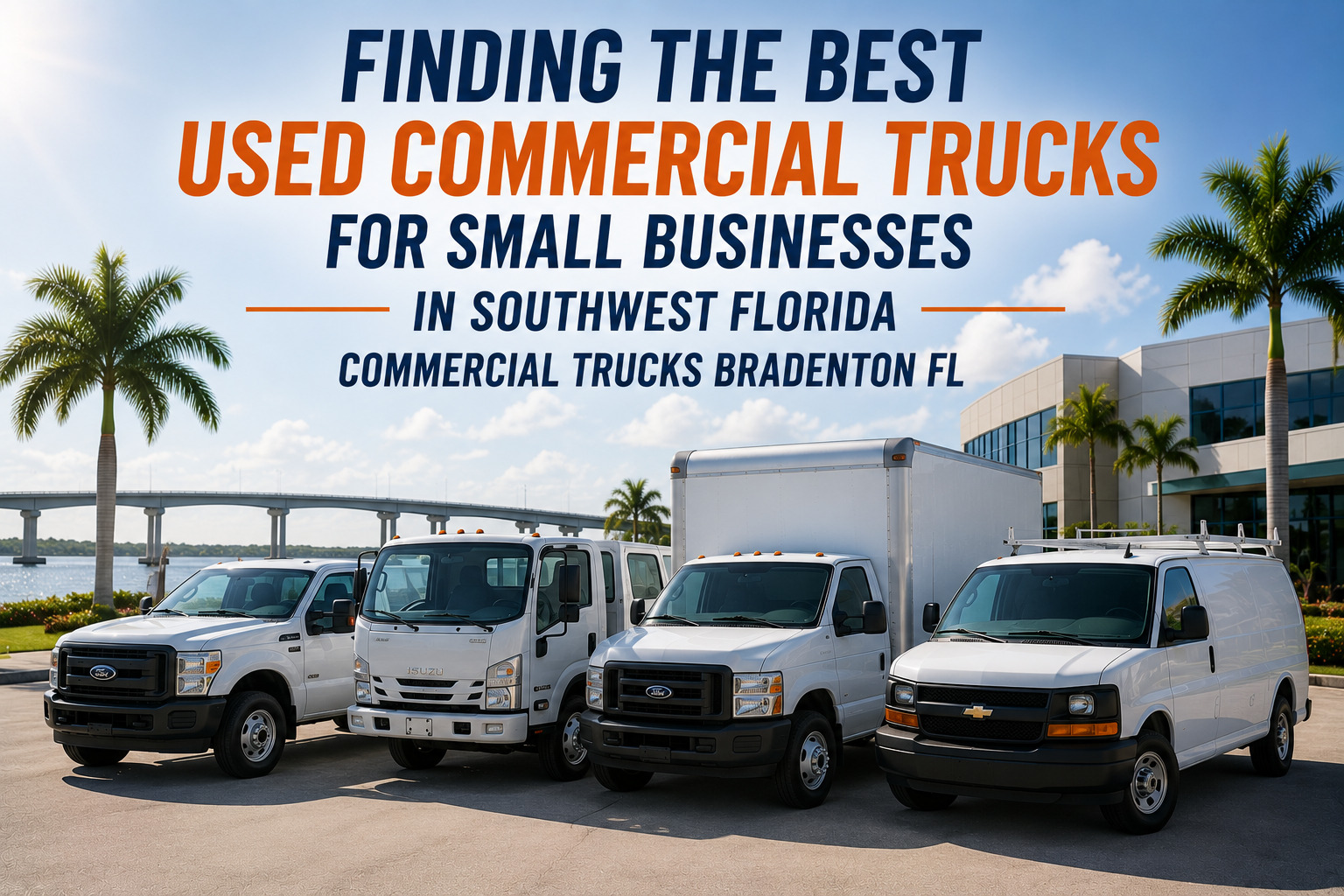
Finding the Best Used Commercial Trucks for Small Businesses in Southwest Florida
For small business owners operating across Southwest Florida—from the historic streets of Bradenton and the bustling commercial hubs of Sarasota to the rapid residential expansions in Lakewood Ranch—a vehicle is not merely a means of transportation. It is a mobile headquarters, a vital tool of the trade, and a direct driver of profitability. When you are running a local enterprise, whether it is a residential landscaping company, a specialized plumbing outfit, an HVAC service business, or a regi
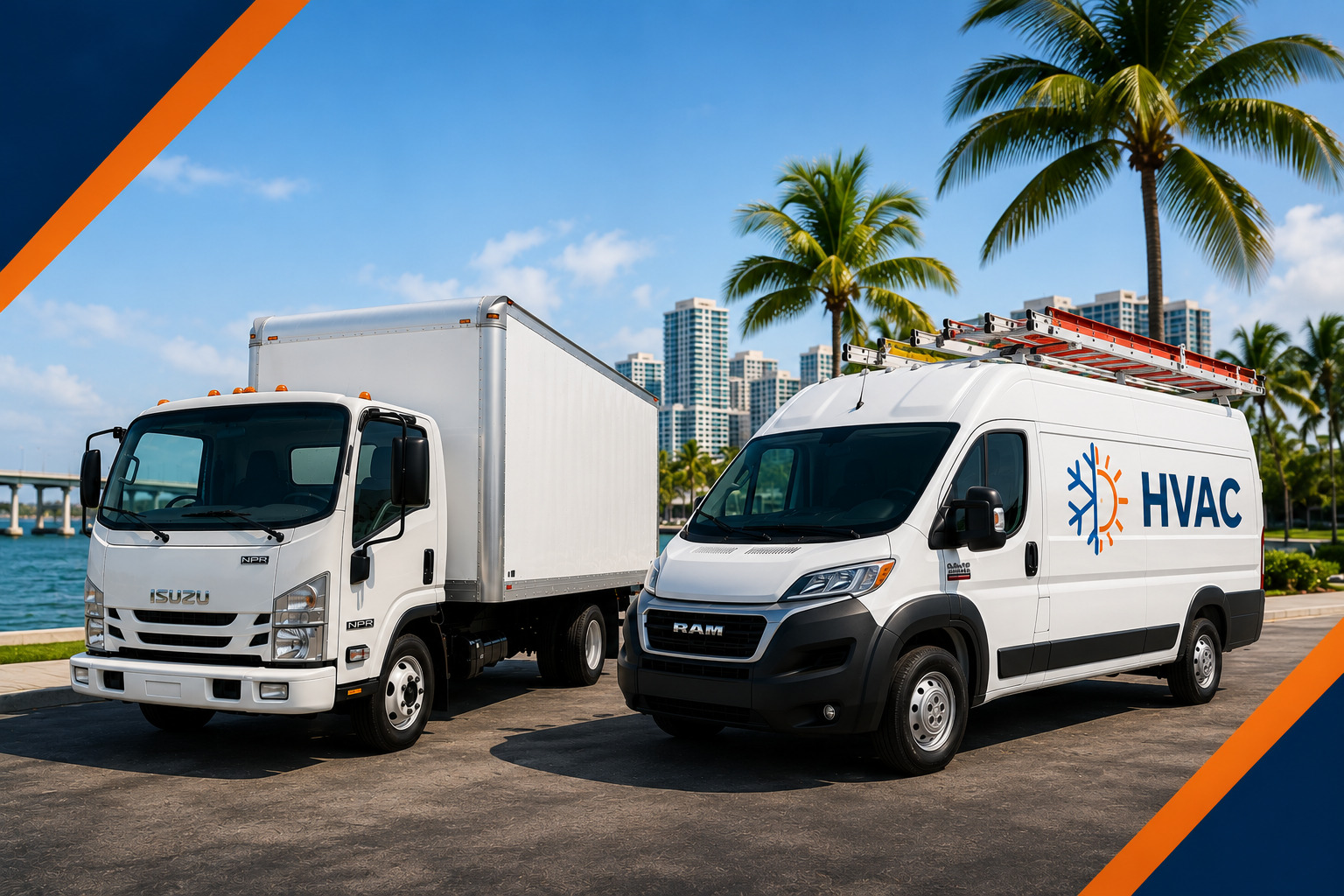
Choosing the Best Commercial Vehicles for HVAC Companies in Southwest Florida
When the relentless Southwest Florida summer hits its peak, local air conditioning companies face an overwhelming surge in service calls. In cities like Sarasota, Bradenton, and Lakewood Ranch, a broken air conditioner isn't just an inconvenience—it is a true home emergency. To keep up with this intense demand, your HVAC business cannot afford to lose precious hours due to unreliable transport. Your work vehicles are the literal lifelines of your operation, carrying the highly specialized tools,
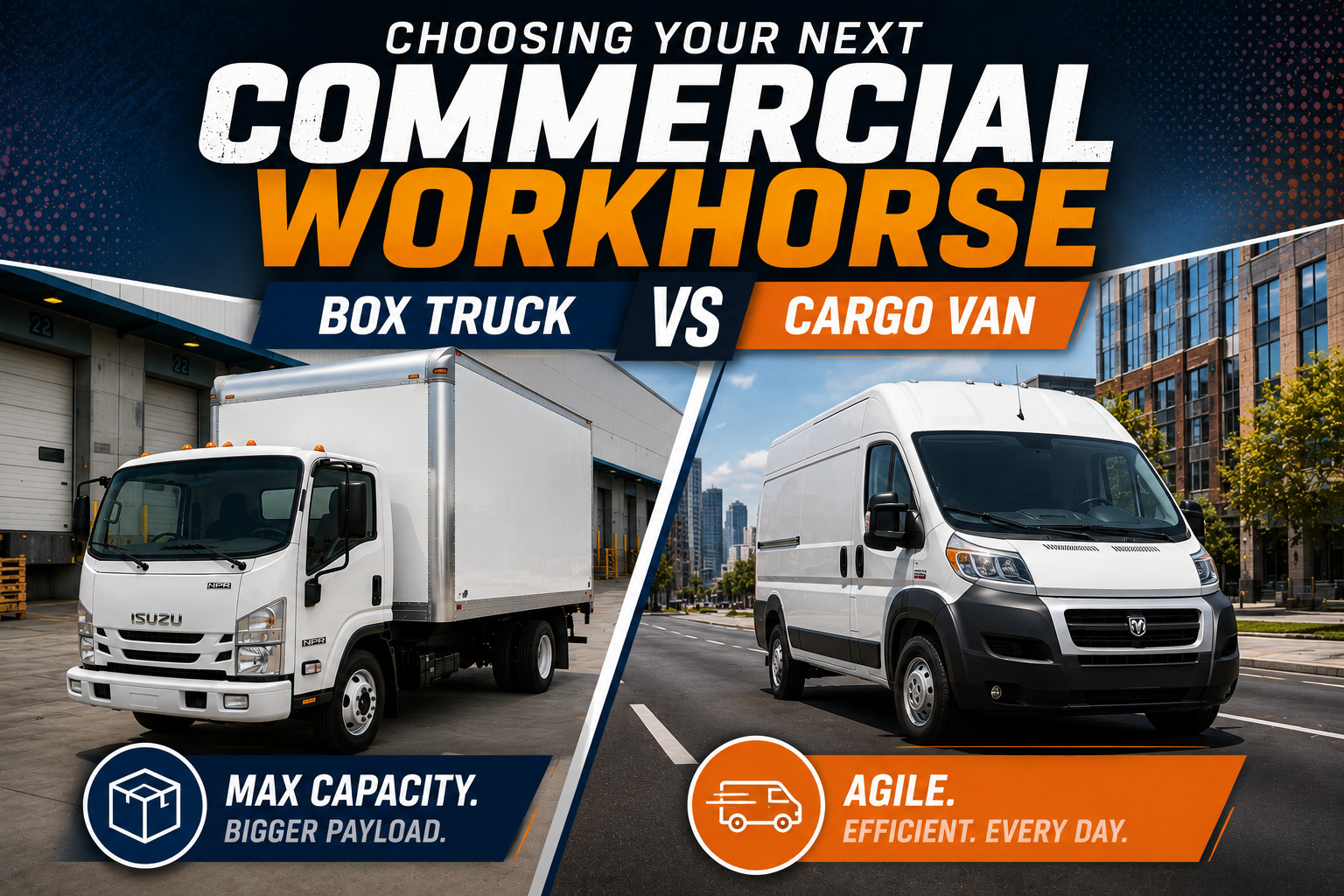
Choosing Your Next Commercial Workhorse: Box Truck vs Cargo Van
Selecting the right vehicle for your daily business operations is a critical decision that directly impacts your bottom line, productivity, and driver satisfaction. At SRQ Auto LLC, we specialize exclusively in quality pre-owned commercial vehicles, helping local business owners find work-ready solutions that match their specific operational demands. If you are currently evaluating your options, comparing a box truck versus a cargo van is the natural place to start. Each platform offers distinct
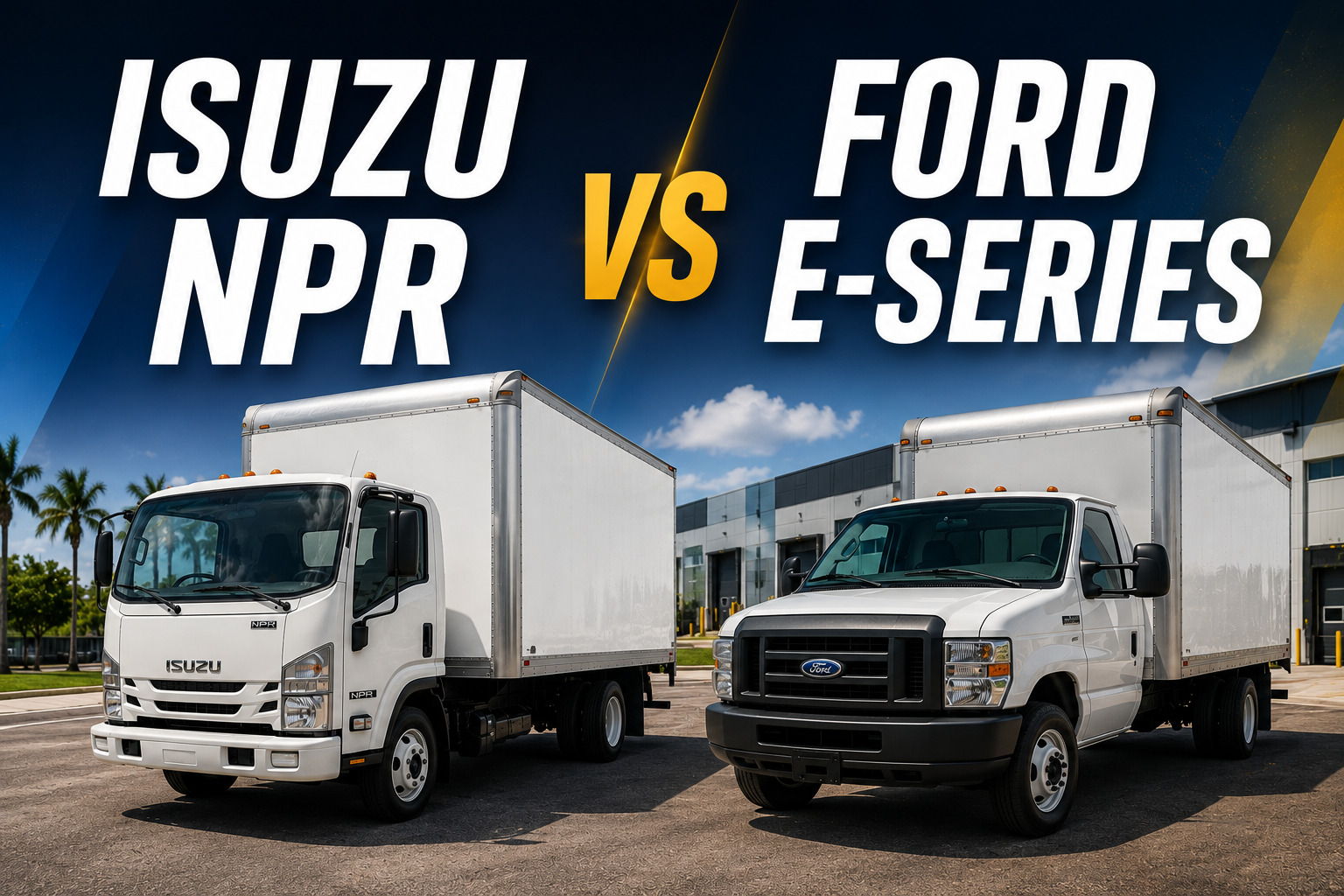
Isuzu NPR vs Ford E-Series: Which Commercial Chassis Rules Florida Gulf Coast Roads?
For business owners and fleet managers operating along the sun-drenched Florida Gulf Coast, selecting the right work truck isn't just a simple line-item purchase; it is one of the most critical decisions that directly impacts daily operational efficiency, driver satisfaction, and long-term profitability. Whether you are running a bustling landscape business in Lakewood Ranch, coordinating complex mechanical servicing routes in Tampa, or executing tight door-to-door retail deliveries in downtown
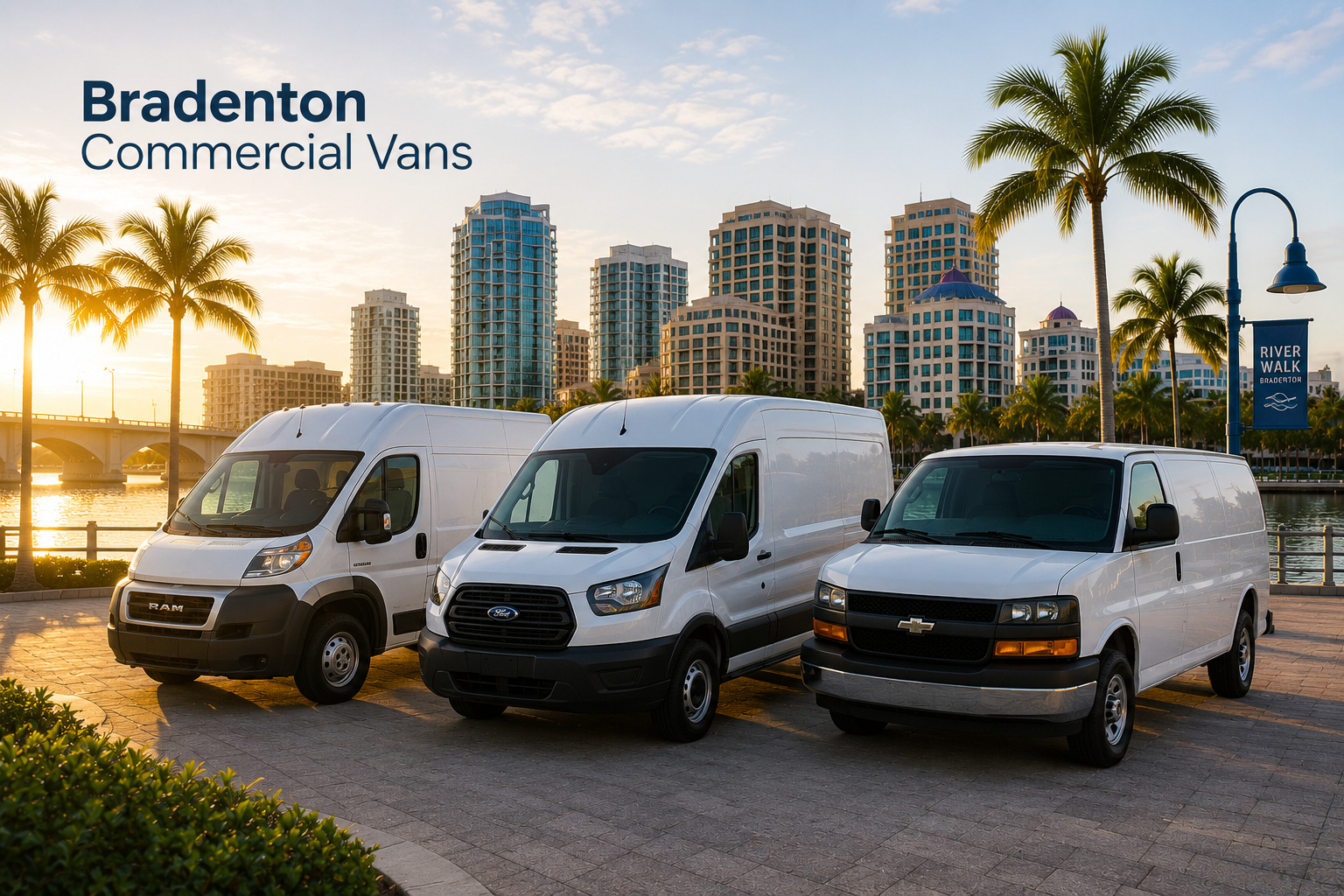
Choosing the Right Work Horse: A Deep Dive Into Bradenton’s Best Commercial Vans
Welcome to our comprehensive strategic follow-up guide. If you are a business owner operating along the beautiful Suncoast, you already know that your fleet is the absolute backbone of your daily operations. From the historic streets of old Bradenton to the rapidly expanding commercial hubs of Lakewood Ranch, having a reliable, highly efficient, and perfectly upfitted work van can mean the difference between a highly profitable quarter and costly operational downtime. When navigating the demandi
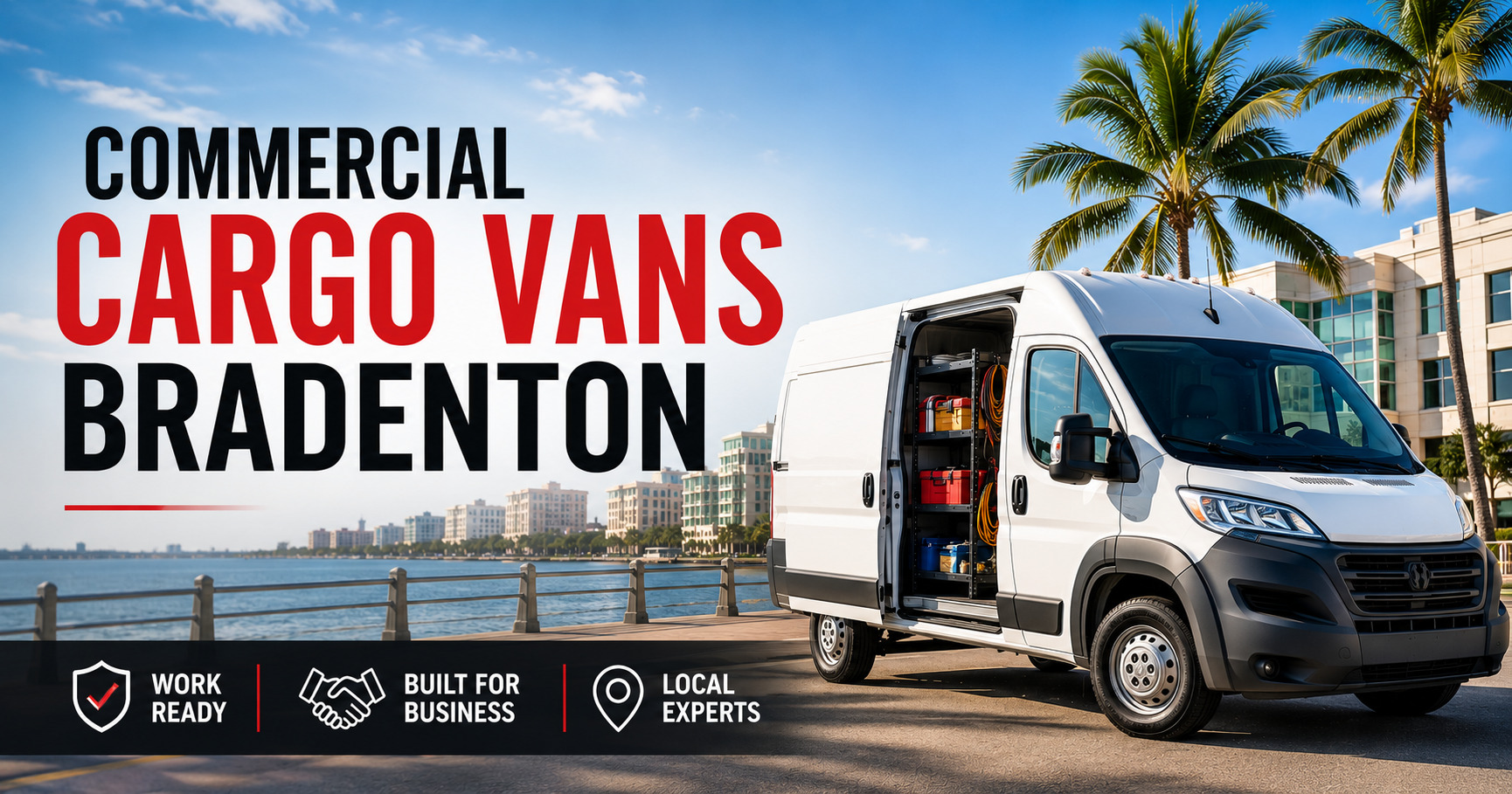
Finding the Right Commercial Workhorse: Cargo Vans For Sale in Bradenton, FL
For business owners and independent contractors across Manatee and Sarasota counties, a vehicle is far more than just a means of transportation. It is a mobile headquarters, a secure tool chest, a rolling billboard, and the very lifeline of daily operations. Whether you are managing an electrical contracting business in Lakewood Ranch, coordinating a fast-paced coastal delivery service along Gulf Drive, or running a busy plumbing crew out of historic downtown Bradenton, your success depends on h
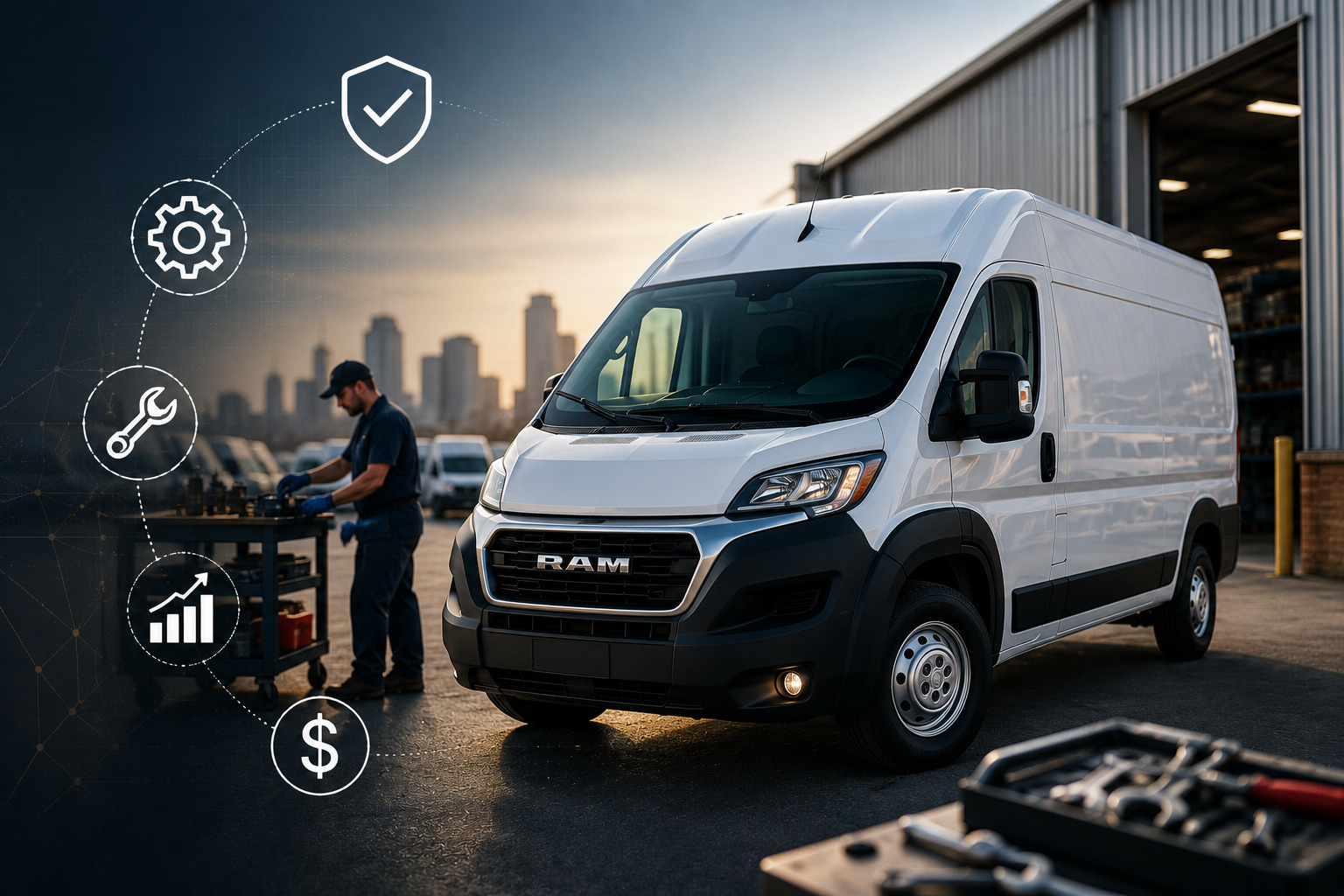
Evaluating Ram ProMaster Reliability for Commercial Fleet Buyers
Deciding on the right cargo van is a major investment for any business, especially when your daily operations depend on keeping vehicles on the road. The 2026 Ram ProMaster is a frequent sight on Florida roads, but smart buyers look closely at long-term dependability before signing on the dotted line. While some commercial users praise its spacious cabin layout, overall reliability ratings for the ProMaster often land in the average to below-average range when compared to the broader commercial
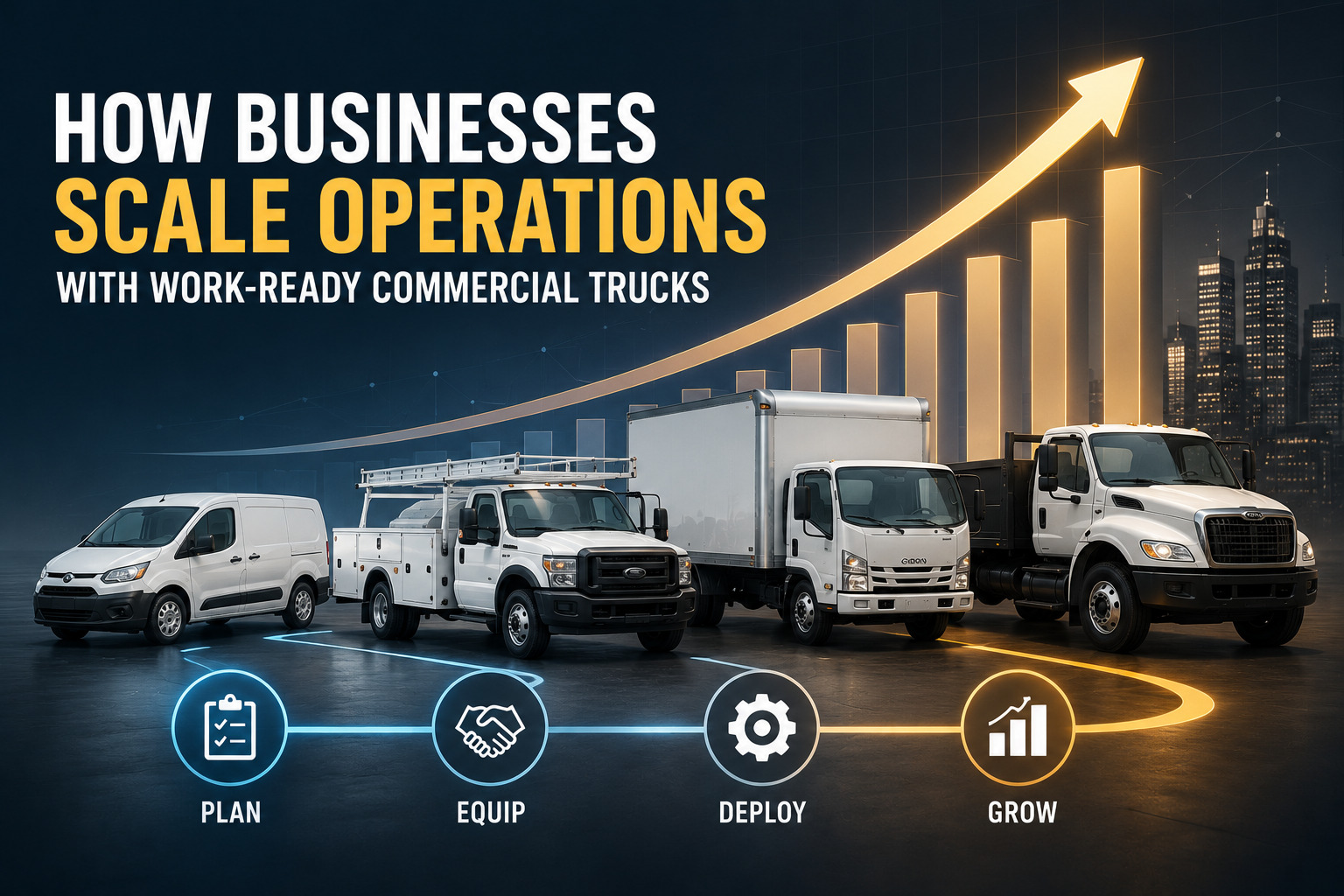
How Businesses Scale Operations with Work-Ready Commercial Trucks
At SRQ Auto LLC, we know your business depends on vehicles that are ready to perform from day one. That is why every commercial vehicle we sell is thoroughly inspected, serviced, reconditioned, and backed by our Job Ready Promise. From cargo vans and utility trucks to box trucks, shuttle buses, and heavy-duty pickups, we specialize exclusively in commercial vehicles built to keep businesses moving. With transparent vehicle histories, flexible commercial financing, nationwide shipping, and over 5
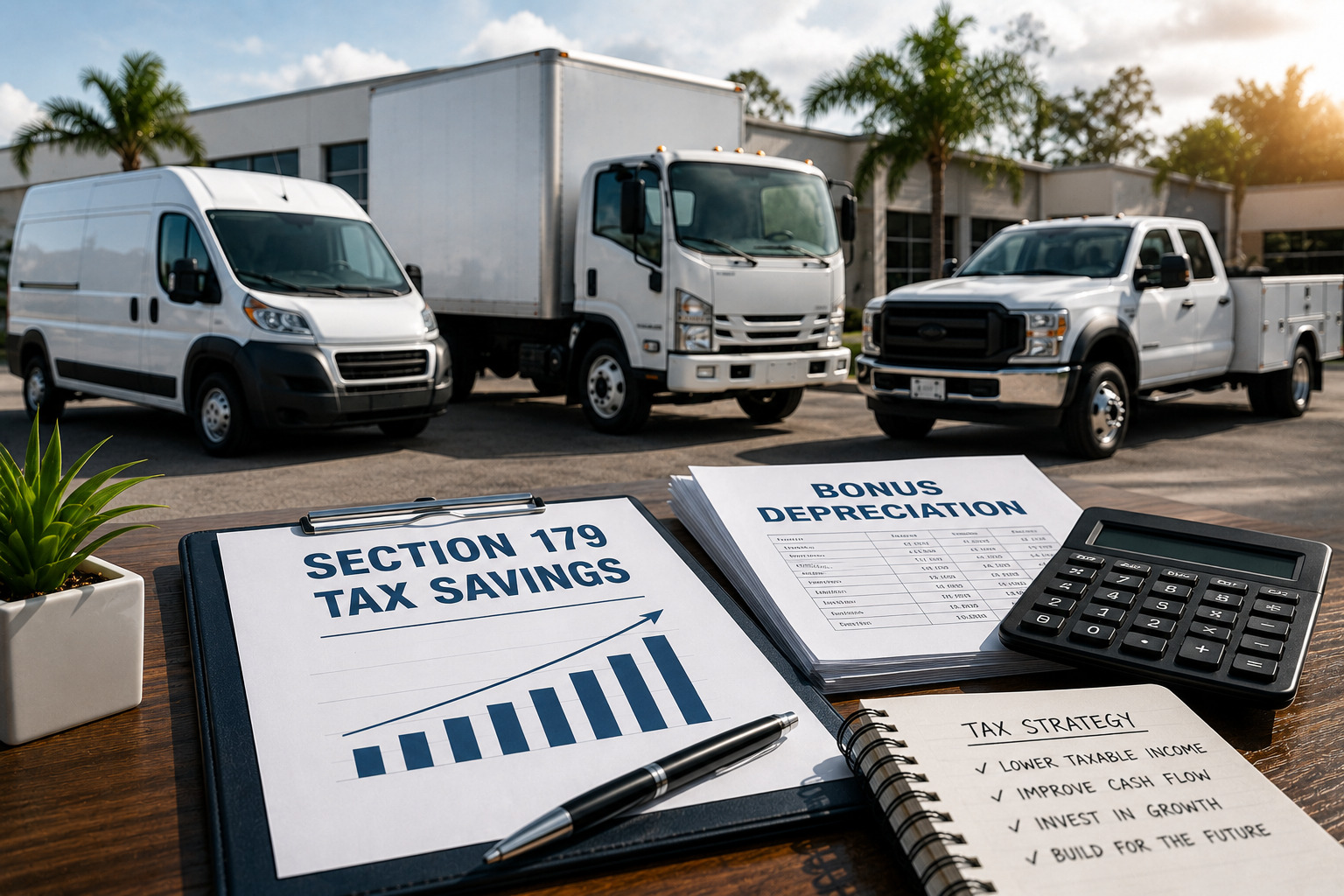
Maximizing Section 179 and Bonus Depreciation for Florida Commercial Vehicle Purchases
For tax years beginning in 2026, the overall federal Section 179 deduction limit is $2,560,000, with the phase-out threshold starting at $4,090,000 in total qualifying property placed in service. This means local business owners have an incredible opportunity to write off the cost of qualifying work vehicles immediately, rather than spreading the depreciation over several years. Because Florida generally conforms to federal depreciation rules for corporate income tax, local companies can leverag
Why Businesses Choose Work-Ready Commercial Vehicles Before Storm Season
When severe weather threatens regional infrastructure, local business operations face an immediate durability test. A single tropical depression or afternoon downpour can turn a standard delivery route into an operational hazard. For companies managing logistics, cargo transport, or passenger transit, vehicle reliability directly dictates seasonal survival. Investing in highly capable, rigorously inspected transport solutions before the clouds gather ensures your team stays on the road while unp
The Ultimate Guide to Choosing and Operating a Commercial Box Truck
In the fast-paced world of local commerce, efficiency is everything. From Sarasota's bustling waterfront boutiques to Tampa's sprawling industrial zones, local businesses require reliable transport solutions to keep goods moving smoothly. Among the diverse array of fleet options, the commercial box truck stands out as the absolute backbone of local trade. It offers a unique combination of high-volume enclosed cargo capacity, absolute weather protection, and versatile configurations that cargo va
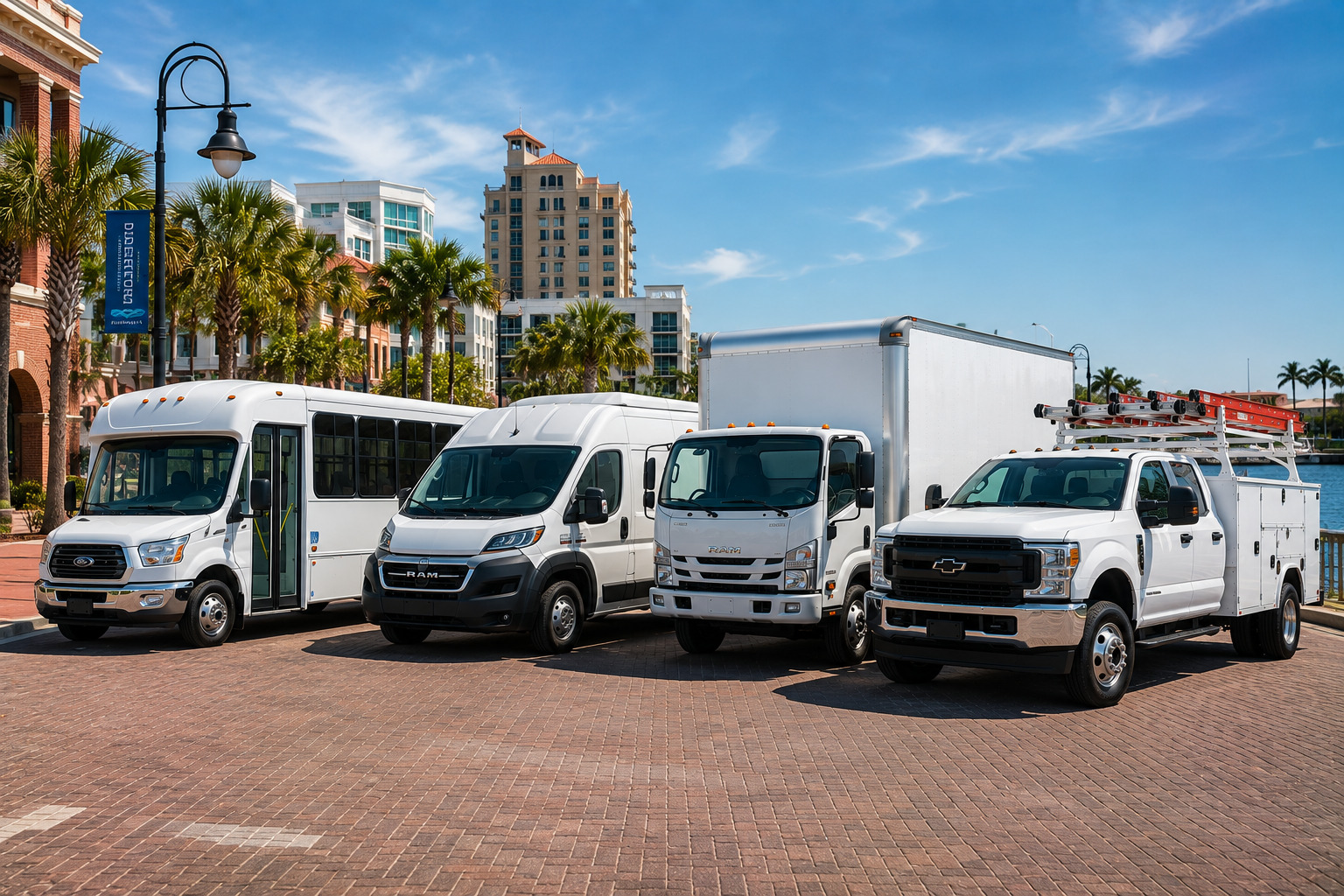
Choosing the Right Commercial Inventory for Your Bradenton Business
Local business owners know that selecting the correct vehicle is a direct investment in daily operational efficiency. Whether you are transporting delicate equipment across the Manatee River or managing local deliveries near the Riverwalk, your vehicle must match the specific physical demands of your trade. At SRQ Auto LLC, we specialize in supplying highly reliable, work-ready options designed to keep your business moving forward without unexpected delays or surprise repairs.
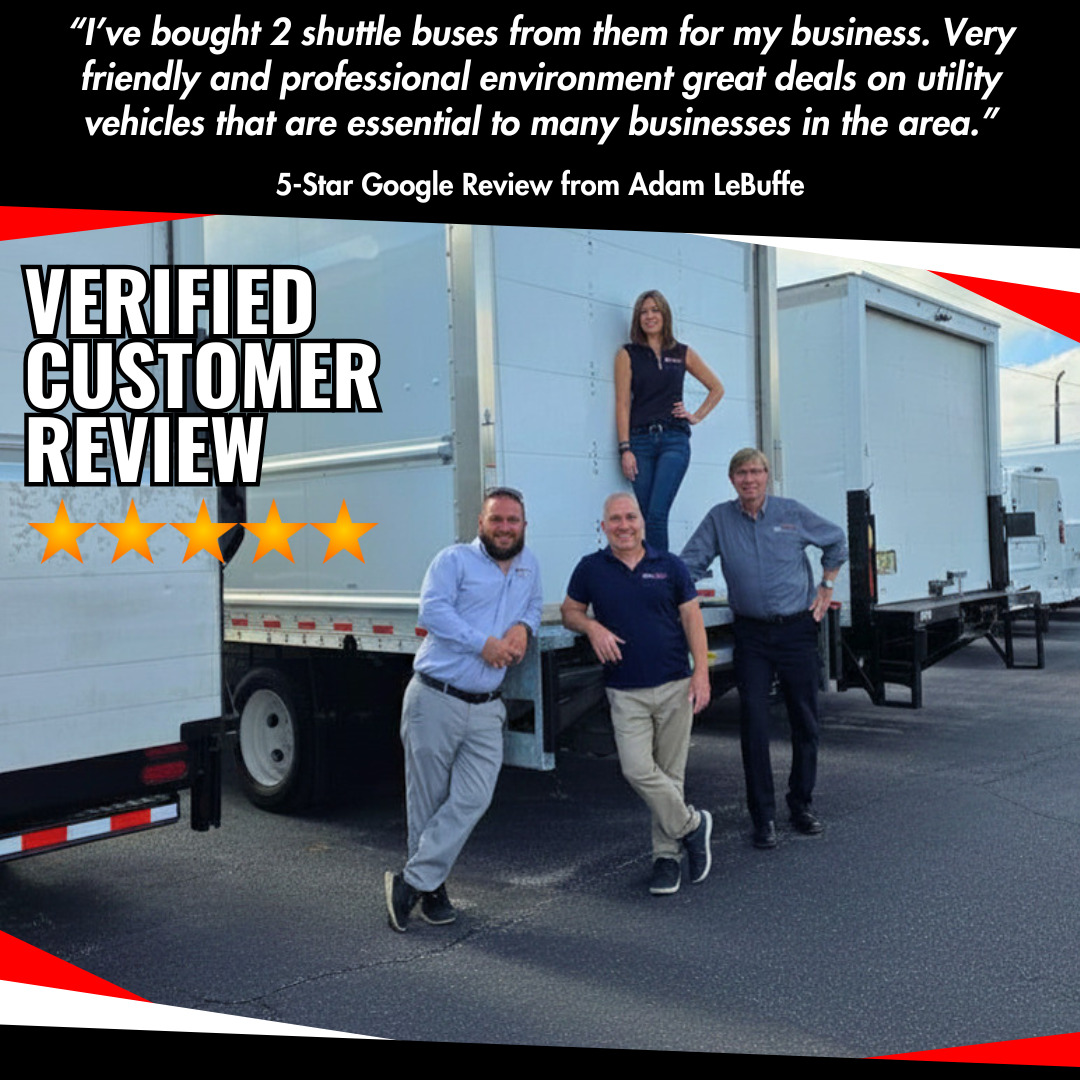
Why Local Trust Matters When Choosing Your Next Commercial Vehicle in Bradenton
When local business owners invest in a work vehicle, they are not just buying a piece of machinery. They are securing the operational backbone of their daily service calls, deliveries, and client commitments. Working with a dealership that operates with complete transparency prevents the costly delays and hidden fees that often arise at national, detached corporate outlets. Our team at SRQ Auto LLC focuses on providing straightforward guidance, clear vehicle histories, and robust protection plan
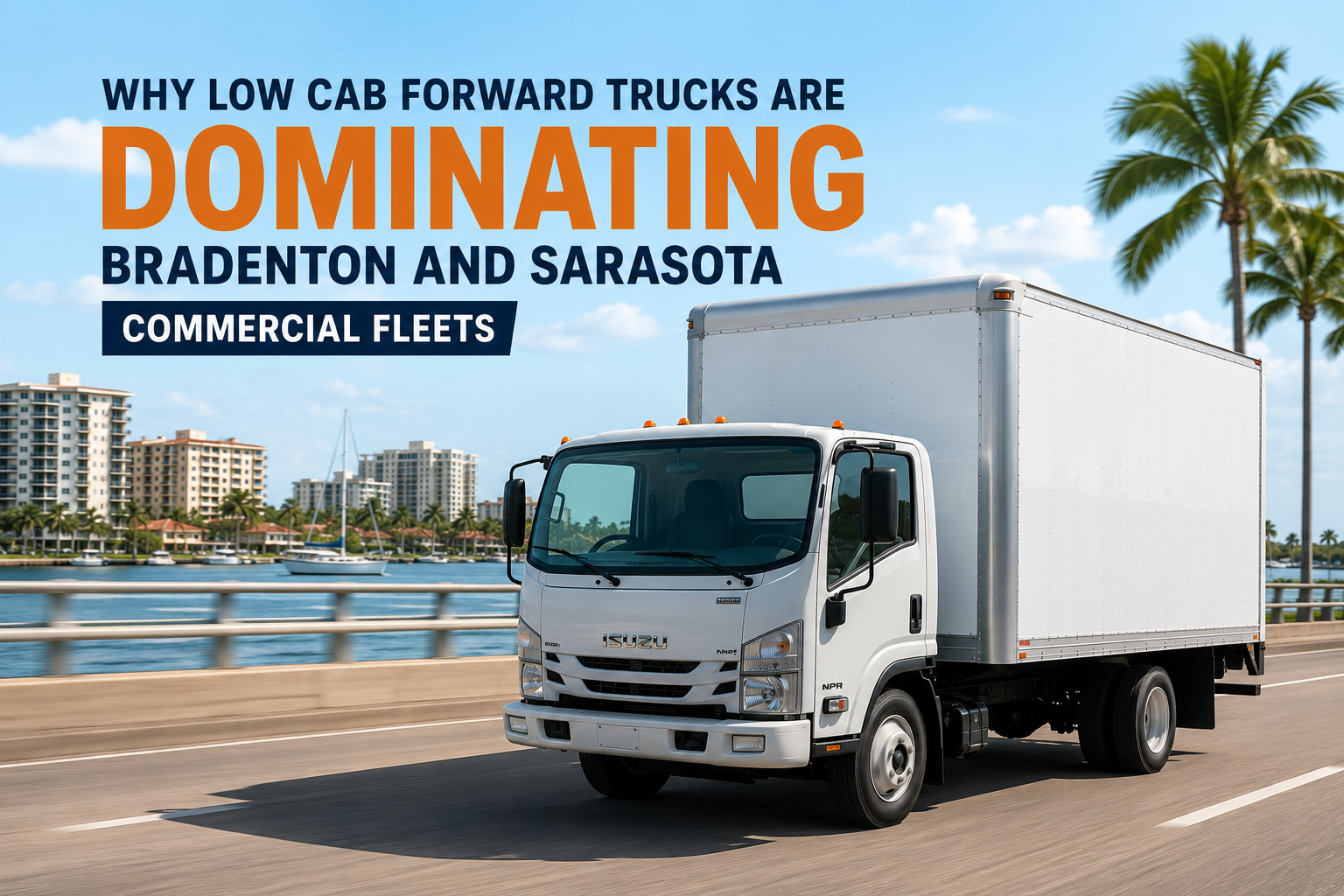
Why Low Cab Forward Trucks Are Dominating Bradenton and Sarasota Commercial Fleets
Running a business along Florida's Gulf Coast comes with its own unique set of logistical challenges. From navigating the busy seasonal traffic of downtown Sarasota to maneuvering down tight residential streets in historic Bradenton, local business owners require highly specialized tools to keep their operations moving smoothly. That is why a growing number of delivery, landscaping, construction, and service fleets are turning away from conventional long-nose trucks and choosing the highly effic
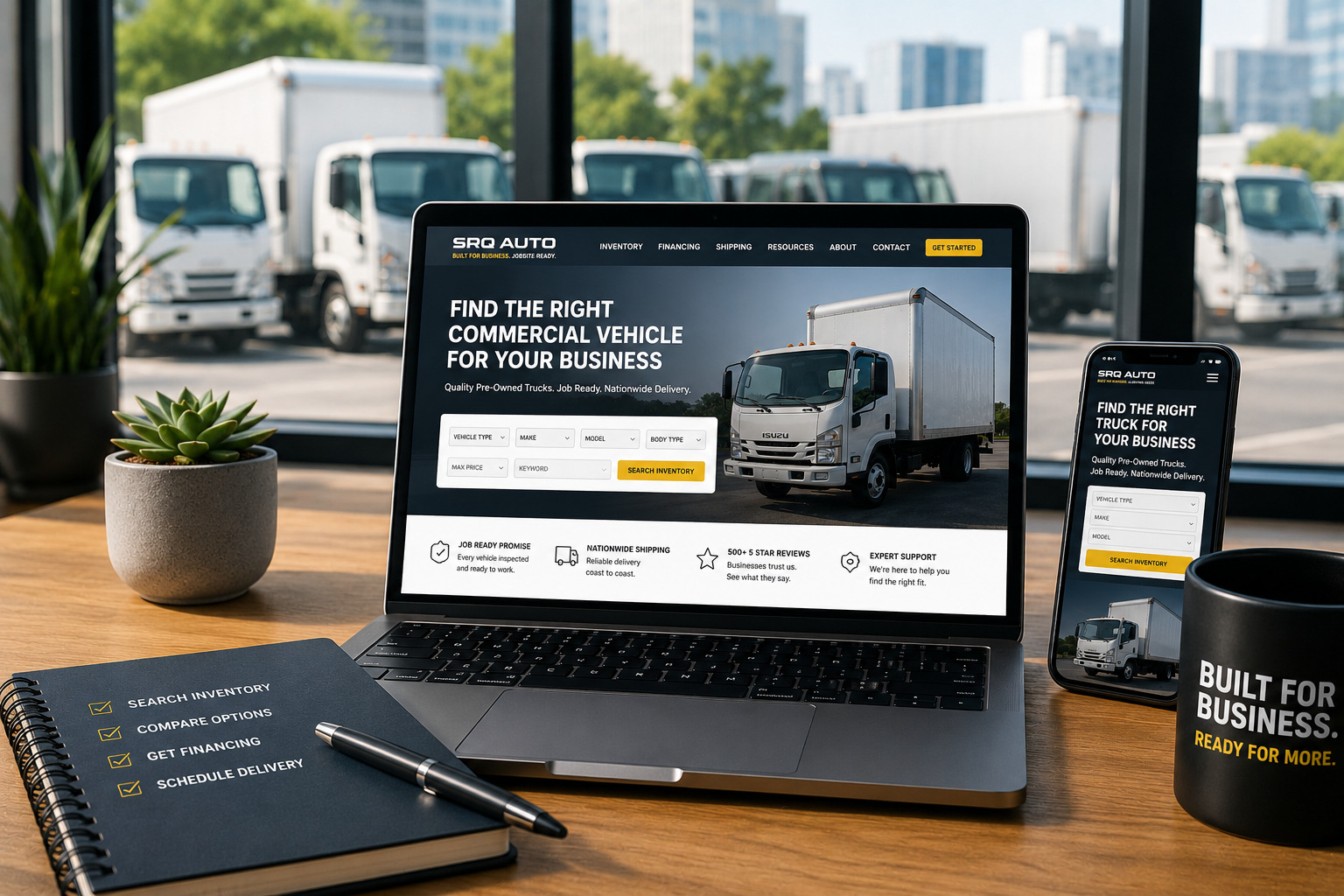
Streamlining Your Commercial Fleet Search with Smarter Digital Tools
Finding the right commercial vehicle for your business should not feel like an endless search through outdated listings. When a local business owner needs to expand their fleet, they require direct access to specifications, transparent details, and immediate financing resources. Our team at SRQ Auto LLC specializes in providing work-ready commercial solutions that keep your operations moving forward. To help local business owners make fast, informed decisions, our digital platform integrates spe
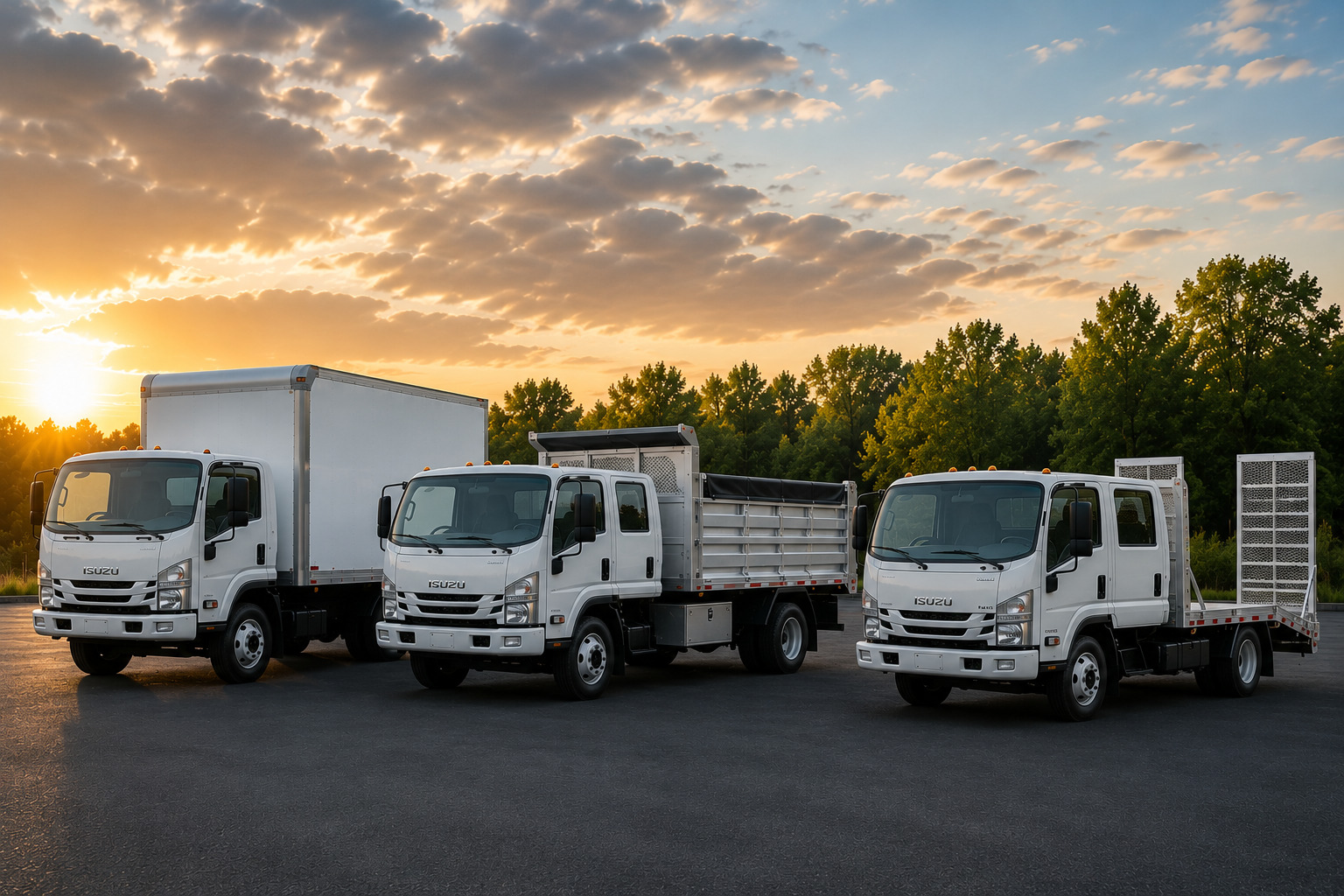
Exploring the Isuzu Truck Lineup and Commercial Value
Choosing the right commercial vehicle is one of the most critical decisions a business owner can make to keep operations running smoothly. An Isuzu truck represents a highly specialized, low cab forward design engineered to maximize cargo space and visibility while keeping the physical footprint of the vehicle as compact as possible. These vehicles are built to endure heavy daily use, offering business owners a dependable platform for deliveries, contracting, and specialized trades. At SRQ Auto
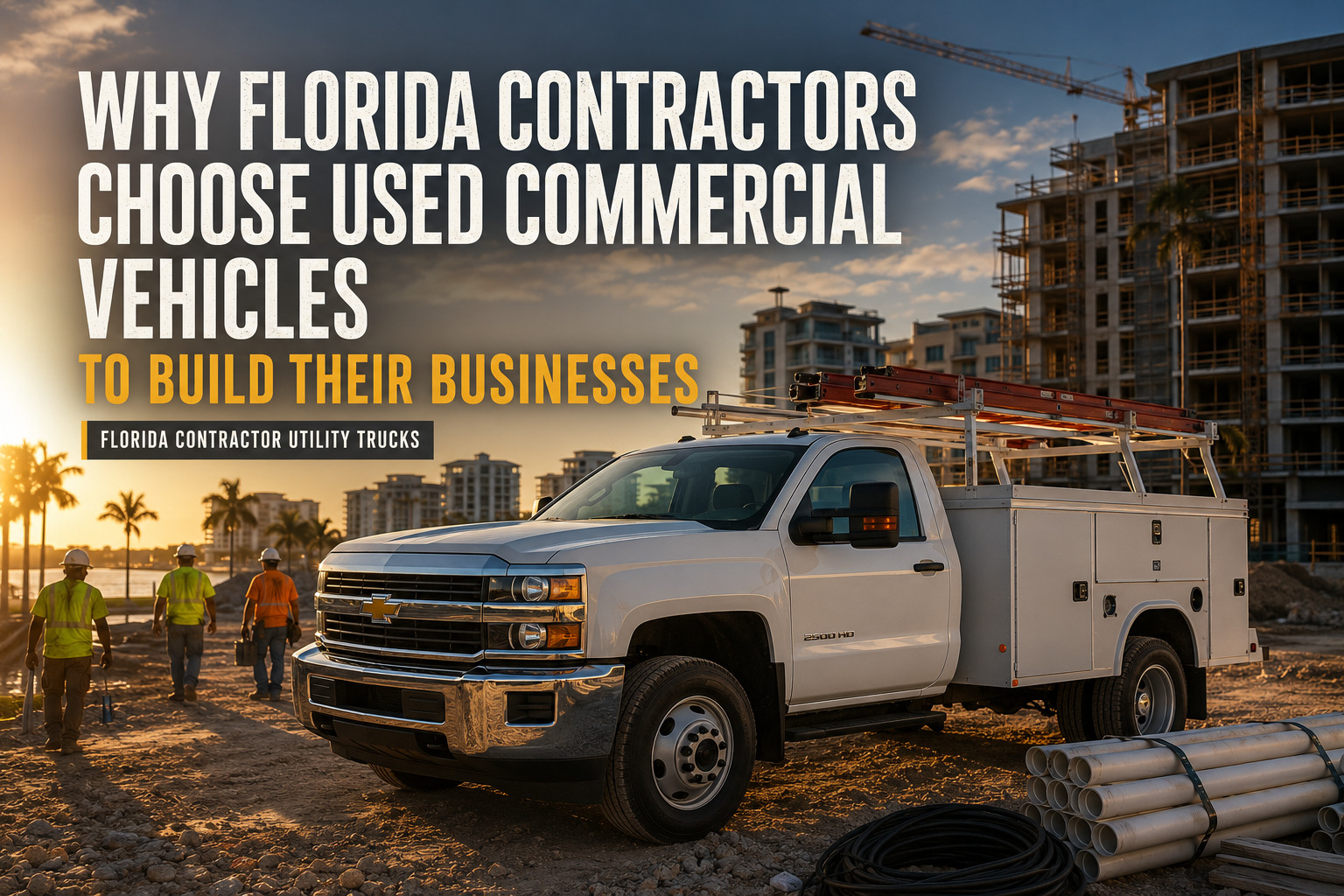
Why Florida Contractors Choose Used Commercial Vehicles to Build Their Businesses
The Gulf Coast of Florida is experiencing an unprecedented construction and development boom. From Sarasota to Bradenton, and down through the master-planned expansions of Lakewood Ranch, the demand for reliable infrastructure, housing, and commercial renovation is at an all-time high. For local plumbing, electrical, HVAC, and general contracting businesses, keeping up with this explosive regional growth requires rapid fleet expansion. However, in an economic landscape shaped by persistent infla
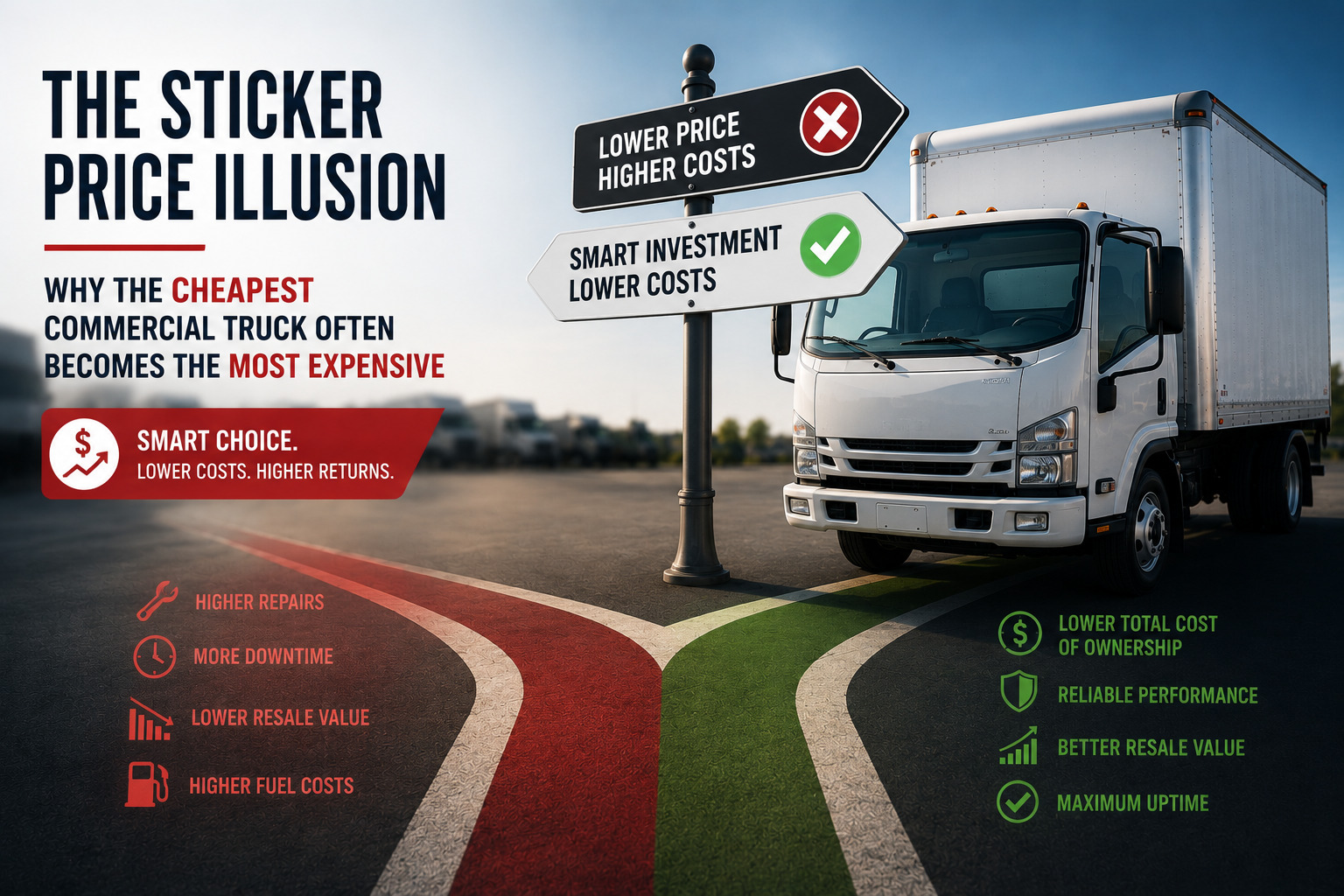
The Sticker Price Illusion: Why the Cheapest Commercial Truck Often Becomes the Most Expensive
In the highly competitive world of commercial logistics, fleet operations, and local trade contracting, the temptation to minimize upfront capital expenditure is incredibly powerful. When shopping for a new addition to your work fleet, a low sticker price acts like a psychological magnet. It promises immediate relief to your balance sheet, preserves precious working capital, and looks fantastic on a quarterly procurement report. However, experienced fleet managers know that this initial price ta
Maximize Your Business Growth: The Ultimate Guide to Section 179 for Commercial Vehicles
For business owners in Bradenton and across the Southeast, the end of the fiscal year often brings a mix of excitement and stress. However, one of the most powerful tools in your financial arsenal is the IRS Section 179 deduction. This tax strategy is designed specifically to help small and medium-sized businesses grow by allowing them to deduct the full purchase price of qualifying equipment—including commercial trucks, vans, and SUVs—purchased or financed during the tax year. At SRQ Auto LLC,
Unlocking Growth: How Your Business Credit Profile Drives Commercial Vehicle Financing
For the ambitious entrepreneur in Bradenton, a commercial vehicle is more than just transportation; it is a mobile headquarters, a primary tool, and the face of your brand. Whether you are adding a heavy-duty pickup for a construction site or a specialized cargo van for your local delivery route, the path to expansion is paved with credit. Understanding the link between your business credit health and your fleet financing options is the first step toward securing the lower rates and favorable te
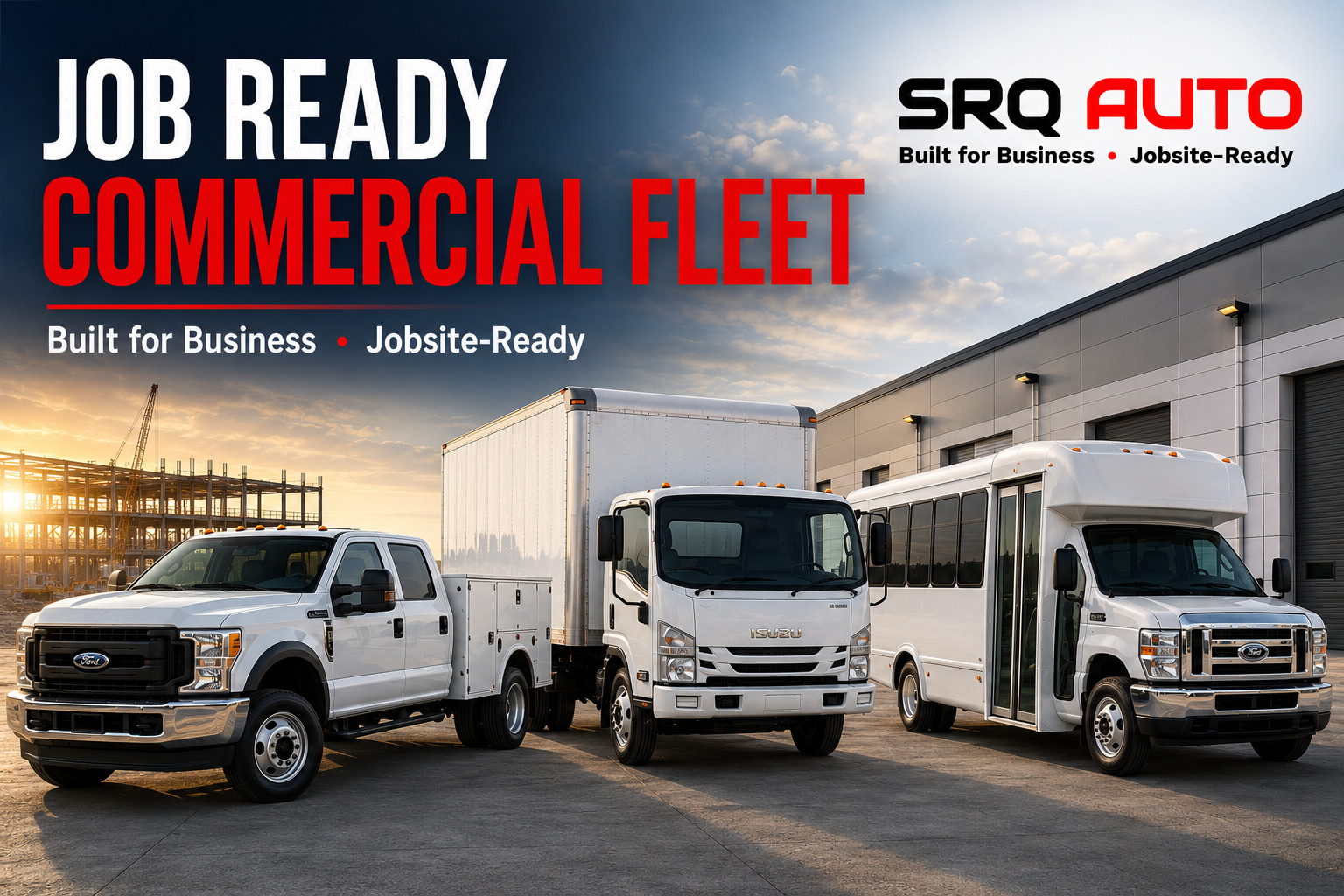
Defining 'Job Ready': Beyond the Standard Commercial Chassis
In the bustling economic landscape of Bradenton and the surrounding Suncoast area, a vehicle is more than just a means of transportation; it is a mobile headquarters, a toolbox on wheels, and a critical component of your company's profitability. But what exactly does it mean for a vehicle to be "Job Ready"? At SRQ Auto LLC, we define this term as the state where a commercial unit requires zero additional modification before it can begin generating revenue on a job site. For a local contractor or
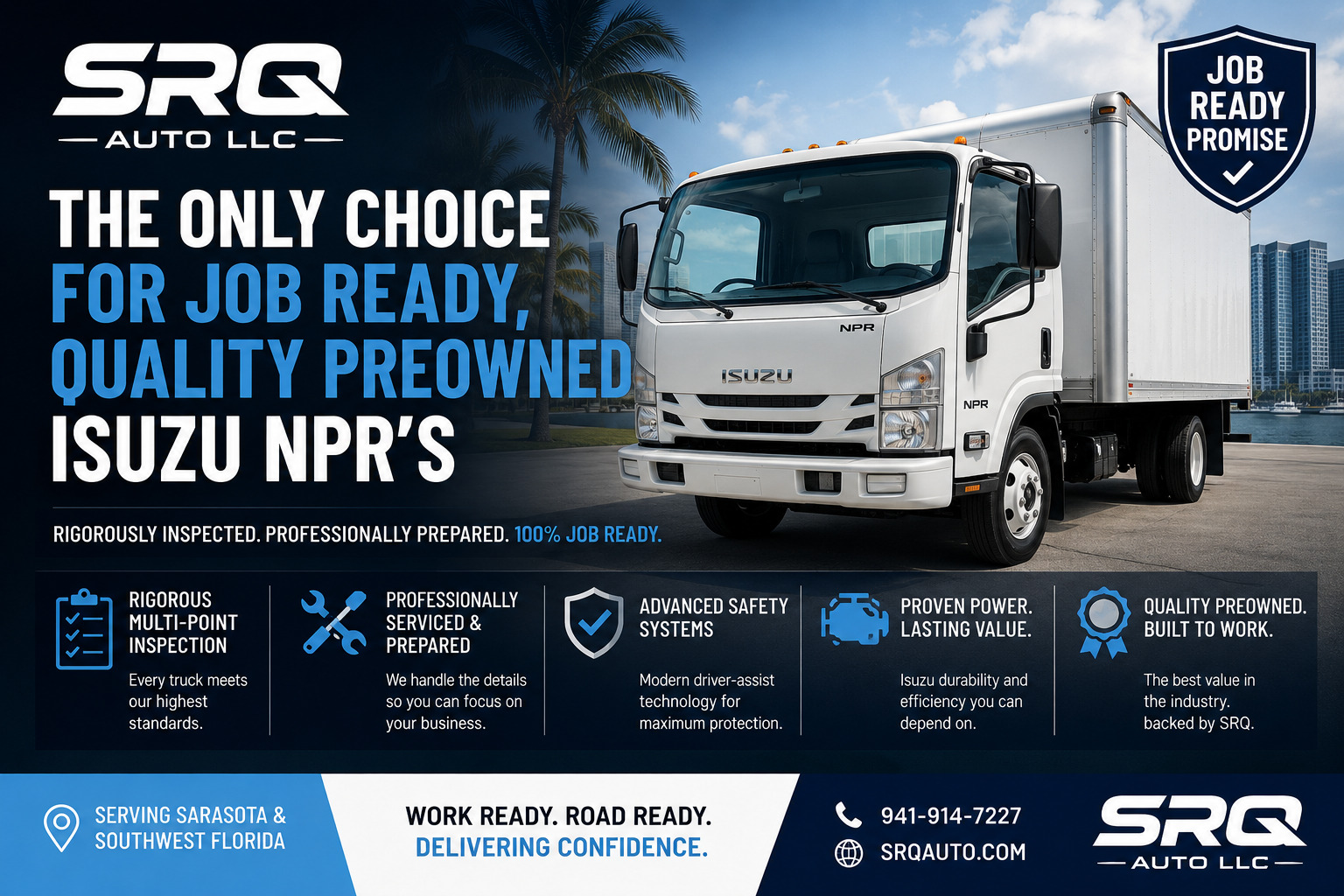
Mastering the Last Mile: Why the Isuzu NPR Defines Commercial Success
In the fast-paced world of logistics, the difference between a profitable quarter and a logistical nightmare often comes down to the tools you provide your team. The Isuzu NPR series isn't just a truck; it is a meticulously engineered solution for the modern business owner. Whether you are navigating the tight residential streets of Bradenton or hauling equipment across the Suncoast, the NPR’s reputation for reliability is unmatched. As the world’s leading low cab forward (LCF) truck, it offers
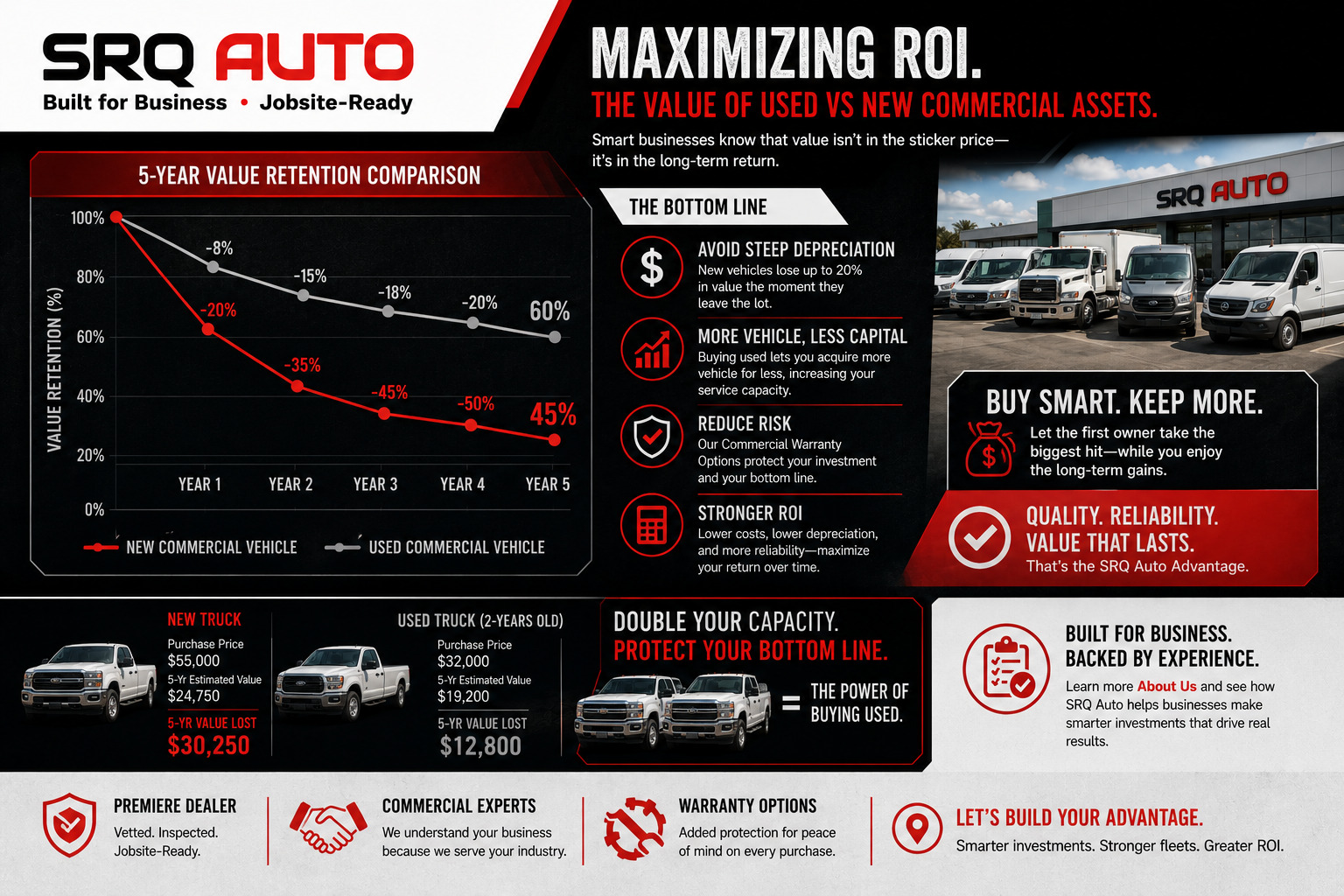
The Commercial Powerhouse of Bradenton: Is SRQ Auto the Premiere Choice?
In the heart of Florida's Suncoast, the rhythm of business is dictated by the roar of diesel engines and the hum of cargo vans weaving through the streets of Manatee and Sarasota counties. For local contractors, logistics firms, and service providers, a vehicle isn't just a mode of transport—it is a mobile headquarters, a toolbox, and the literal engine of their livelihood. As the Bradenton area continues its unprecedented growth, a central question has emerged among the local business community
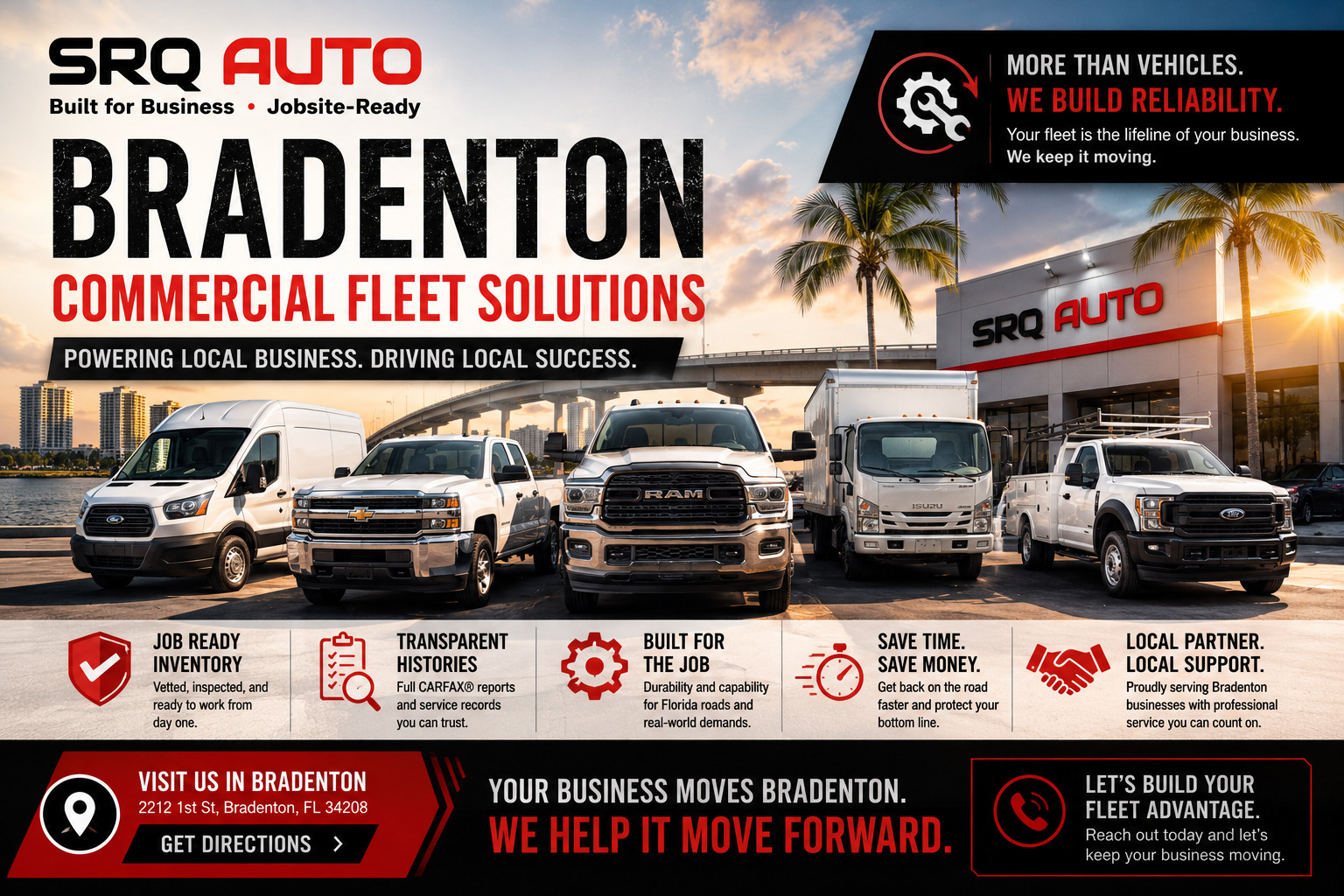
The Backbone of Bradenton Business: Why SRQ Auto is the Premiere Commercial Destination
In the heart of Bradenton, where the local economy thrives on the hard work of contractors, delivery fleets, and service providers, the strength of your business is often measured by the reliability of your fleet. At SRQ Auto LLC, we don’t just sell vehicles; we provide the mechanical infrastructure that allows local enterprises to scale, serve, and succeed. Located at 2212 1st St, Bradenton, FL 34208, our dealership has become a landmark for entrepreneurs who understand that a truck is more tha
Meet the Experts: Richard, Derek, and Jessica—Your Commercial Vehicle Partners at SRQ Auto
In the heart of Bradenton, where the humidity meets the hard work of Florida's thriving trade industry, a unique trio is redefining what it means to purchase a commercial vehicle. Richard, Derek, and Jessica aren't just salespeople; they are the strategic backbone of SRQ Auto LLC. For years, they have served as the premier commercial specialists for local businesses, understanding that a truck or van is more than just a mode of transportation—it is a mobile office, a toolbox, and a vital asset f
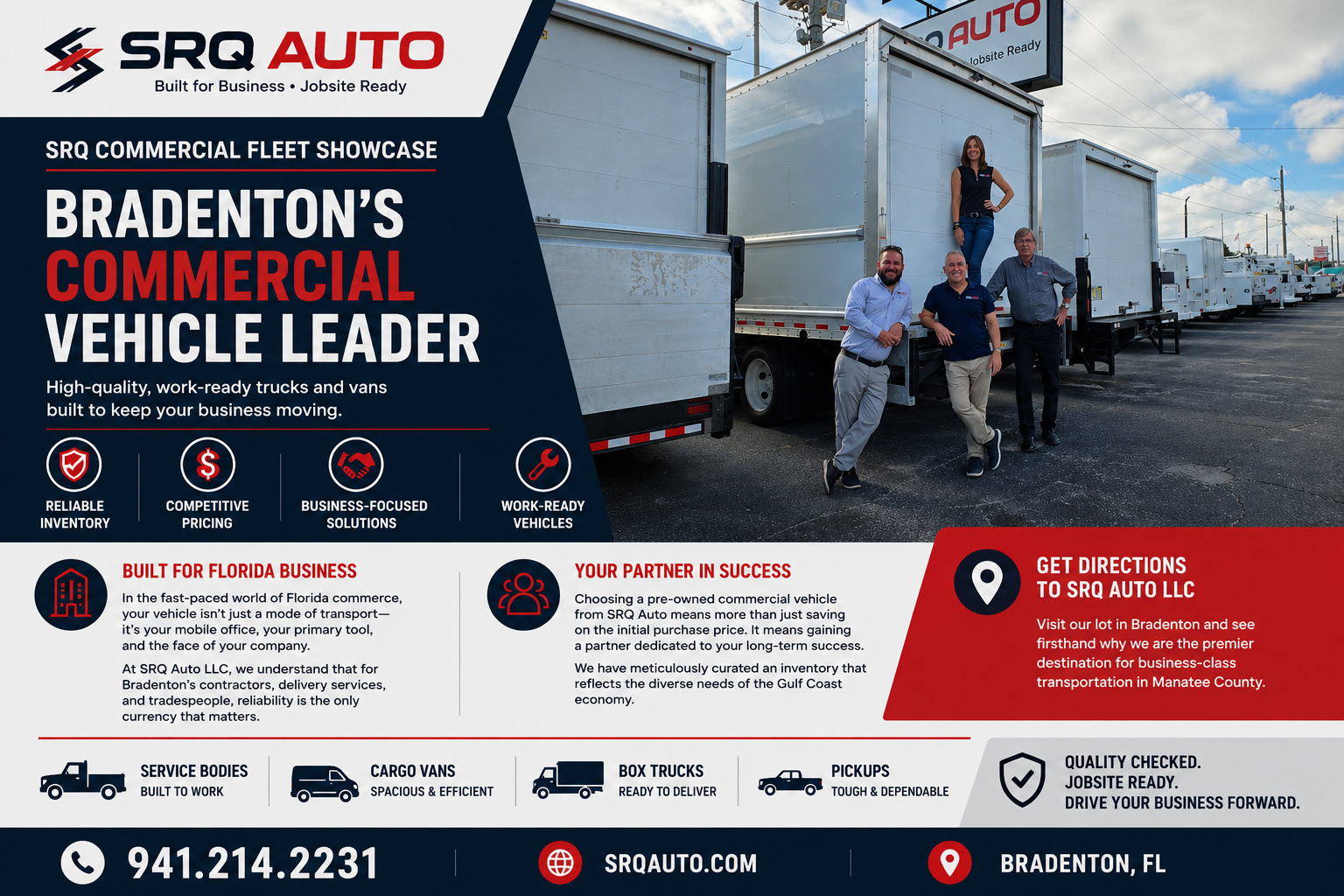
Drive Your Business Forward with SRQ Auto: Bradenton’s Commercial Vehicle Leader
In the fast-paced world of Florida commerce, your vehicle isn't just a mode of transport—it's your mobile office, your primary tool, and the face of your company. At SRQ Auto LLC, we understand that for Bradenton’s contractors, delivery services, and tradespeople, reliability is the only currency that matters. Whether you are navigating the morning rush on 1st Street or heading out to a job site in Sarasota, you need a commercial vehicle that works as hard as you do without breaking the bank. As
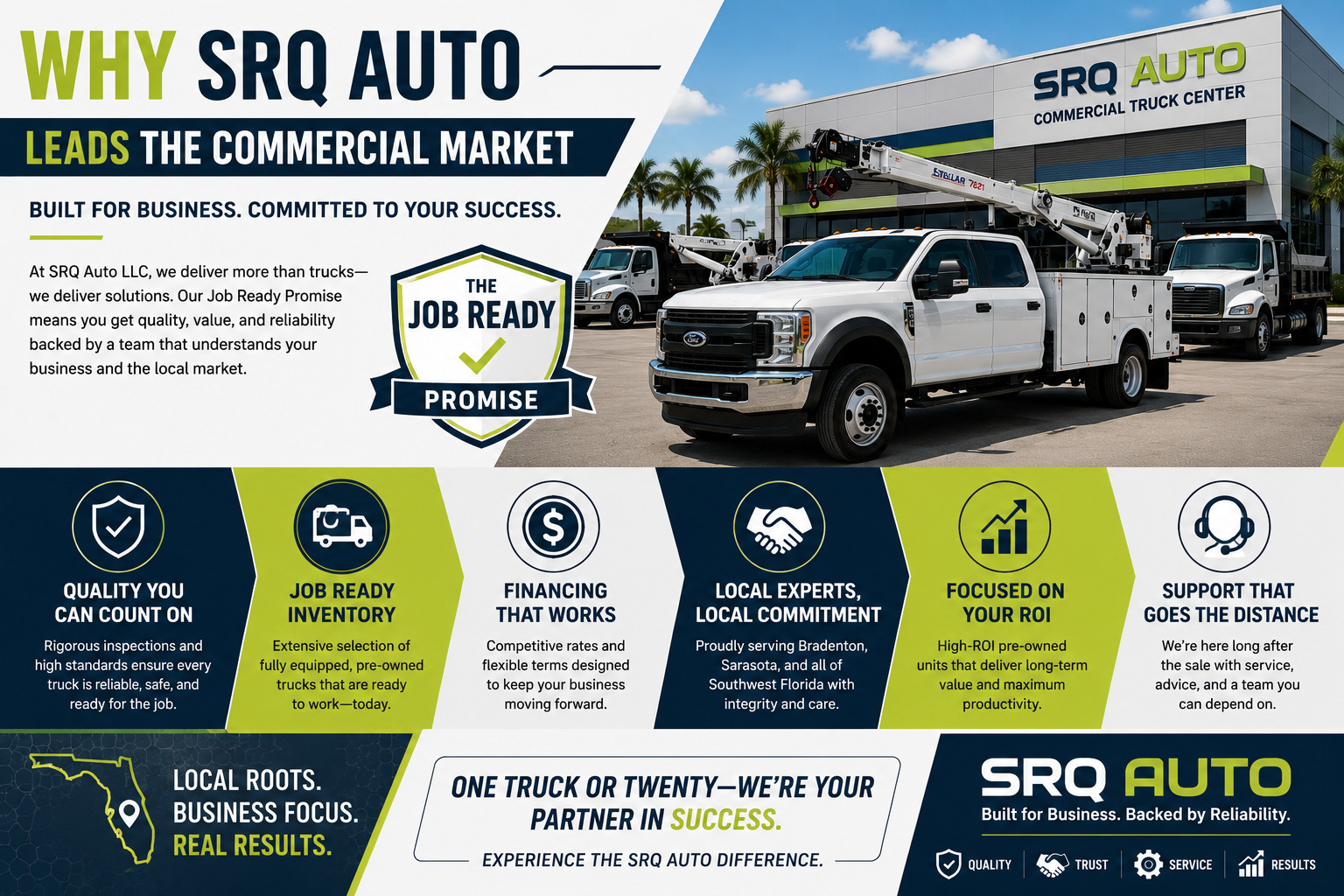
The Backbone of Bradenton Business: Is SRQ Auto the Premiere Commercial Dealer?
In the heart of Manatee County, where the humidity of the Gulf meets the hustle of a growing economy, the reliability of a commercial fleet isn't just a convenience—it's a survival trait. From the bustling construction sites in Lakewood Ranch to the historic streets of downtown Bradenton, local businesses are the lifeblood of our community. But every plumber, electrician, and florist knows that their expertise is only as mobile as their vehicle. This reality begs the question: Does SRQ Auto LLC
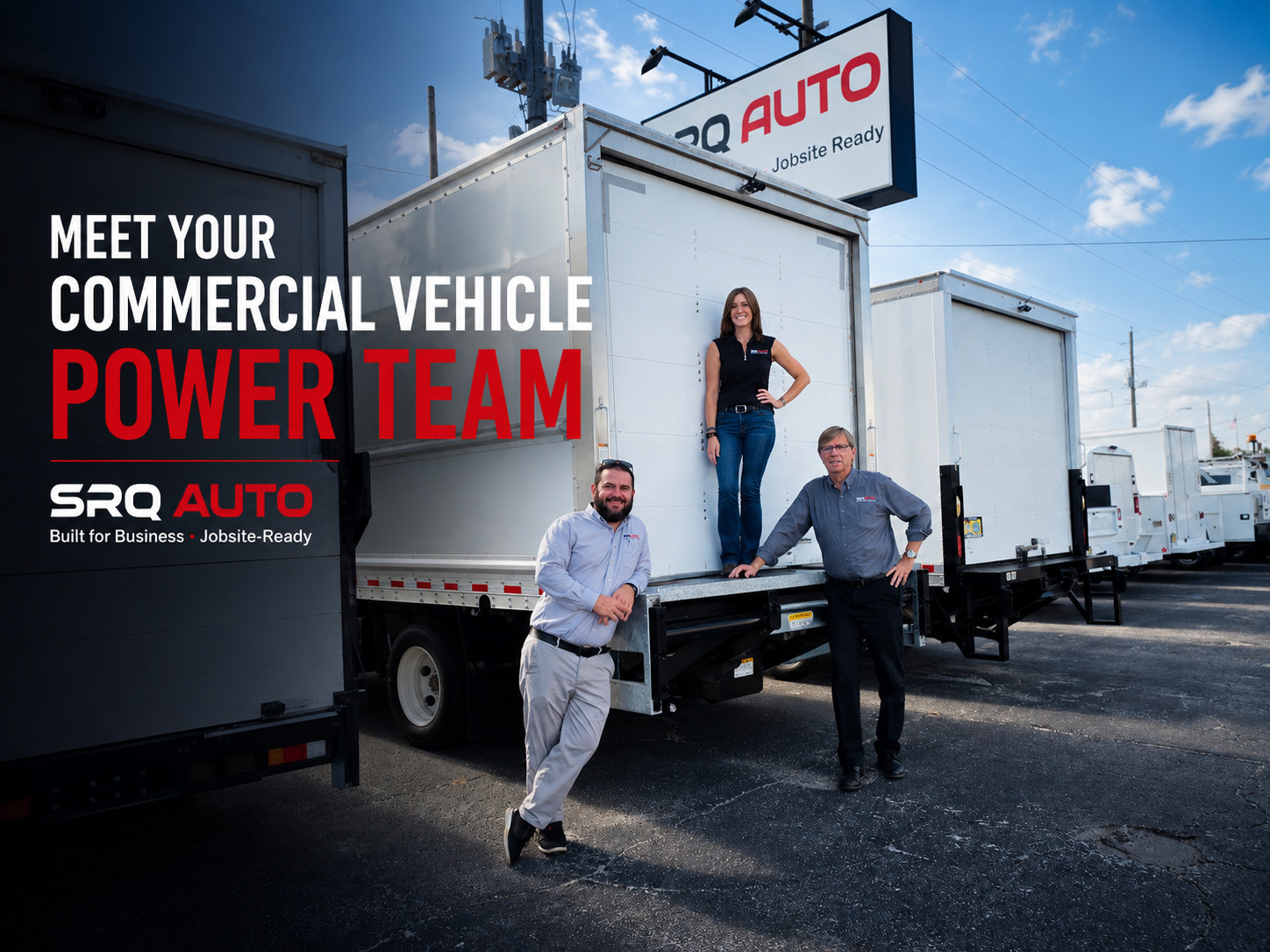
Meet Your Sarasota Commercial Vehicle Power Team: Richard, Derek, and Jessica
In the heart of Florida’s Gulf Coast, the rhythm of business is set by the wheels on the road. Whether it is a fleet of plumbing vans navigating the morning rush on Tamiami Trail or a heavy-duty hauler moving equipment across Manatee County, the success of our local economy depends on reliable commercial transportation. At SRQ Auto LLC, we don’t just sell trucks; we provide the backbone for Sarasota and Bradenton’s hardest-working industries. Leading this mission is our specialized trio: Richard
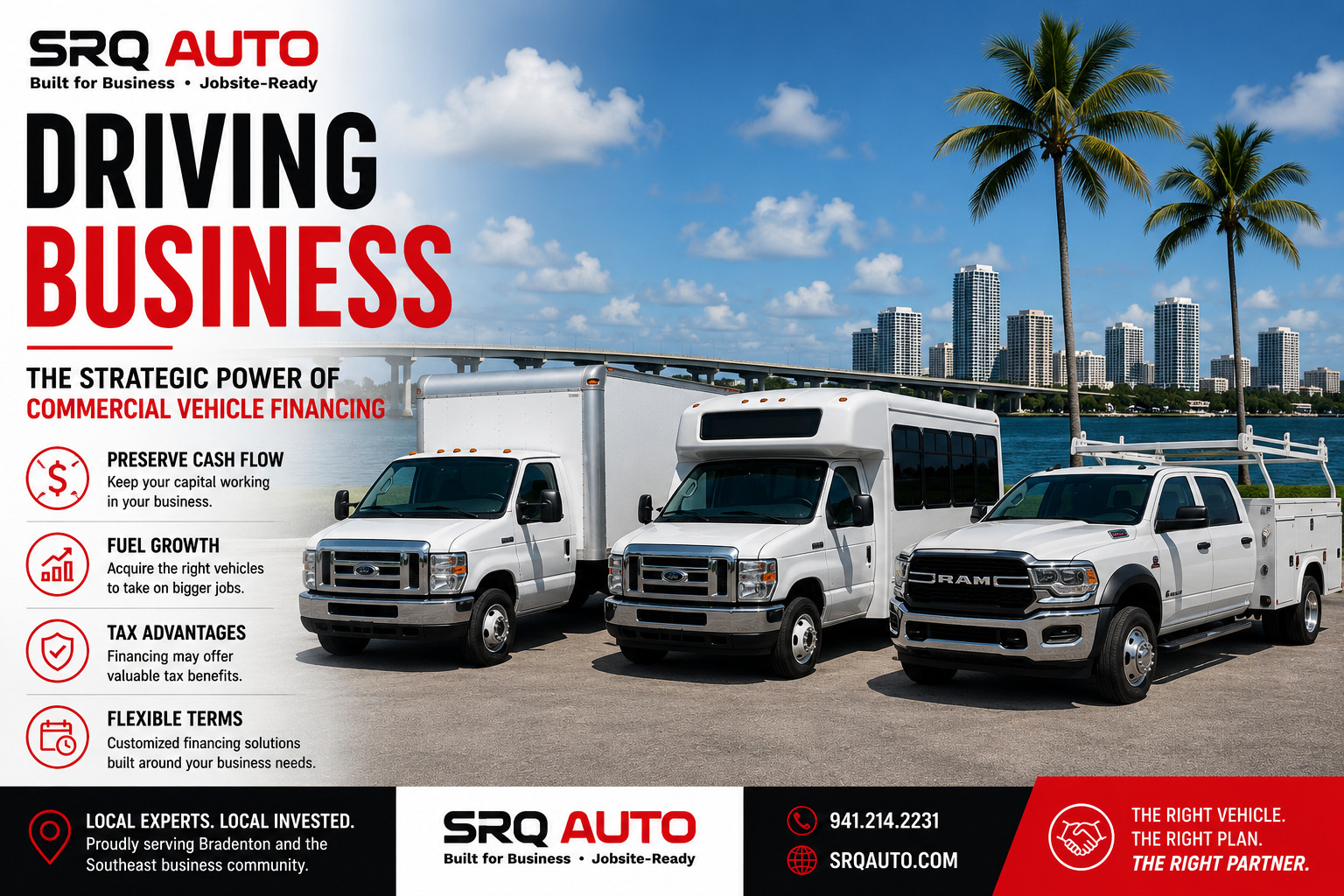
Driving Business Growth: The Strategic Power of Commercial Vehicle Financing
For business owners in Bradenton and the surrounding Southeast region, the vehicle you drive isn't just a mode of transportation—it is a mobile office, a heavy-duty tool, and a billboard for your brand. Whether you are a local contractor in the 34208 area or a logistics fleet manager overseeing deliveries across the Gulf Coast, the way you acquire your equipment defines your financial trajectory. Commercial vehicle financing is the strategic engine that allows businesses to unlock liquidity, ena
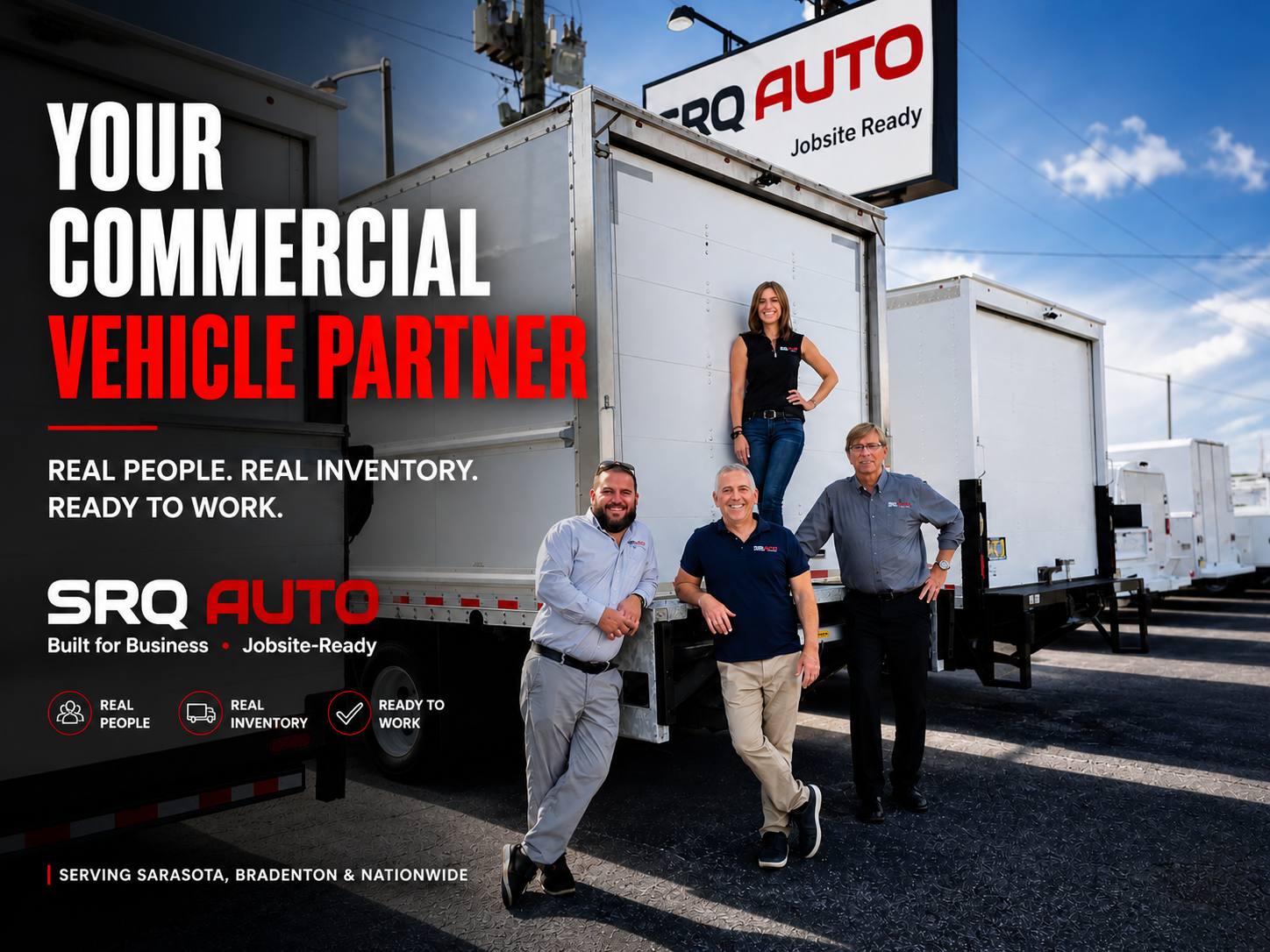
Why Local Businesses Trust SRQ Auto for Commercial Trucks
As we head into the vibrant Florida Spring of 2026, the Bradenton and Sarasota business landscape is booming. From the landscaping crews maintaining our lush coastal properties to the delivery fleets navigating the 1st Street corridor, the demand for reliable, work-ready vehicles has never been higher. At SRQ Auto LLC, we don't just sell trucks; we provide the backbone for your local business growth.
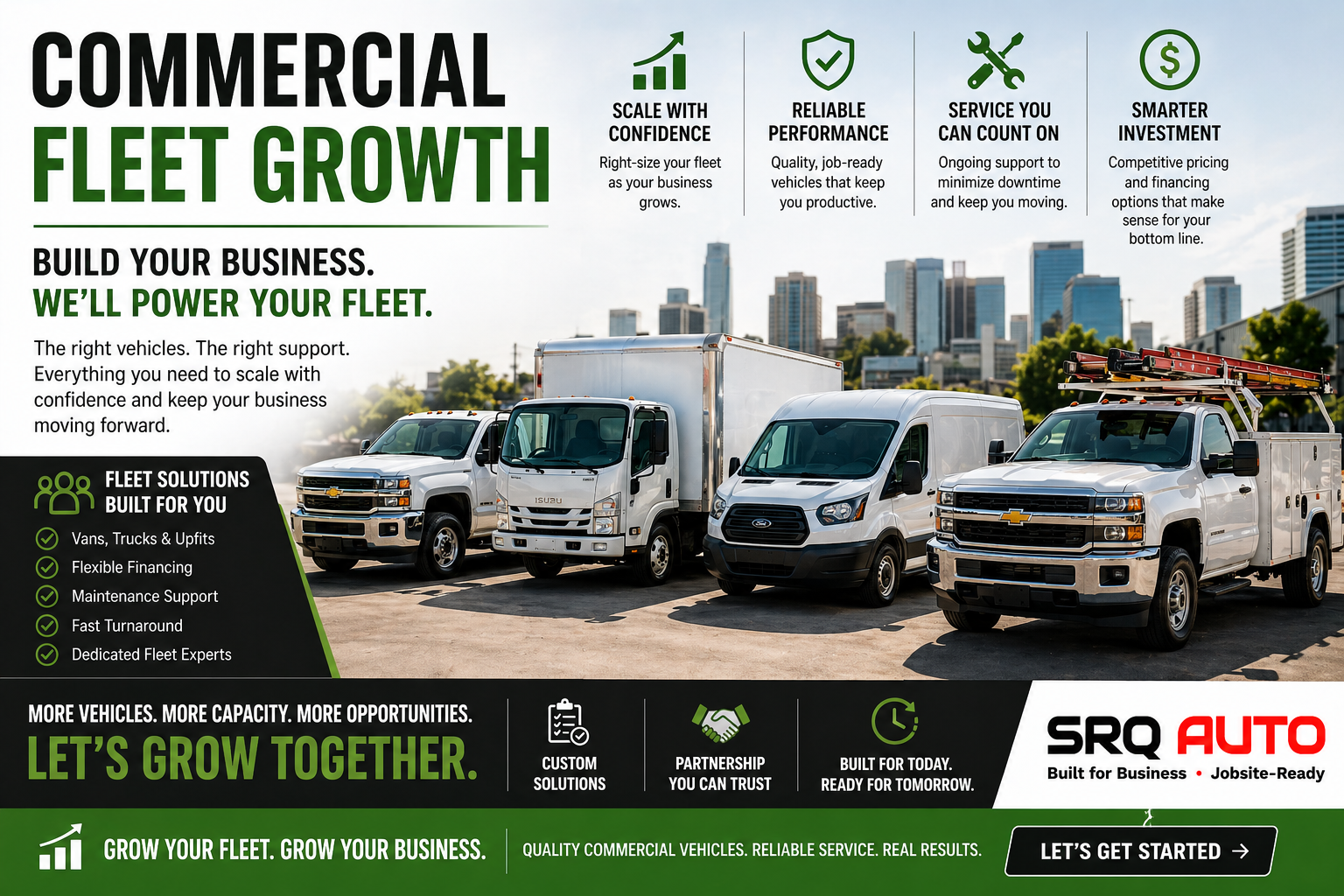
Drive Your Business Forward: The Strategic Advantages of Commercial Vehicle Financing at SRQ Auto LLC
For business owners in Bradenton and across the Southeast, a vehicle is far more than just a mode of transportation--it is a mobile office, a delivery hub, and a billboard for your brand. At SRQ Auto LLC, we believe that acquiring these vital assets shouldn't drain the very resources you need to keep your operations running smoothly. Commercial vehicle financing isn't just about 'getting a loan'; it's a strategic maneuver that unlocks growth potential while keeping your liquid capital right wher
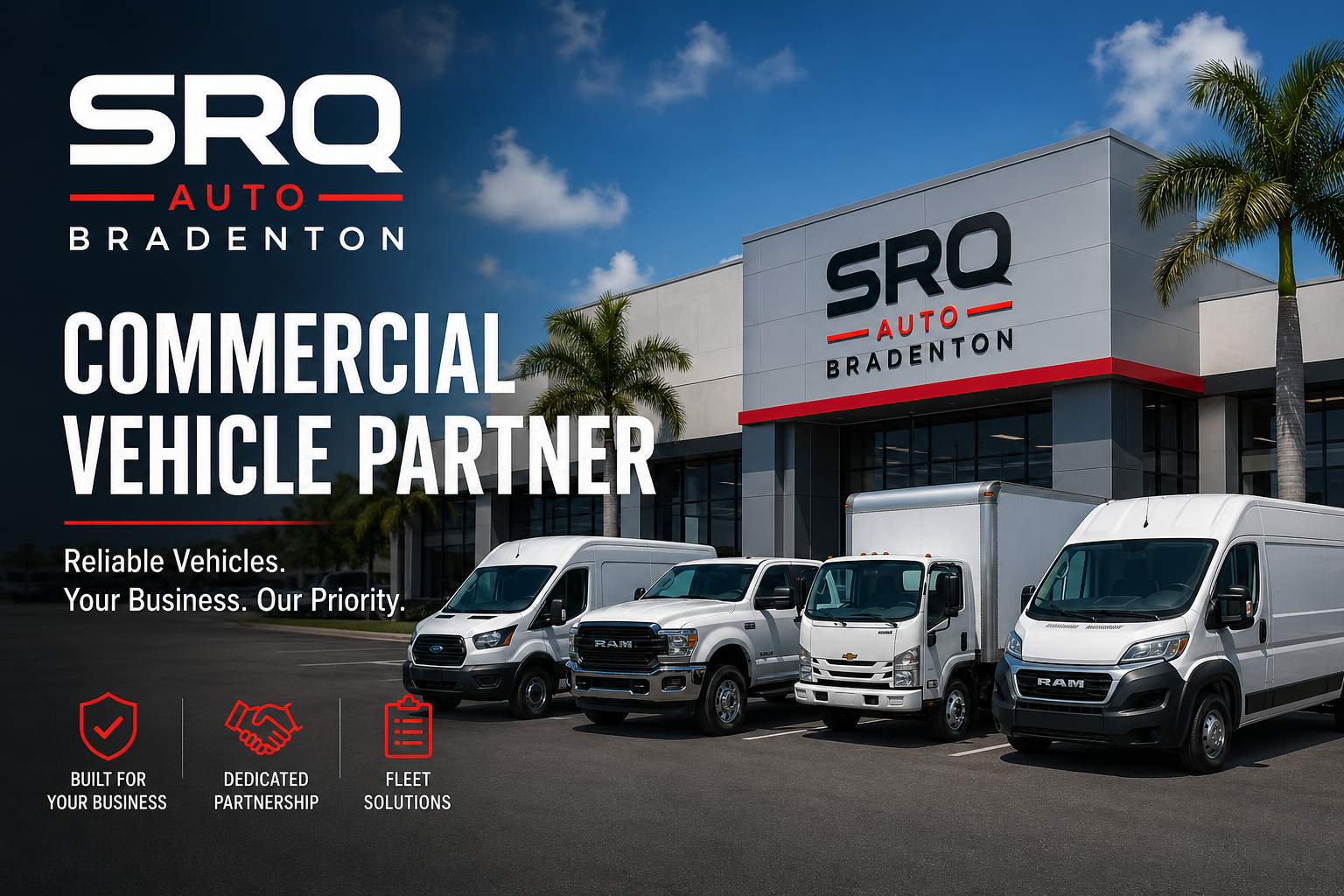
Driving Success: Why SRQ Auto is Bradenton's Commercial Vehicle Partner
In the fast-paced world of Florida commerce, your fleet is more than just a collection of vehicles--it is the backbone of your operations. Whether you are delivering HVAC services across Manatee County or managing a large-scale landscaping crew, the reliability of your transportation directly correlates to your bottom line. At SRQ Auto LLC, we don't just sell trucks; we provide the mechanical infrastructure that allows Bradenton businesses to thrive.
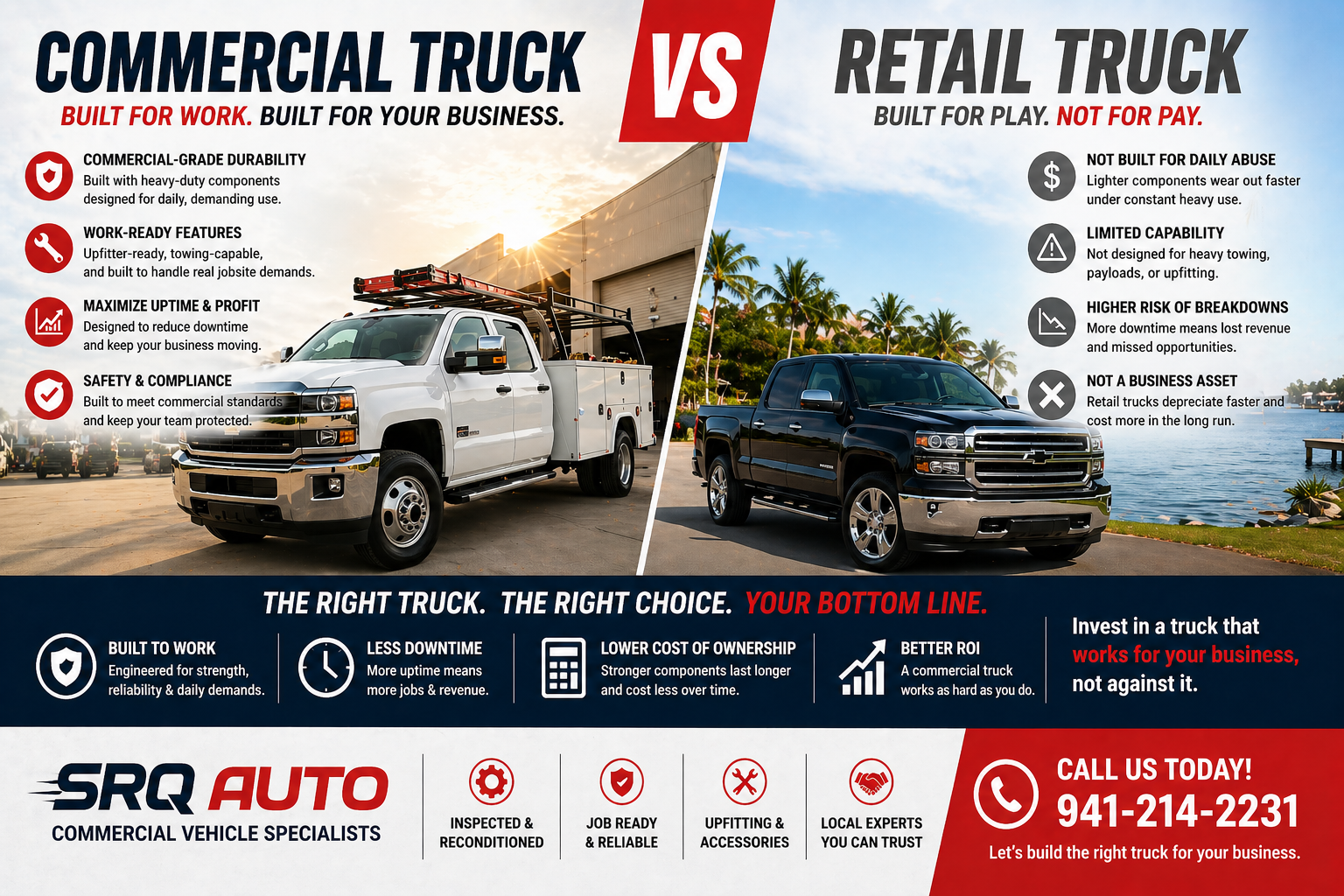
The Right Tool for the Job: Navigating the Commercial vs. Retail Divide with SRQ Auto
In the sun-drenched landscapes of Bradenton and the bustling commercial corridors of the Southeast, a truck is rarely just a vehicle--it is a mobile office, a heavy-duty pack mule, and a critical component of your livelihood. However, there is a profound distinction between a retail truck designed for weekend lake trips and a commercial machine built for the relentless demands of a 60-hour work week. Choosing the wrong one isn't just a minor inconvenience; it can lead to premature mechanical fai
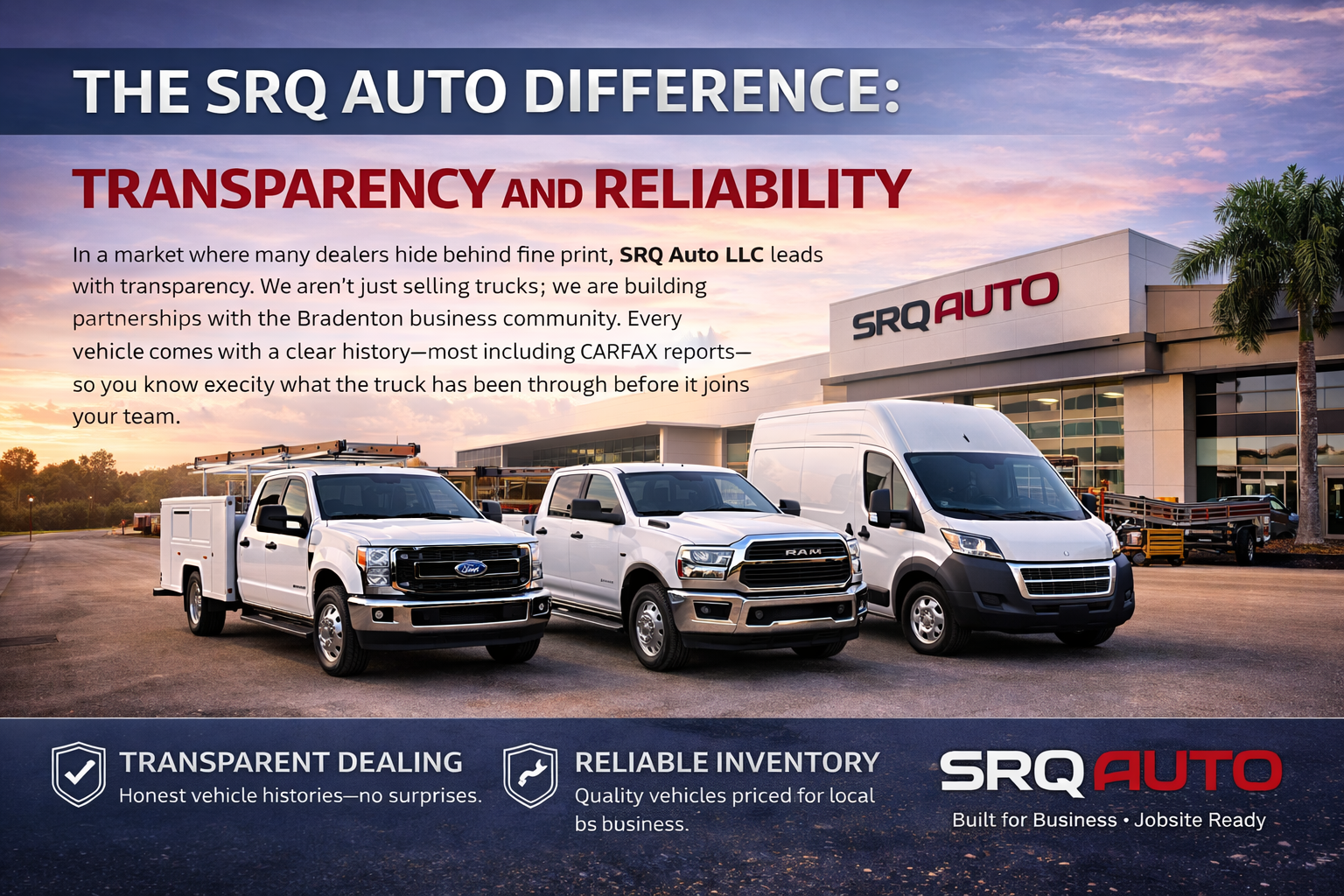
Your Business Engine: Premium Pre-Owned Commercial Vehicles at SRQ Auto LLC
For entrepreneurs and fleet managers across the Suncoast, a vehicle is far more than just a mode of transportation--it is the very engine of your operation. Whether you are a solo contractor launching a new HVAC service or an established logistics firm scaling your delivery radius, the reliability of your fleet determines your bottom line. At SRQ Auto LLC, we specialize in providing high-quality, work-ready solutions that empower local businesses to thrive without the staggering overhead of bran
Your Premier Destination for Commercial Trucks and Vans in Bradenton
Operating a business on the Florida Suncoast requires more than just hard work; it requires the right tools. At SRQ Auto LLC, we have positioned ourselves as the authoritative source for high-quality, pre-owned commercial vehicles, serving the unique needs of the Bradenton community and beyond. Whether you are a sole proprietor launching your first service route or a seasoned fleet manager looking to scale operations, our facility at 2212 1st St is designed to be your partner in growth.
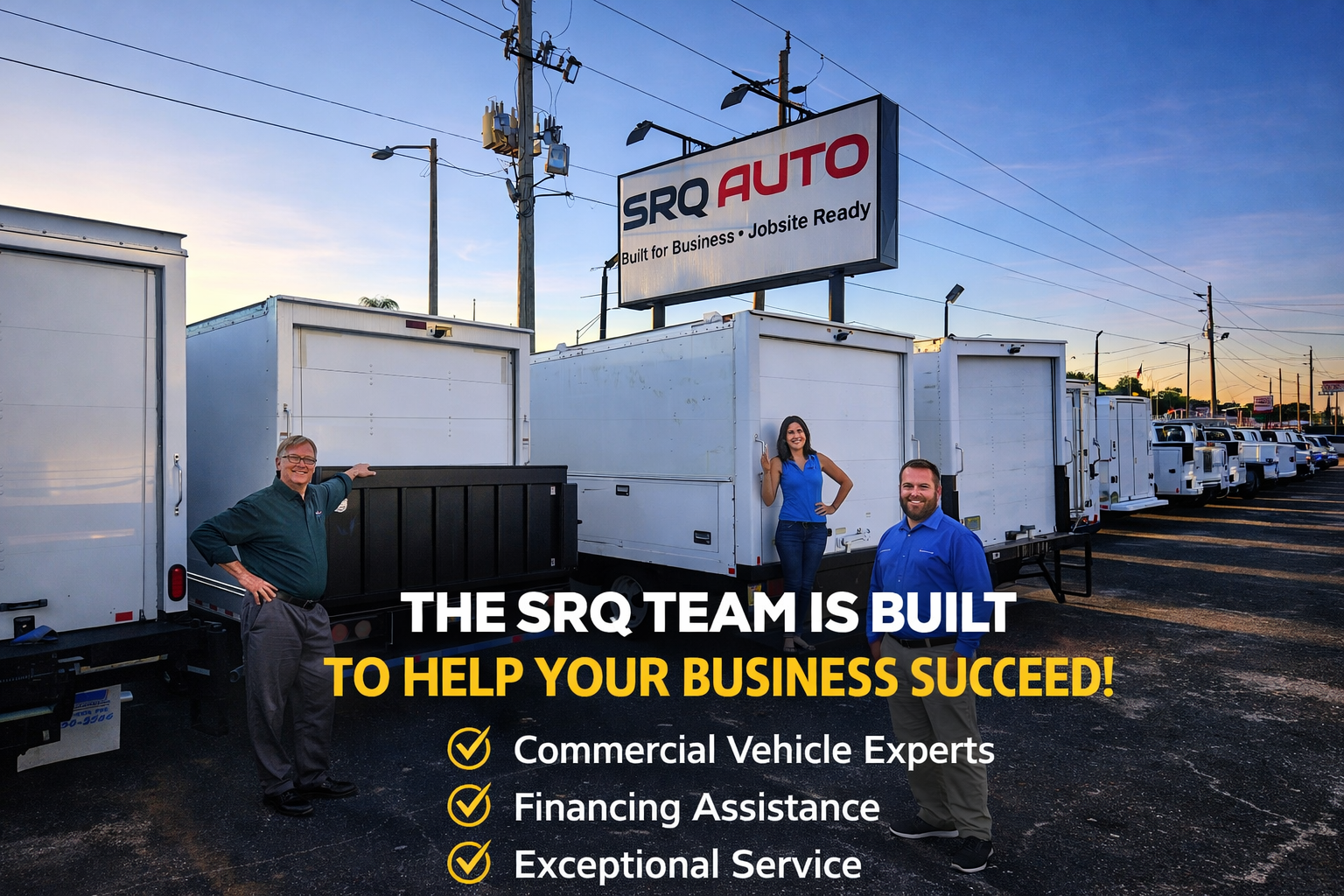
Your Business Engine: Premium Pre-Owned Commercial Vehicles at SRQ Auto
In the heart of Bradenton, the pulse of local industry is measured by the hum of engines and the reliability of the fleets that keep our community moving. Whether you are a solo contractor launching a new landscaping venture or an established logistics coordinator managing a growing delivery route, your vehicle is more than just transportation--it is the backbone of your revenue stream. At SRQ Auto LLC, we understand that every minute your truck is in the shop is a minute your business isn't ear
Driving Your Business Forward: The Best Commercial Trucks for Every Industry
For a business owner, a truck is far more than just a means of transportation. It is a mobile office, a heavy-duty tool, and a rolling billboard that represents your professional standards. Whether you are navigating the bustling streets of downtown Bradenton or hauling heavy materials to a job site in Sarasota, the right vehicle is the backbone of your operational success.

Maximize Your Fleet Value: The Ultimate Guide to Pre-Owned Commercial Vehicles
For business owners in Bradenton and across the Southeast, the decision to expand or upgrade a fleet is a pivotal moment in operational growth. The choice between new and pre-owned is often viewed through the lens of initial cost, but the true savvy lies in understanding long-term Return on Investment (ROI). At SRQ Auto LLC, we specialize in bridging the gap between high-performance requirements and budget-conscious acquisitions.

Powering Bradenton's Businesses: Why SRQ Auto is Your Premier Source for Commercial Vehicles
In the heart of the Suncoast, Bradenton's economic pulse is driven by the movement of goods and the delivery of essential services. From the historic avenues of Old Main Street to the expanding industrial zones near US-301, local businesses rely on one critical asset above all others: reliable transportation. At SRQ Auto LLC, we recognize that a commercial vehicle is more than just a truck or a van--it is a mobile office, a heavy-duty toolbox, and the primary engine of your company's growth.
How to Get Approved for a Commercial Vehicle When Starting Your Business: A Complete Guide
Starting a new business in Bradenton, FL, or the surrounding areas often means investing in commercial vehicles that will help you grow and operate efficiently. Whether you need heavy-duty pickups, cargo vans, or shuttle buses, securing the right vehicle with proper financing is a vital step. This comprehensive guide will walk you through everything you need to know about getting approved for a commercial vehicle loan when first starting your business.

Mastering Your Fleet: Why the Isuzu NPR is the Ultimate Commercial Workhorse
When the mission calls for long-distance hauling or maximum fuel efficiency over high annual mileage, the 5. 2L 4HK1-TC Turbo-Diesel engine is the undisputed king. While it produces 215 horsepower, its 452 lb-ft of torque is available at lower RPMs, providing the steady pulling power needed for heavy loads.

The Cost of Waiting: Why 'Job Ready' is the Gold Standard for Commercial Trucks
In the world of commercial contracting, time isn't just money--it's the difference between scaling your business and watching your competitors take over the Bradenton market. When your crew is ready but your truck is sitting in an upfitter's yard for three months, you aren't just losing the cost of the vehicle; you're losing every billable hour that truck was meant to facilitate. This is why at SRQ Auto LLC, we advocate for the 'Job Ready' specification as the single most critical factor in your

How Lakewood Ranch's Backyard Boom Drives Demand for Commercial Pool Service Vehicles
Lakewood Ranch's rapid residential growth has sparked a surge in backyard pool installations, creating a vibrant market for pool service businesses. As families and homeowners in this flourishing community invest in private pools, the need for dependable commercial vehicles tailored to pool maintenance and repair has grown significantly. For pool service companies operating near Lakewood Ranch, expanding and upgrading their fleet with the right vehicles is essential to meet this rising demand ef

Why Choosing a Commercial Truck Specialist Enhances Your Business Vehicle Purchase
Selecting the right commercial truck is a critical decision that directly impacts your business's efficiency, safety, and bottom line. When it comes to purchasing vehicles designed for demanding work environments, working with a dedicated commercial truck specialist like Jessica at SRQ Auto LLC ensures you receive tailored expertise that goes beyond what typical retail dealerships offer. Commercial vehicles have unique requirements, from payload capacity to specialized upfitting, that require a

Understanding the Real ROI of Job-Ready Commercial Vehicle Financing
Purchasing a commercial vehicle isn't just about the monthly payment--it's an investment that directly impacts your business's productivity, efficiency, and bottom line. When evaluating the return on investment (ROI) for commercial vehicle financing, it's essential to look beyond upfront costs and consider how the vehicle's readiness and suitability for your specific job accelerate your operations and reduce downtime. This comprehensive perspective helps business owners in Bradenton and surround

Understanding the GVWR Limit: What It Means for Non-CDL Commercial Trucks
Today, we're speaking with Richard Reed, Commercial Sales Representative at SRQ Auto LLC, to clarify an important aspect for business owners and operators in Bradenton and surrounding areas: the Gross Vehicle Weight Rating, or GVWR, and its impact on choosing commercial trucks that don't require a CDL (Commercial Driver's License). With over two years of expertise in commercial vehicle sales, Richard offers valuable insights that can help you make informed decisions when expanding or upgrading y

How SRQ Auto's Digital Showroom Revolutionizes Commercial Vehicle Buying from Bradenton to Dallas
In today's fast-paced business environment, commercial vehicle buyers demand efficiency, transparency, and convenience. SRQ Auto LLC's digital showroom meets these expectations by transforming how companies--from Bradenton to Dallas--source their essential work trucks and vans. By leveraging an advanced online platform, SRQ Auto eliminates traditional geographical barriers, offering a seamless buying experience that connects buyers across the Southeast and beyond with a broad inventory of commer
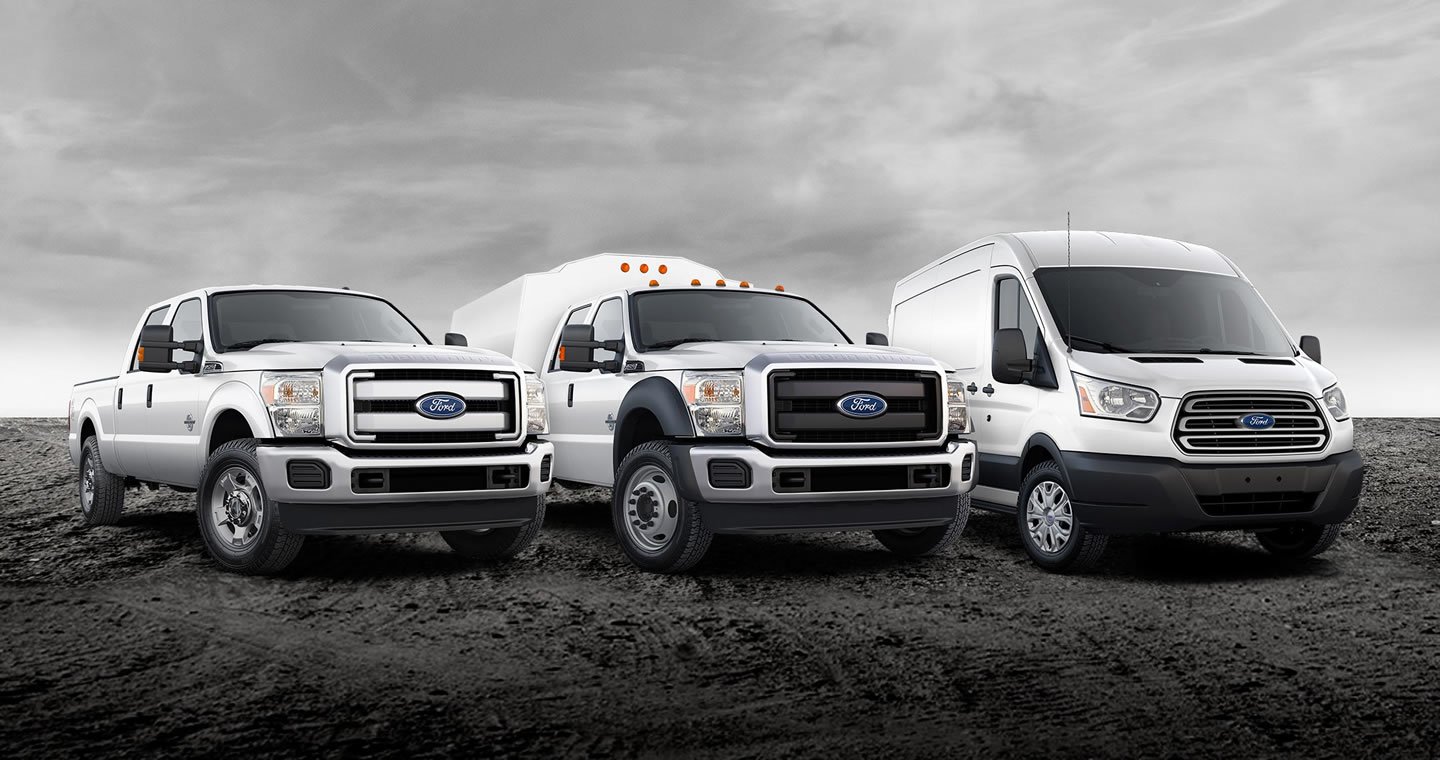
How Your Commercial Fleet Builds a Rolling Reputation That Drives Business Growth
Your commercial fleet isn't just a collection of vehicles; it serves as a dynamic representation of your brand's reliability, professionalism, and commitment to service. Every mile your trucks, vans, or buses travel creates an opportunity to build trust and make a lasting impression on potential customers. In communities like Bradenton, FL, and surrounding areas, where local business reputation carries significant weight, a well-maintained, branded fleet can become your most powerful marketing a

Exploring the Benefits and Availability of Commercial Trucks for Sale in Bradenton
For businesses operating in Bradenton and the surrounding areas, finding dependable commercial trucks is essential to maintaining efficiency and meeting demanding work schedules. Commercial trucks serve as the backbone for many industries, including construction, delivery, landscaping, and service-based operations. At SRQ Auto LLC, we recognize how crucial it is for local companies to have access to vehicles that not only perform reliably but also meet specific work requirements without delay.

Exploring the Range of Commercial Trucks Available at SRQ Auto LLC
Finding the right commercial truck to support your business operations is a critical decision. At SRQ Auto LLC, we offer a diverse inventory of commercial vehicles designed to meet the various demands of businesses across Bradenton, Fort Myers Shores, and Cape Coral. Whether you need a rugged heavy-duty pickup for tough construction work or a spacious passenger van to transport teams efficiently, our selection provides reliable options built for performance and durability.

Why Businesses in Bradenton Choose SRQ Auto for Commercial Vehicles
In the bustling business environment of Bradenton, companies require commercial vehicles that deliver reliability, efficiency, and safety to maintain smooth operations. SRQ Auto has earned a reputation as a trusted partner for local businesses by consistently providing vehicles that meet these critical needs. With a focus on durability and low maintenance, SRQ Auto's offerings are tailored to the practical demands of industries ranging from construction and landscaping to transportation and deli

Does SRQ Auto in Bradenton Have the Best Commercial Trucks? A Comprehensive Look
When businesses in Bradenton and surrounding areas like Sarasota or Fort Myers seek dependable commercial trucks, the question often arises: does SRQ Auto in Bradenton offer the best options available? For business owners and fleet managers, the quality, reliability, and suitability of commercial trucks are non-negotiable. SRQ Auto LLC has established a strong reputation as a leading supplier of used commercial vehicles, but understanding why they stand out requires a closer look at their invent

SRQ Auto in Bradenton: Your Trusted Source for Pre-Owned Commercial Trucks and Vans
When your business depends on reliable, efficient, and cost-effective transportation, finding the right pre-owned commercial truck or van is crucial. At SRQ Auto LLC, located at 2212 1st St, Bradenton, FL 34208, we specialize in offering a wide selection of meticulously inspected, serviced, and ready-to-work commercial vehicles tailored to meet the diverse needs of businesses across Bradenton and the Southeast. Whether you are looking for heavy-duty pickups, cargo vans, shuttle buses, or special

Comprehensive Guide to Commercial Trucks Ram 2500 and 3500: Specs, Payload, Maintenance, and Financing Options
When it comes to commercial trucks that balance power, reliability, and versatility, the Ram 2500 and 3500 models stand out as top choices for businesses across Florida and beyond. Whether you're working in construction around Bradenton, handling deliveries in Lakewood Ranch, or managing a fleet in Sarasota, these trucks are designed to meet demanding worksite conditions with confidence and efficiency. At SRQ Auto LLC, located conveniently at 2212 1st St, Bradenton, FL 34208, we specialize in pr

Finding Reliable Used Box Trucks for Sale Near Me: Your Guide to Smart Commercial Vehicle Buying in Bradenton, FL
When searching for dependable used box trucks for sale near me, business owners and fleet managers in Bradenton, FL, and surrounding areas such as Sarasota and Fort Myers demand vehicles that combine reliability, efficiency, and affordability. Whether you operate a local delivery service, manage a construction business, or run a moving company, securing the right box truck is a vital step toward optimizing your operations. At SRQ Auto LLC, located conveniently at 2212 1st St, Bradenton, FL 34208

Does SRQ Auto in Bradenton Have the Best Commercial Trucks? An In-Depth Look at Quality, Selection, and Service
When it comes to finding reliable, job-ready commercial trucks in Bradenton, FL, businesses and fleet operators face a critical decision. The nature of commercial work demands vehicles that can handle tough tasks, offer durability, and provide excellent value over the long haul. SRQ Auto LLC, located conveniently at 2212 1st St, Bradenton, FL 34208, has built a reputation as a trusted provider of commercial trucks tailored for diverse business needs.

Buying the Best Pre-Owned Commercial Vehicles: Expert Guidance from SRQ Auto LLC
Purchasing pre-owned commercial vehicles is a significant investment that requires careful consideration to ensure you acquire reliable, efficient, and cost-effective units for your business. At SRQ Auto LLC, located at 2212 1st St, Bradenton, FL 34208, we understand the unique demands local companies face, whether you operate in Bradenton's suburban neighborhoods or serve clients in bustling hubs like Tampa or St. Petersburg.

Buying the Best Pre-Owned Commercial Vehicles: A Comprehensive Guide for Bradenton Business Owners
Purchasing a pre-owned commercial vehicle is a critical decision for many businesses in Bradenton, FL, and the surrounding areas such as Sarasota and Fort Myers. Whether you are expanding your fleet or replacing an aging work truck, finding a reliable, efficient, and cost-effective vehicle is paramount. At SRQ Auto LLC, we understand the specific needs of business owners who prioritize safety, fuel efficiency, and low maintenance costs.

Buying the Best Pre-Owned Commercial Vehicles: Your Complete Guide from SRQ Auto LLC
When it comes to finding dependable, efficient, and cost-effective commercial vehicles for your business, choosing the right pre-owned option can make all the difference. Whether you're operating a growing service company in Bradenton or managing a fleet in nearby Sarasota, selecting a commercial vehicle that matches your daily demands and long-term goals is essential. At SRQ Auto LLC, located conveniently at 2212 1st St, Bradenton, FL 34208, we specialize in providing thoroughly inspected, read

Is It Okay to Buy a Used Commercial Vehicle? A Comprehensive Guide for Bradenton and Beyond
When it comes to expanding your business fleet or starting a new commercial operation, deciding whether to buy a used commercial vehicle is a critical step. Many businesses in Bradenton, Sarasota, and Lakewood Ranch face this question as they balance cost, reliability, and operational efficiency. At SRQ Auto LLC, located at 2212 1st St, Bradenton, FL 34208, we provide expert advice and a wide range of meticulously inspected used commercial vehicles to meet your business needs.

Exploring What Makes a Vehicle Commercial: Expert Answers from SRQ Auto LLC
Today, we're speaking with Richard Reed, a Commercial Sales Representative at SRQ Auto LLC, who brings two years of specialized experience in commercial vehicle sales and service. Located in Bradenton, Florida, SRQ Auto LLC is deeply committed to supporting local businesses across the Southeast with reliable, work-ready commercial vehicles. Richard's expertise helps clarify the often complex distinctions between commercial and non-commercial vehicles, guiding customers through definitions, regul

Is It Good to Buy a Used Commercial Vehicle? A Comprehensive Guide for Bradenton Businesses
When it comes to building or expanding your business fleet in Bradenton, FL, Orlando, or Fort Myers, deciding between new and used commercial vehicles is a pivotal choice. At SRQ Auto LLC, located at 2212 1st St, Bradenton, FL 34208, we understand the local business climate and the practical concerns of owners who need dependable, cost-effective vehicles. Whether you're a contractor, delivery service, or fleet manager, this guide will help you determine if purchasing a used commercial vehicle is

The Benefits of Commercial Vehicles: Powering Your Business Success in Bradenton and Beyond
Choosing the right commercial vehicle is a pivotal decision for any business owner in Bradenton, FL, Sarasota, and the surrounding areas like Lakewood Ranch and Fort Myers. Commercial vehicles are not just transportation tools--they are essential assets that drive productivity, enhance operational efficiency, and support your company's growth. Whether you're managing deliveries, transporting equipment, or running a service fleet, the right vehicle can make all the difference.

How Commercial Equipment Financing Works: A Complete Guide for Bradenton Businesses
When your business in Bradenton, FL, or nearby areas like Sarasota and Fort Myers needs reliable commercial vehicles or equipment, understanding how commercial equipment financing works is essential. Whether you're expanding your fleet or upgrading your machinery, financing can help you acquire the right tools without draining your working capital. At SRQ Auto LLC, we're here to guide you through everything you need to know about equipment loans, commercial financing options, and how to secure t

Is a Box Truck Better Than a Cargo Van? Choosing the Right Commercial Vehicle for Your Business
When it comes to selecting the ideal commercial vehicle for your business in the Bradenton, FL area, the decision often comes down to one key question: Is a box truck better than a cargo van? Both vehicles serve vital roles in transporting goods efficiently, but they differ significantly in size, power, versatility, and practicality. Whether you're running a delivery service in Sarasota, managing a construction crew in Lakewood Ranch, or handling logistics in Tampa, understanding these differenc

Commercial Vehicle Financing for Businesses: What to Know Before You Apply
Commercial vehicle financing is different from simply shopping for the lowest advertised payment. The business, the vehicle, the structure of the transaction and the information provided to the lender can all affect the financing options available. At SRQ Auto, we work with contractors, trades, fleets and business owners buying everything from cargo vans and service trucks to box trucks, landscape trucks and shuttle buses. One thing we have learned is that a smoother commercial financing process
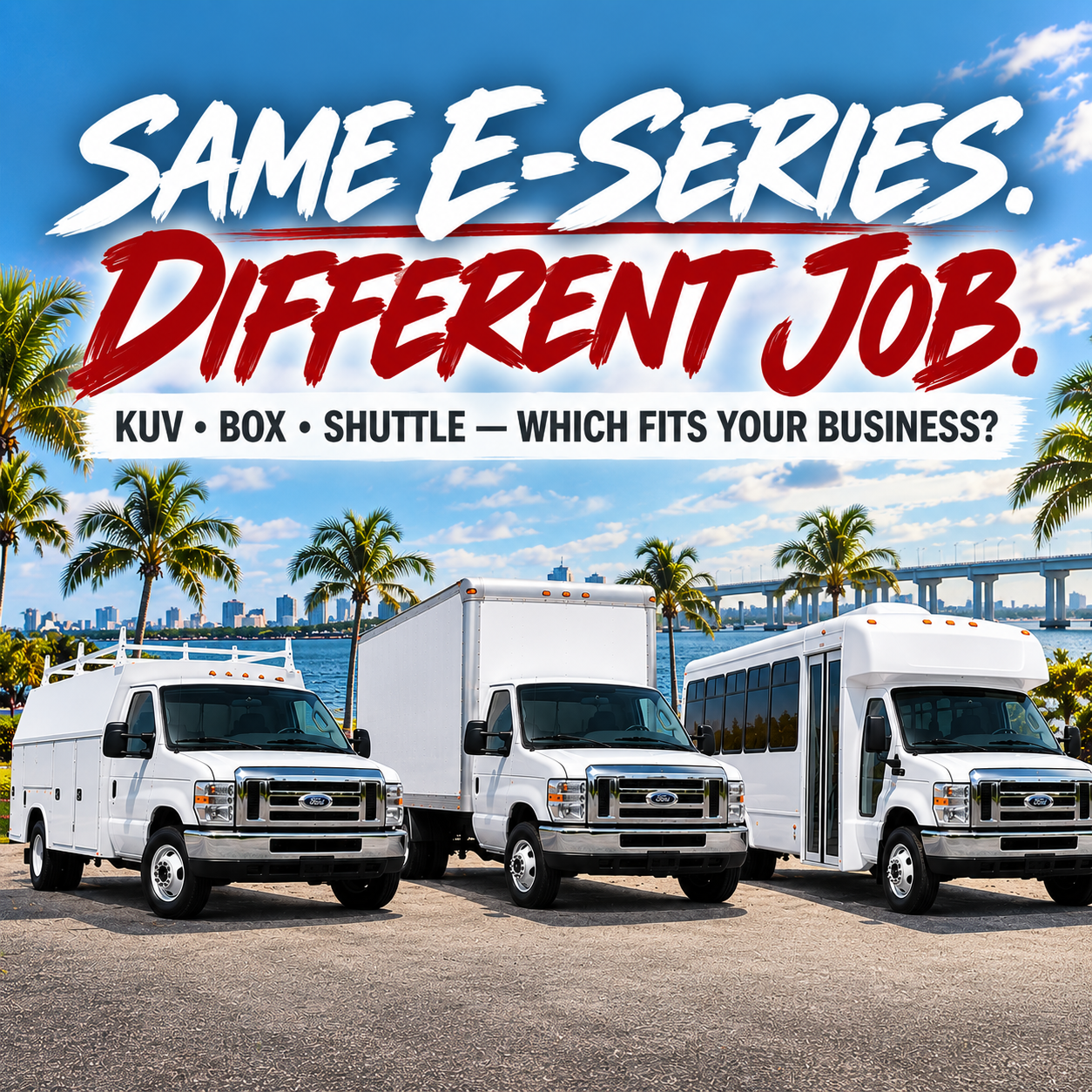
Used Ford E-Series Commercial Vehicles: What Businesses Should Know Before Buying
Ford E-Series commercial vehicles have been working for businesses for decades, but shopping for a used E-Series today requires more than asking whether an “Econoline” is reliable. The chassis, commercial body, previous use, maintenance history and current condition can matter just as much as the Ford badge on the front. At SRQ Auto, we regularly work with E-Series-based commercial vehicles in very different configurations—from enclosed KUV/service bodies and box vans to shuttle buses and whee

Commercial Vehicles and Their Advantages: Expert Answers from SRQ Auto LLC in Bradenton
Today, we're speaking with Jessica Anderson, a Commercial Sales Representative at SRQ Auto LLC, with five years of experience helping businesses find the right commercial vehicles for their needs. Located at 2212 1st St, Bradenton, FL 34208, SRQ Auto understands the importance of dependable and efficient vehicles for businesses throughout Florida, including Sarasota, Fort Myers, and Orlando. Jessica will provide valuable insights into the advantages of commercial vehicles, the concept of commerc

Is Buying a Used Commercial Vehicle a Smart Choice? Understanding Commercial Use and Vehicle Options at SRQ Auto LLC
When it comes to running a business in Bradenton, FL, Sarasota, or even Orlando, choosing the right commercial vehicle can be a game changer for your daily operations and overall efficiency. Whether you're expanding your fleet, replacing a worn-out work truck, or stepping into commercial vehicle ownership for the first time, understanding what defines a commercial vehicle and whether purchasing a used one makes sense is critical. At SRQ Auto LLC, located conveniently at 2212 1st St, Bradenton, F

Is Buying a Used Commercial Vehicle a Good Idea? Expert Guidance from SRQ Auto LLC in Bradenton
Purchasing a used commercial vehicle can be a smart decision for businesses in Bradenton, Sarasota, and Orlando looking to balance cost and reliability. However, knowing how to evaluate whether a used truck or van is truly worth investing in requires careful consideration. From mileage and service history to inspection of key mechanical components, understanding these factors ensures your commercial vehicle keeps your operations running smoothly without unexpected downtime.

How Much Down Payment for a Commercial Vehicle? A Complete Guide to Financing Under an LLC
Purchasing a commercial vehicle is a significant investment for any business, whether you're based in Bradenton, Orlando, or Sarasota. Understanding how much down payment is typically required and the financing process--especially when buying under an LLC--can save you time, money, and hassle. At SRQ Auto LLC, located at 2212 1st St, Bradenton, FL 34208, we specialize in providing reliable and job-ready commercial vehicles with financing guidance tailored to your business needs.
