Best Work Vans for Contractors: Which Van Fits Your Business?

There is no single “best work van” for every contractor. The best van is the one that fits what your business carries, how your technicians work, where the vehicle operates and how the cargo area needs to be organized.
A plumber carrying pipe and fittings may need something very different from an electrician organizing small parts, an HVAC company carrying equipment, or a delivery business maximizing cargo volume. Roof height, cargo access, drivetrain, wheelbase and upfit potential can matter more than choosing a van by badge alone.
At SRQ Auto, we specialize in commercial vehicles, so the conversation starts with the job—not simply Ford vs. Ram vs. Chevrolet.
Browse SRQ Auto's current cargo vans for sale.
What Is the Best Work Van for Contractors?
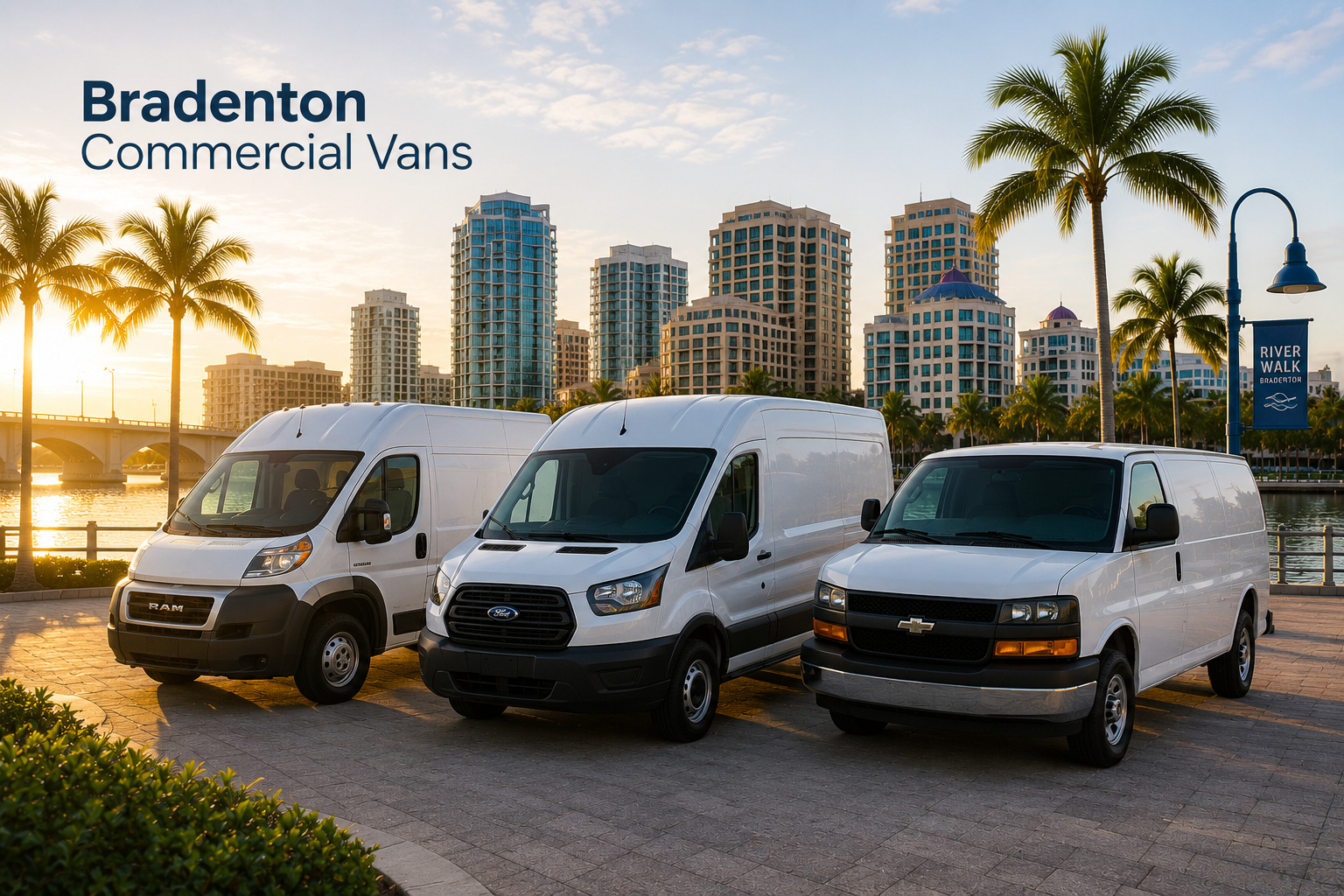
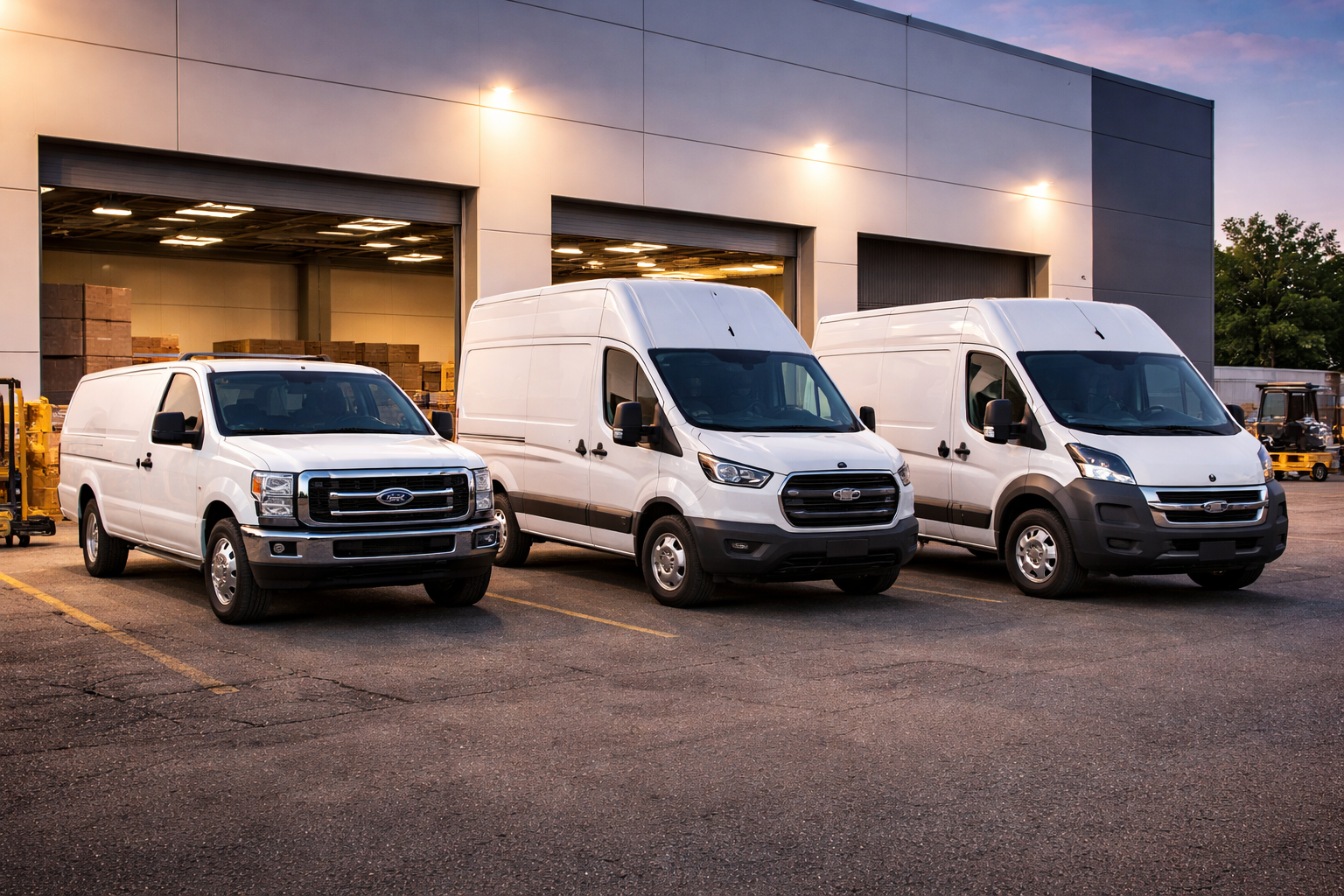
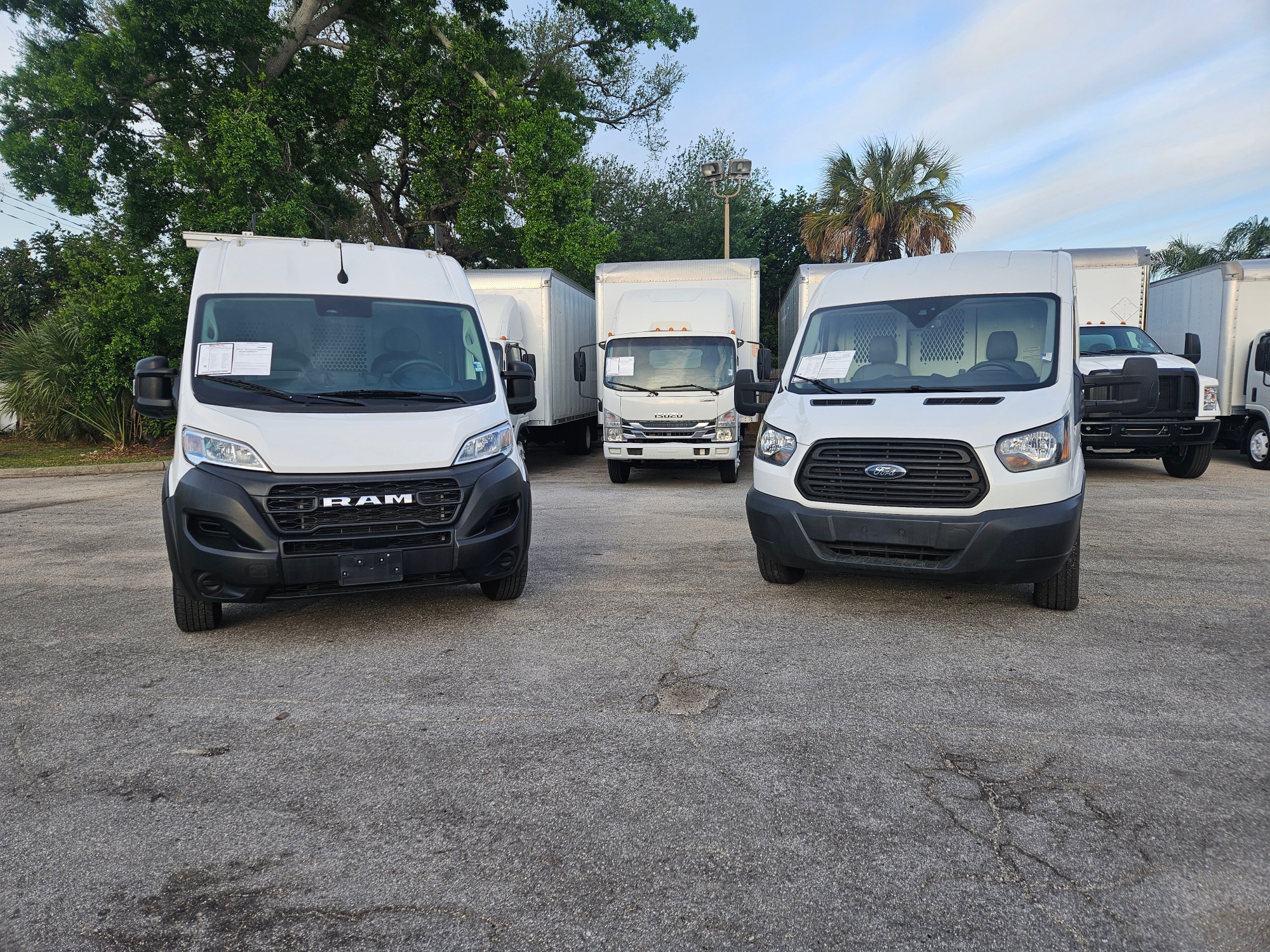
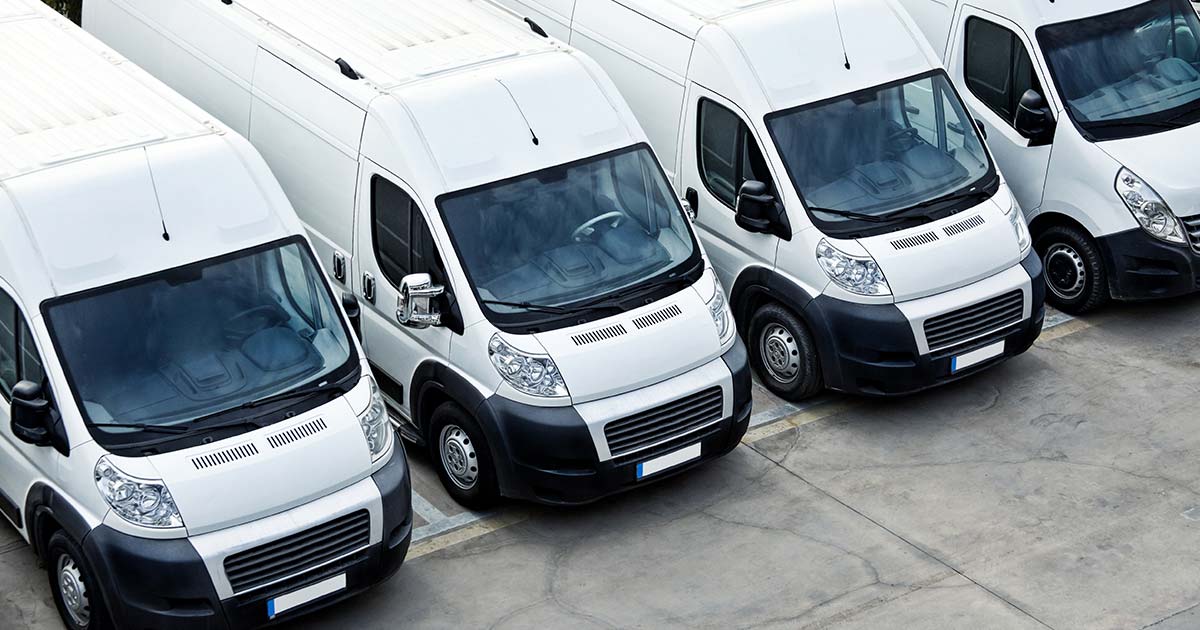
For many businesses, the strongest candidates are the Ford Transit, Ram ProMaster and Chevrolet Express/GMC Savana. Each approaches commercial work differently.
The Transit offers a broad range of configurations and roof heights. The ProMaster's front-wheel-drive layout creates a low cargo floor and is available in high-roof configurations. The Express and Savana use a more traditional full-size van layout familiar to many fleets and trades.
But specifications only narrow the field. The better question is: Which configuration makes your employees more productive every day?
Expert Perspective: Fred Noyes, Commercial Vehicle Specialist
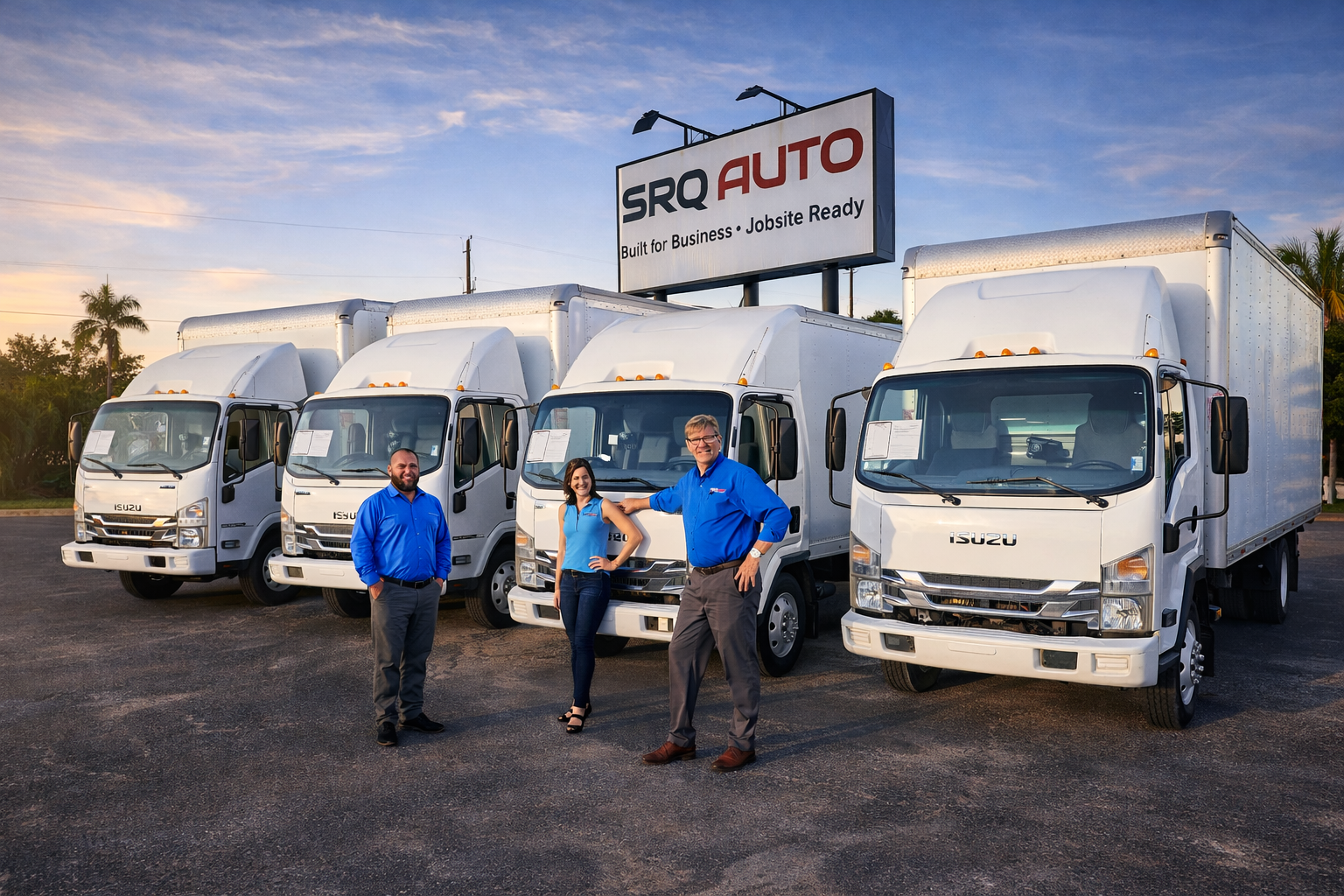
Fred Noyes has 29 years of automotive experience and serves as a Commercial Vehicle Specialist at SRQ Auto. His experience includes customer applications, KUVs, service bodies, shuttle buses, box trucks and helping businesses select the commercial vehicle that fits the work.
A customer may begin by asking for a particular make or model, but the useful conversation goes deeper: What trade are you in? What are you carrying? Do technicians need to stand inside the cargo area? How often are they entering the van? Will shelving be installed? Is the vehicle working in tight neighborhoods or covering long highway routes?
The vehicle should fit the workflow—not force the workflow to fit the vehicle.
Ford Transit: When Does It Make Sense?
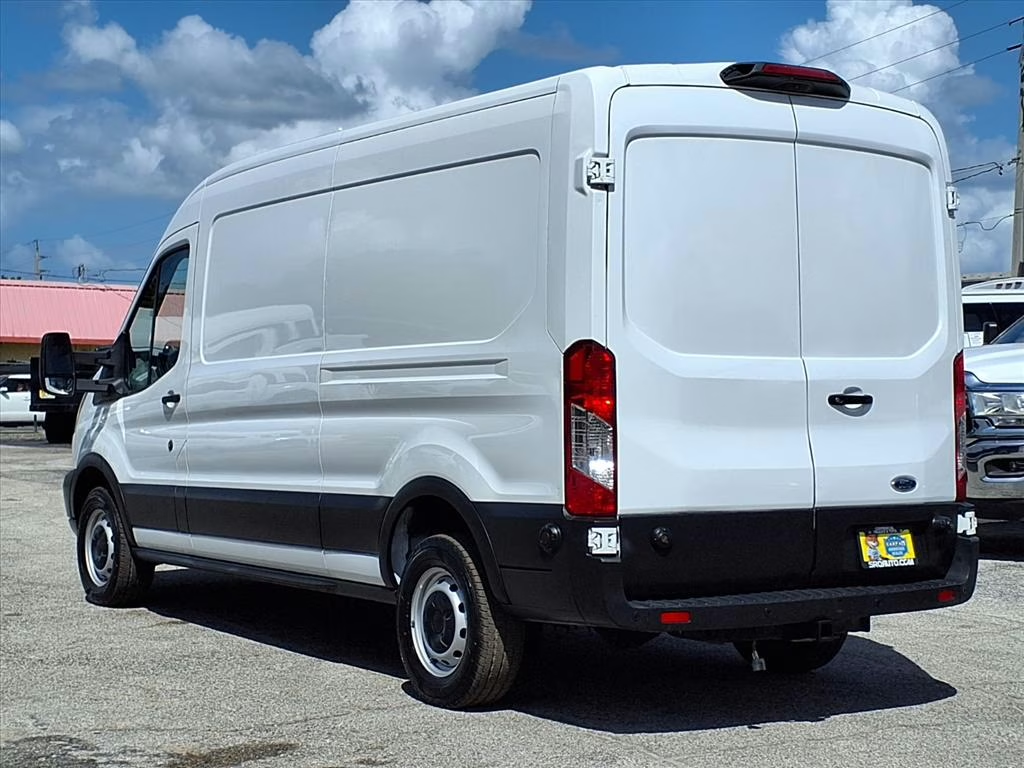
The Ford Transit is a versatile modern cargo-van platform with multiple roof heights, wheelbases and configurations in the used market. A high-roof Transit can make sense for technicians who benefit from standing room and extensive shelving. Lower-roof configurations may work well where overall vehicle height, parking access or a simpler cargo setup matters more.
Ram ProMaster: Why Do Contractors Consider It?
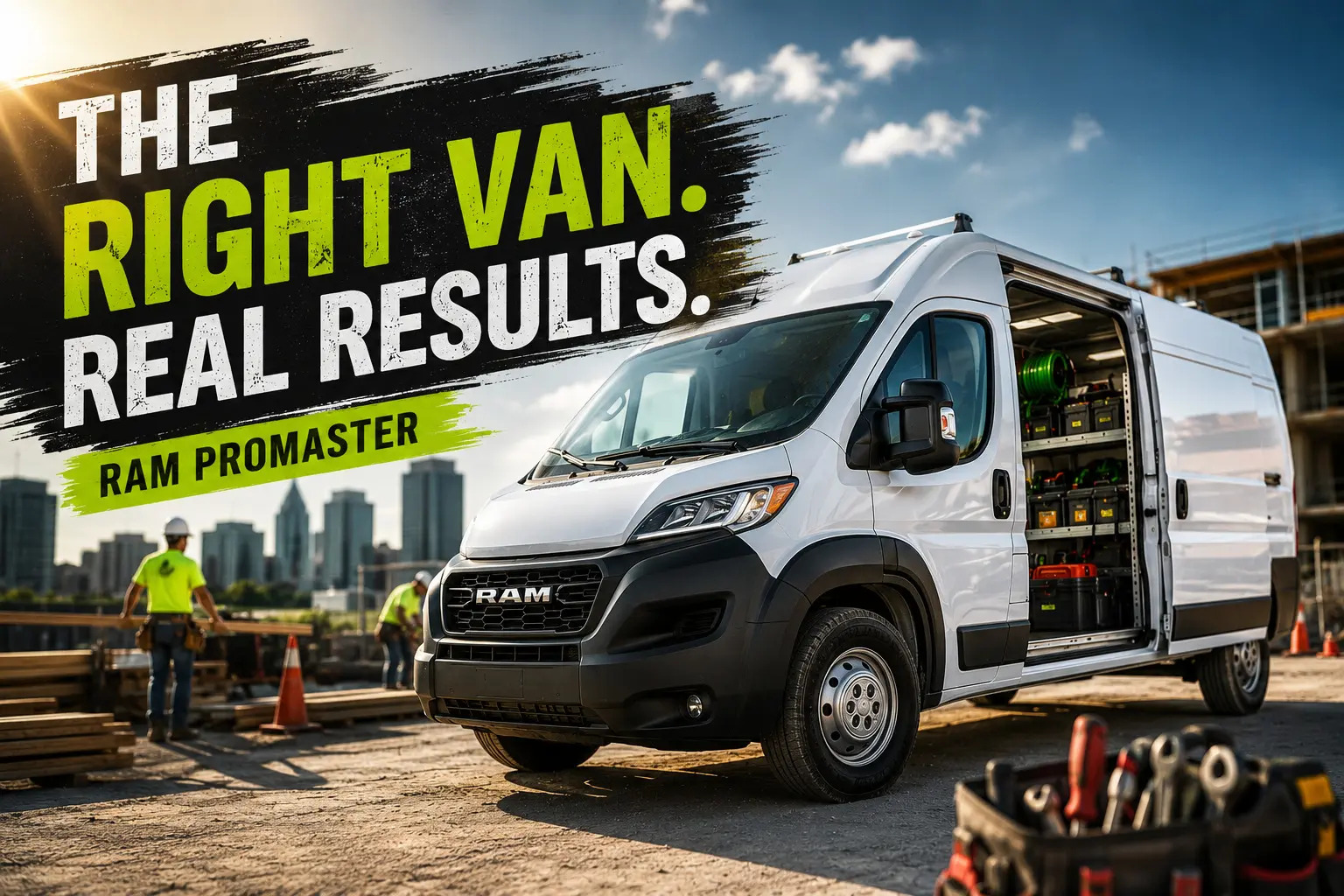
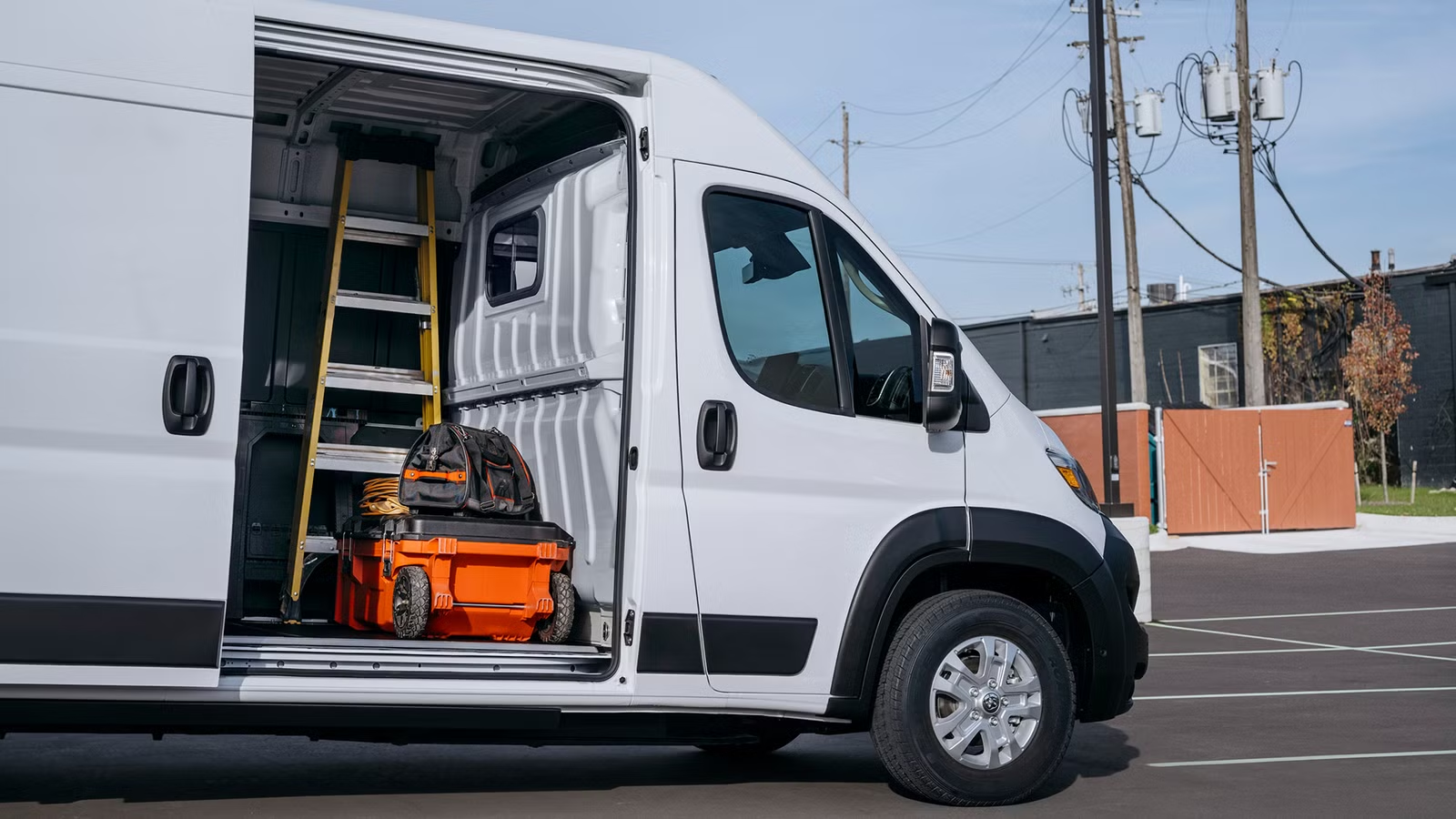
The Ram ProMaster uses a front-wheel-drive layout, which contributes to a relatively low cargo floor and a wide, usable cargo area. High-roof versions can provide the vertical workspace many trades want for shelving, bins and equipment.
For businesses making frequent stops, cargo access and floor height can matter every day. Compare wheelbase, roof height, existing partitions or shelving and cargo-area condition rather than shopping by mileage alone.
Chevrolet Express and GMC Savana: Why Are They Still Popular?
The Chevrolet Express and GMC Savana use a traditional full-size cargo-van design. They can be a strong fit for operations that do not require a high-roof walk-in workspace but still need secure enclosed capacity for tools, parts, deliveries or equipment.
Configuration and condition matter. A well-maintained van with the right commercial setup can be more useful than a lower-mileage van requiring substantial modification after purchase.
High Roof vs. Standard Roof: Is Standing Room Worth It?
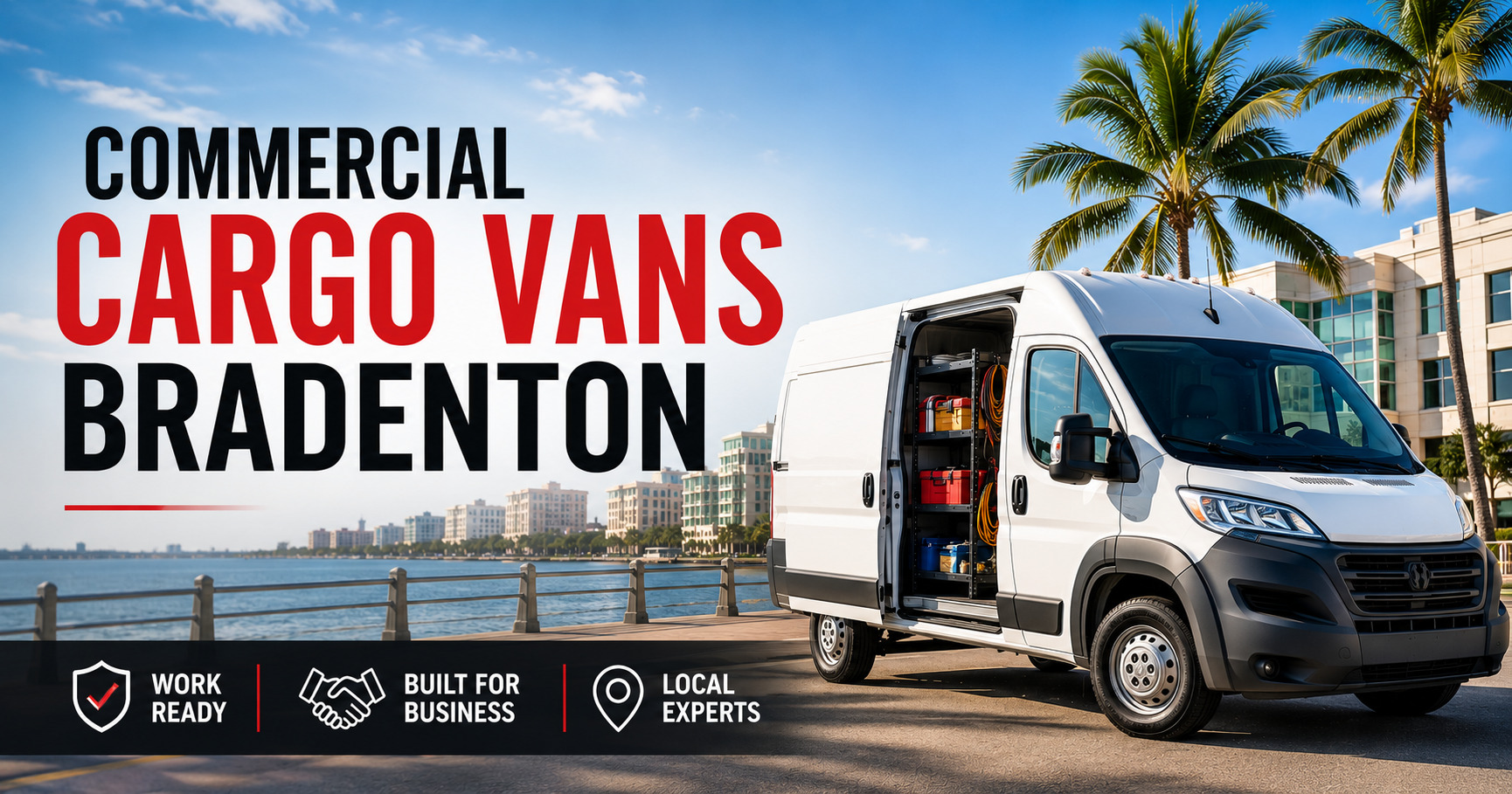
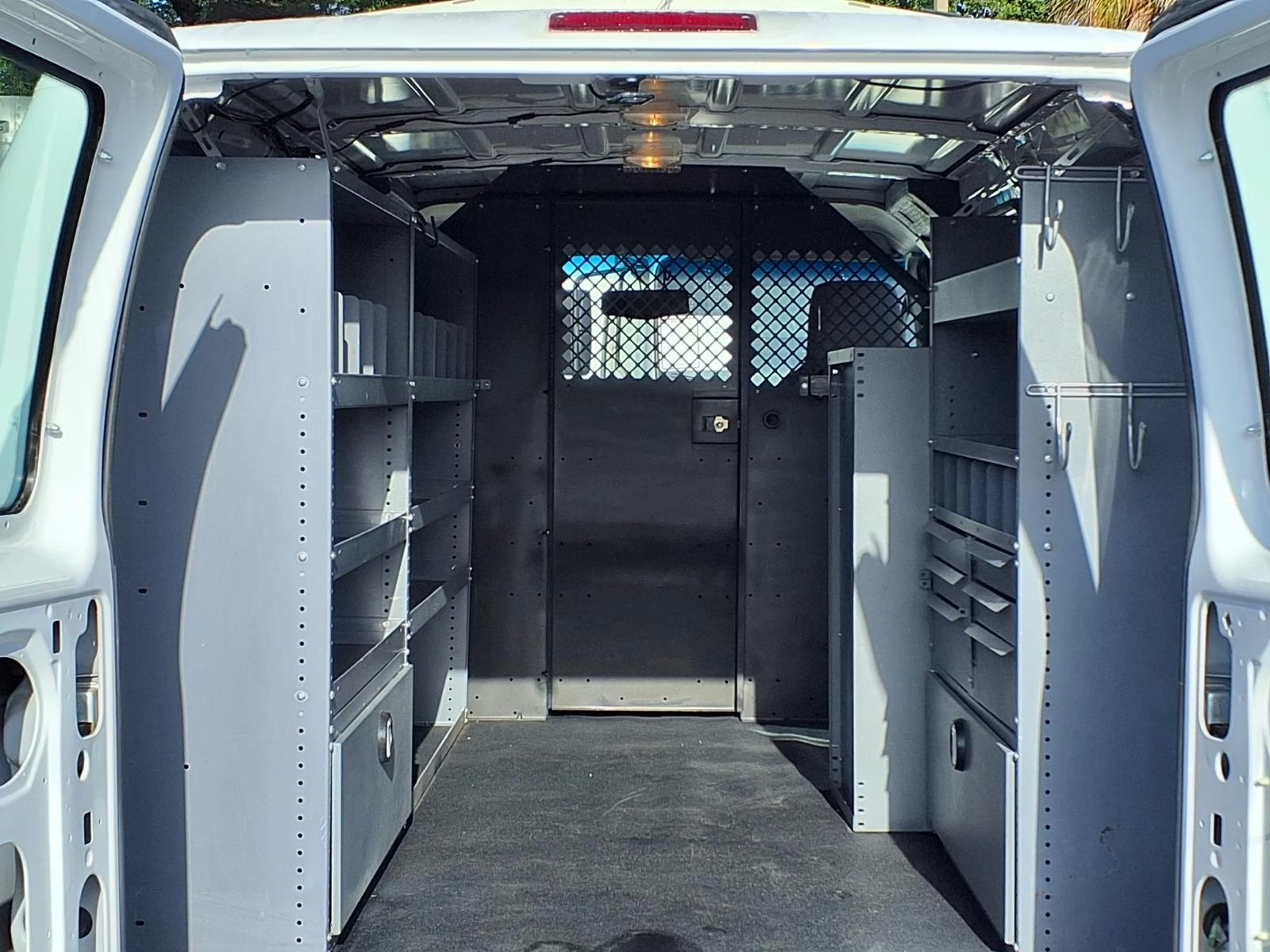
A high-roof cargo van can allow technicians to stand inside, use taller shelving and organize the cargo area as a mobile workspace. That can be valuable for HVAC, electrical, plumbing and mobile-service operations.
A standard-roof van can make more sense when cargo is loaded and unloaded rather than worked from inside, or when parking garages, clearances and overall vehicle height are concerns.
Don't pay for roof height because it looks impressive. Pay for it when it improves the way your business works.
What Is the Most Reliable Work Van?
Reliability is one of the most common questions commercial buyers ask—and one of the easiest to oversimplify.
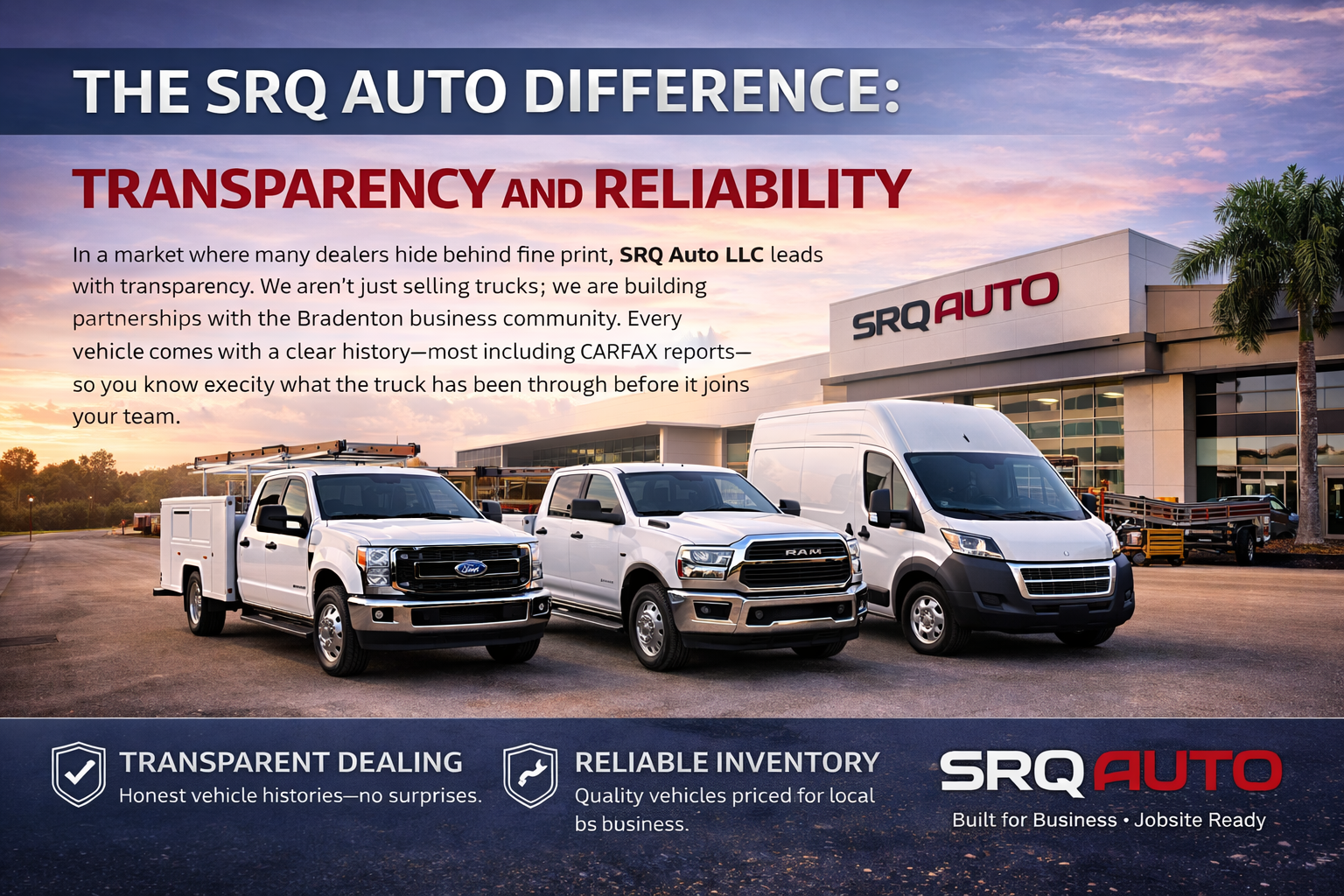
There is no responsible way to declare every Transit, ProMaster, Express or Savana equally reliable based only on the nameplate. On a used commercial vehicle, maintenance history, previous use, idle time, mileage, age, configuration and current mechanical condition can materially affect the ownership experience.
A well-maintained work van with documented care and appropriate reconditioning may be a better business purchase than a lower-mileage example with deferred maintenance or a heavily worn cargo area.
Why Maintenance History Can Matter More Than Mileage
Commercial vans do not all accumulate miles the same way. A highway-driven fleet van may have a different history from a vehicle that spent years idling and making frequent short stops.
When available, service records, vehicle history and evidence of previous maintenance provide useful context. Buyers should also consider current mechanical condition, tires, brakes, cargo-area wear and the quality of any existing commercial upfit.
Read our guide to mileage, maintenance and condition on used commercial vehicles.
Which Work Van Is Best for HVAC Companies?
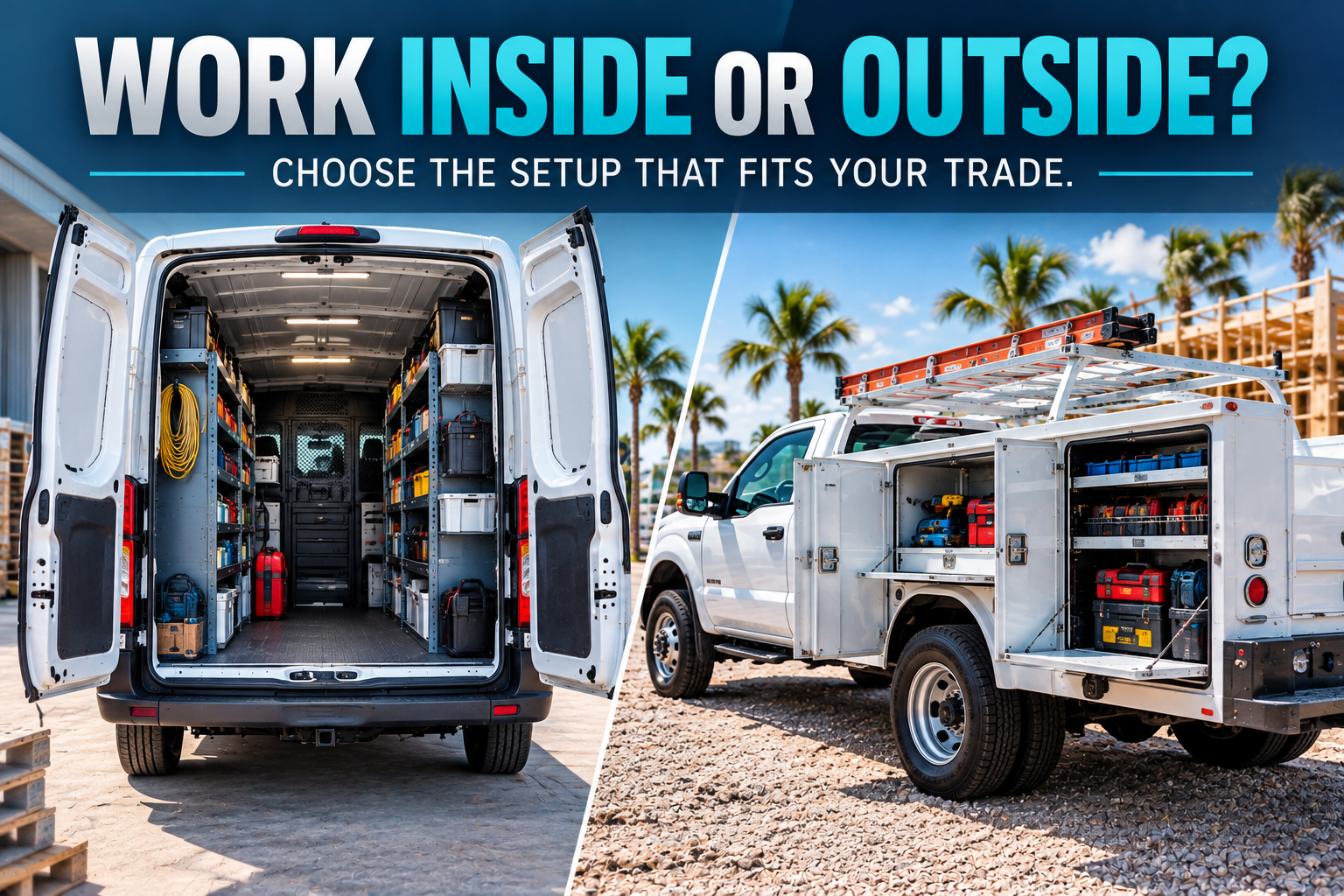
HVAC businesses often carry tools, parts, ladders and larger equipment. High-roof Transit and ProMaster configurations can provide walk-in cargo space and shelving potential. Some HVAC operations may instead benefit from a KUV when exterior compartment access is more valuable than an open van cargo area.
Which Work Van Is Best for Electricians?
Electricians often need organized storage for small parts, hand tools, power tools, wire and conduit-related equipment. A cargo van with well-designed shelving can work extremely well. The upfit matters as much as the van: empty cubic feet are not the same thing as usable organization.
Which Work Van Is Best for Plumbers?
Plumbers may need tools, fittings, drain-cleaning equipment, pipe and other long materials. Interior length, ladder or conduit storage and access to frequently used parts should all be considered.
Which Work Van Is Best for Delivery and Mobile-Service Businesses?
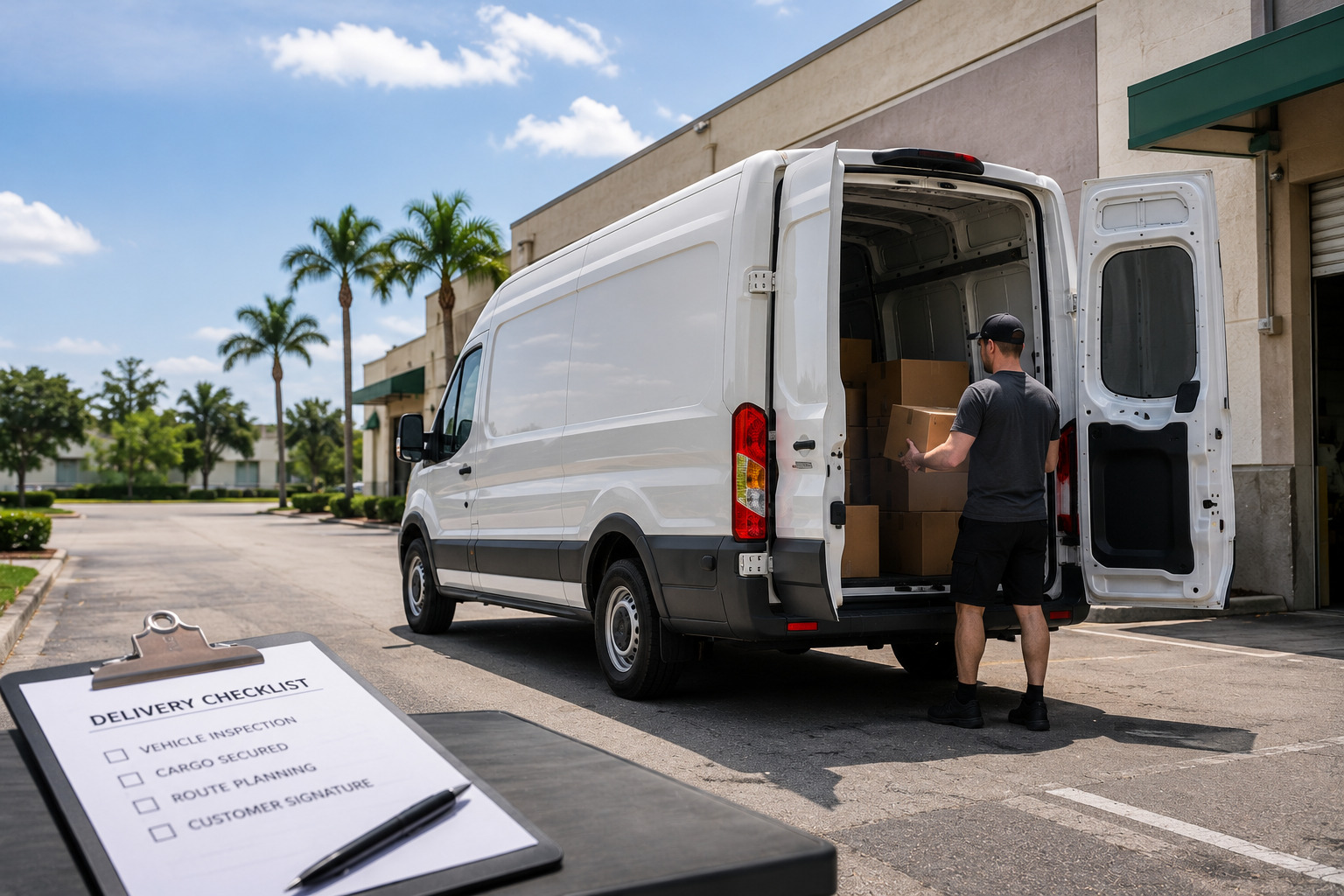
Delivery operations often prioritize cargo volume, side and rear access, route efficiency and ease of loading. Mobile-service businesses may care more about shelving, parts organization and creating a functional workspace.
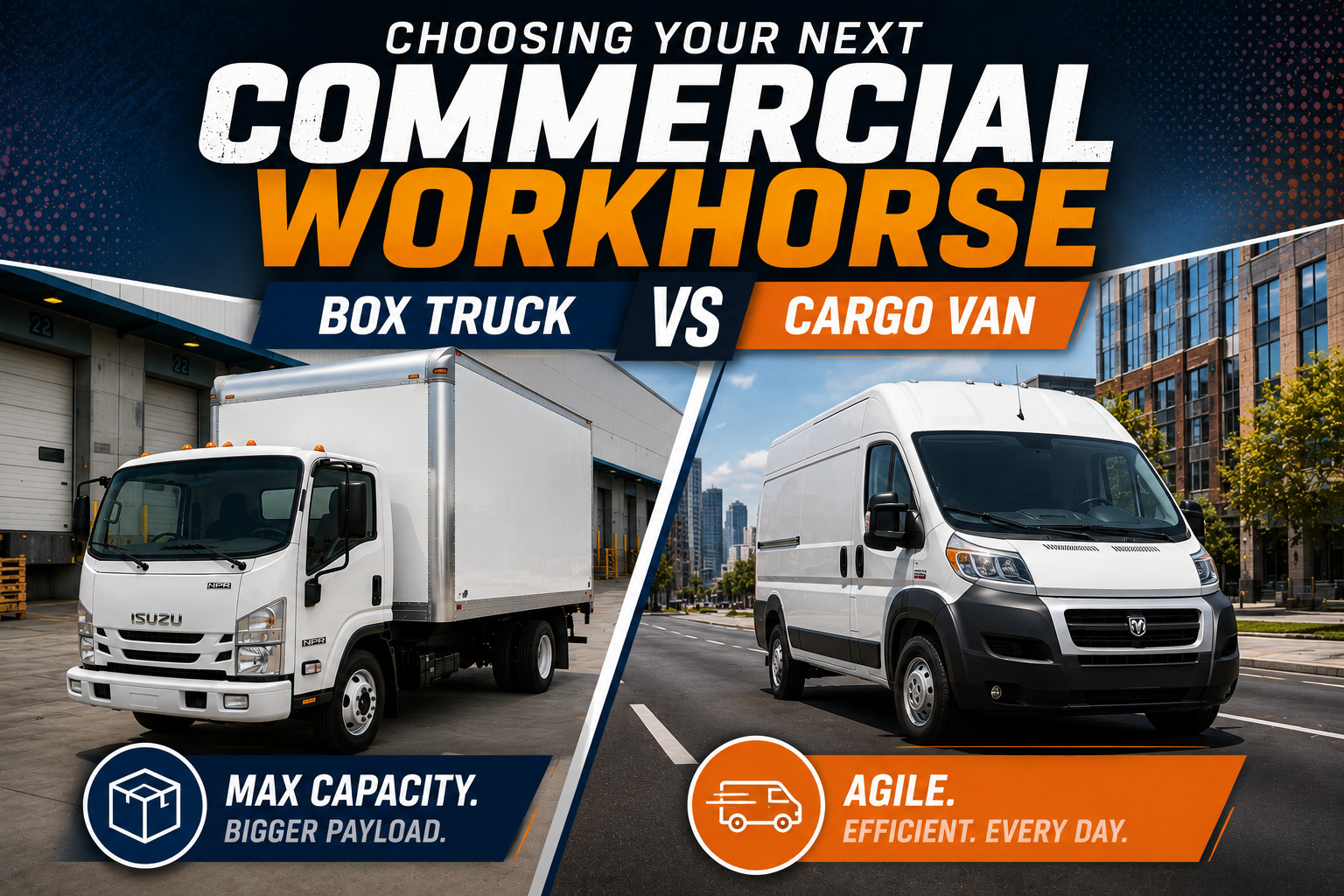
When Is a KUV or Service Body Better Than a Cargo Van?
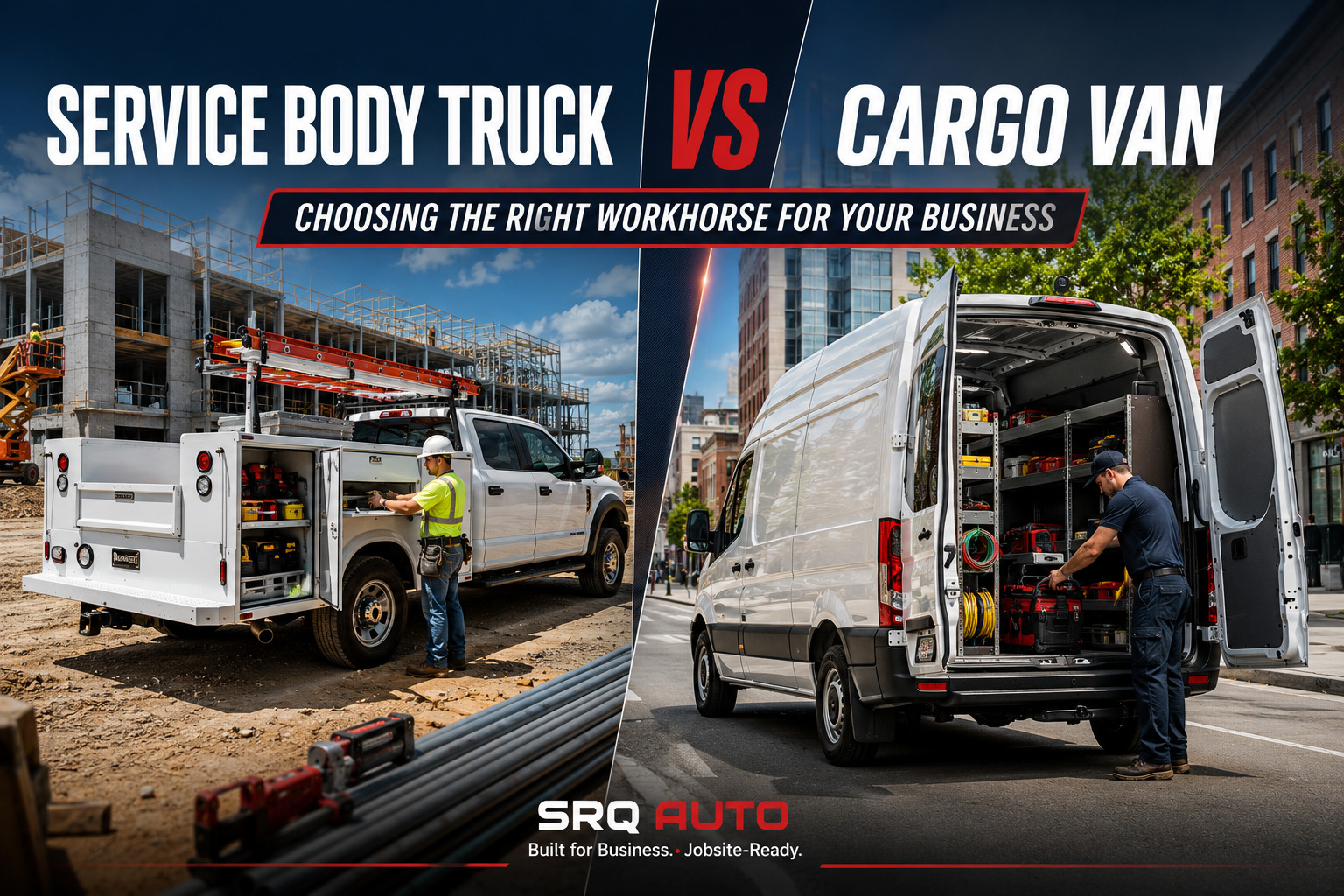
A cargo van is not automatically the best enclosed work vehicle. A KUV combines enclosed cargo space with exterior service-body compartments, allowing technicians to reach frequently used tools and parts from outside the vehicle.
Our Cargo Van vs. Service Body Truck guide compares these workflows in more detail.
What Should You Inspect When Buying a Used Work Van?
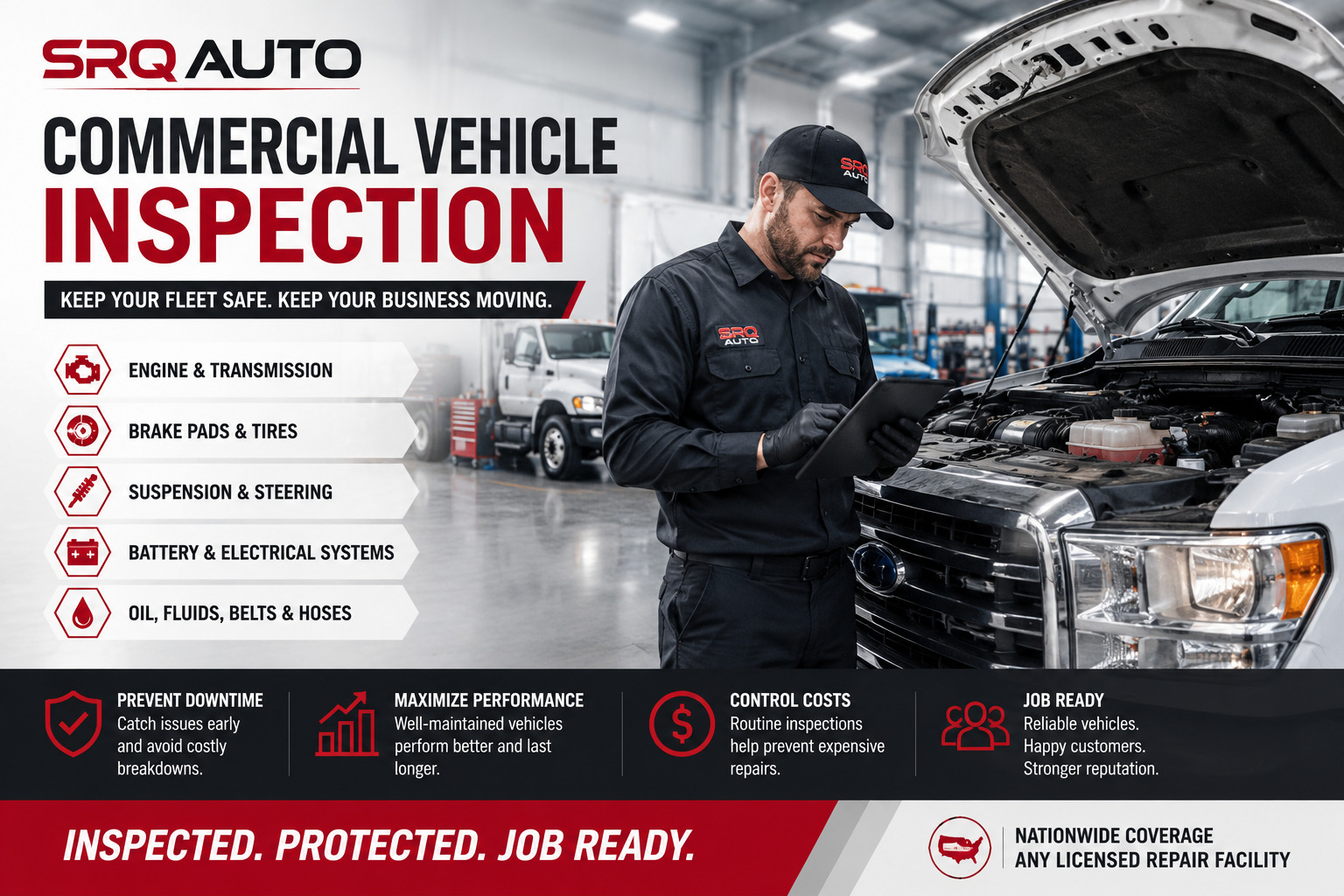
- Mechanical condition: Engine, transmission, cooling system, brakes, steering and suspension.
- Tires: Condition and remaining service life.
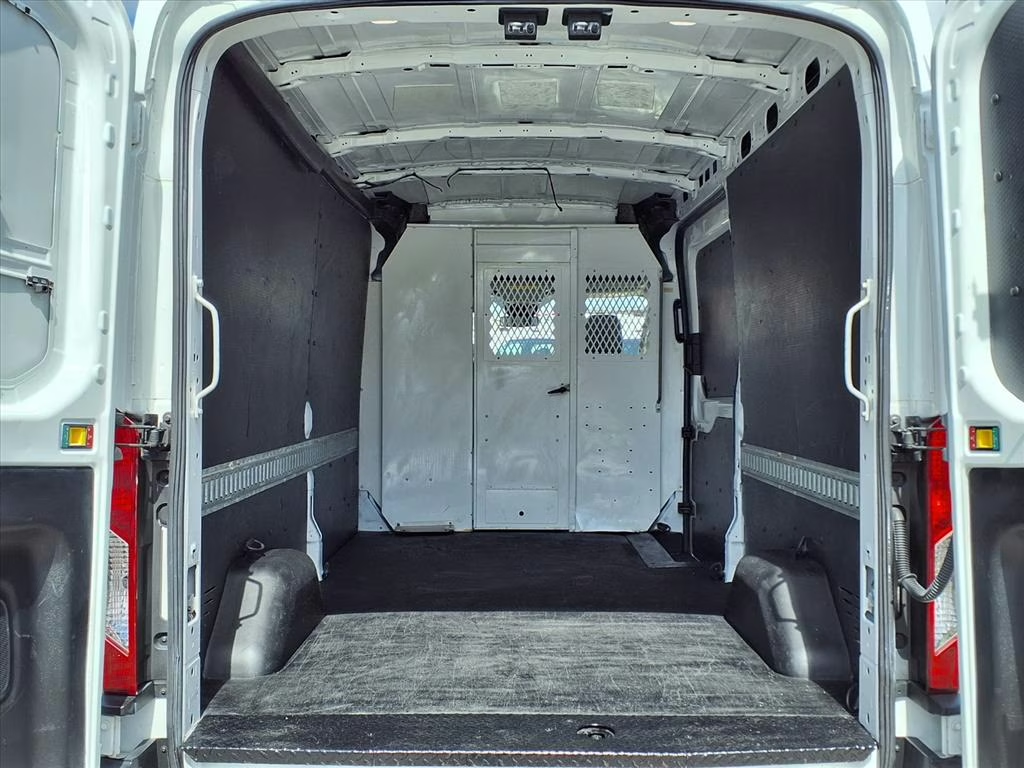
- Cargo floor: Heavy wear, damage, moisture issues or previous equipment installation.
- Doors: Side and rear doors, hinges, rollers, latches and seals.
- Partition: Condition and fit where equipped.
- Shelving/upfit: Make sure existing equipment is useful for your business.
- Interior: Driver-seat condition and cab wear.
- Previous use: Vehicle history and visible wear can provide context for mileage.
Why Reconditioning Matters on a Commercial Van
A work van can become part of a company's public image. SRQ Auto's Job Ready process focuses on mechanical, functional and presentation needs identified on qualifying used commercial vehicles before they are offered to the next business.
Learn more about SRQ Auto's commercial vehicle reconditioning process.
Frequently Asked Questions About Work Vans
What is the best work van for contractors?
There is no single best van for every contractor. Ford Transit, Ram ProMaster and Chevrolet Express/GMC Savana configurations can all fit commercial applications. The right choice depends on trade, cargo, roof-height needs, access, route environment and upfit requirements.
What is the most reliable cargo van?
Reliability depends on more than the model name. Maintenance history, previous use, mileage, idle time, age, current mechanical condition and reconditioning should all be considered.
Is a high-roof cargo van worth it?
A high roof can be valuable when employees need standing room, taller shelving or a walk-in mobile workspace. Businesses that primarily load and unload cargo may not need the additional height.
Is a Ford Transit or Ram ProMaster better for contractors?
Neither is universally better. The best choice depends on the exact configuration and business application.
Should I buy a cargo van or a KUV?
A cargo van provides a large enclosed workspace, while a KUV adds exterior service compartments for quicker tool and parts access. The better choice depends on how technicians work.
Find the Right Work Van at SRQ Auto
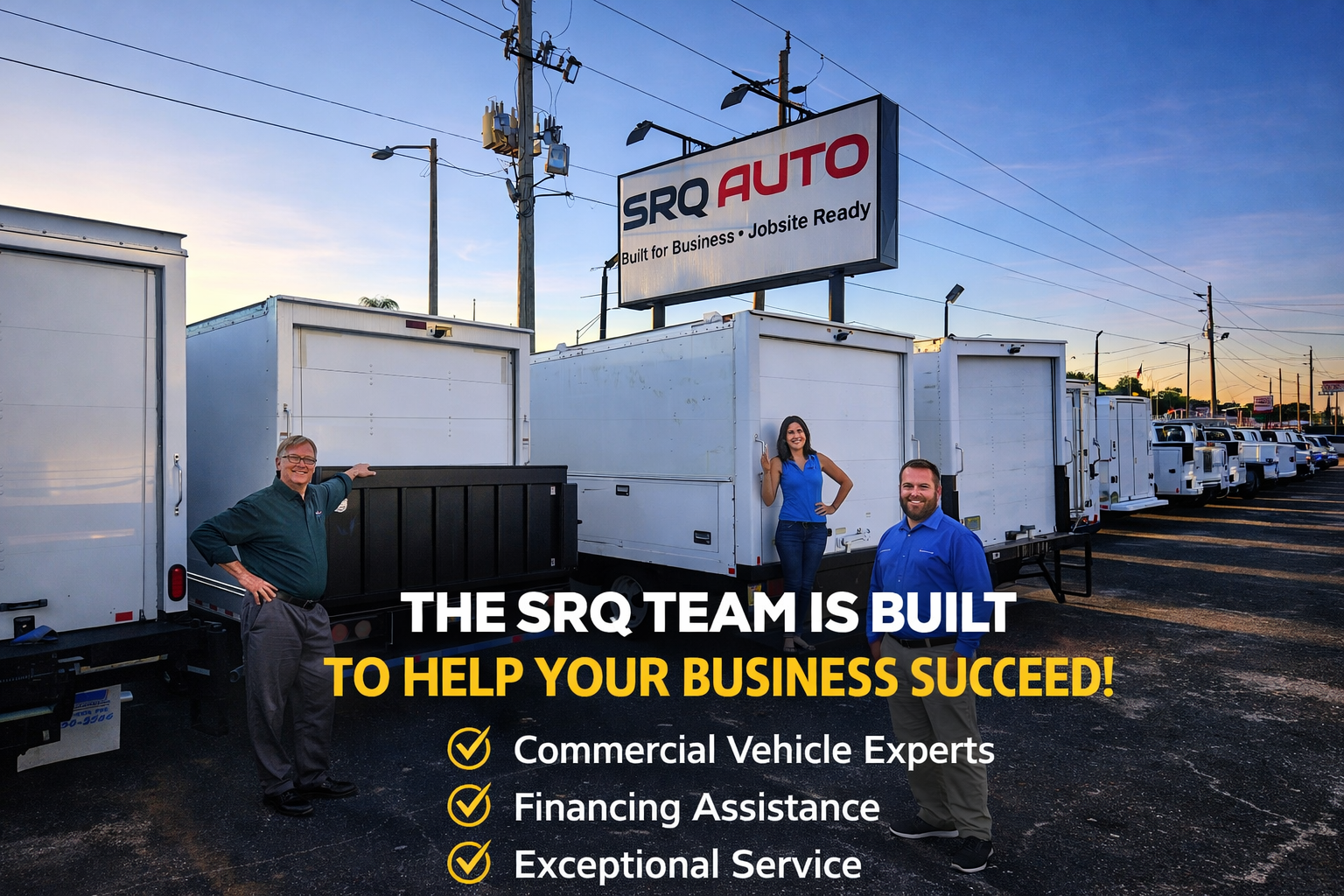
SRQ Auto specializes in fully reconditioned, Job Ready commercial vehicles for contractors, trades, delivery companies, fleets and businesses throughout Florida and nationwide.
Browse Current Cargo Vans for Sale
Compare Current Service Body and KUV Inventory
Learn about Tailored Commercial Financing or complete our online credit application.
SRQ Auto has earned 550+ 5-Star Google Reviews. Read our customer reviews.