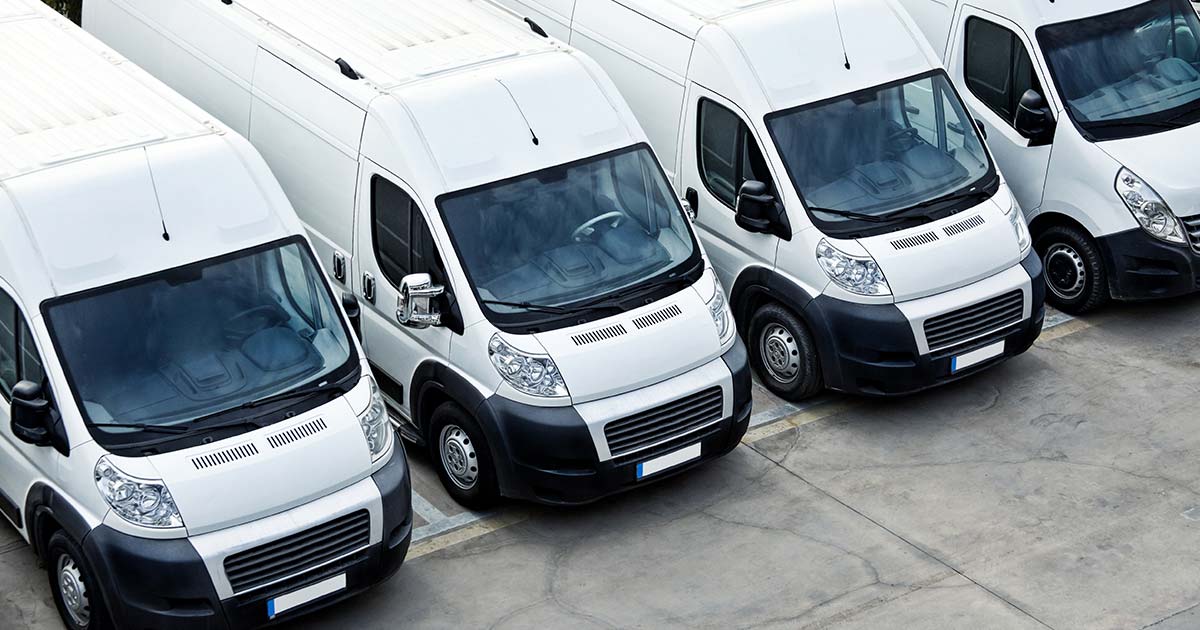
Optimizing Your Gulf Coast Landscaping Fleet: Should You Choose Enclosed Cargo Vans or Open Utility Beds?
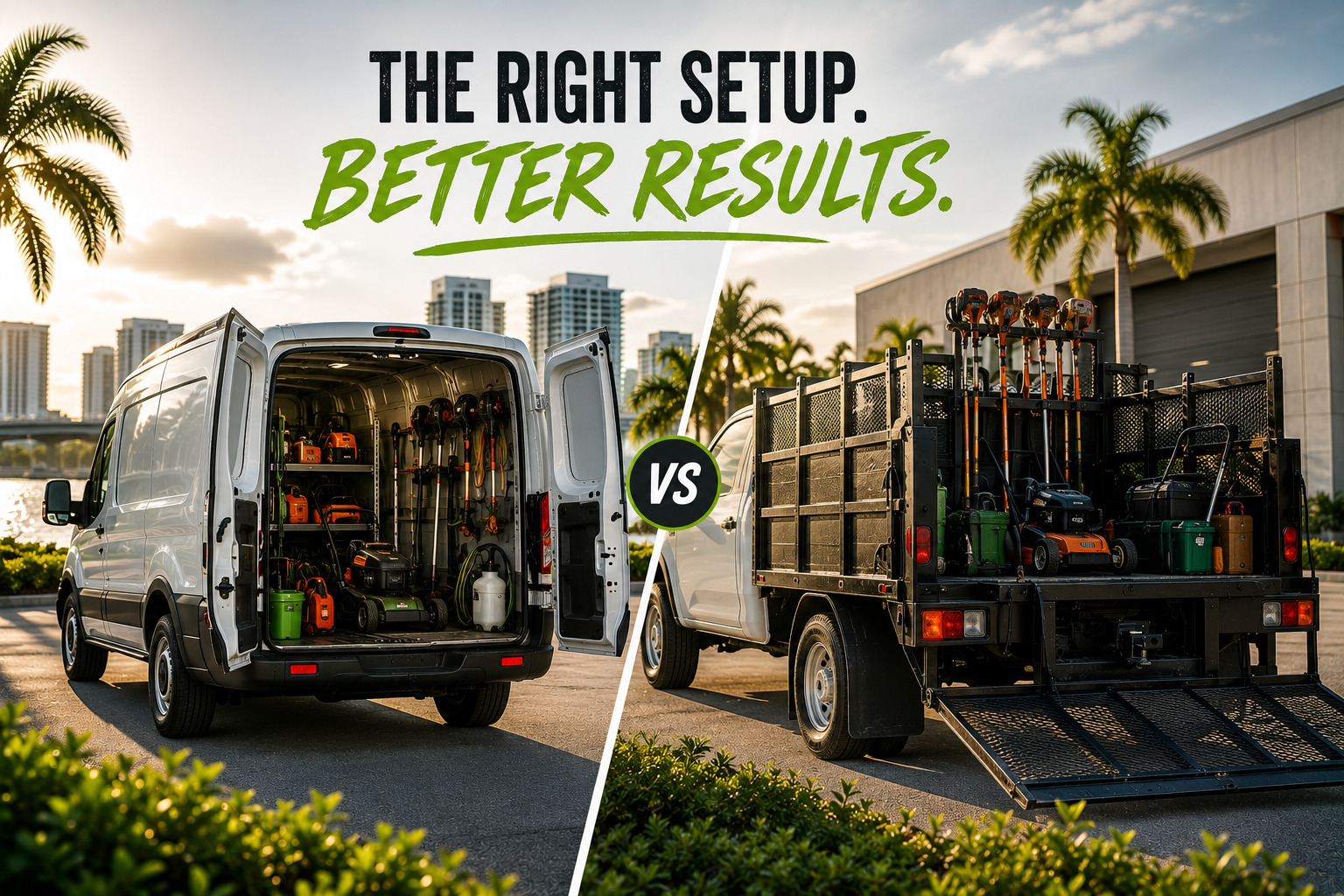
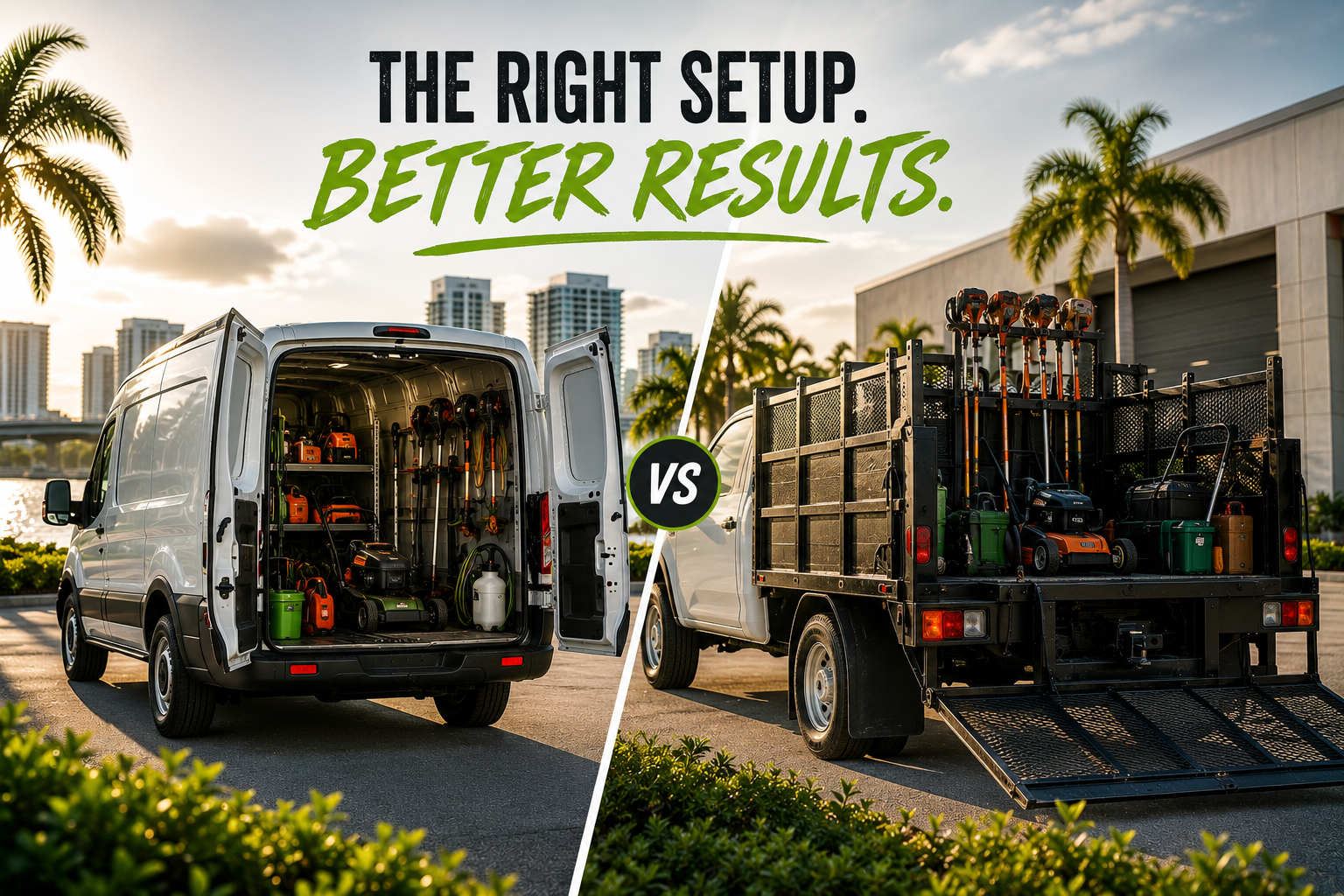
Optimizing Your Gulf Coast Landscaping Fleet: Should You Choose Enclosed Cargo Vans or Open Utility Beds?

Optimizing Your Gulf Coast Landscaping Fleet: Should You Choose Enclosed Cargo Vans or Open Utility Beds?

Operating a successful landscaping enterprise along Florida's Gulf Coast—from the sprawling master-planned developments of Lakewood Ranch to the historic estates of Sarasota and the high-growth commercial corridors of Fort Myers—demands absolute operational efficiency. In our region, landscaping isn't a seasonal hobby; it is a relentless, year-round battle against explosive subtropical growth, intense daily heat, and sudden, torrential afternoon downpours. As a landscaping business owner, one of the most critical decisions that directly impacts your daily productivity, equipment lifespan, and bottom-line profitability is the structure of your work vehicle fleet. Selecting the wrong platform can lead to lost billable hours, ruined tools, excessive fuel costs, and frustrated crews.

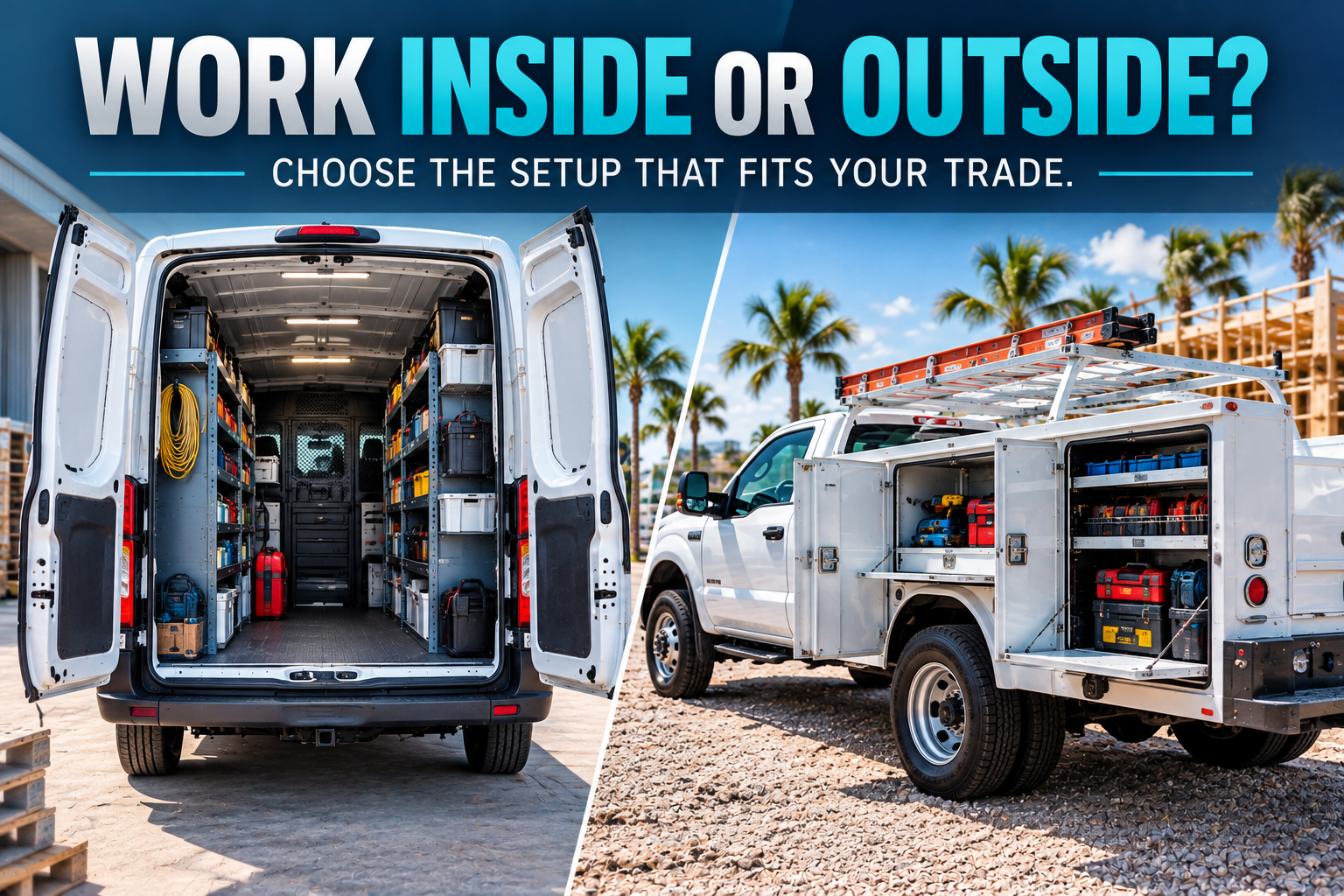
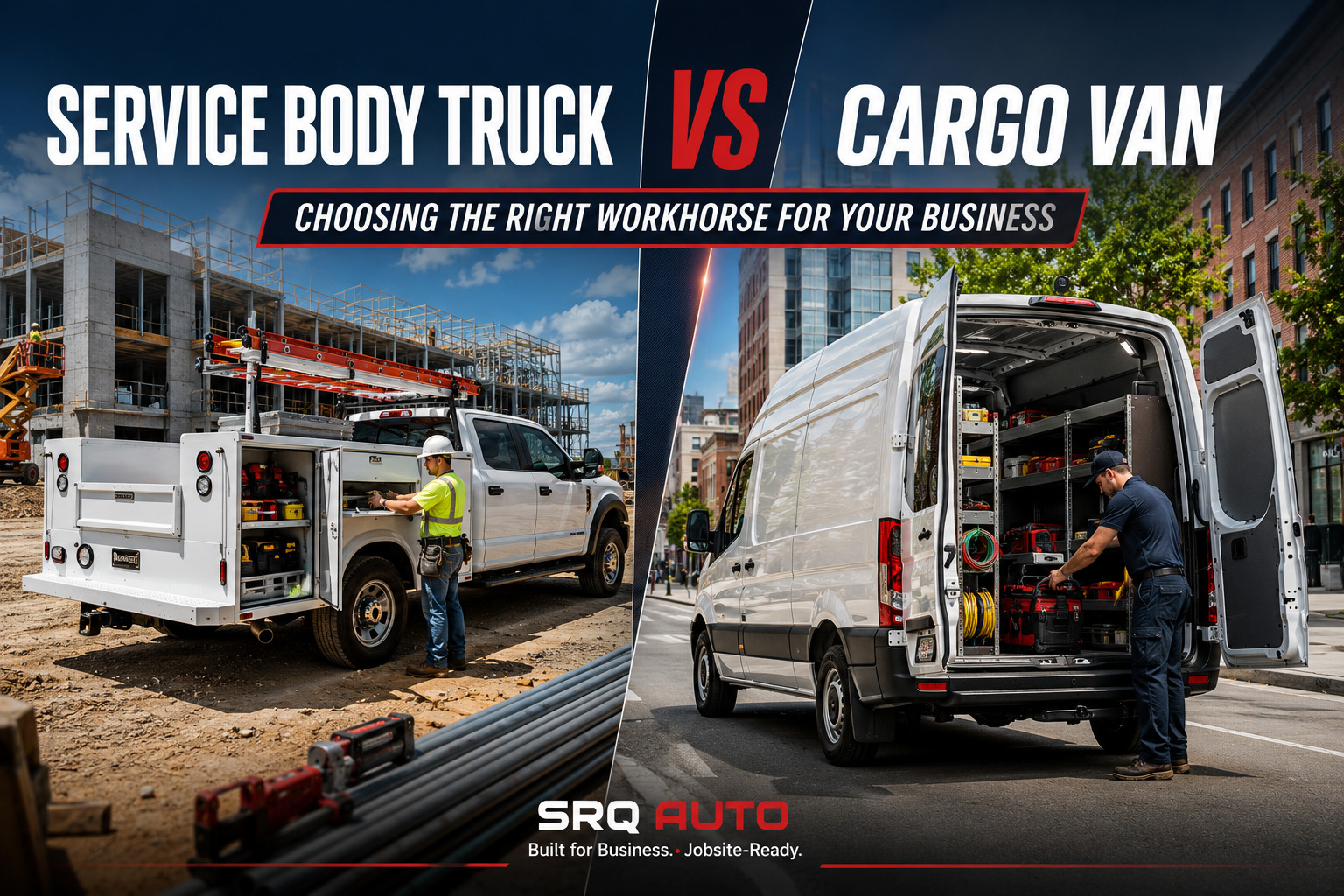
The central debate for modern fleet managers in Southwest Florida centers on a fundamental layout choice: enclosed cargo vans versus open-air utility beds (or service bodies). Both platforms offer distinct advantages, yet they represent entirely different operational philosophies. An enclosed cargo van serves as a mobile, weatherproof warehouse, locking away high-value trimmers, blowers, and hand tools from both the elements and opportunistic theft. Conversely, an open-utility-bed truck is a heavy-duty, highly accessible workhorse designed for quick loading, hauling bulky biological materials like sod or mulch, and easily towing massive commercial trailer setups. Right-sizing your fleet is not about finding a single "winner" between these two; it is about analyzing your specific services, crew structures, and geographical routes to deploy the perfect vehicular mix.

In this comprehensive guide, we will break down the structural, financial, and operational differences between these two dominant fleet choices. Whether you are an established fleet operator looking to optimize your route economics or a growing local contractor preparing to purchase your next work vehicle, this analysis will help you make an informed, data-driven choice. As your local commercial vehicle authority, SRQ Auto LLC is proud to serve the Bradenton and Sarasota communities by providing the insights and high-quality commercial vehicles you need to keep your business moving forward.

What Core Questions Should a Landscaping Owner Ask Before Choosing Vans or Utility-Bed Trucks?

1. What is your primary service offering?
If your business is heavily focused on weekly residential maintenance—mowing, trimming, blowing, and detail work—your equipment profile consists of high-value hand tools, small walk-behind mowers, and delicate electrical gear. This setup benefits immensely from the enclosed security of a van. However, if your primary revenue comes from design-build installations, hardscaping, tree services, or heavy commercial installations, you are moving bulk materials like gravel, rocks, large palms, and pallets of sod. These heavy, dirty materials demand the open, forklift-accessible loading capabilities of a utility bed.

2. What are your typical crew sizes?
Crew logistics dictate cab requirements. A standard cargo van typically accommodates a two-man crew in comfort, though some crew-van configurations add a second row. If you run larger 3-to-5-man crews for massive commercial accounts, you will almost certainly require a double-cab or crew-cab utility-bed truck. Forcing a larger crew into a vehicle not designed for passenger capacity leads to safety violations, discomfort, and decreased morale during hot Florida summers.

3. What are your towing and payload requirements?
Payload is the total weight a vehicle can carry inside or on its bed, while towing is what it can pull behind it. A heavy-duty utility truck built on a Class 3 or Class 4 chassis (like a Ford F-350 or Chevy Silverado 3500 HD) is engineered to tow heavy dump trailers or skid steer trailers weighing over 10,000 lbs. While modern cargo vans have impressive payload capacities, their towing capacities are generally lower, making them better suited for hauling gear internally rather than pulling heavy machinery.

4. How secure are your parking and storage setups?
Do your crews take their vehicles home at night, or do you park them in a secure commercial yard in Bradenton? If vehicles are parked in residential driveways or unmonitored lots, an open utility bed—even with locked side compartments—leaves large equipment exposed to theft and vandalism. Enclosed vans provide a seamless, lockable shell that keeps expensive tools completely out of sight, drastically reducing the risk of opportunistic crime.

What Are the Main Differences Between Using a Cargo Van and a Utility-Bed Truck for a Landscaping Fleet on the Gulf Coast?
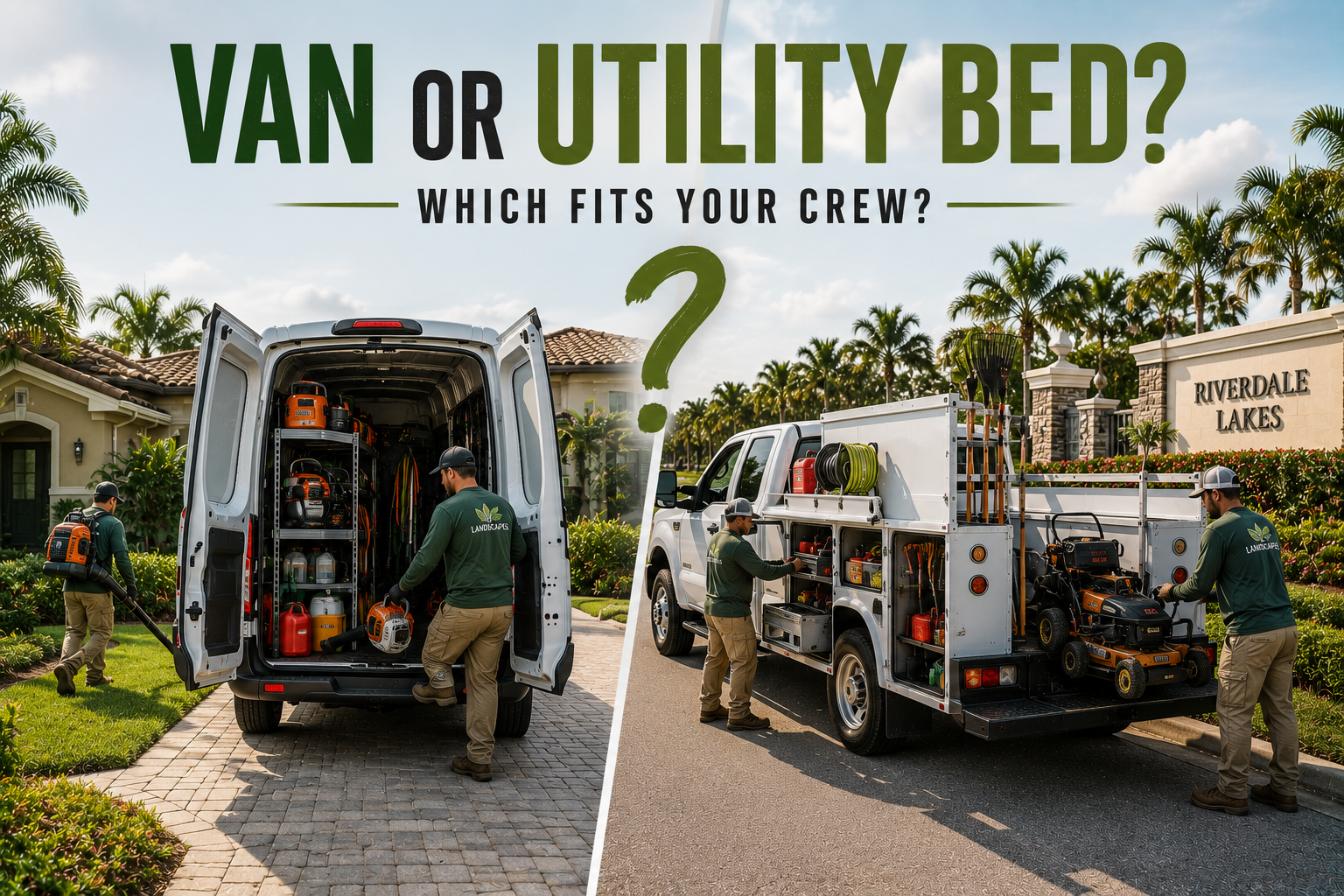
Tool Security & Weather Protection

Cargo vans excel at shielding your assets. In Florida's high-humidity and high-salt coastal air, leaving commercial-grade hand tools exposed to the elements accelerates rust, degrades electrical connections, and ruins fuel systems. A cargo van keeps everything dry during sudden 2:00 PM summer storms. Furthermore, everything is locked behind reinforced steel doors, eliminating the need to unload expensive gear at the end of every grueling day.

Loading and Material Access

Utility beds offer unmatched ease of loading for bulky items. Forklifts can drop a pallet of sod, fertilizer, or pavers directly into the open bed without clearance issues. For crews doing hardscaping or heavy planting, this open access saves countless hours of manual labor. Trying to load heavy, dirty biological waste or bulk gravel into a cargo van is extremely labor-intensive, dirty, and risks damaging the vehicle's interior.

Durability in Harsh Environments

The sandy soils of Bradenton and Sarasota can be incredibly abrasive to vehicle mechanical parts. Utility beds, built on heavy-duty truck platforms, feature robust, truck-grade suspension systems and high ground clearance designed to navigate rough, unpaved job sites. While vans are highly durable, their lower ground clearance and unibody structures can limit off-road capabilities on soft, sandy, undeveloped Gulf Coast terrain.

How SRQ Auto LLC Helps Bradenton and Sarasota Landscapers Build the Perfect Fleet Mix

At SRQ Auto LLC, we know your business depends on vehicles that are ready to perform from day one. That's why every commercial vehicle we sell is thoroughly inspected, serviced, reconditioned, and backed by our Job Ready Promise. From cargo vans and utility trucks to box trucks, shuttle buses, and heavy-duty pickups, we specialize exclusively in commercial vehicles built to keep businesses moving. With transparent vehicle histories, commercial financing, nationwide shipping, and over 500 five-star Google reviews, we've earned the trust of contractors, fleet operators, municipalities, and business owners across the country. Whether you're purchasing one vehicle or expanding an entire fleet, SRQ Auto delivers dependable, work-ready solutions that help your business stay productive.

Our commercial vehicle experts understand the unique demands of Gulf Coast businesses. We don't just sell you a vehicle; we help you analyze your route patterns, crew structures, and payload requirements to ensure you choose the ideal vehicle. If you are ready to expand your fleet, you can view our current Used Commercial Inventory to see what we have in stock today. If you need financing, we provide competitive commercial loan structures designed for small business owners. To get the ball rolling, you can easily submit your Credit Application online and get pre-approved quickly.

How Much Enclosed Cargo Volume Does a Typical Landscaping Cargo Van Provide for Your Gear?
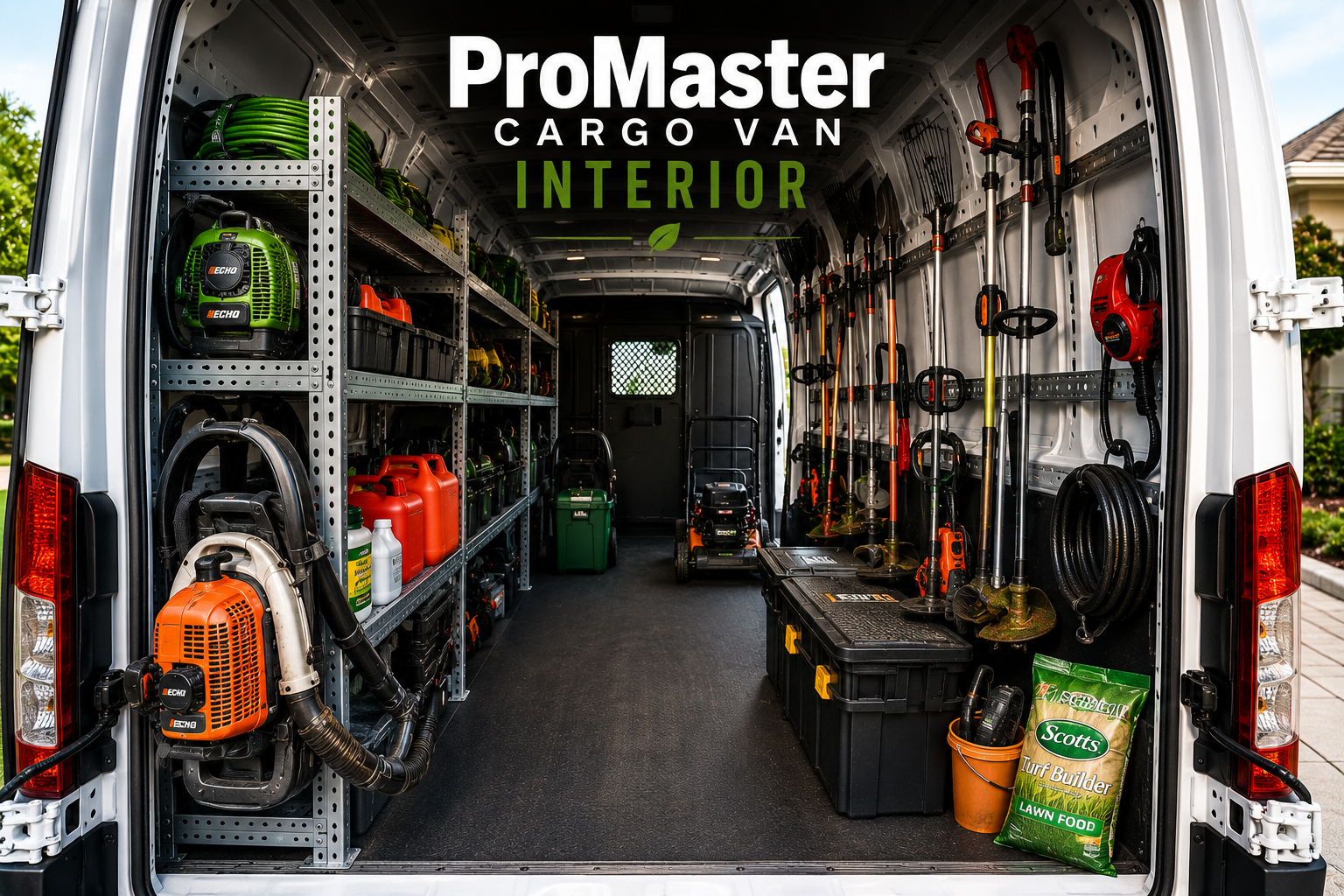
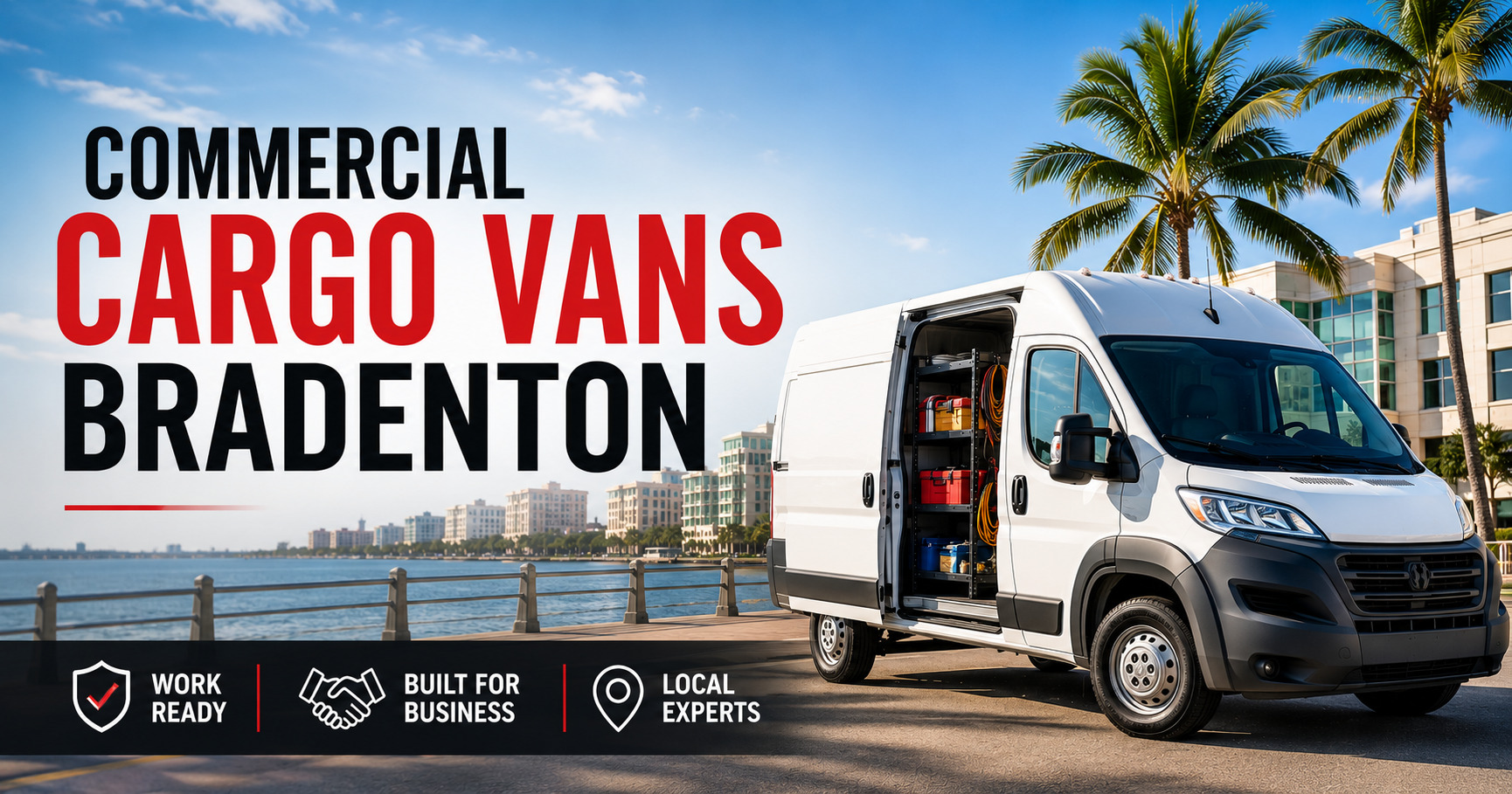
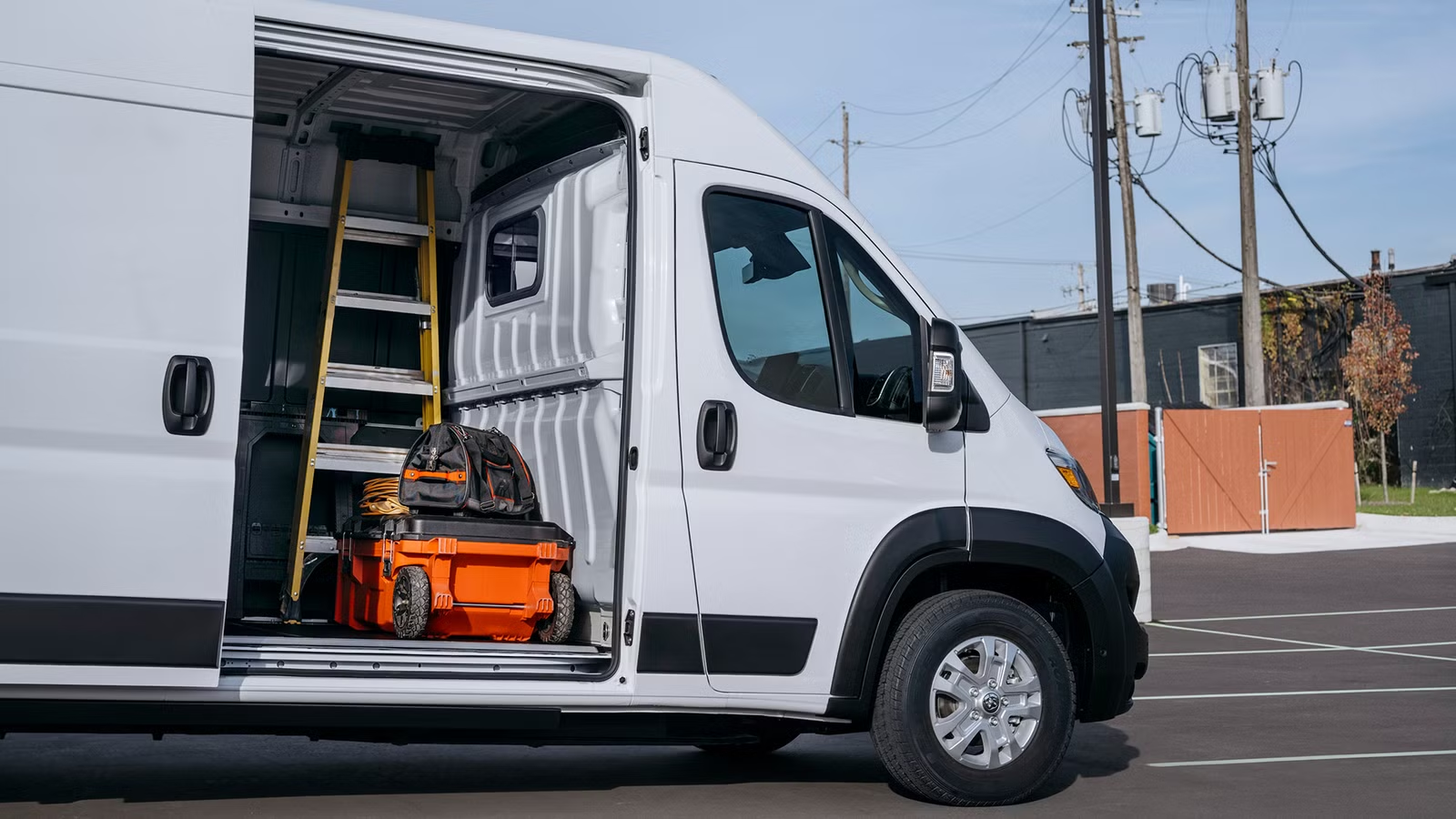
When evaluating commercial cargo vans, space is measured in cubic feet, and modern designs utilize space more efficiently than ever before. Traditional low-roof vans (like older Chevrolet Express models) offer around 230 to 270 cubic feet of cargo volume. While highly useful, these vans require workers to bend over or crawl to access tools, which can lead to fatigue and joint strain over a long shift. High-roof models (such as the Ford Transit High Roof, Ram ProMaster, or Mercedes-Benz Sprinter) have completely revolutionized the commercial van segment. These taller platforms boast cargo volumes ranging from 350 to well over 460 cubic feet, allowing workers up to 6'5" tall to stand completely upright while working inside.

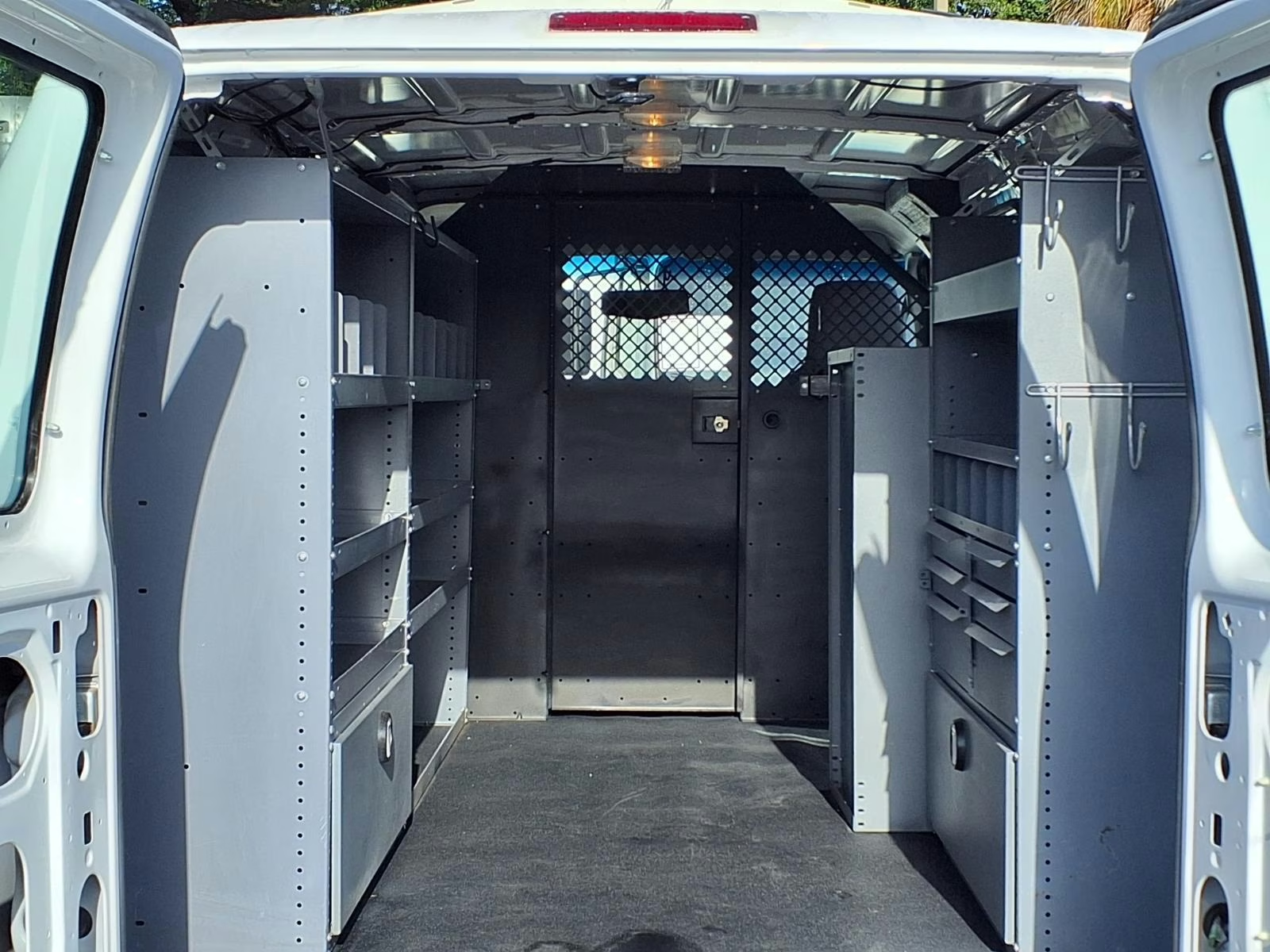
For a landscaping crew, this high-roof design transforms the vehicle from a mere transport box into a fully functioning, walk-in mobile workshop. You can mount heavy-duty trimmer racks along the interior walls, organize commercial blowers on dedicated floor brackets, and install heavy-duty shelving units for oil, line, spare parts, and safety gear. Best of all, you still maintain a wide central aisle to roll in a 30-inch stand-behind mower or a pair of commercial push mowers, keeping them fully secured and protected from the elements without the need for a separate trailer.

What Interior Dimensions and Cargo Volume Do Typical Work Cargo Vans Offer for Shelving and Tool Storage?

Standard Roof Dimensions

Typical standard-roof work vans feature an interior cargo height of approximately 53 to 55 inches. The cargo floor length usually spans from 120 inches to 143 inches depending on whether you choose a regular or extended wheelbase. These compact dimensions are excellent for nimble urban routing and navigating low-clearance parking garages, though they limit your ability to install multi-tiered shelving units or stand upright.

Medium & High Roof Specs

Medium-roof vans offer an interior height of around 72 inches, while high-roof versions jump to 81 inches or more of vertical clearance. The floor width between the wheel wells is typically around 54 inches, which is wide enough to fit standard 4x8 plywood sheets or palletized cargo. This extra vertical space allows for the installation of massive three-tier shelving units without sacrificing floor space.

Shelving Optimization

By utilizing professional bin systems, custom tool racks, and overhead storage bars, you can systematically catalog hundreds of small items. From fuel cans and spare trimmer head assemblies to safety vests and specialized hand tools, everything has a designated place. This prevents tools from shifting during transport, protecting your investment and dramatically reducing the time crews spend rummaging for gear.

Van Configuration

Est. Interior Height

Est. Floor Length

Est. Cargo Volume

Low Roof (Regular Wheelbase)

53 - 55 in

120 - 126 in

230 - 260 cu ft

Medium Roof (Long Wheelbase)

72 in

143 in

310 - 350 cu ft

High Roof (Extended Wheelbase)

81 - 83 in

160 - 172 in

400 - 460 cu ft

Why Open Utility Beds and Service Bodies Dominate Heavy-Duty Hauling in Lakewood Ranch and Fort Myers
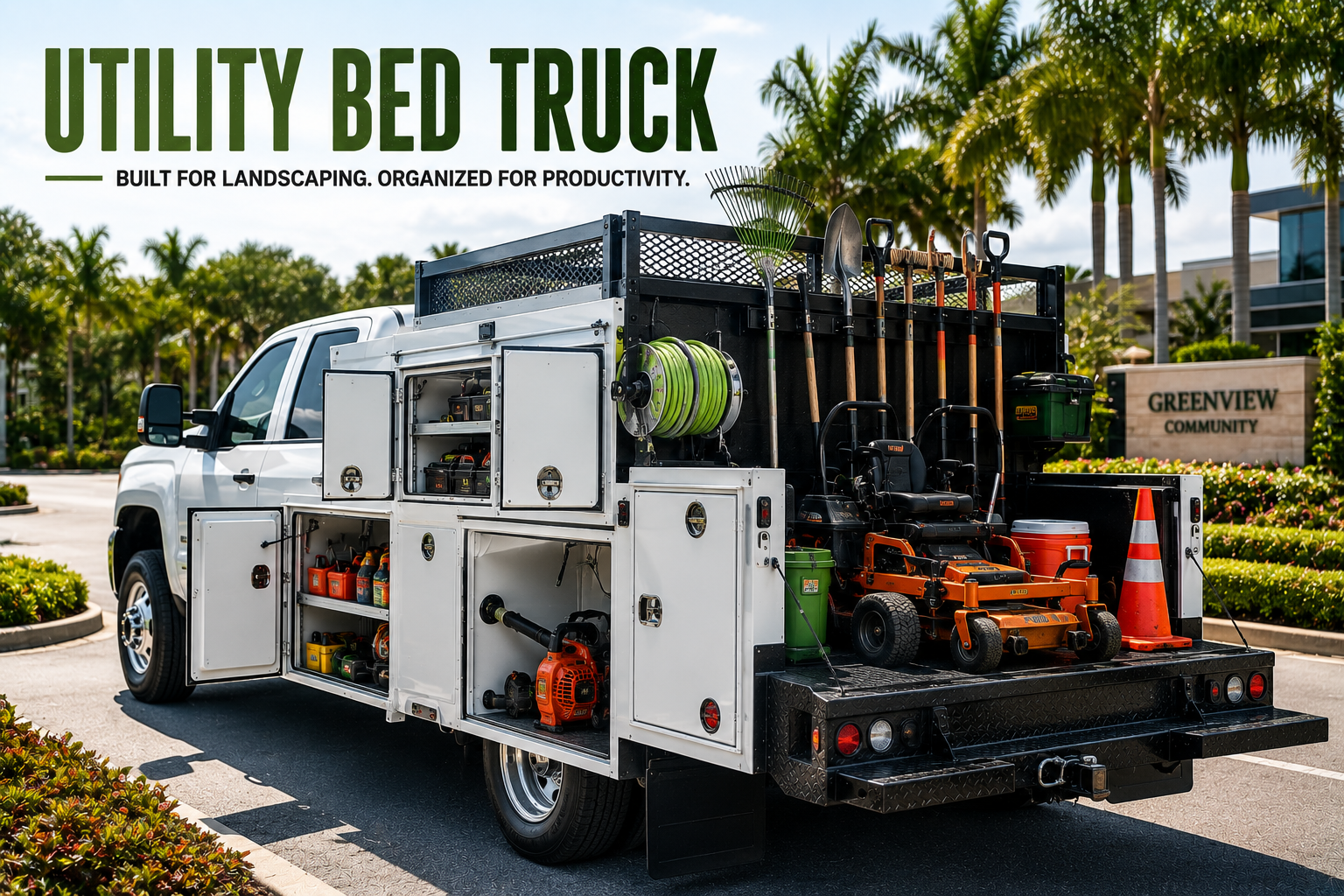
For design-build landscaping contractors and hardscape specialists operating in rapidly developing areas like Lakewood Ranch, commercial needs go far beyond hauling lawnmowers. These projects require moving tons of gravel, pallets of thick interlocking pavers, fieldstone, large root-balled palms, and bulk organic materials. An open utility-bed truck, often built on a heavy-duty chassis cab, is the undisputed king of these heavy-duty environments. The open bed design allows commercial forklifts to quickly load and unload heavy pallets from either side or the rear, maximizing operational turnaround times.

Furthermore, a utility bed features built-in exterior tool compartments that run along both sides of the vehicle. These lockers are highly dust-resistant, weatherproof, and fully lockable, keeping hand tools, chainsaws, and rigging gear organized and secure while leaving the main bed completely open for bulk cargo. When paired with a heavy-duty Class IV or V receiver hitch, these trucks can easily tow heavy dump trailers, excavators, or skid steers, giving your crew the ultimate mobile platform to tackle massive landscaping installations from start to finish.

Which Is More Fuel-Efficient for Gulf Coast Landscaping Routes, Cargo Vans or Utility-Bed Trucks?

Aerodynamic Profiles

Cargo vans, despite their blocky shapes, feature relatively streamlined, single-volume aerodynamic profiles. Air flows smoothly over the hood and along the solid sides. An open utility-bed truck, especially when loaded with tools, rakes, or bulky material, creates immense wind drag. The turbulent air swirling around an open bed and exposed tools acts like a parachute, noticeably dragging down highway fuel economy during long transit runs.

Curb Weight Differences

Utility beds are often fabricated from heavy-duty gauge steel or thick aluminum, mounted onto robust, heavy-duty truck chassis. This inherently higher curb weight requires more energy to move, especially during stop-and-go driving. Modern cargo vans, particularly those utilizing unibody construction, are engineered to be lighter, which translates directly to superior fuel efficiency when navigating tight residential routes with frequent stops.

Powertrain Efficiencies

Vans are frequently equipped with highly efficient V6 engines or small-displacement turbocharged power plants paired with multi-speed automatic transmissions. While highly capable, heavy-duty utility trucks often run large V8 gasoline or powerful turbo-diesel engines designed for raw towing torque rather than fuel economy. For high-mileage routes connecting Tampa to Fort Myers, cargo vans consistently deliver lower fuel costs.

Are Cargo Vans or Utility-Bed Trucks More Cost-Effective for Day-to-Day Landscaping Work?
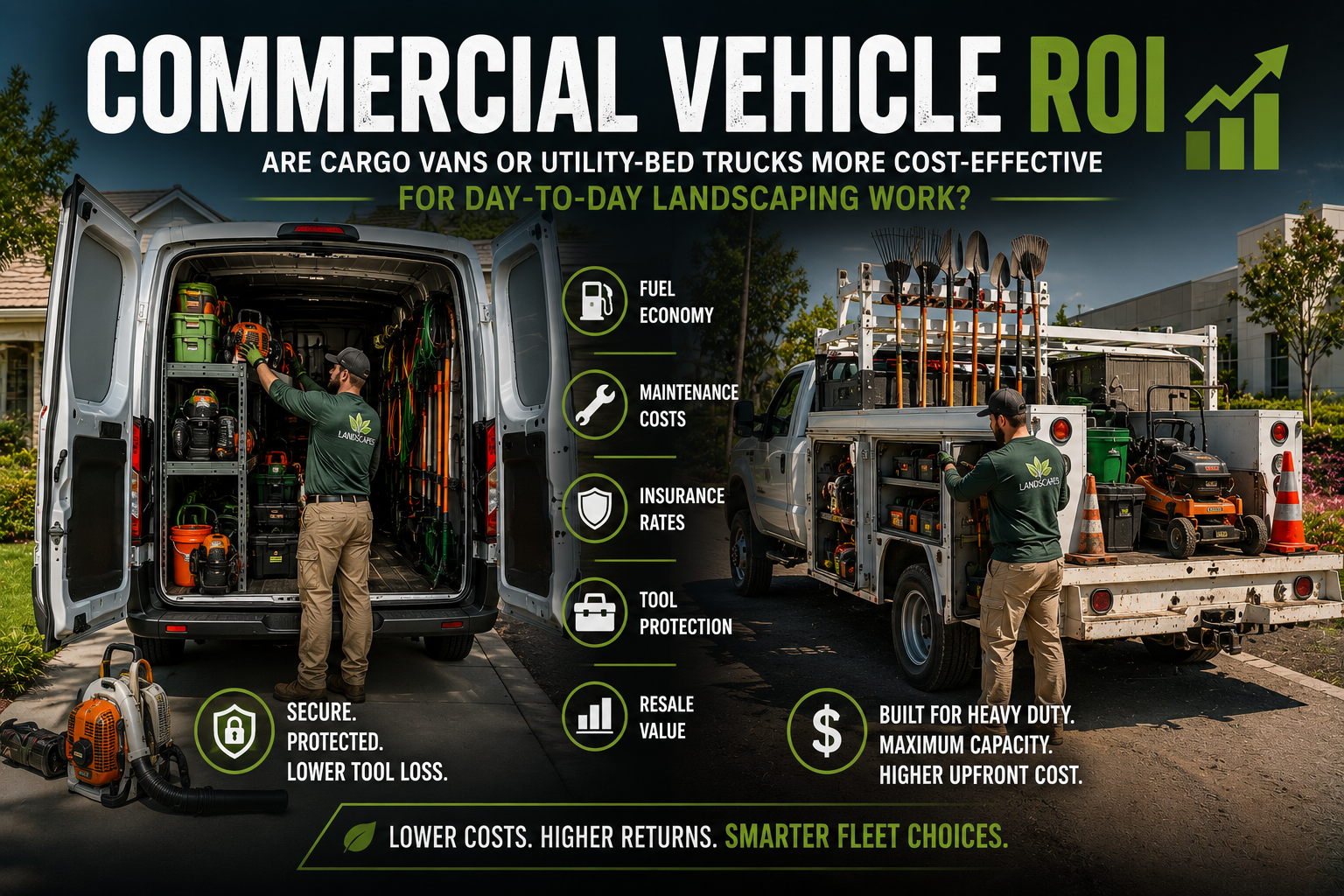
To determine true cost-effectiveness, fleet operators must look beyond the initial purchase price and evaluate the Total Cost of Ownership (TCO). This includes fuel economy, maintenance costs, commercial insurance rates, tool depreciation due to exposure, and projected resale value. Generally, cargo vans present a lower upfront purchase price compared to a heavy-duty truck equipped with a high-end, aftermarket steel service body. Furthermore, because a cargo van keeps your tools locked and sheltered, you experience far lower rates of tool replacement due to weather damage or theft, which can quietly drain a business's cash reserves.

On the other hand, heavy-duty utility trucks built on commercial chassis tend to have exceptionally long lifespans. A diesel-powered truck with a steel or aluminum utility bed can easily run for hundreds of thousands of miles of heavy towing, holding its resale value incredibly well in the pre-owned market. If your primary work involves heavy-duty hauling, trying to force a light-duty cargo van to carry excessive payloads will lead to premature wear on its brakes, suspension, and transmission, resulting in expensive downtime. Ultimately, cost-effectiveness is achieved by matching the vehicle's structural capacity directly to the weight and volume of the material you haul daily.

Navigating Gulf Coast Weather: Protecting Your Equipment from Salt Air, Intense Heat, and Sudden Downpours

The climate of Southwest Florida is notoriously harsh on mechanical equipment. With our close proximity to the Gulf of Mexico, the air is constantly laden with corrosive salt spray that accelerates metal rust and oxidation. Additionally, our summers are characterized by blistering, high-UV sunlight and sudden, torrential downpours that can dump inches of rain in under an hour. For a landscaping company, this environment presents serious operational challenges. High-end commercial lawnmowers, line trimmers, leaf blowers, and chainsaws feature complex electrical starting systems, delicate carburetors, and exposed metal surfaces that do not tolerate constant moisture and salt exposure.

This is where the enclosed cargo van offers an unparalleled advantage. When a sudden afternoon thunderstorm strikes, your crew can simply slide the side door shut, keeping thousands of dollars of commercial gear completely bone-dry. It also shields your equipment from the intense, baking UV rays of the Florida sun, which can degrade plastics, dry out fuel lines, and cause fuel inside tool tanks to expand and spill. For operators utilizing open utility beds, protecting tools requires a proactive approach. This includes choosing service bodies with premium powder-coated finishes, investing in heavy-duty aluminum toolboxes with high-grade rubber weather seals, and applying specialized rust-prevention coatings to the exposed bed surfaces to combat the corrosive salt air.

No matter which vehicle style you deploy, protecting your physical assets is essential to maintaining your business's momentum. That's why we highly recommend protecting your fleet purchases with comprehensive mechanical protection. At SRQ Auto LLC, we offer affordable commercial protection plans built specifically for the demands of contractors, fleet operators, and business owners. To learn more about how we keep your business vehicles protected, you can explore our Commercial Warranty Options to ensure unexpected repairs never derail your daily operations.

What Is a Practical First Step for Bradenton Landscapers to Right-Size Their Fleet Mix by Vehicle Specs?
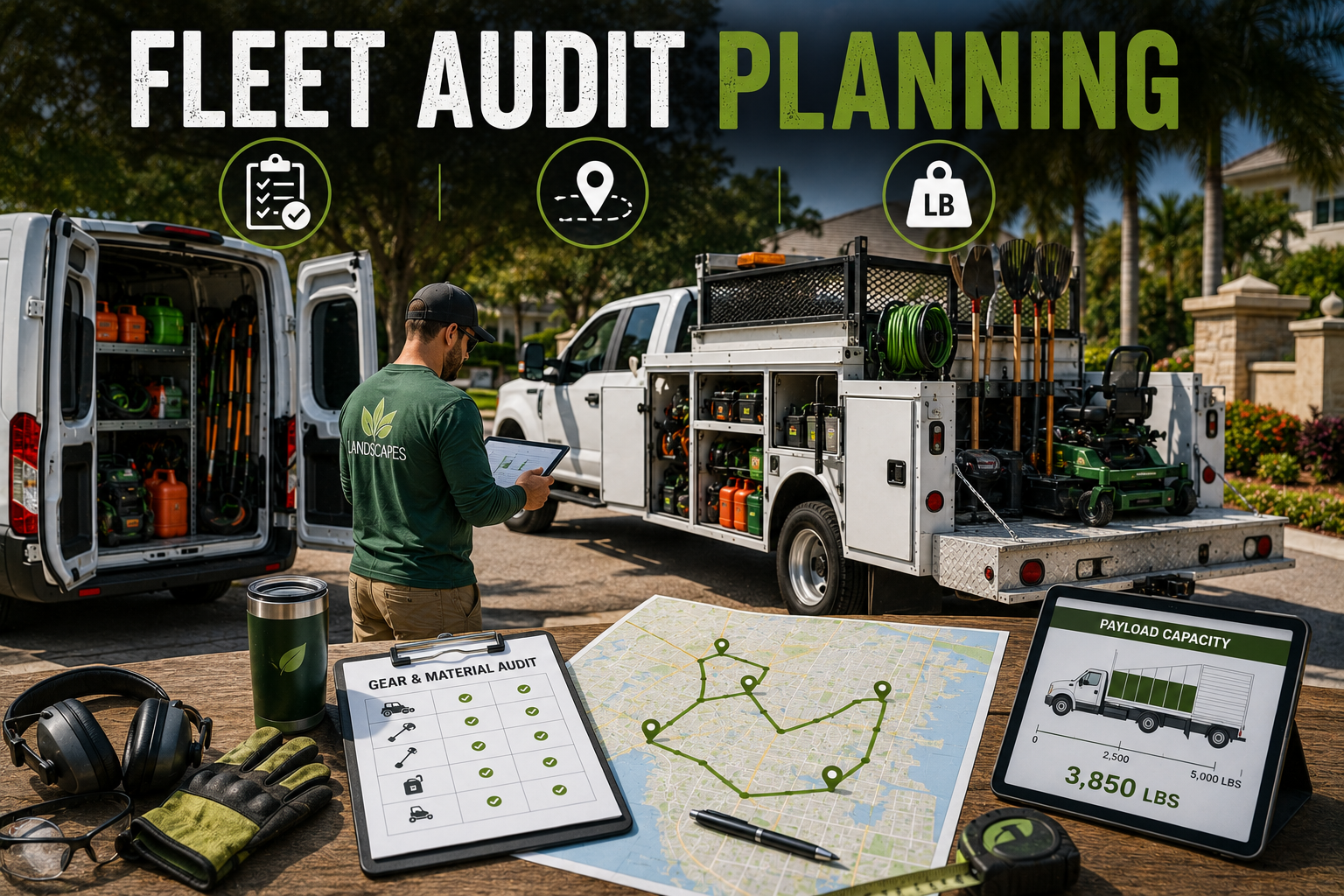
1. Conduct a Gear & Material Audit

Begin by listing every piece of equipment, tool, and material your crew transports to job sites on a daily basis. Calculate the cumulative weight and physical volume of these assets. Do you regularly haul bulk materials like mulch or soil, or is your load primarily comprised of hand tools and walk-behind mowers? Understanding this profile prevents you from buying a vehicle that is underpowered or lacking in physical space.

2. Analyze Your Route Geography

Look closely at where your clients are located. If your routes are concentrated in tight, congested downtown areas or master-planned communities with narrow driveways and strict HOA rules, a highly maneuverable cargo van with a tight turning radius is ideal. If your clients are sprawling commercial properties, ranches, or new construction sites with unpaved, sandy access roads, a heavy-duty 4x4 utility truck is the safer choice.

3. Map Out Your Payload Capacity

Never guess on vehicle capacities. Check the Gross Vehicle Weight Rating (GVWR) of any truck or van you are considering. Subtract the curb weight of the vehicle (including the utility bed and crew) to find your actual allowable payload. Overloading a commercial vehicle not only violates DOT safety regulations but also drastically increases wear and tear, compromises braking distances, and voids manufacturer warranties.

Why SRQ Auto LLC is Among the Top Commercial Truck Dealerships Near Bradenton and Sarasota

At SRQ Auto LLC, we specialize exclusively in quality pre-owned commercial vehicles, serving businesses across Florida and shipping nationwide. Every vehicle is thoroughly inspected, serviced, reconditioned, and backed by our Job Ready Promise, so it's ready to go to work from day one. Our inventory includes cargo vans, utility and service trucks, box trucks, shuttle buses, heavy-duty pickups, landscape trucks, and fleet-ready commercial vehicles for nearly every industry. With commercial financing, transparent vehicle histories, nationwide delivery, and more than 500 five-star Google reviews, we've built a reputation for helping businesses buy with confidence. Whether you're adding a single work truck or expanding an entire fleet, SRQ Auto is committed to delivering dependable, work-ready vehicles that keep your business moving forward.

We make the acquisition process as streamlined and transparent as possible. Our customers can easily access detailed vehicle history reports, explore competitive rates through our dedicated Commercial Financing programs, and even check out our Recent Deliveries to see how we help businesses nationwide. We invite you to learn more About Us and see why local business owners trust us with their most valuable physical assets.

Visit Our Bradenton Showroom Today
We are conveniently located in the heart of Bradenton, making it easy for business owners from Sarasota, Lakewood Ranch, and the surrounding areas to stop by, inspect our inventory in person, and consult with our commercial vehicle experts. Our team is fully prepared to help you find the perfect work vehicle that fits your operational needs and budget.

📍 Address: 2212 1st St, Bradenton, FL 34208
📞 Phone: Call us at (941) 214-2231
🗺️ Get Directions to SRQ Auto LLC

Don't forget to ask our team about the potential tax savings available for your business! Many of our commercial work trucks and cargo vans qualify for substantial upfront tax relief. You can learn more about how to maximize your purchase benefits by reviewing our guide on Used Vehicle Tax Deductions.

Ready to Right-Size Your Fleet? Explore Commercial Work Vans and Trucks at SRQ Auto LLC Today
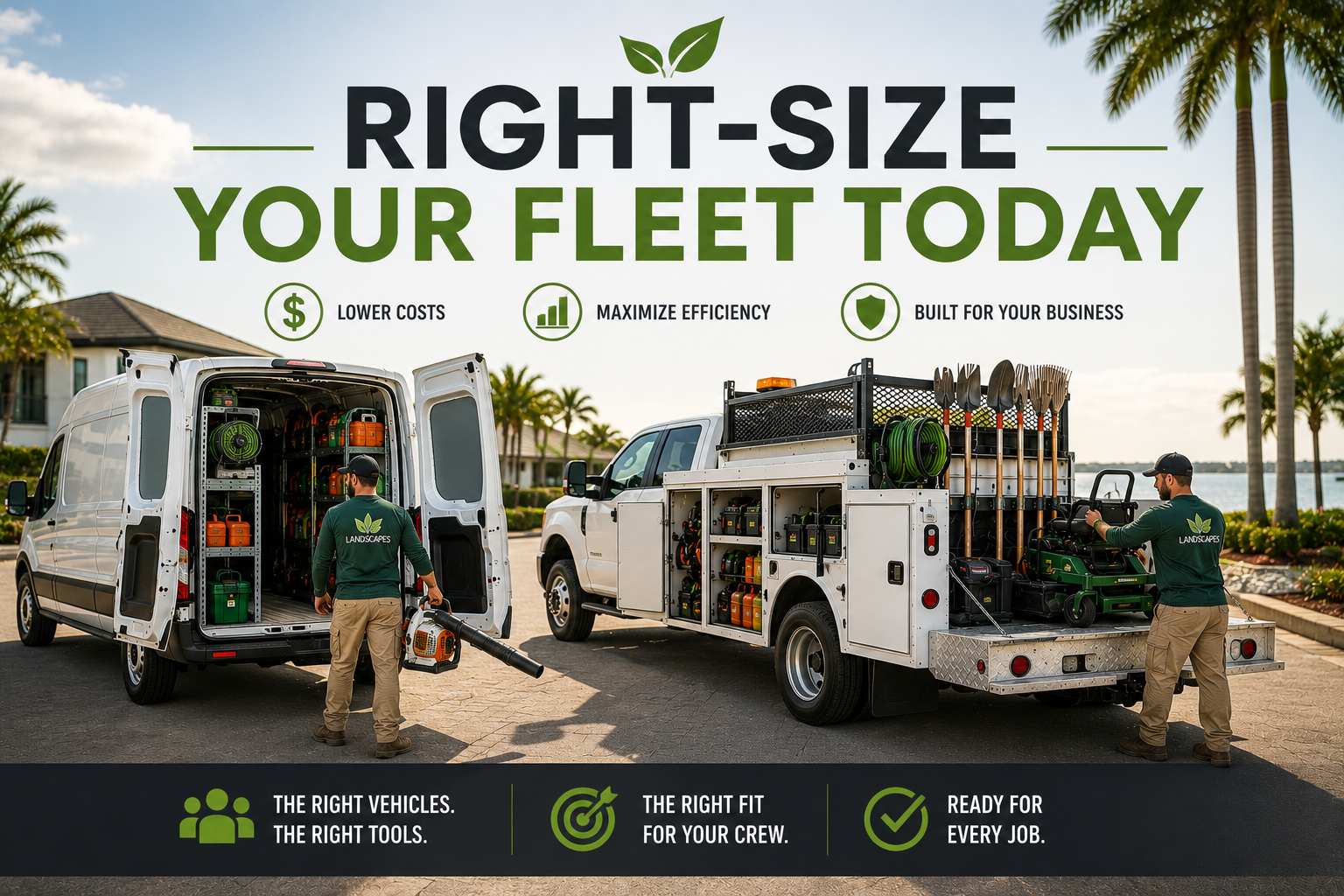
Choosing between enclosed cargo vans and open utility beds is one of the most critical decisions you will make for your Gulf Coast landscaping business. By analyzing your daily services, understanding your cargo volume and payload requirements, and preparing for the unique challenges of the Southwest Florida climate, you can build a highly efficient, highly profitable fleet. No matter what your ideal vehicle mix looks like, SRQ Auto LLC is here to help you secure reliable, work-ready commercial assets that keep your business moving forward.

We invite you to explore our highly specialized commercial inventory categories to find the perfect addition to your fleet. Whether you are looking for versatile enclosed storage, heavy-duty hauling capacity, or specialized bulk transport, we have the work-ready solutions you need. Browse our Used Cargo Van Inventory, explore our heavy-duty Used Service Truck/Van Inventory, or check out our powerful Landscape Dump Trucks. If your business requires high-volume transport, we also offer a clean selection of Used Box Truck Inventory and passenger-ready Used Shuttle Bus Inventory.