Best Work Vans for Business: Transit vs. ProMaster vs. Express/Savana
The best work van is not necessarily the van with the lowest mileage, tallest roof or most recognizable badge. It is the van that fits what your business carries, how your technicians work and where the vehicle operates every day.
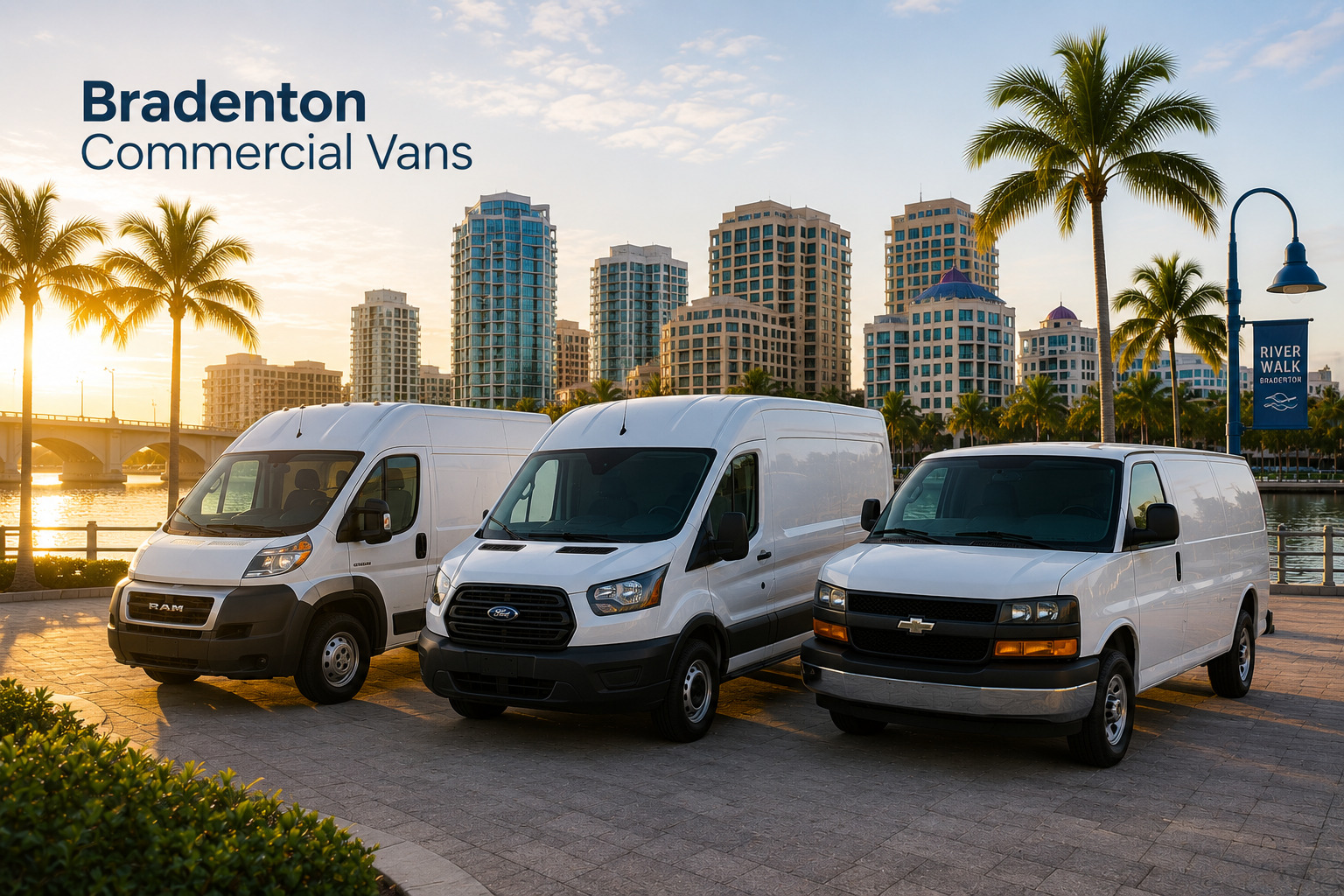
At SRQ Auto, we buy, recondition and sell Ford Transit, Ram ProMaster, Chevrolet Express, GMC Savana and other commercial vans to contractors, service businesses and fleets throughout Florida and nationwide.
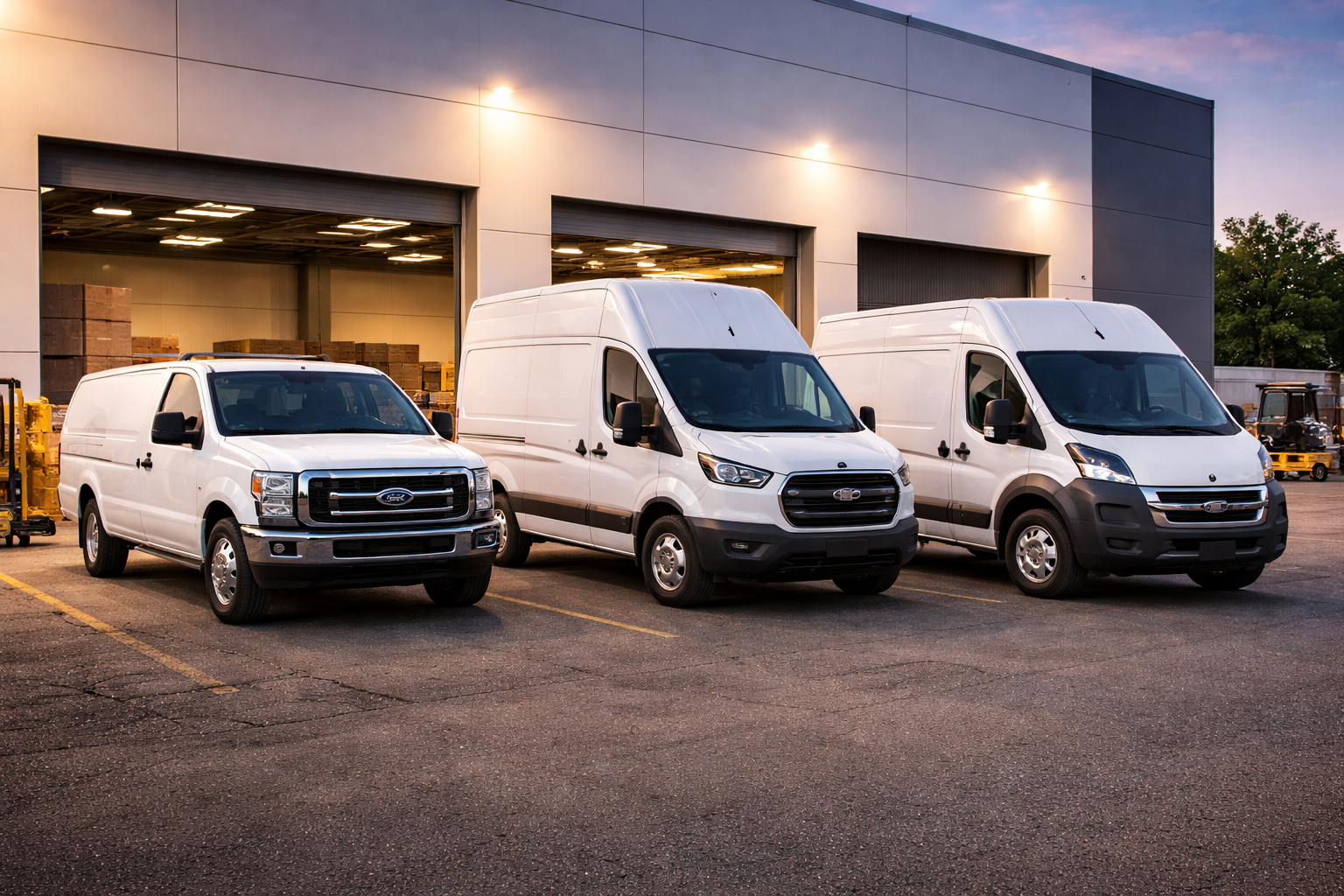
We see firsthand how differently these vans can work once shelving, partitions, equipment and payload are added. The Ford Transit, Ram ProMaster and Chevrolet Express/GMC Savana each solve the work-van problem differently.
Understanding those differences can help a business buy the van that fits the job instead of simply buying the van with the best-looking specification sheet.
Browse SRQ Auto's Current Cargo Vans
Which Work Van Is Best for Your Business?
There is no single work van that is best for every contractor, technician, delivery company or fleet.
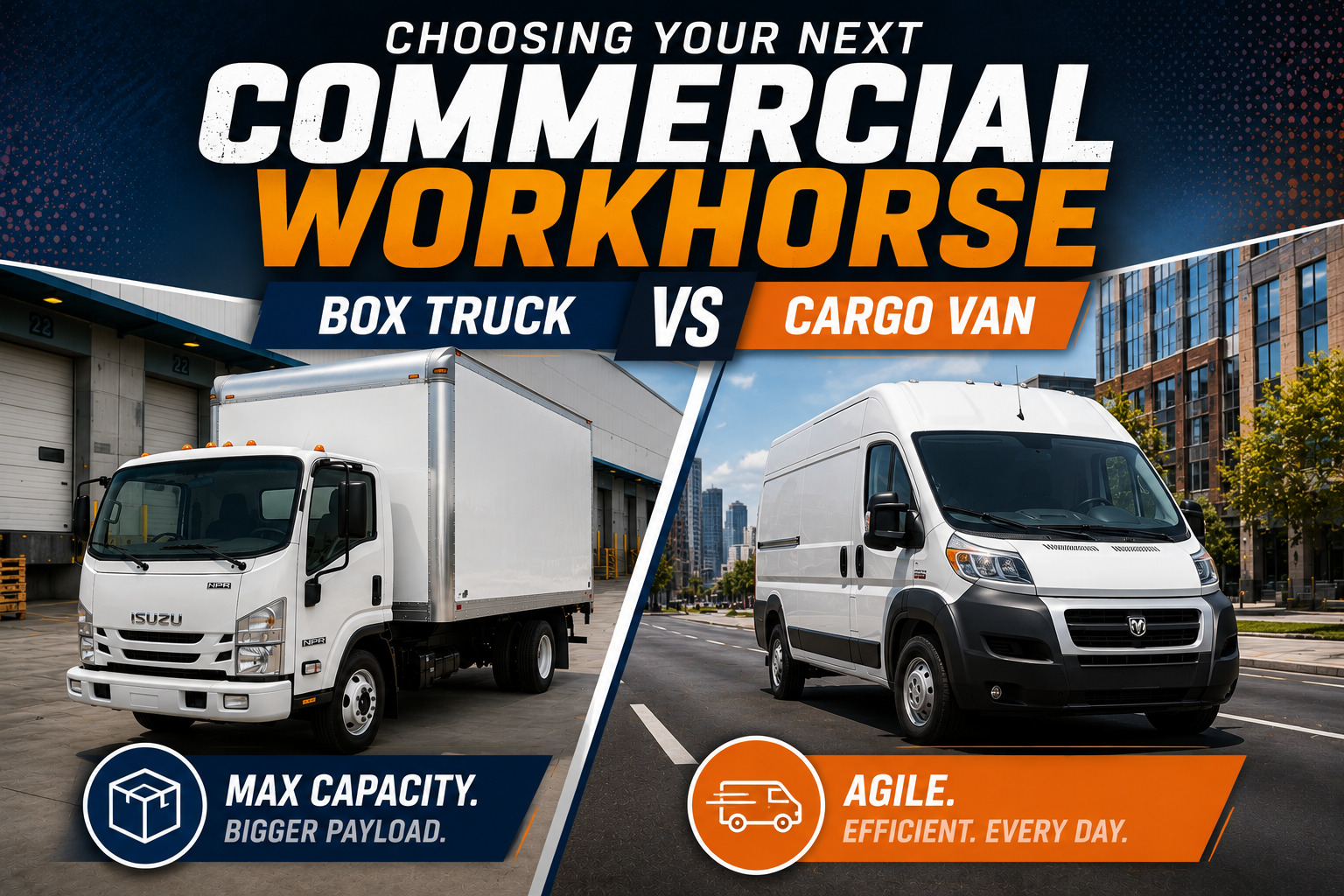
The Ford Transit, Ram ProMaster and Chevrolet Express/GMC Savana represent three different approaches to the commercial van.
The Transit and ProMaster offer modern cargo-van designs with multiple configurations and high-roof availability. The Express and Savana use a more traditional full-size van layout that remains useful for businesses that do not need stand-up cargo height.
The right comparison starts with the work—not the brand.
Ford Transit vs. Ram ProMaster vs. Chevy Express/GMC Savana
Before comparing individual model years or engines, consider the basic differences in configuration.
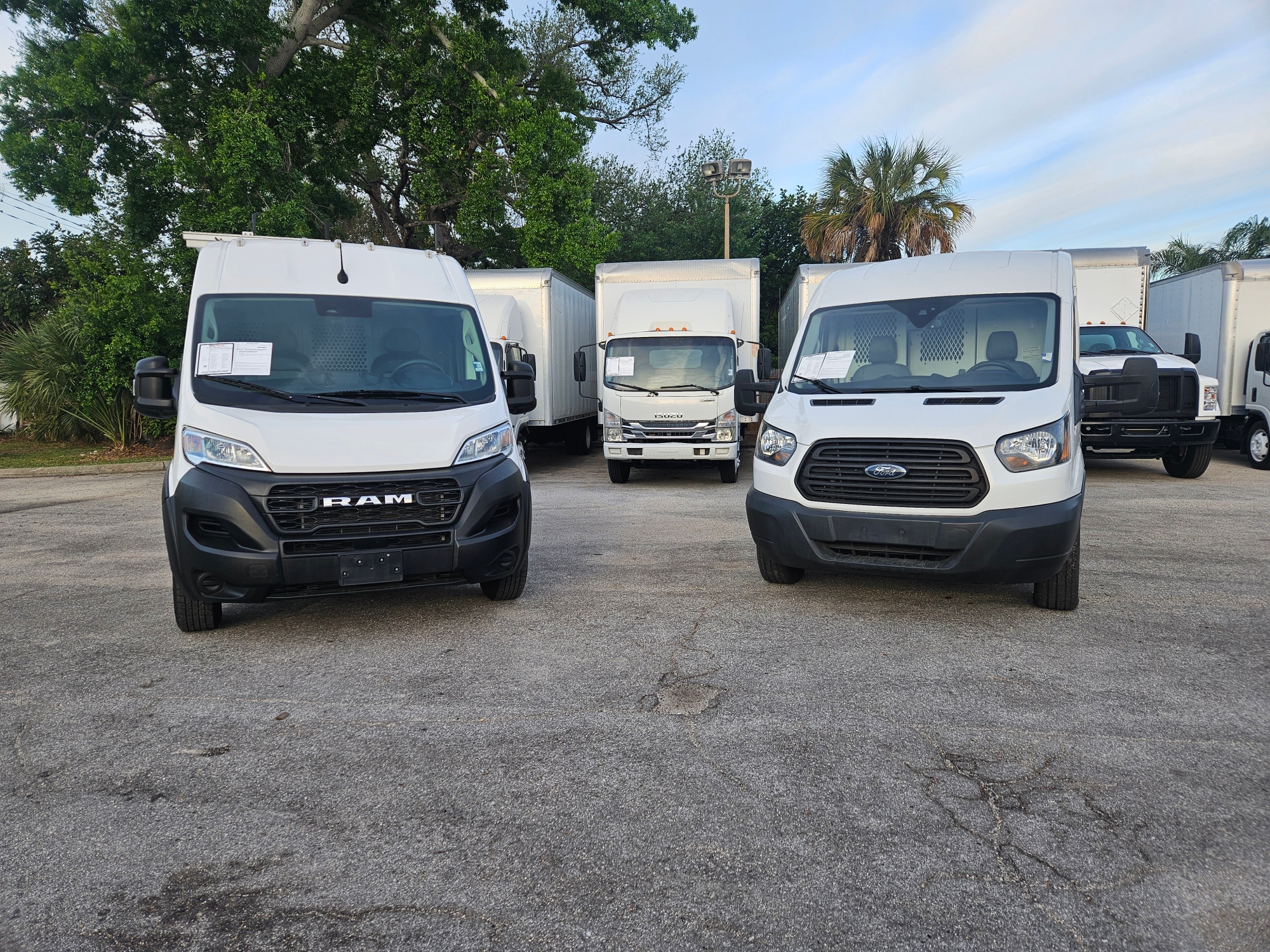
- Ford Transit: Available in multiple roof heights, wheelbases and cargo configurations, with rear-wheel-drive and available all-wheel-drive configurations depending on model year.
- Ram ProMaster: Uses a front-wheel-drive layout and is available in multiple roof heights and body lengths.
- Chevrolet Express/GMC Savana: Traditional rear-wheel-drive full-size vans with a lower overall roof profile and familiar commercial layout.
Used inventory varies by model year, wheelbase, GVWR, engine, roof height and installed equipment, so individual vehicles should always be evaluated on their own specifications.
Which Work Van Is the Most Reliable?
Reliability is one of the biggest questions commercial-van buyers ask, but declaring one van universally more reliable than every other van oversimplifies the used market.
Model year, engine, maintenance history, previous use, idle time, mileage and current condition can all affect the ownership experience.
At SRQ Auto, we would rather buy a properly maintained commercial van with a configuration that makes sense than choose a van simply because its badge has a reputation for reliability.
When shopping used, the condition and history of the individual van matter enormously.
Why the Ford Transit Is Popular With Businesses
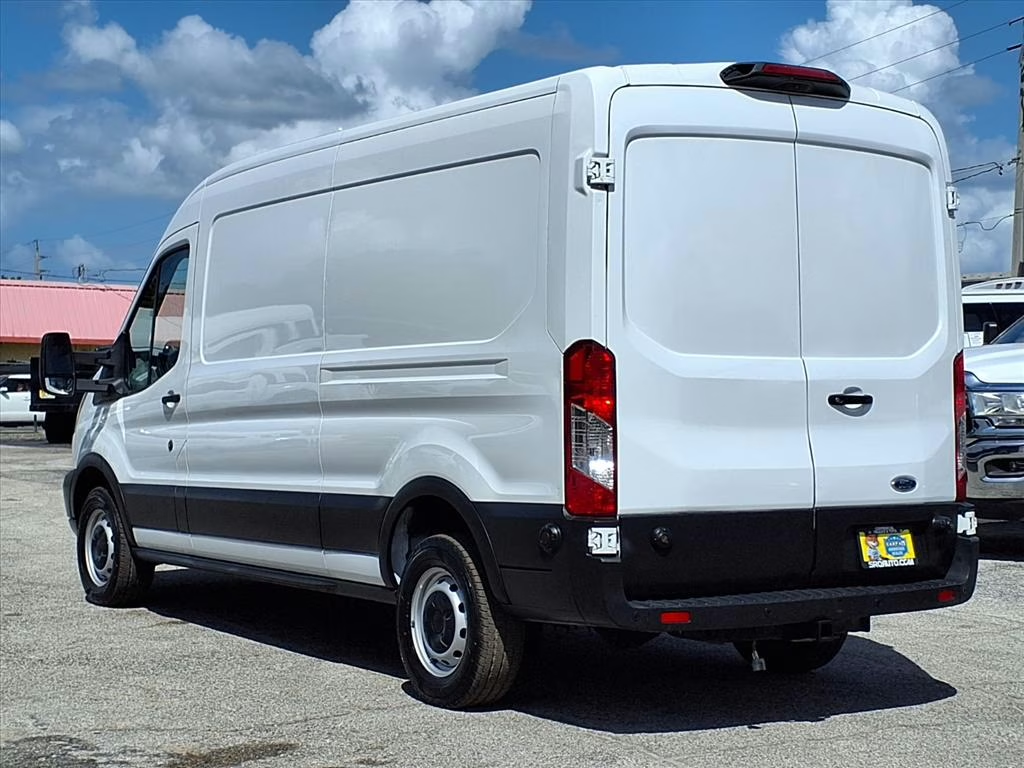
The Ford Transit has become a common choice for contractors, delivery companies, fleets and mobile-service businesses because it is available in numerous configurations.
Depending on model year and specification, buyers can find different roof heights, wheelbases and cargo lengths. That flexibility allows businesses to choose between a more compact commercial van and a taller, longer configuration with substantially more interior working space.
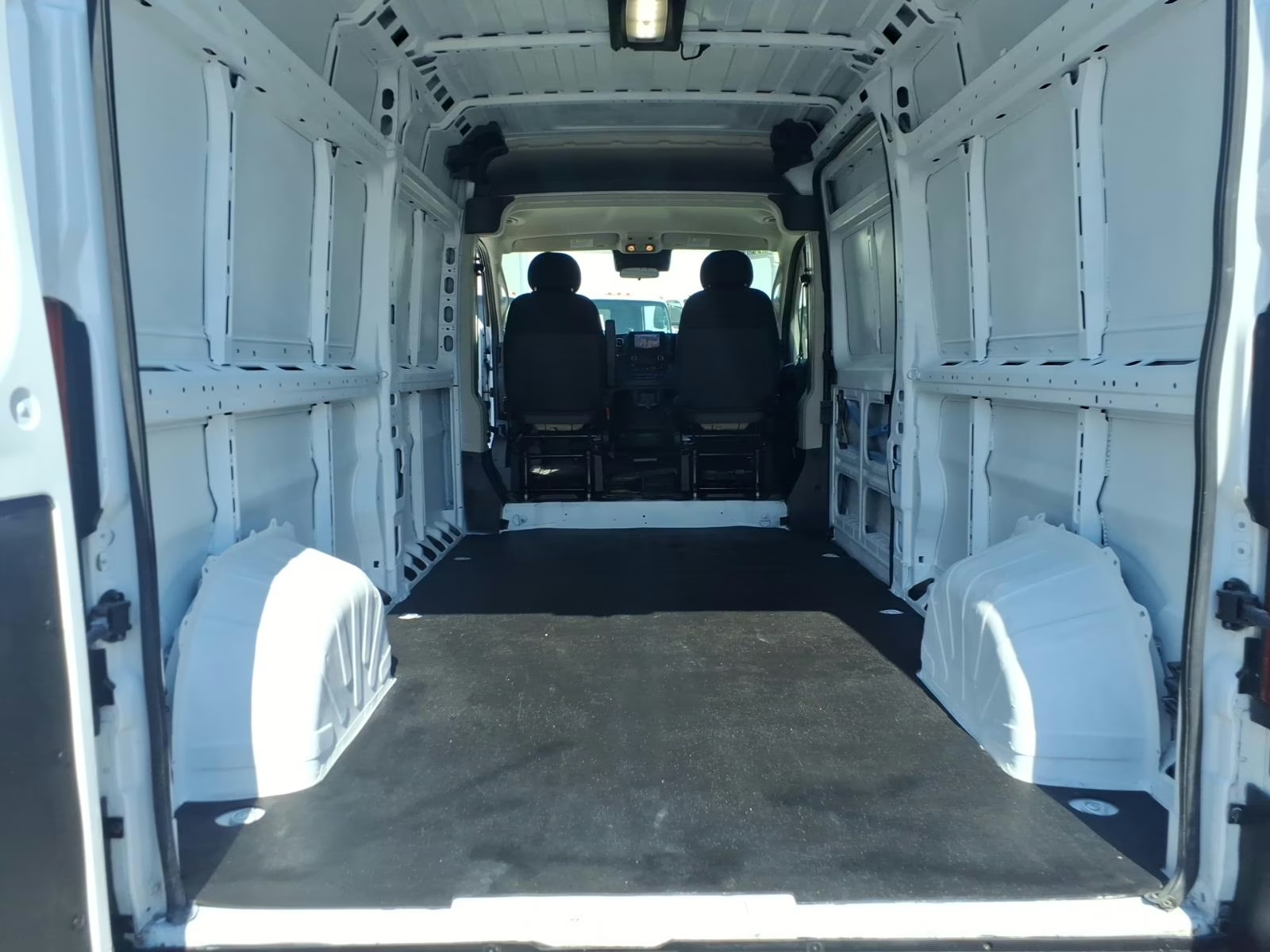
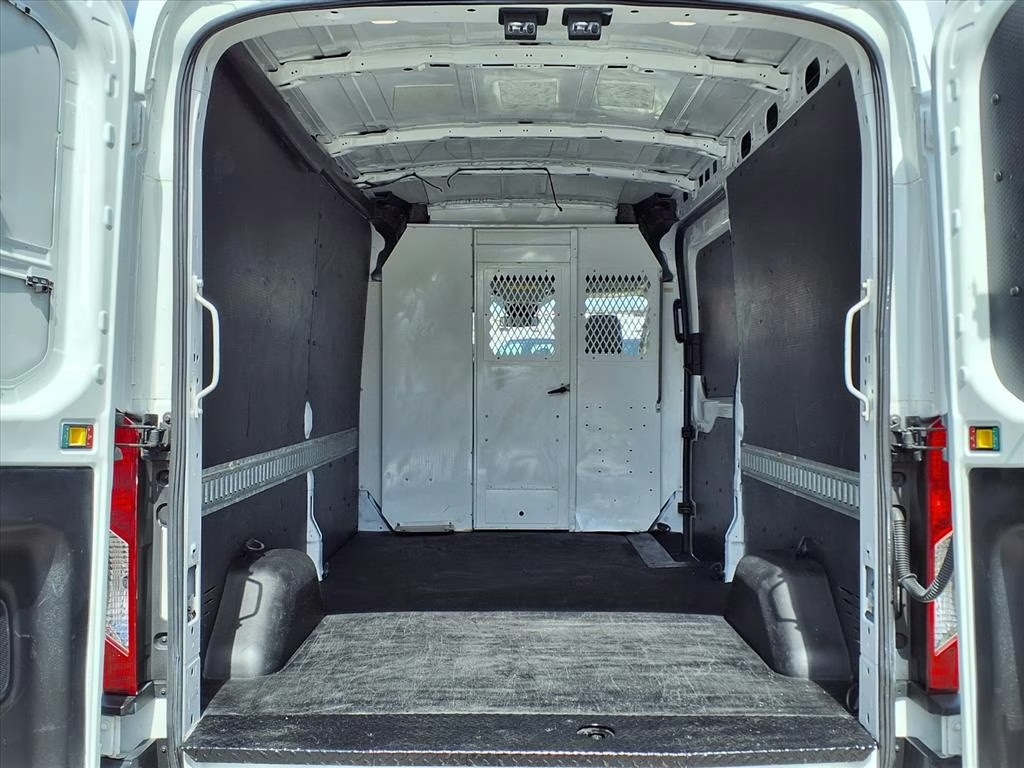
High-roof Transit models are particularly attractive to businesses that want technicians to move more easily inside the cargo area.
Who Should Consider a Ford Transit?
A Transit can make sense for HVAC companies, electricians, plumbers, telecommunications contractors, maintenance operations, delivery companies and businesses carrying organized tools and inventory.
It can also be a strong candidate for shelving, partitions and other commercial upfits.
The best Transit configuration depends on how much cargo space, roof height, payload and maneuverability the business actually needs.
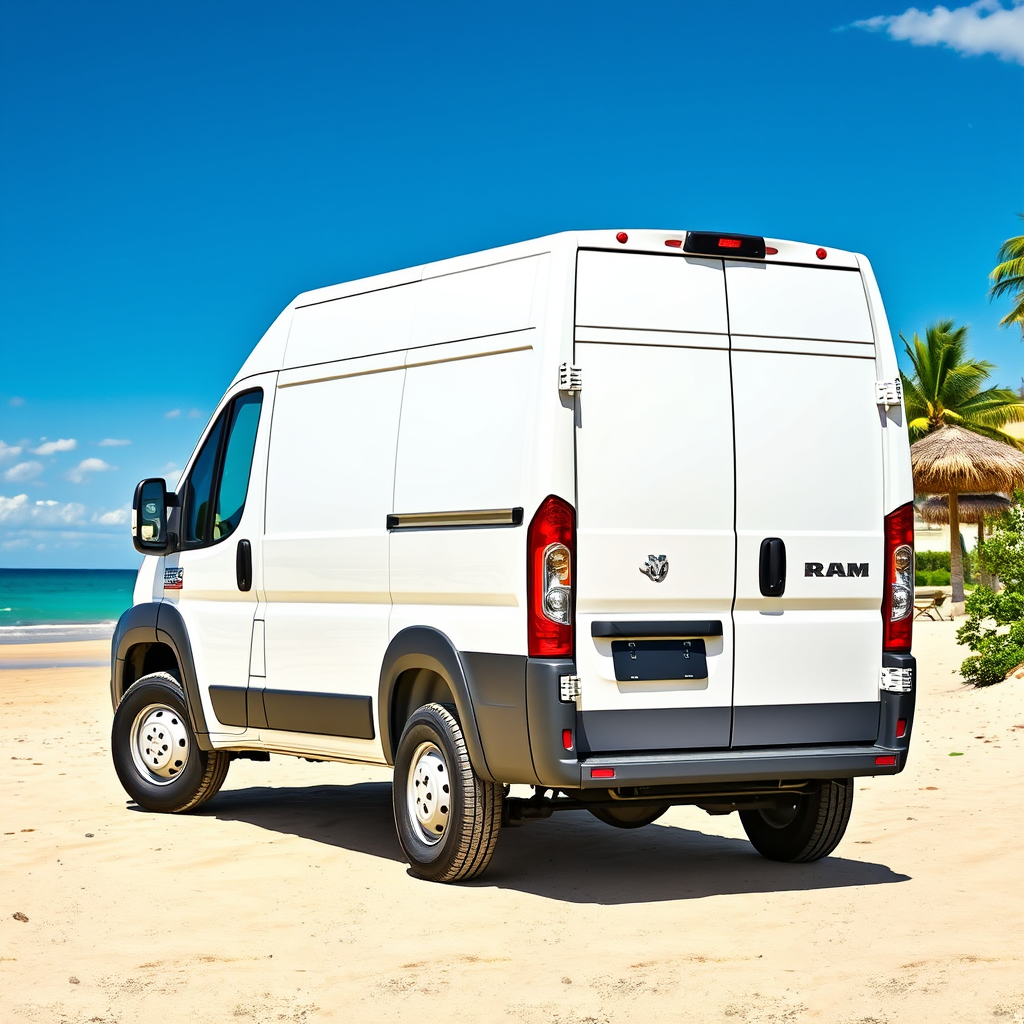
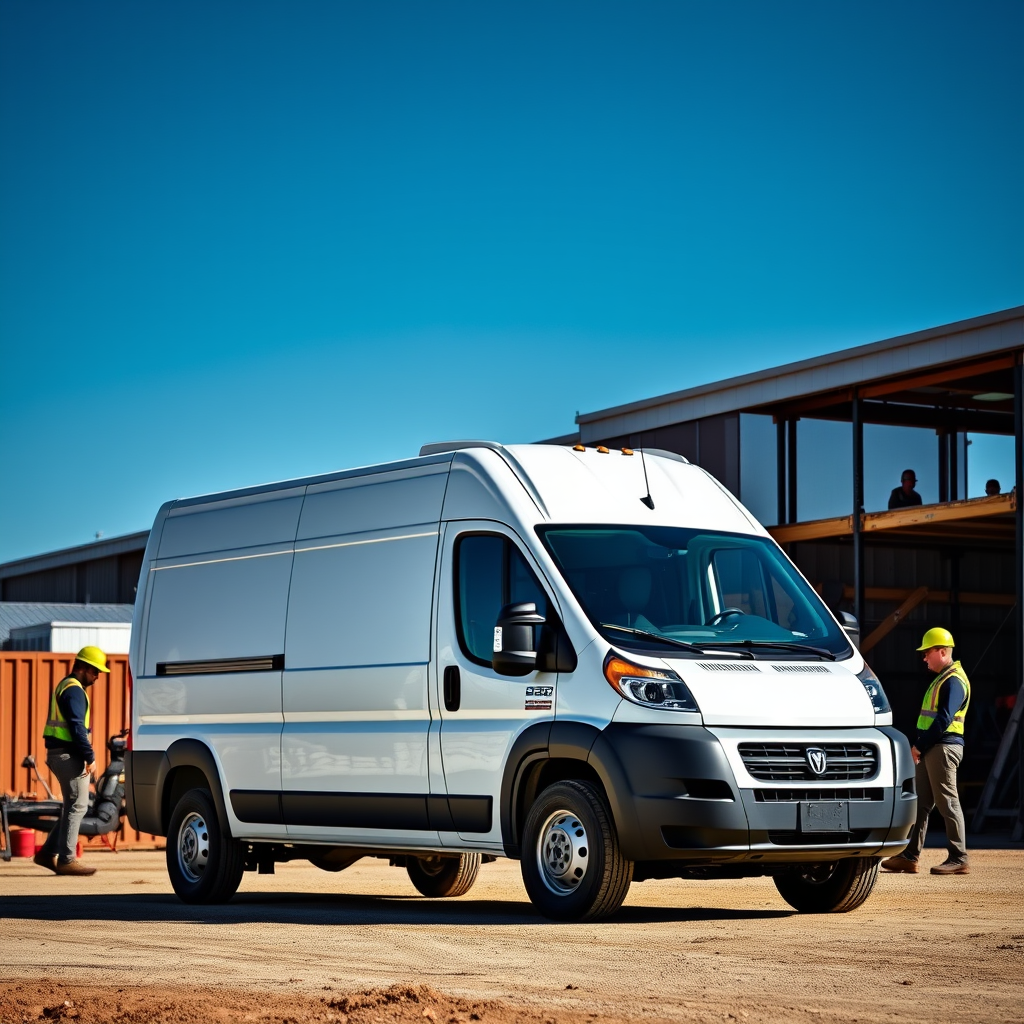
Why Businesses Choose the Ram ProMaster
The Ram ProMaster takes a different approach by using a front-wheel-drive layout.
That drivetrain configuration contributes to a relatively low cargo-floor height and allows the van to package a large, practical cargo area behind the cab.
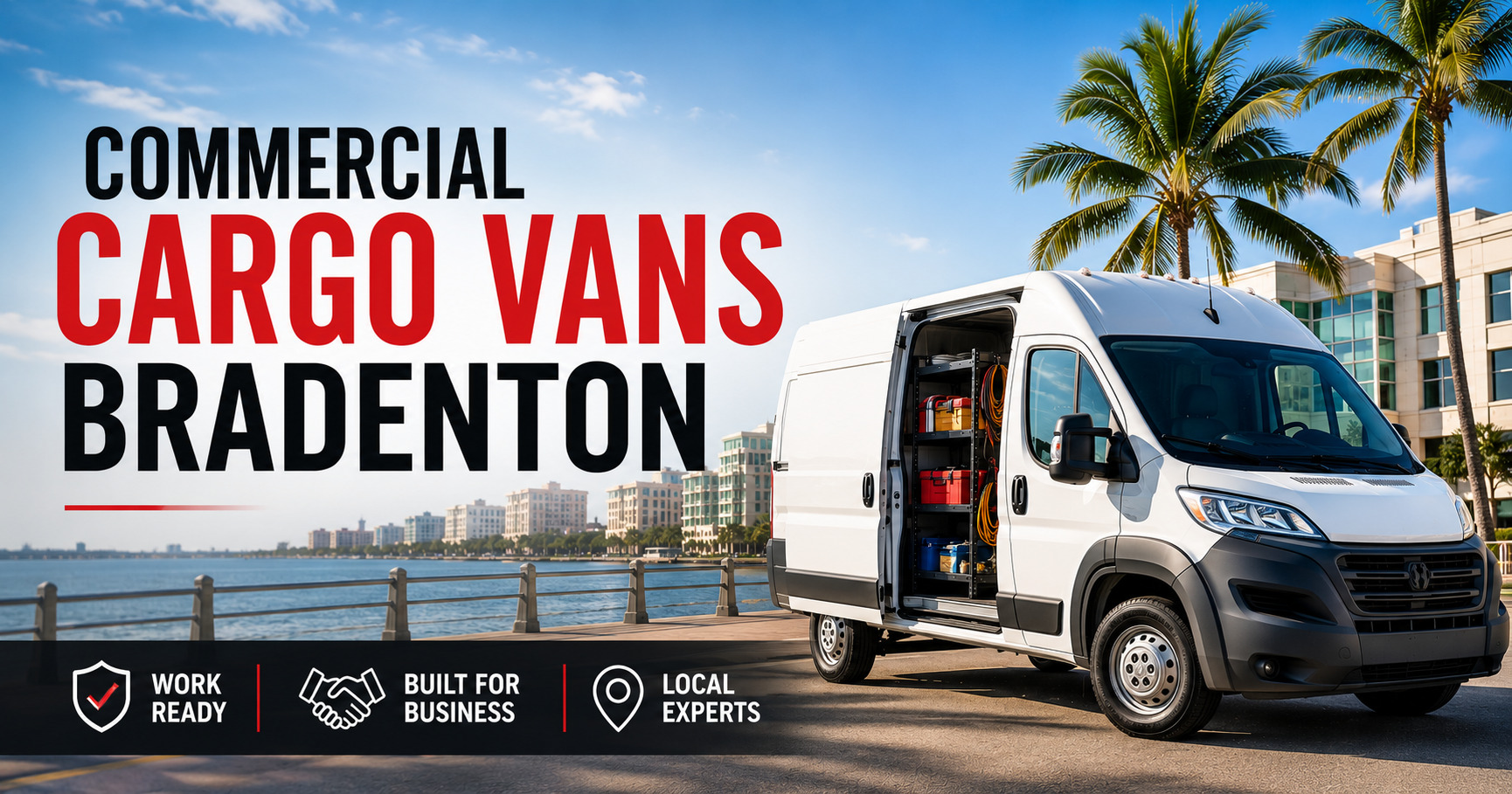
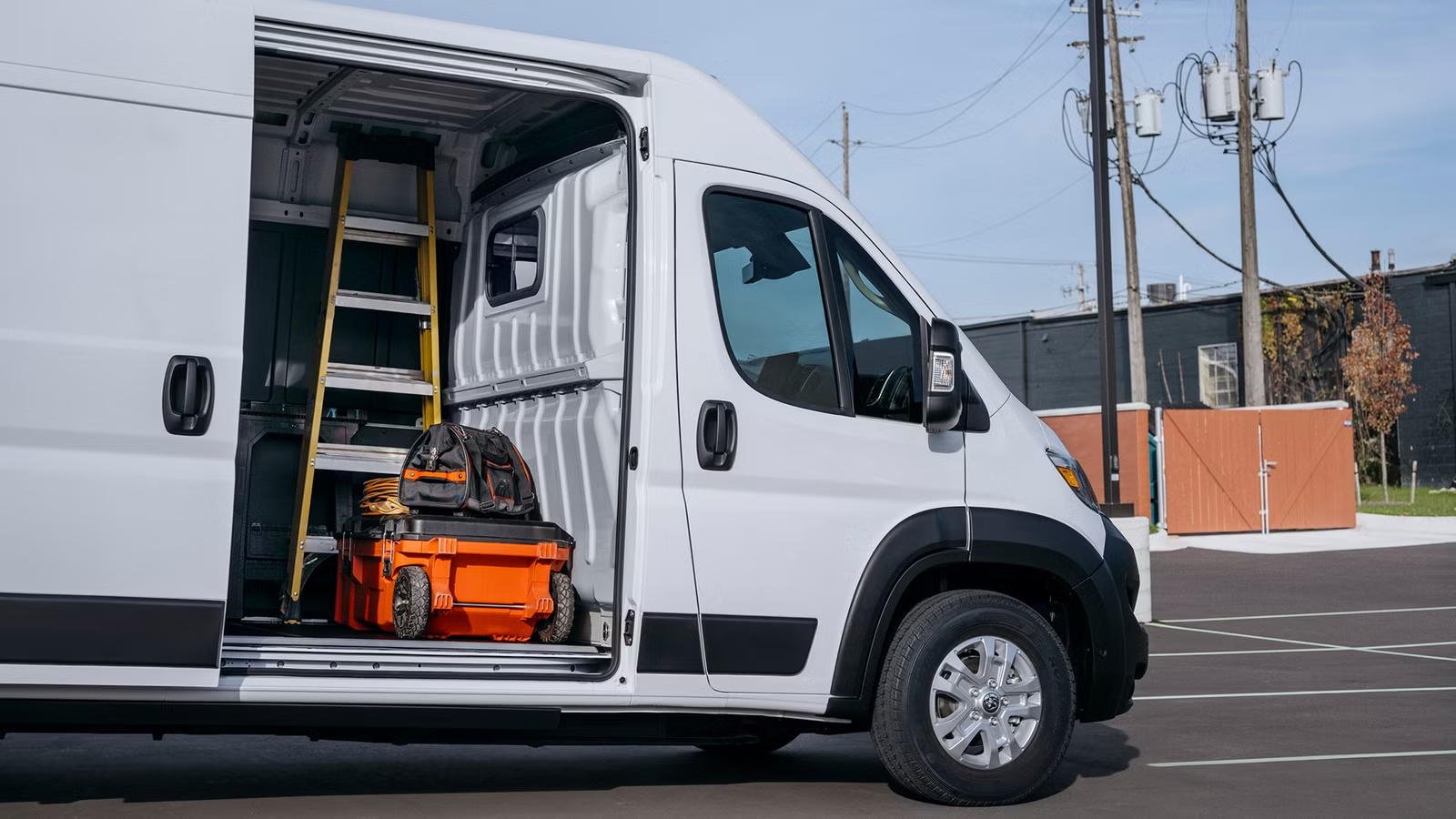
High-roof ProMaster configurations can provide useful working height for technicians who regularly enter the cargo area to retrieve tools, parts and supplies.
Like the Transit, the ProMaster is commonly found with commercial shelving, partitions and trade-specific equipment.
Who Should Consider a Ram ProMaster?
ProMaster vans can work well for HVAC contractors, electricians, plumbers, telecom companies, delivery operations and other businesses that prioritize cargo accessibility and interior workspace.
The front-wheel-drive layout may also appeal to businesses that value a lower cargo floor for repeated loading and unloading.
Why the Chevy Express and GMC Savana Still Matter
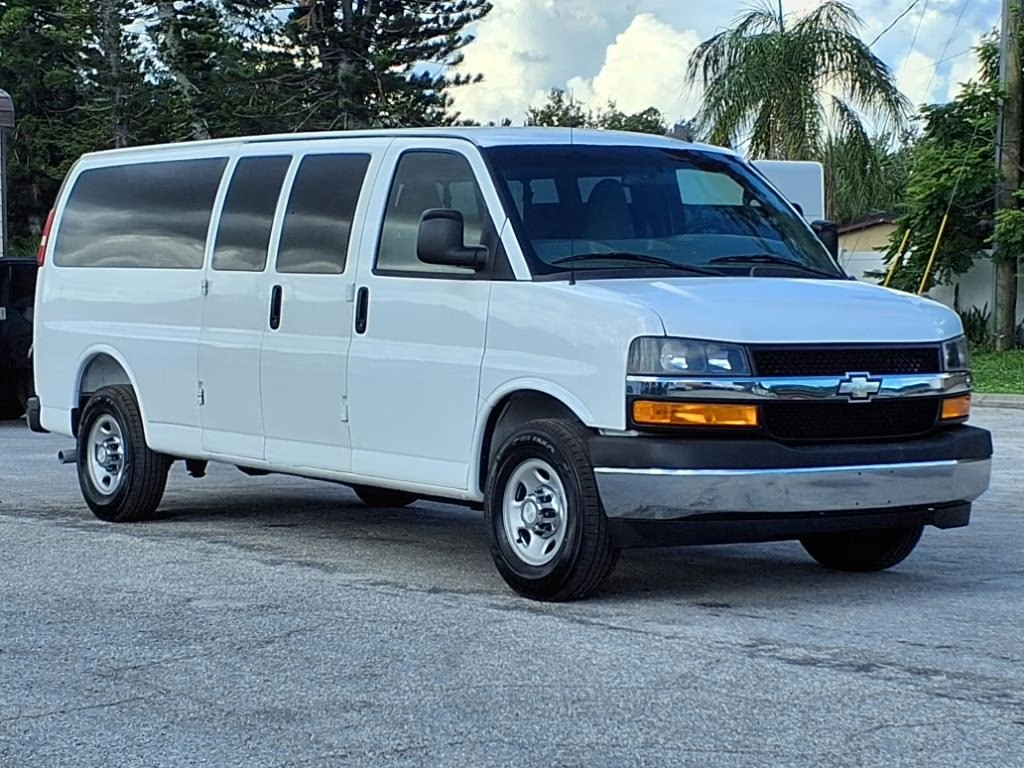
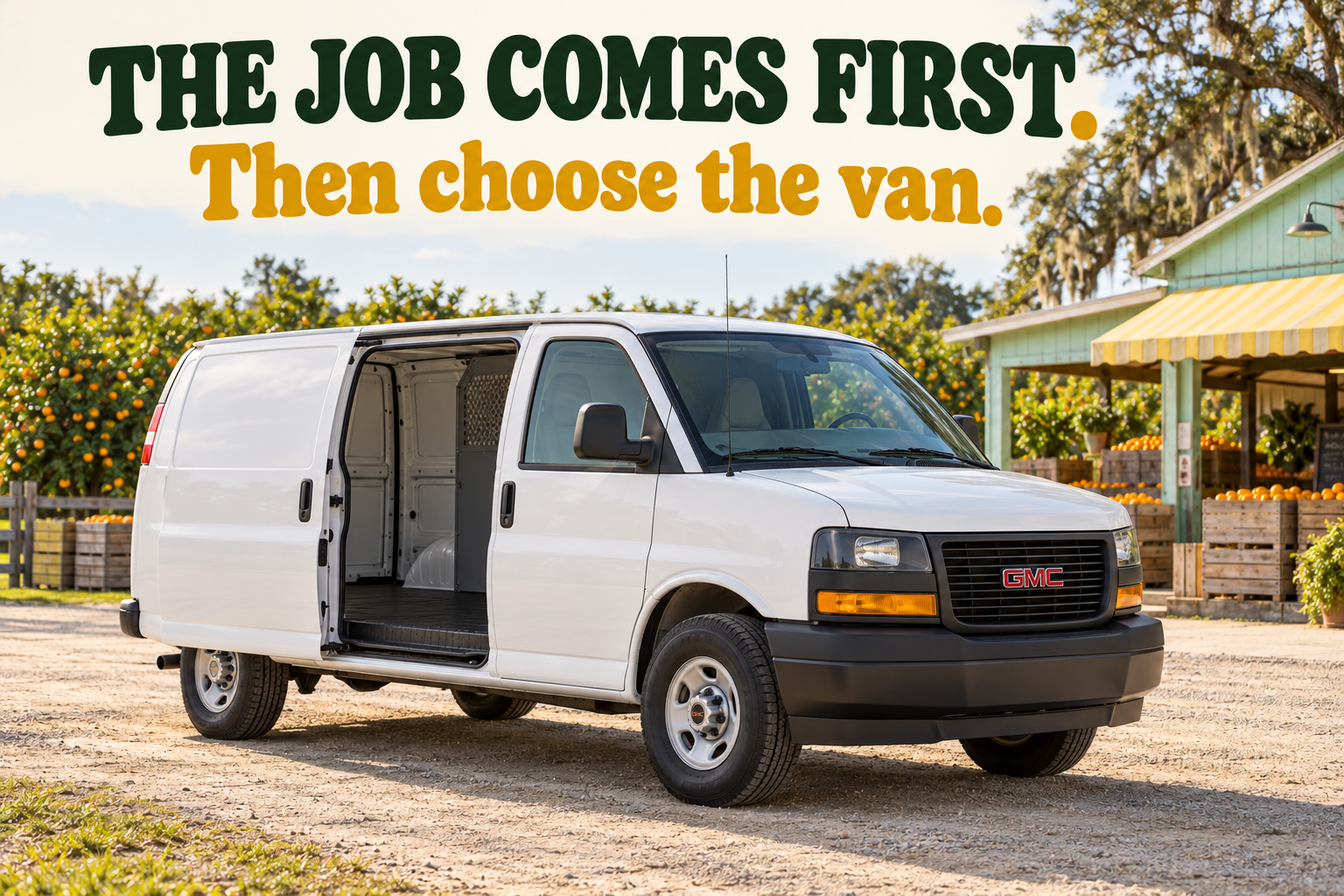
The Chevrolet Express and GMC Savana use a more traditional commercial-van design.
They do not offer the same high-roof cargo environment as a high-roof Transit or ProMaster, but not every business needs stand-up interior height.
For businesses that primarily need secure transportation for tools, equipment and materials, the traditional full-size van layout can still be highly practical.
Express and Savana vans are also familiar platforms for commercial shelving, ladder racks and other trade equipment.
Who Should Consider an Express or Savana?
These vans can make sense for contractors and service companies whose employees primarily access tools and supplies from outside the vehicle rather than using the cargo area as a standing workspace.
They can also appeal to businesses that prefer the driving characteristics and layout of a traditional rear-wheel-drive commercial van.
High Roof vs. Standard Roof: Does Your Business Need the Extra Height?
A high roof can be a major productivity advantage when technicians frequently work inside the van.
Being able to move more comfortably through the cargo area can make shelving, inventory and tool organization easier to use throughout the workday.
But high roof does not automatically mean better.
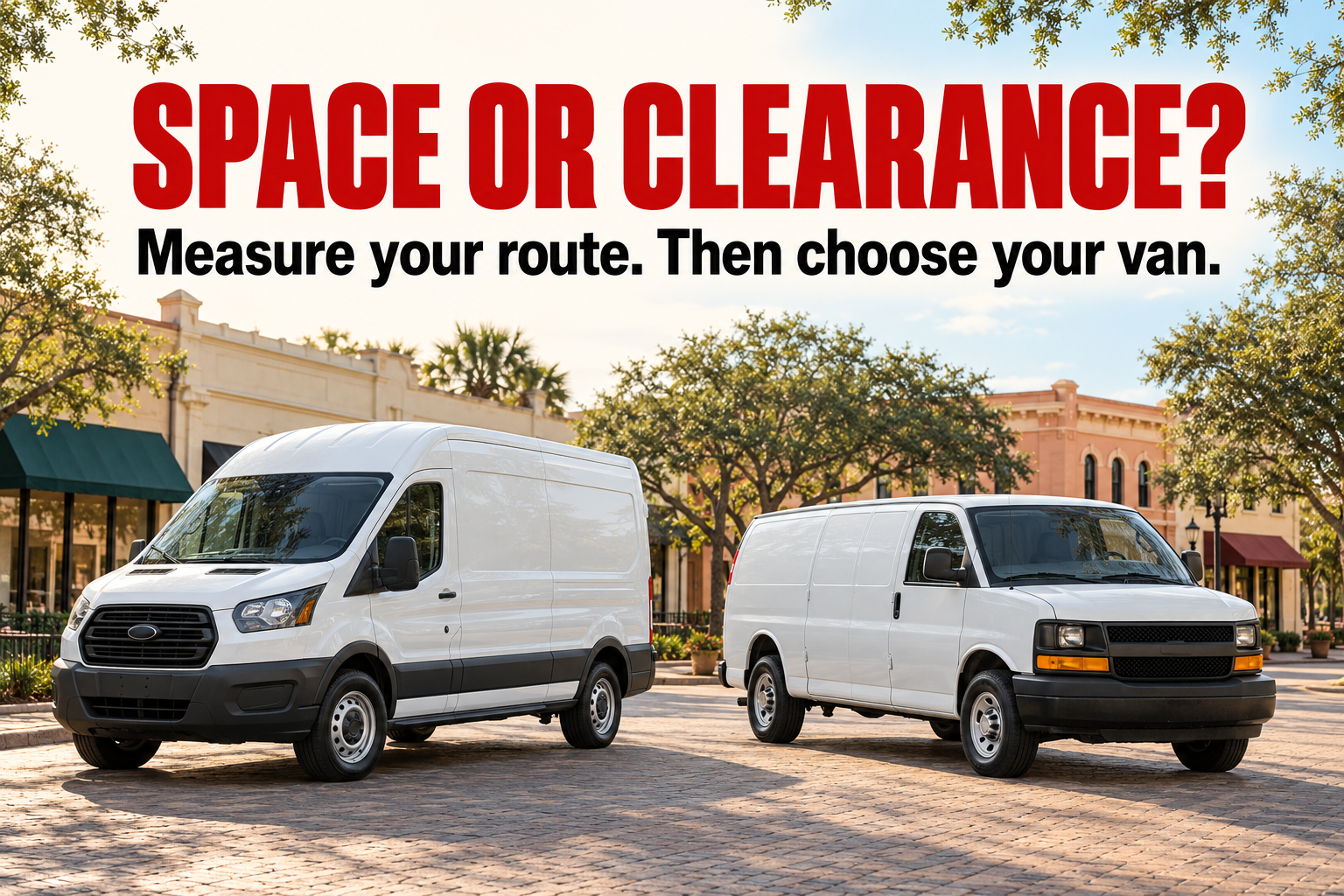
A standard-roof van may be easier to park, may fit locations with lower clearance and can be completely adequate when employees primarily load and unload from the doors.
Do not pay for cargo height your business does not use.
Transit vs. ProMaster: High-Roof Work Van Comparison
Both the Transit and ProMaster can provide high-roof configurations suitable for mobile-service businesses.
The choice often comes down to the individual van's cargo dimensions, drivetrain, wheelbase, installed equipment, condition and how the technicians prefer to work.
A business shopping used should compare actual vehicles rather than assuming every high-roof Transit or ProMaster has the same cargo capacity or payload.
Front-Wheel Drive vs. Rear-Wheel Drive
The ProMaster uses front-wheel drive, while many Transit configurations use rear-wheel drive. Express and Savana vans use a traditional rear-wheel-drive layout.
There is no drivetrain that is automatically best for every commercial operation.
Consider cargo-floor height, expected load, route, driving conditions, maintenance requirements and the configuration of the individual vehicle.
How Much Cargo Space Does a Work Van Need?
More cargo volume can be useful, but unused cargo volume does not generate revenue.
Think about what the van carries on its busiest realistic workday.
Consider shelving depth, long materials, parts inventory, equipment, ladders and whether technicians need clear floor space to move through the cargo area.
The goal is to provide enough space without making the vehicle unnecessarily large for the routes and parking environments where it operates.
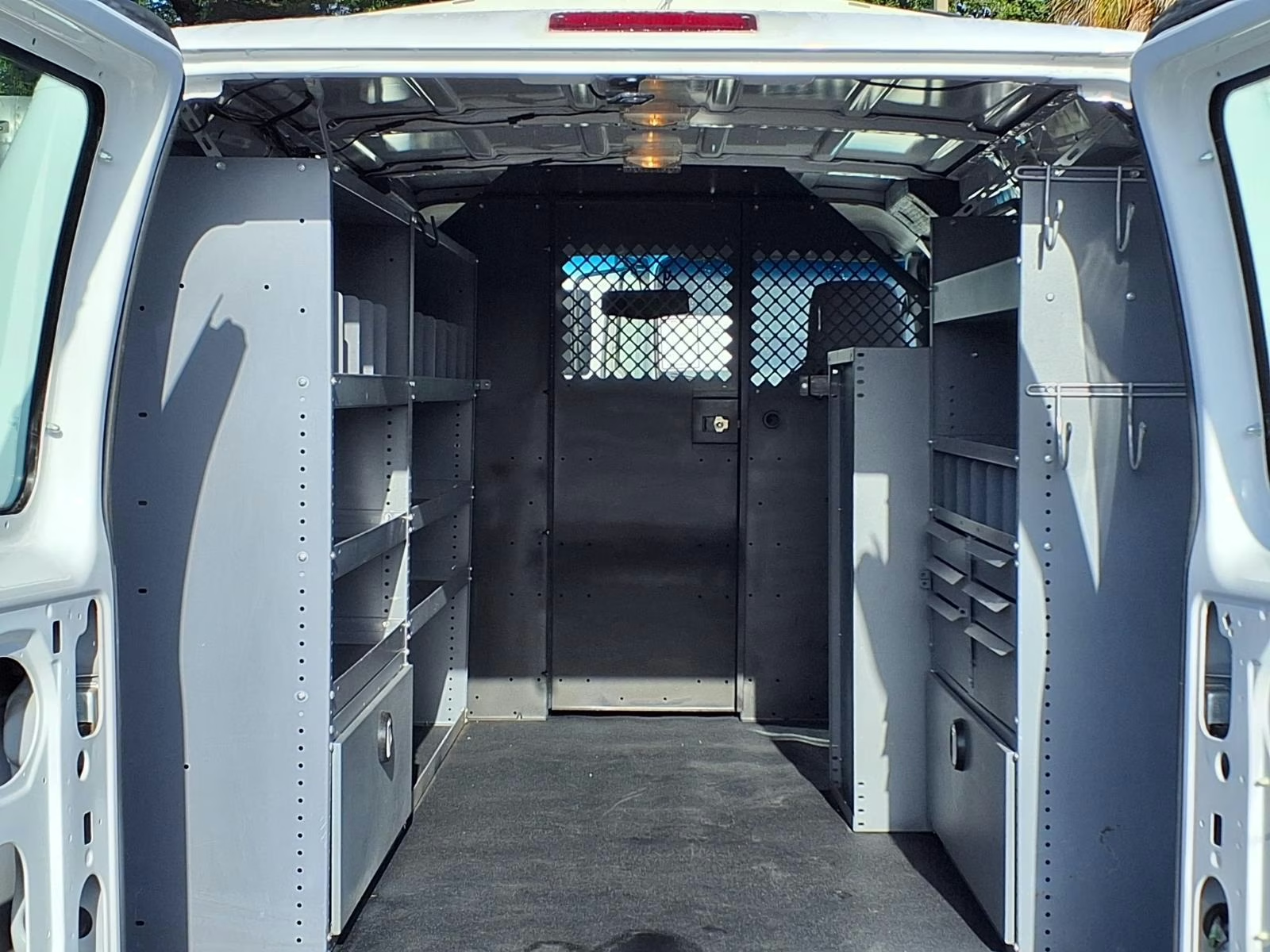
Why Shelving Can Matter More Than Van Size
A large empty cargo van can be less productive than a smaller van with a well-designed shelving system.
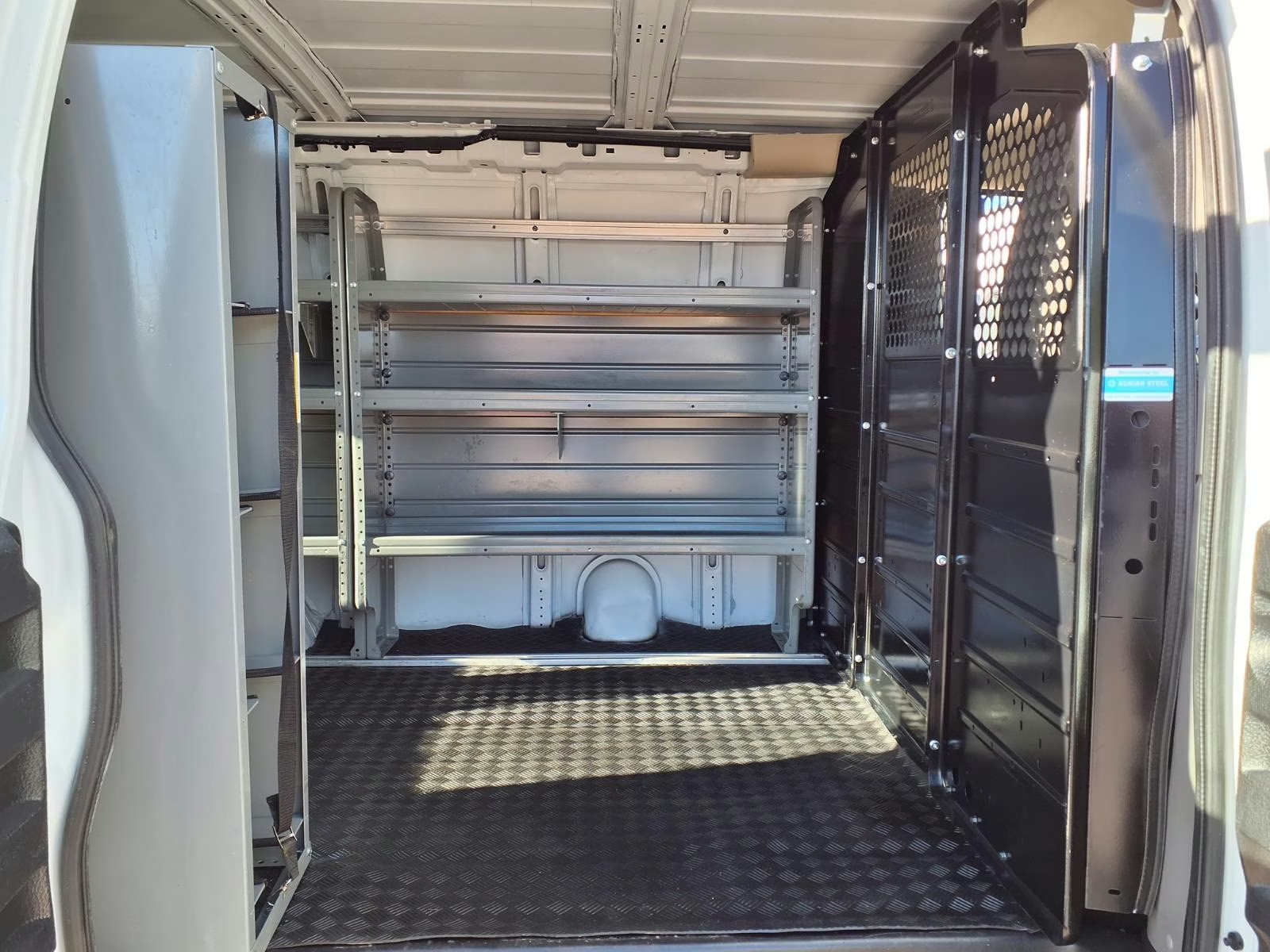
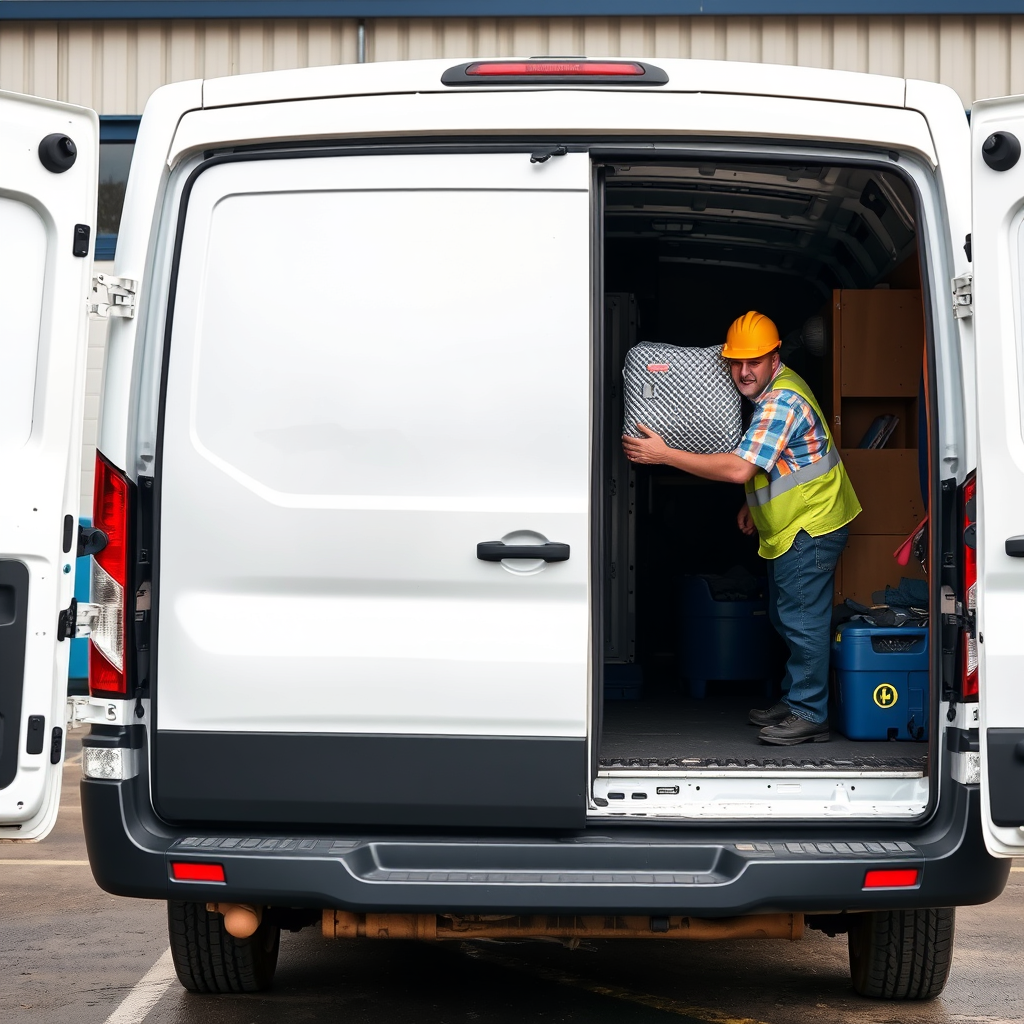
Commercial shelving can organize tools, parts and inventory so technicians can find what they need without unloading half the van.
When shopping used, an already-upfitted cargo van can eliminate some of the time and expense involved in starting with an empty cargo area.
Evaluate shelving condition, mounting, layout and whether the existing configuration actually fits your trade.
Why a Partition Matters in a Work Van
A partition separates the passenger compartment from the cargo area.
Depending on its design, it can help separate cargo from occupants and reduce some cargo-area noise reaching the cab.
For many commercial buyers, an installed partition is a valuable part of an upfitted work van.
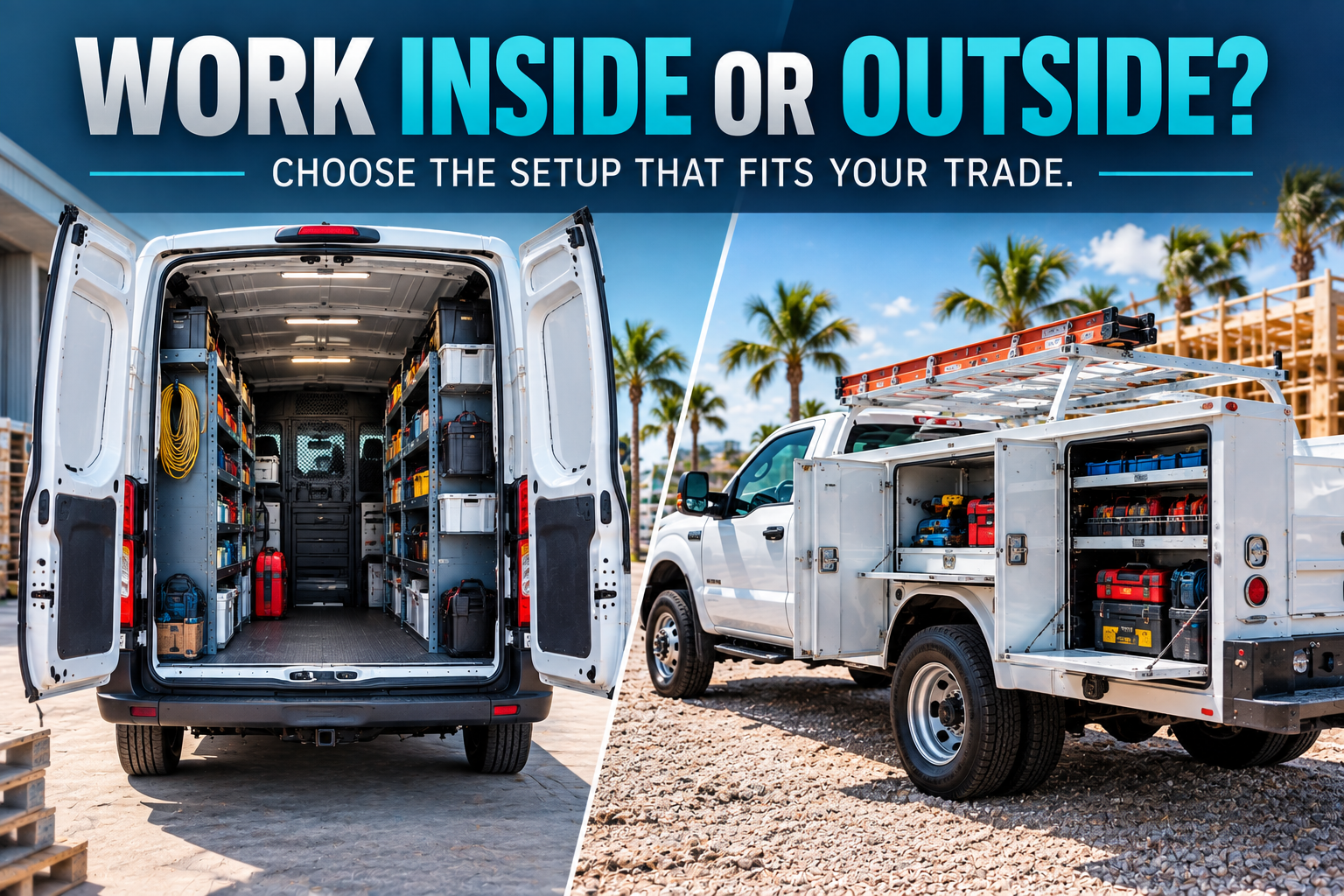
What Is a KUV or Enclosed Service Van?
Some businesses need more specialized organization than a conventional cargo van provides.
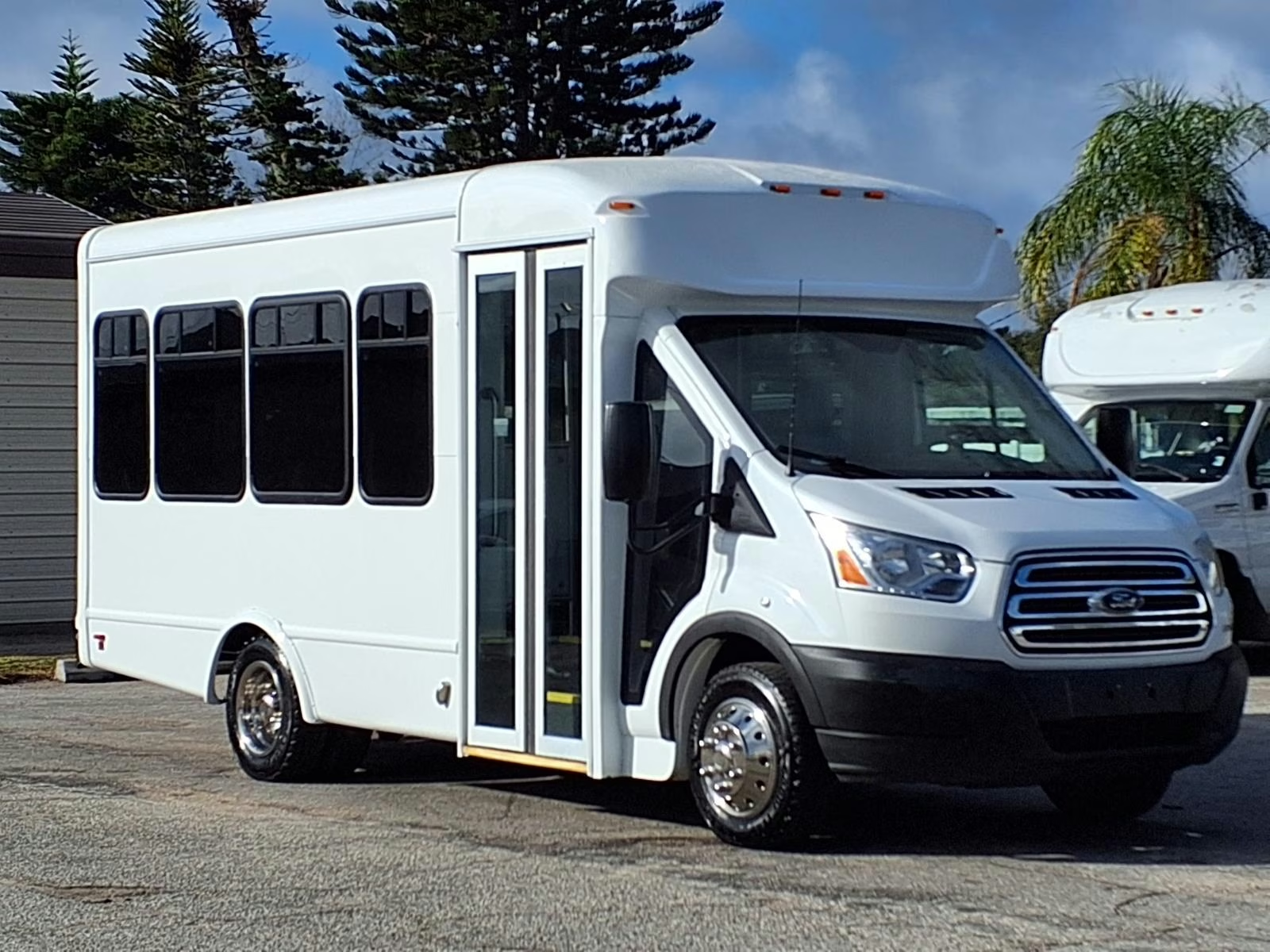
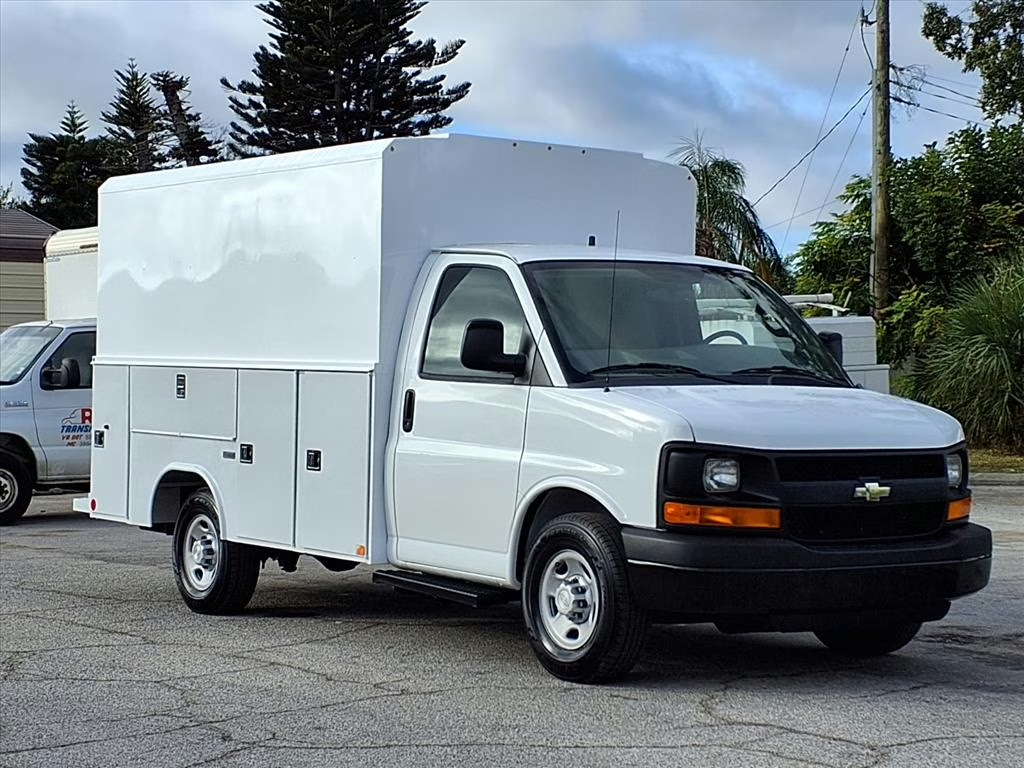
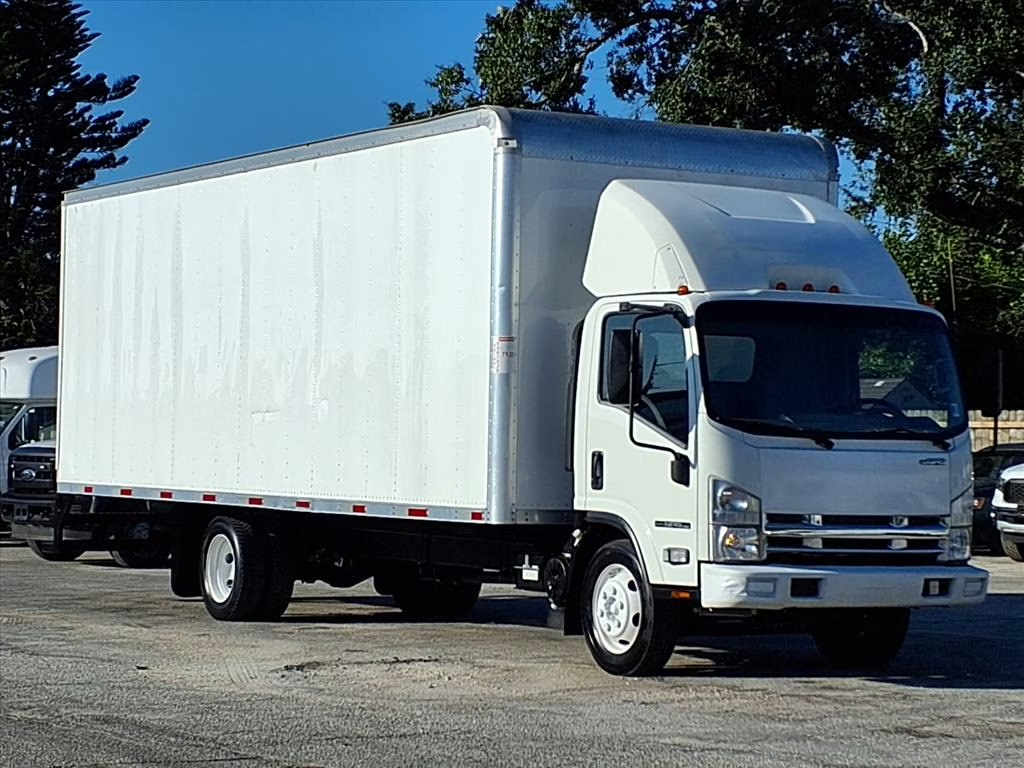
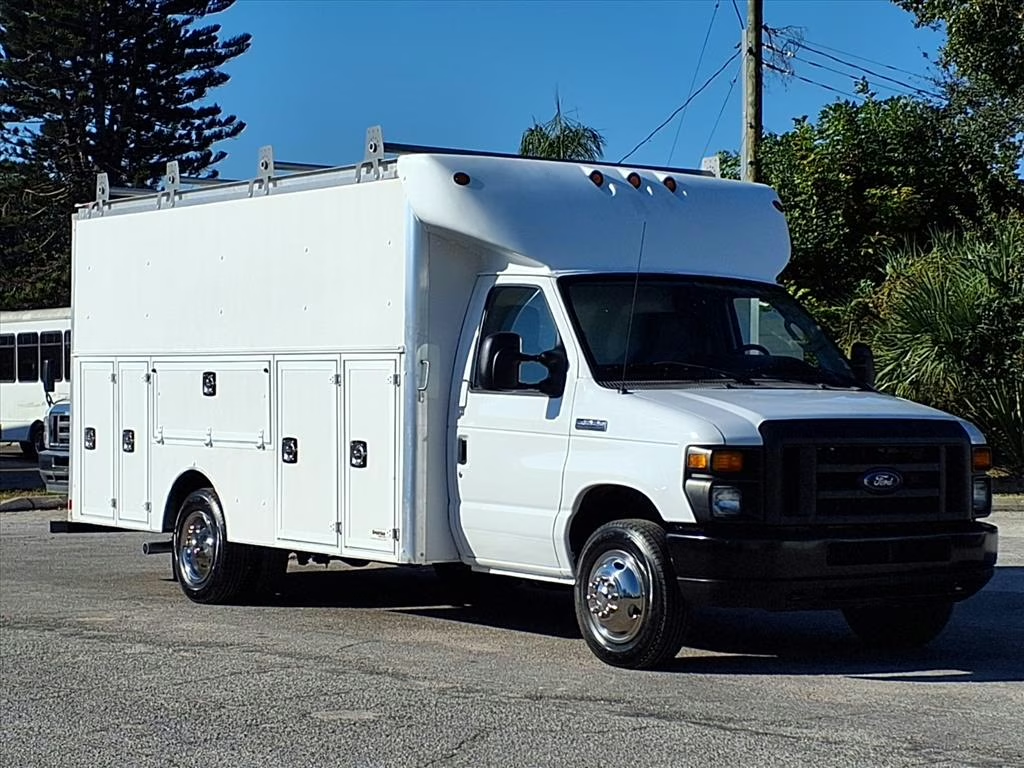
KUV-style and enclosed service-body configurations combine a van or cutaway chassis with exterior-access compartments and enclosed interior storage.
These can be particularly useful for technicians who want service-body organization with weather-protected interior cargo space.
SRQ Auto regularly handles specialized commercial vans and service configurations when available.
Which Van Is Best for HVAC Contractors?
HVAC businesses often carry tools, fittings, replacement parts, refrigerant-related equipment and longer materials.
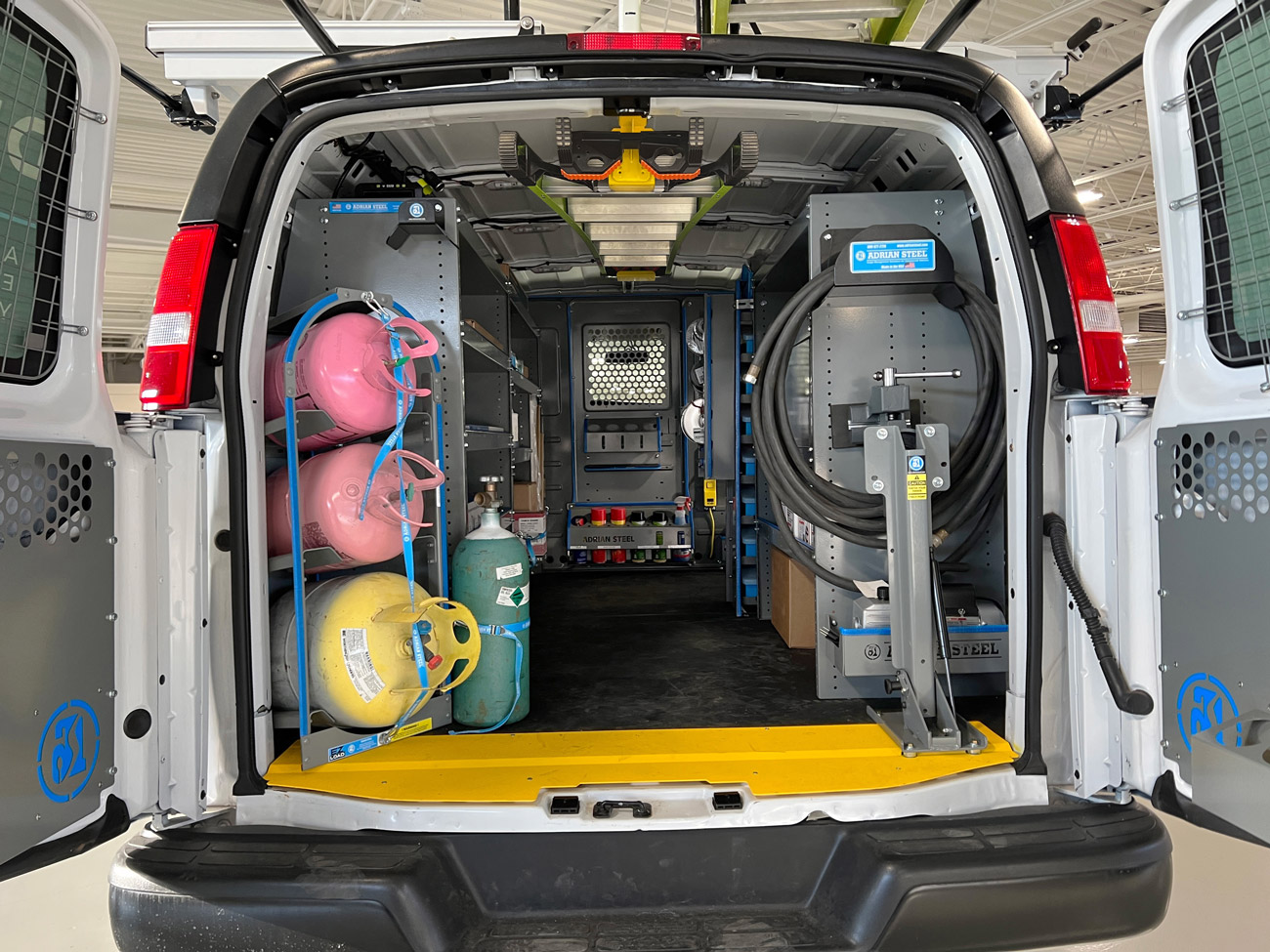
A high-roof Transit or ProMaster can provide substantial organized interior workspace, while an Express or Savana may be completely appropriate for operations that use exterior ladder racks and a more traditional shelving layout.
The best choice depends on how much inventory the technician carries and whether interior standing height improves the workflow.
Which Van Is Best for Electricians?
Electricians often benefit from extensive shelving, small-parts organization and storage for conduit, ladders and tools.
Interior organization may matter more than maximum cargo volume.
When evaluating a used electrician van, look closely at shelving, partition condition, previous mounting points and any electrical modifications left by the previous owner.
Which Van Is Best for Plumbers?
Plumbers may carry a mixture of hand tools, machines, fittings, pipe and replacement components.
High-roof vans can make interior organization and access easier, while traditional vans can work well when the shelving and exterior racks are configured around the operation.
Payload should also be considered because plumbing equipment and materials can become heavy quickly.
Which Van Is Best for Delivery Businesses?
Delivery operations may prioritize cargo volume, door access, route maneuverability and loading height differently from trade contractors.
A high-roof van can provide substantial cubic cargo space, while a smaller configuration may be more efficient on dense routes with frequent stops.
Evaluate what is being delivered—not simply how many packages might fit inside an empty van.
Payload Matters More Than Cargo Volume
A van can run out of payload capacity before it runs out of physical space.
Shelving, partitions, occupants, tools and installed equipment all contribute to the loaded vehicle weight.
GVWR and payload should therefore be evaluated alongside cargo dimensions.
A bigger cargo area does not automatically mean the van can carry more weight.
Does Mileage Matter on a Used Work Van?
Yes, but mileage should not be evaluated alone.
A higher-mile commercial van with good maintenance history and favorable condition can potentially be a stronger purchase than a lower-mile van that has been neglected.
Commercial duty cycle also matters. Highway operation, stop-and-go delivery use and long periods of idling can affect vehicles differently.
Look at mileage together with maintenance, previous use and current condition.
What Should You Inspect Before Buying a Used Cargo Van?
- Mechanical condition: Engine, transmission, cooling system, brakes, steering and suspension.
- Tires: Check condition, age, specifications and wear patterns.
- Cargo floor: Look for excessive damage, poor repairs or evidence of heavy previous use.
- Doors: Operate rear and side doors and inspect hinges, rollers and latches.
- Roof: Check for damage or evidence of water intrusion.
- Shelving: Inspect mounting points, condition and usefulness.
- Partition: Confirm it is secure and appropriate for the application.
- Electrical modifications: Look for abandoned wiring or poorly executed previous installations.
- Cab: Inspect seats, controls, warning indicators and general condition.
What SRQ Auto Looks for When Buying Used Work Vans
We evaluate more than year and mileage.
SRQ Auto considers the mechanical condition, cargo area, doors, roof, tires, interior, previous use, existing commercial equipment and the reconditioning required before retail.
We also look at whether the configuration makes sense for the next business owner.
An already-upfitted van with useful shelving and a partition can be more valuable to a contractor than an empty van with slightly lower mileage.
Why Reconditioning Matters on a Used Cargo Van
A work van is a business asset. Tires, mechanical repairs, glass, upholstery and cargo-area problems that appear immediately after purchase can create downtime before the van begins earning money.
SRQ Auto's Job Ready process addresses identified mechanical, functional and presentation needs on qualifying used commercial vehicles before they are offered to the next business.
Learn more about SRQ Auto's Job Ready reconditioning process.
So Which Work Van Should You Buy?
Choose the van that best matches how your business actually works.
Consider a Ford Transit when multiple roof heights, body configurations and a modern commercial-van platform fit your operation.
Consider a Ram ProMaster when high-roof availability, front-wheel drive and a relatively low cargo floor fit your workflow.
Consider a Chevrolet Express or GMC Savana when a traditional full-size commercial van layout provides the space and organization your business needs without requiring high-roof interior height.
Then evaluate the individual used van's condition, history, mileage and existing upfit.
Frequently Asked Questions About Work Vans
What is the best work van for business?
There is no single best van for every business. The right choice depends on cargo, roof height, payload, route, upfit requirements, maintenance history and the condition of the individual vehicle.
What is the most reliable cargo van?
Reliability varies by model year, powertrain, maintenance, previous use and condition. Rather than relying only on a brand reputation, evaluate the history and current condition of the individual used van.
Is a Ford Transit better than a Ram ProMaster?
Neither is universally better. Transit and ProMaster vans use different drivetrain and packaging approaches. Compare roof height, cargo dimensions, payload, installed equipment, condition and how each configuration fits the business.
Is a Chevy Express still a good work van?
For businesses that do not require high-roof cargo space, the traditional Express platform can still provide practical enclosed transportation and support commercial shelving and other trade equipment.
Should I buy a high-roof work van?
A high roof can be valuable when technicians frequently enter and work inside the cargo area. Businesses that primarily access tools from the doors may not need the additional height.