Best Work Vans for Contractors: Which One Should You Actually Buy?

There is no single “best work van” for every contractor. The right van depends on what you carry, how your crew uses the cargo area, how much payload remains after the upfit, whether you tow, where you park and how many times a day you're climbing in and out of the vehicle.
An HVAC technician working from organized shelving inside a high-roof van has very different needs from a general contractor towing equipment or a delivery company making dozens of stops every day.
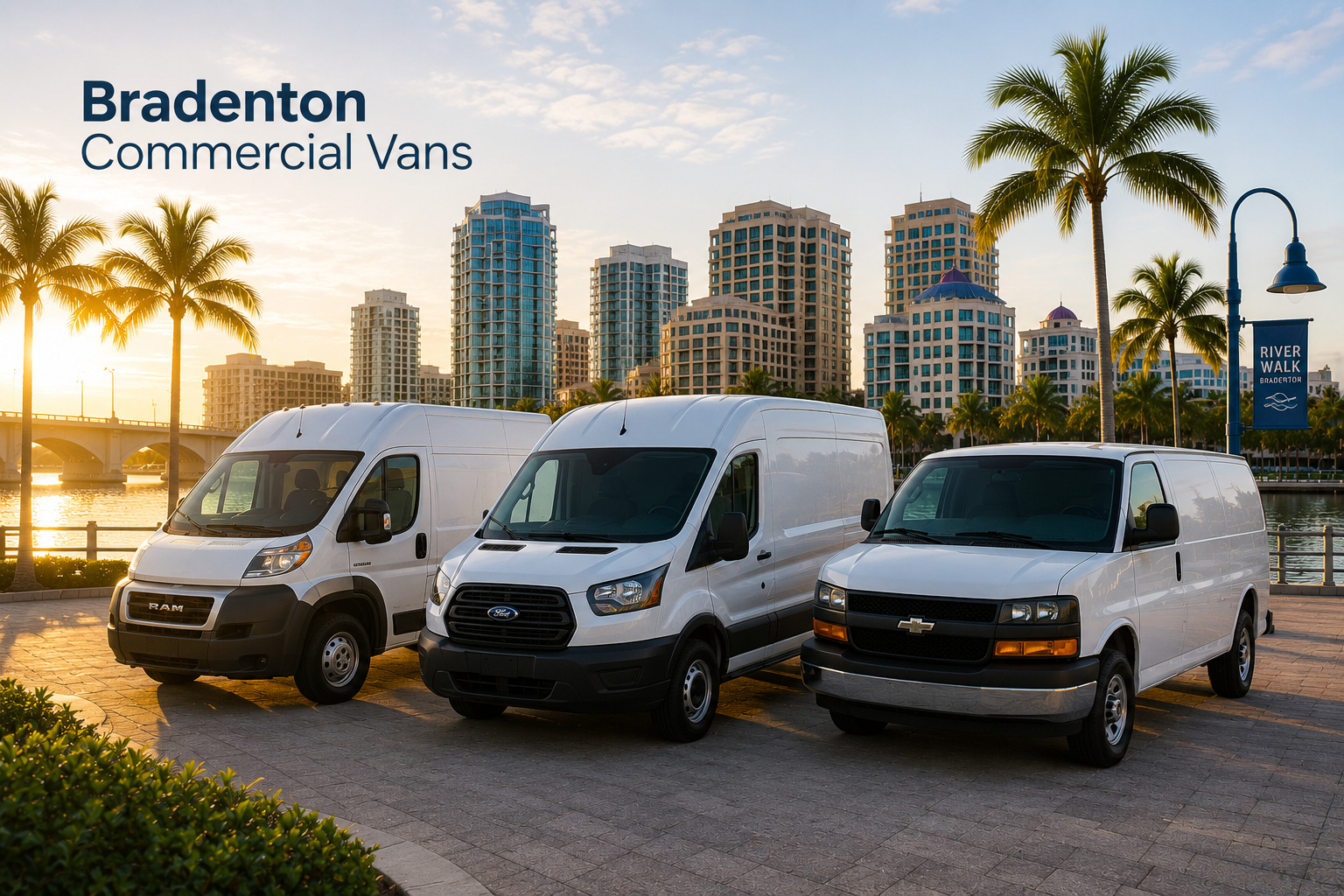
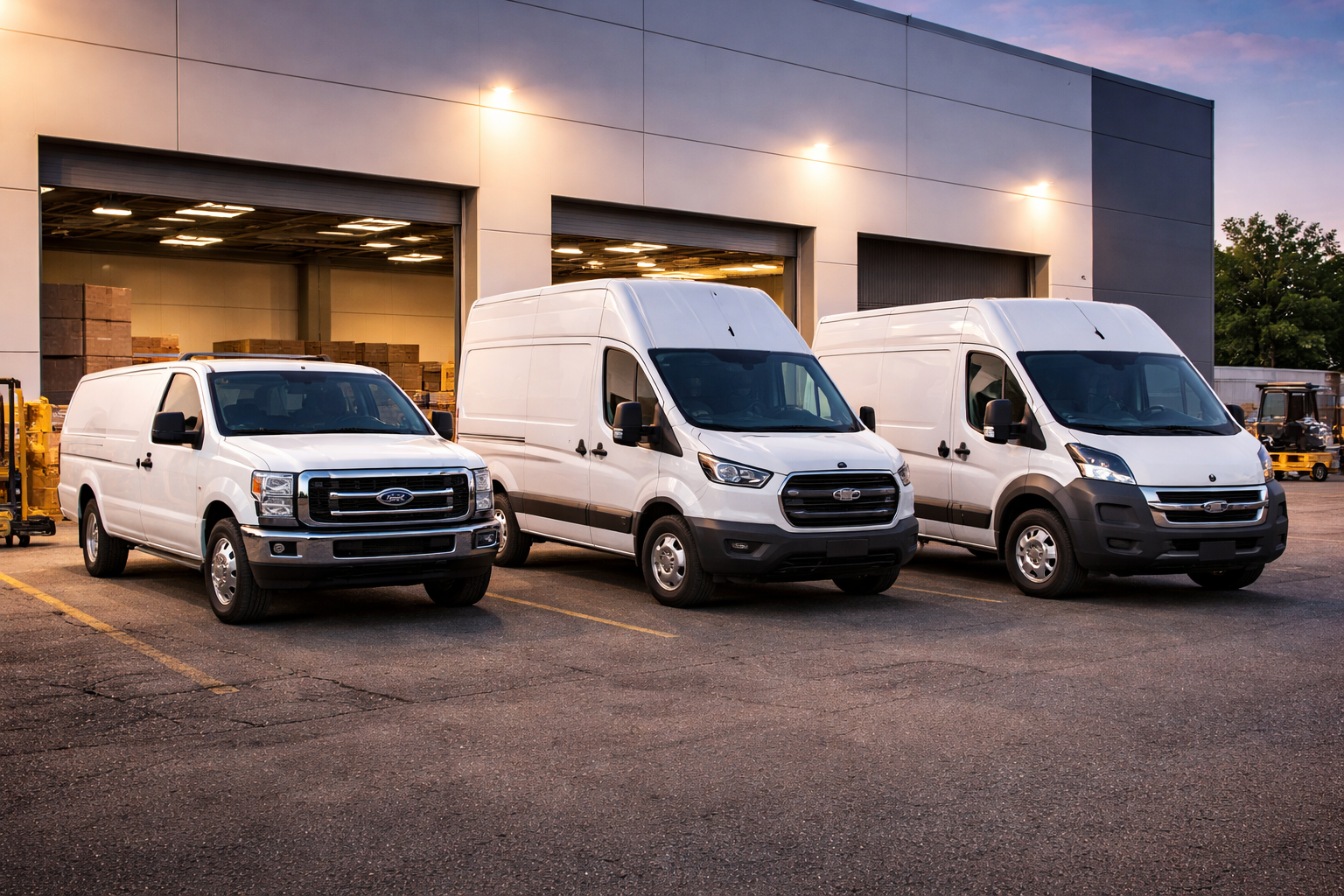
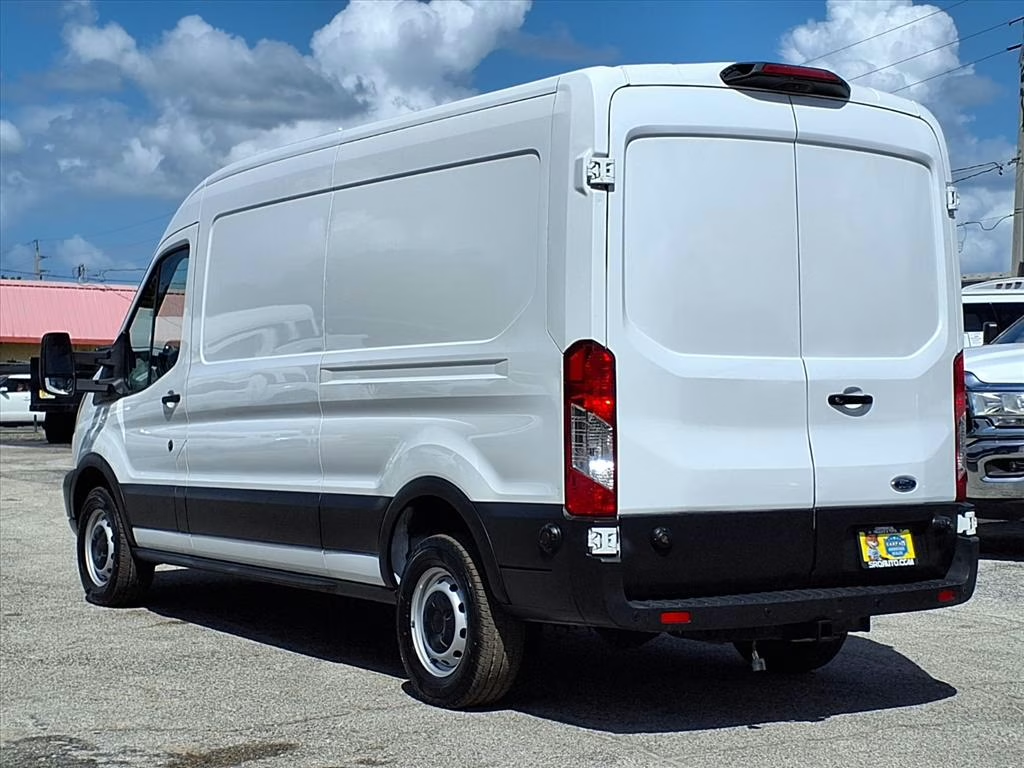
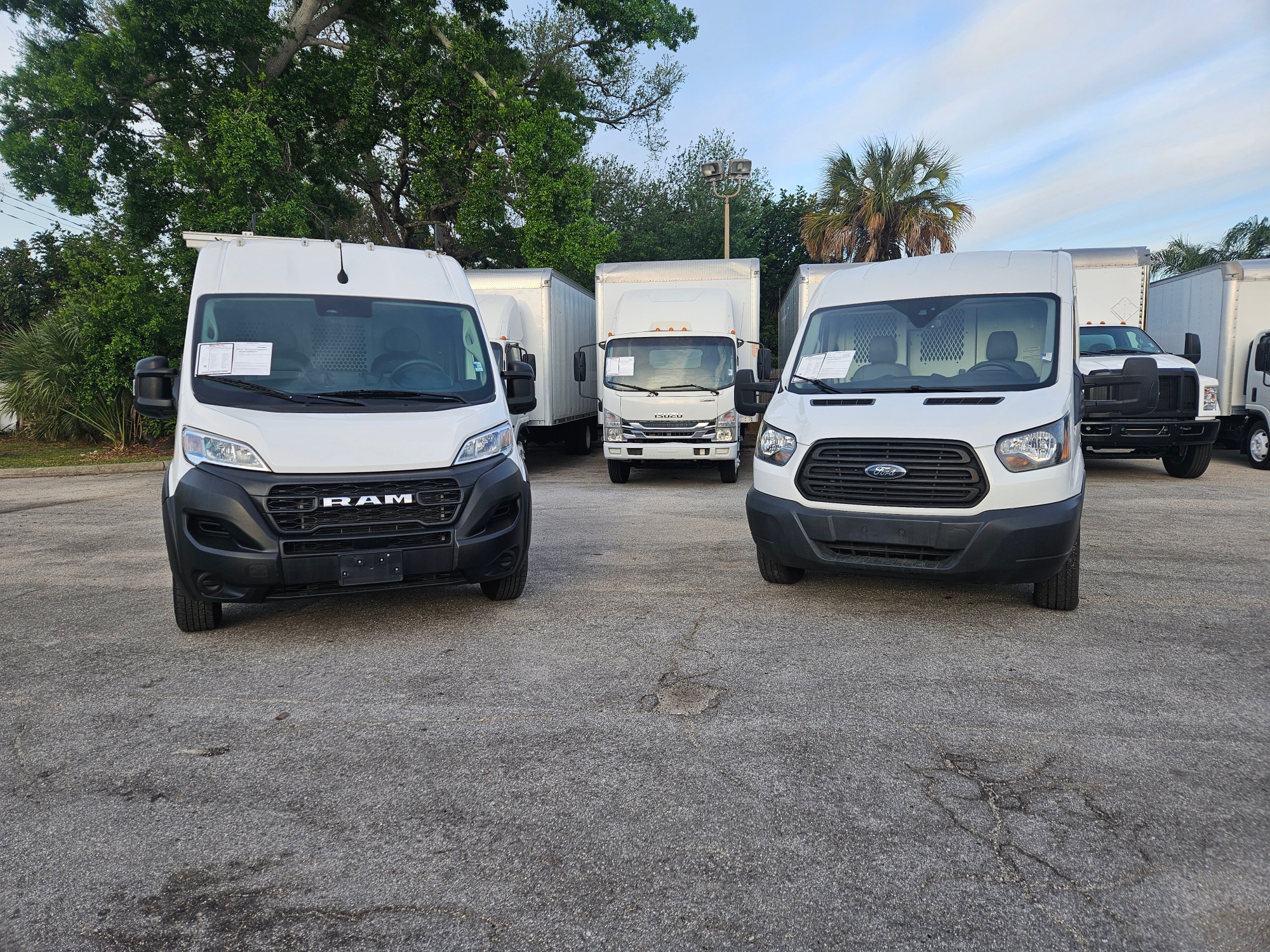
For most businesses shopping the used full-size van market, three platforms deserve serious consideration: the Ford Transit, Ram ProMaster and Chevrolet Express/GMC Savana. Each approaches commercial work differently, and each can be the right answer for a particular business.
Before choosing a model, start with the job. You can also browse SRQ Auto's current cargo van inventory to compare available configurations.
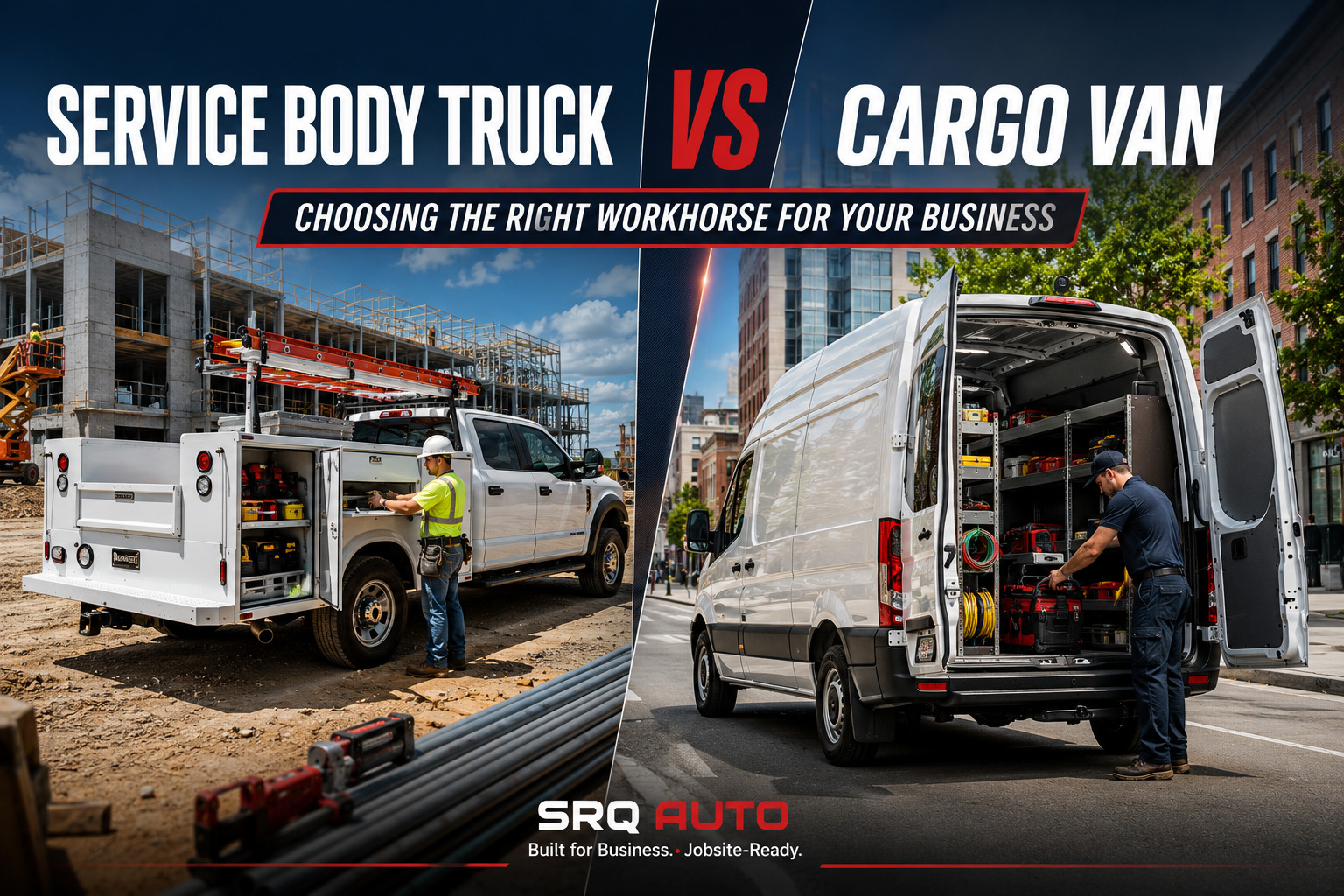
Ford Transit vs. Ram ProMaster vs. Chevy Express: The Quick Answer
| If Your Priority Is... | Start By Considering... | Why |
|---|---|---|
| High-roof mobile workspace | Transit / ProMaster | Tall cargo configurations and strong upfit potential |
| Low cargo floor | ProMaster | Front-wheel-drive architecture helps create a lower load floor |
| Variety of roof/length configurations | Transit | Broad range of commercial configurations |
| Traditional truck-like drivetrain/layout | Express / Savana | Long-running body-on-frame commercial platform |
| Shelving and organized interior workspace | Transit / ProMaster | Well suited to enclosed mobile-workshop layouts |
| Towing combined with cargo-van utility | Configuration-specific | Engine, GVWR, payload, hitch and exact configuration matter |
| Lowest purchase price | Don't choose by model alone | Age, mileage, condition and existing upfit can matter more in the used market |
The last row is important. A five-year-old ProMaster with useful shelving, good maintenance history and 45,000 miles could represent a better business purchase than a newer empty van that still needs thousands of dollars of equipment before it can go to work.
Used commercial vans should be evaluated individually—not just by the badge on the grille.
What's the Best Work Van for an HVAC Business?
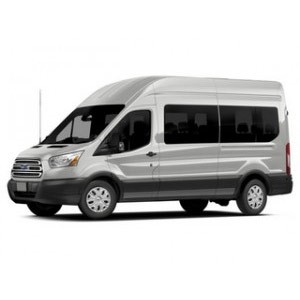
For many HVAC companies, a Ford Transit High Roof or Ram ProMaster High Roof is an excellent place to start.
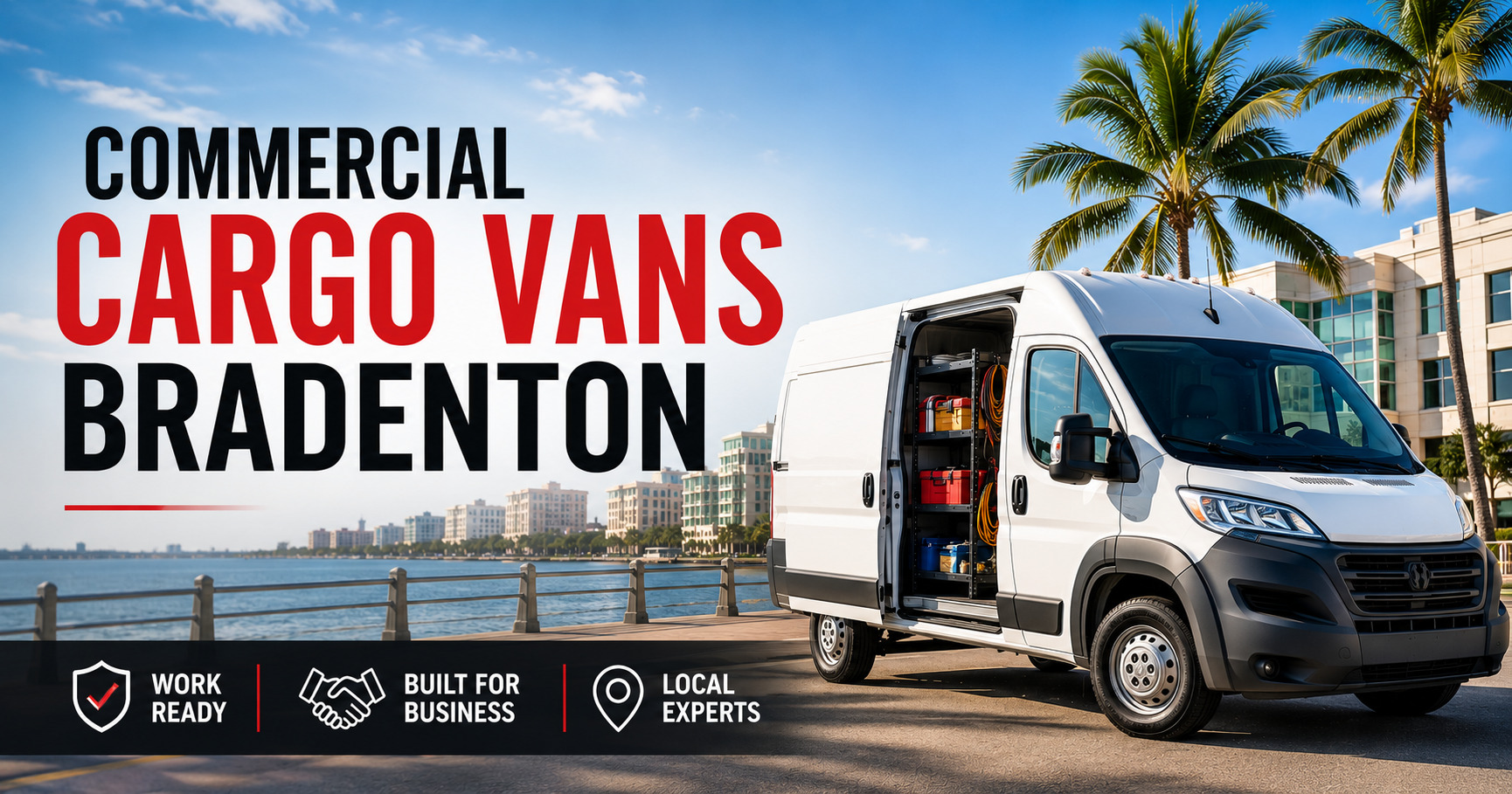
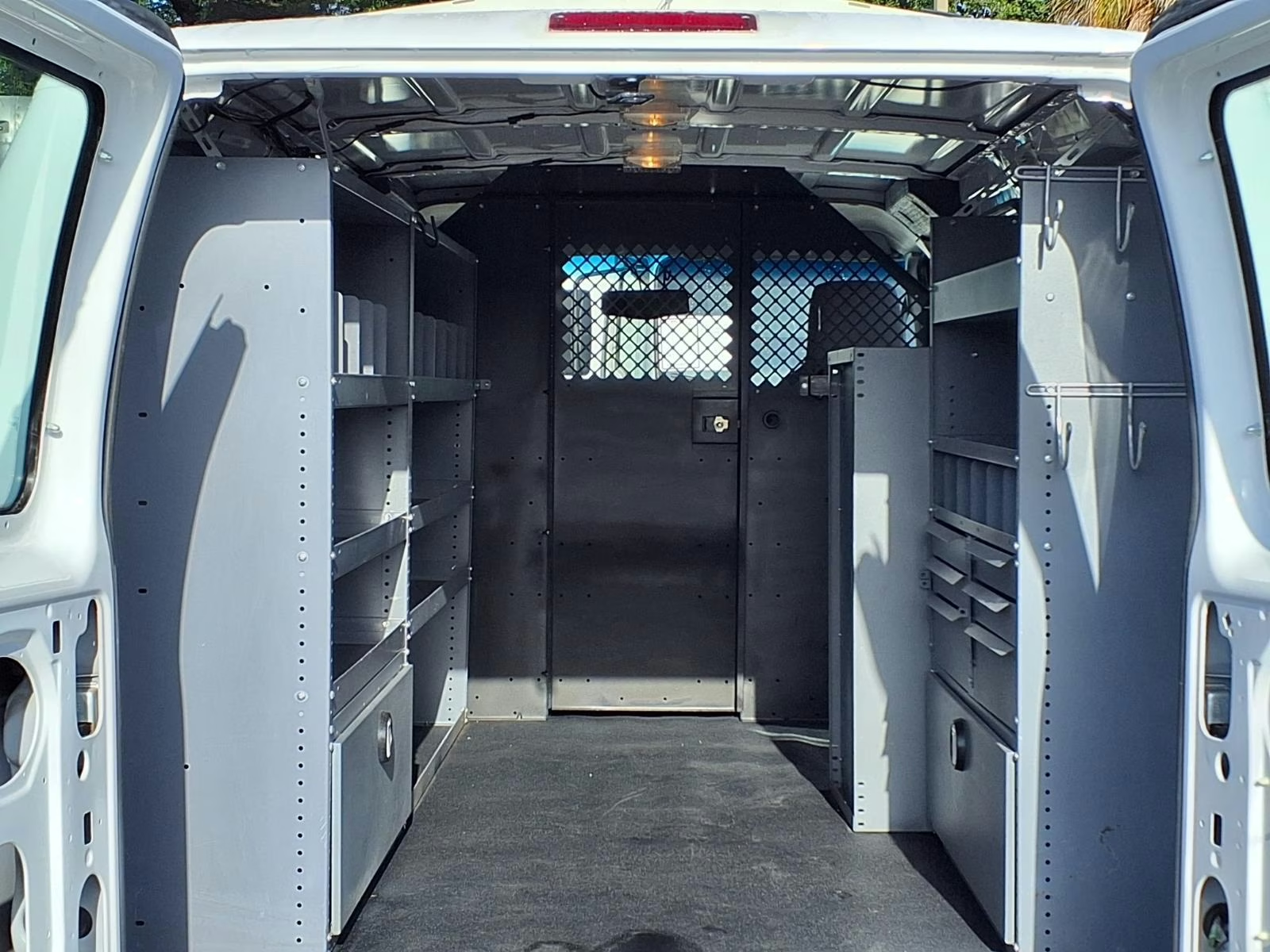
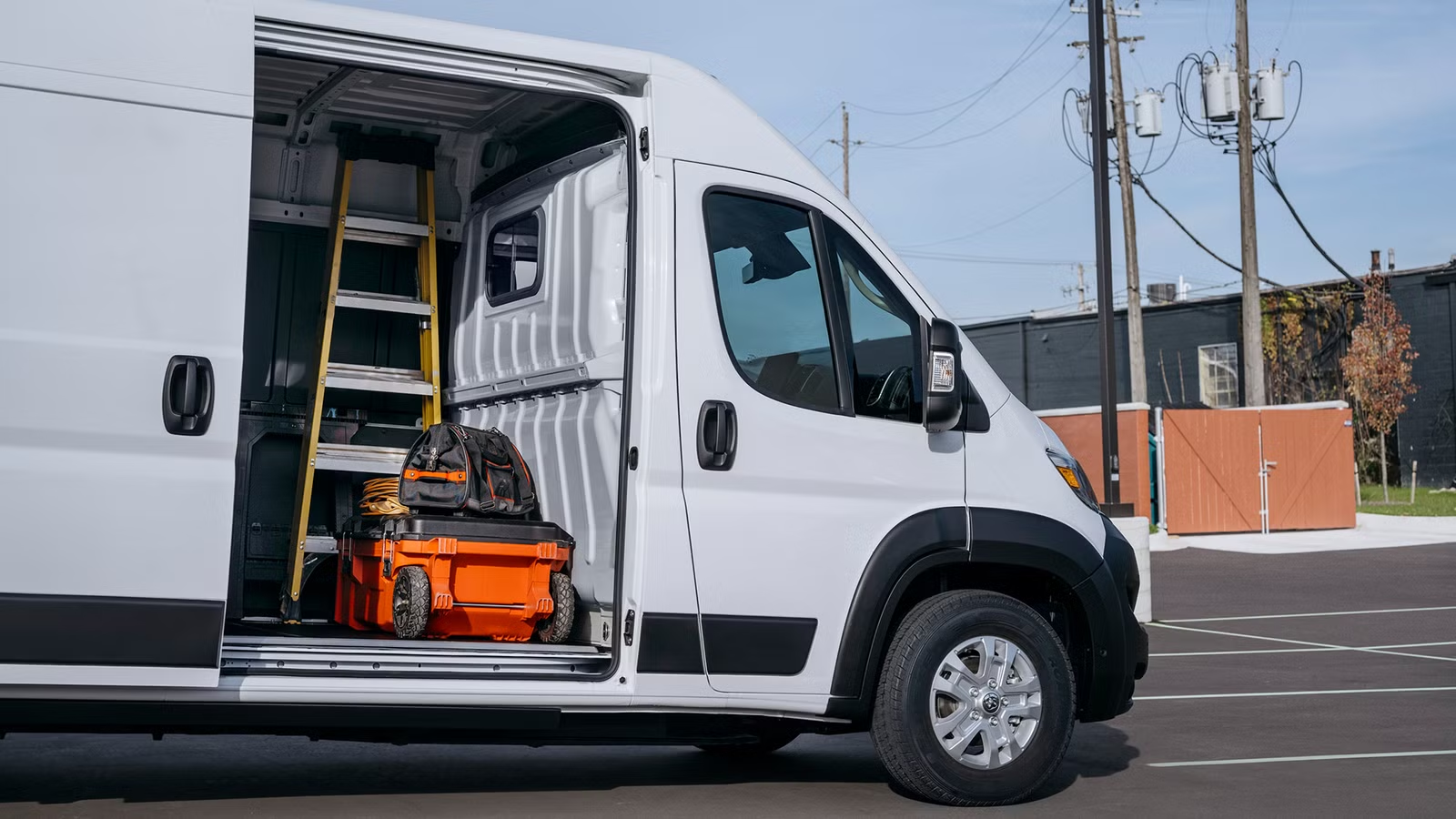
Standing room can turn the cargo area into an actual mobile workspace rather than simply a place to throw equipment. Tall shelving can keep fittings, electrical components, refrigerant tools, diagnostic equipment and replacement parts organized and accessible.
The ProMaster's front-wheel-drive layout also creates a relatively low cargo floor, which can be valuable for technicians entering and exiting the van repeatedly throughout the day.
A Transit provides its own advantages, including numerous roof, wheelbase and cargo configurations across different model years. Buyers can compare current cargo van inventory to see which Transit, ProMaster, Express and Savana configurations are available now.
But don't choose an HVAC van based solely on cubic feet. A substantial shelving package, partition, ladder rack, tools, equipment and replacement inventory all add weight. Available payload after the van is upfitted matters more than the empty cargo area's theoretical capacity.
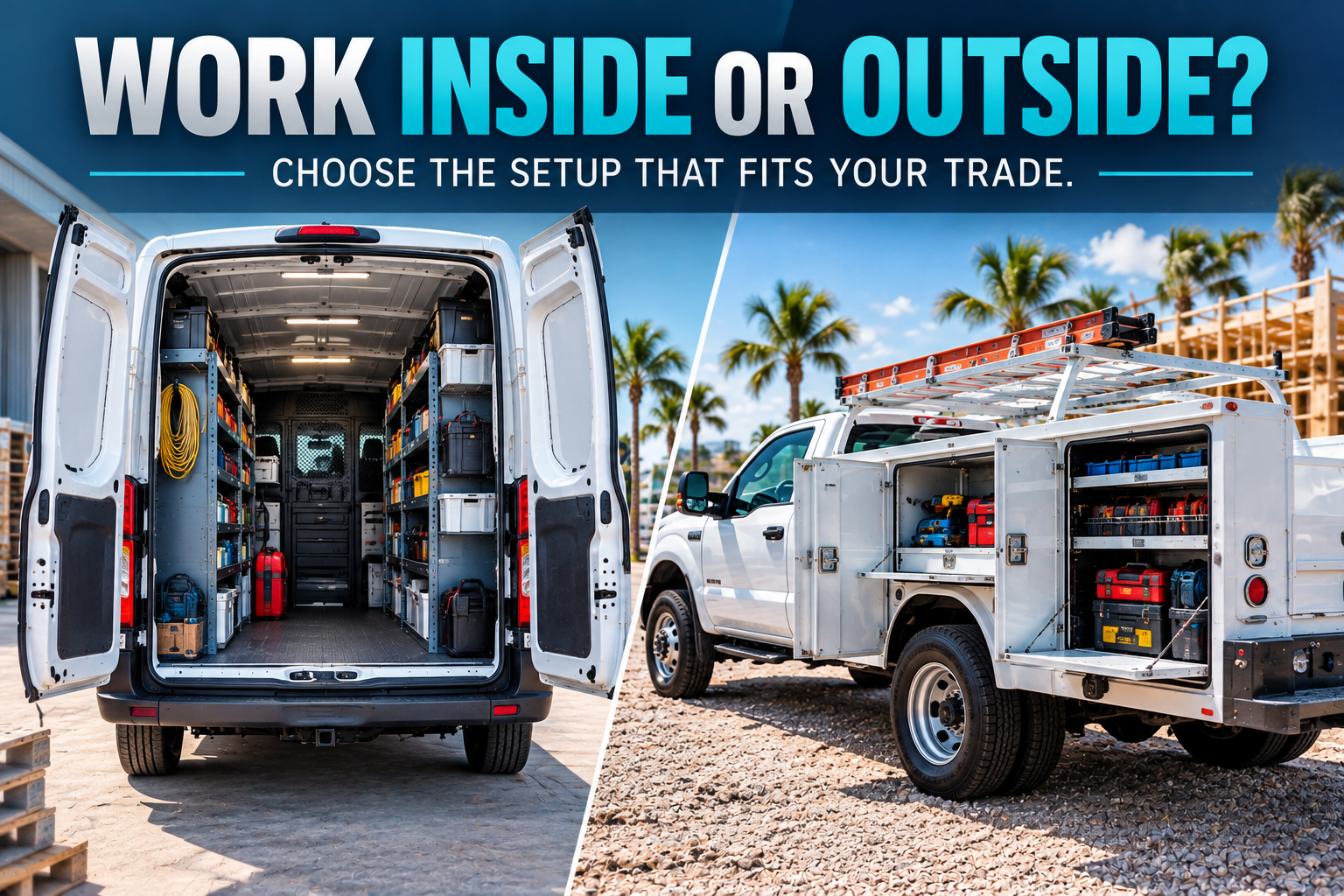
For an HVAC company that carries heavier equipment or needs exterior compartment access, an enclosed utility-body configuration such as a KUV may also deserve consideration instead of a conventional cargo van.
What's the Best Work Van for an Electrician?
Electricians often benefit from a van that prioritizes organization and accessibility over maximum towing capability.
A high-roof Transit or ProMaster can accommodate tall shelving, drawers, bins and long-material storage while leaving a usable center aisle. For technicians who spend part of their workday inside the vehicle selecting components or preparing equipment, that layout can materially improve efficiency.
A standard-roof van can still be an excellent choice when parking garages, residential garages or lower-clearance areas are part of the daily route.
That's why I wouldn't automatically tell an electrician to buy the largest High Roof available. Consider whether technicians actually need to stand inside, how much shelving will be installed, where ladders and conduit will go, how much inventory stays aboard every day and whether the van regularly enters height-restricted areas.
The best work van is the one that makes the technician's workday easier without adding size and capacity the business never uses.
What's the Best Work Van for a Plumber?
Plumbing can change the equation because the cargo can become dense and heavy very quickly.
Pipe, fittings, drain-cleaning equipment, water heaters, pumps, tools and replacement components can consume payload much faster than boxes of lightweight service parts.
That's where buying purely on interior volume becomes a mistake.
A ProMaster 2500 High Roof may be ideal for one plumbing operation, while another carrying heavier equipment may benefit from a 3500 configuration. The same principle applies to different Transit configurations.
The number on the side of the van doesn't tell you how much usable capacity remains after the van has been converted into a mobile plumbing shop. Check the specific vehicle's ratings and account for the completed upfit.
What's the Best Van for General Contractors?
General contractors have some of the most varied requirements.
One contractor may need a secure enclosed van for expensive tools. Another regularly tows a trailer. Another carries long building materials. Another needs to move between downtown jobsites where maneuverability matters more than maximum cargo capacity.
That's why both modern high-roof vans and traditional Express/Savana configurations remain relevant.
A Transit or ProMaster can be extremely attractive when enclosed workspace, cargo organization and interior height are priorities.
A Chevrolet Express or GMC Savana may appeal to buyers who prefer a more traditional commercial-van architecture, particularly when their application involves different towing or equipment requirements.
Don't start with “Which van is best?” Start with “What does my van need to do at 8:00 every morning?”
What's the Best Work Van for Delivery and Route Businesses?
Delivery operators should think differently again.
A driver entering and exiting a vehicle dozens—or potentially hundreds—of times per shift will notice things a contractor making four stops per day may barely consider.
Important factors include step-in height, side-door opening, rear-door access, turning radius, cargo-floor dimensions, route environment, parking availability, payload and driver comfort.
A huge cargo area isn't automatically more productive if the vehicle is cumbersome on the route. Likewise, a smaller van isn't automatically more efficient if the driver has to reorganize cargo constantly or return to the warehouse because the route exceeds available capacity.
For route businesses, the best van is often the one that minimizes friction at every stop.
High Roof or Standard Roof: Is Standing Room Worth It?
For many trades, yes. But not universally.
High-roof vans can provide a significant productivity advantage when technicians regularly work inside the cargo area. Shelving can extend upward instead of consuming valuable floor space, and workers can access equipment without constantly crouching.
That's particularly attractive for HVAC technicians, electricians, plumbers, telecommunications contractors, mobile repair operations and specialty installation businesses.
But high roofs also increase overall vehicle height. If the business routinely uses parking garages, drive-through structures or other low-clearance areas, that matters.
A standard-roof Express or Transit may also cost less on the used market depending on age, mileage and configuration.
Don't pay for standing room unless standing room improves the work.
Don't Buy the Badge—Check the Payload After the Upfit
This may be the most overlooked part of buying a work van.
Payload isn't just the material you put into the back after leaving the shop. Shelving, partitions, ladder racks, drawers, generators, compressors, tools and replacement inventory all add weight. The driver and passengers count too.
By the time the van is fully prepared for work, a meaningful portion of its available carrying capacity may already be spoken for.
This is why a bigger badge isn't automatically better—but the business still needs enough capacity for the completed vehicle.
When Is a Used Van With an Existing Upfit Worth More?
An existing commercial upfit can be one of the best values in a used work van.
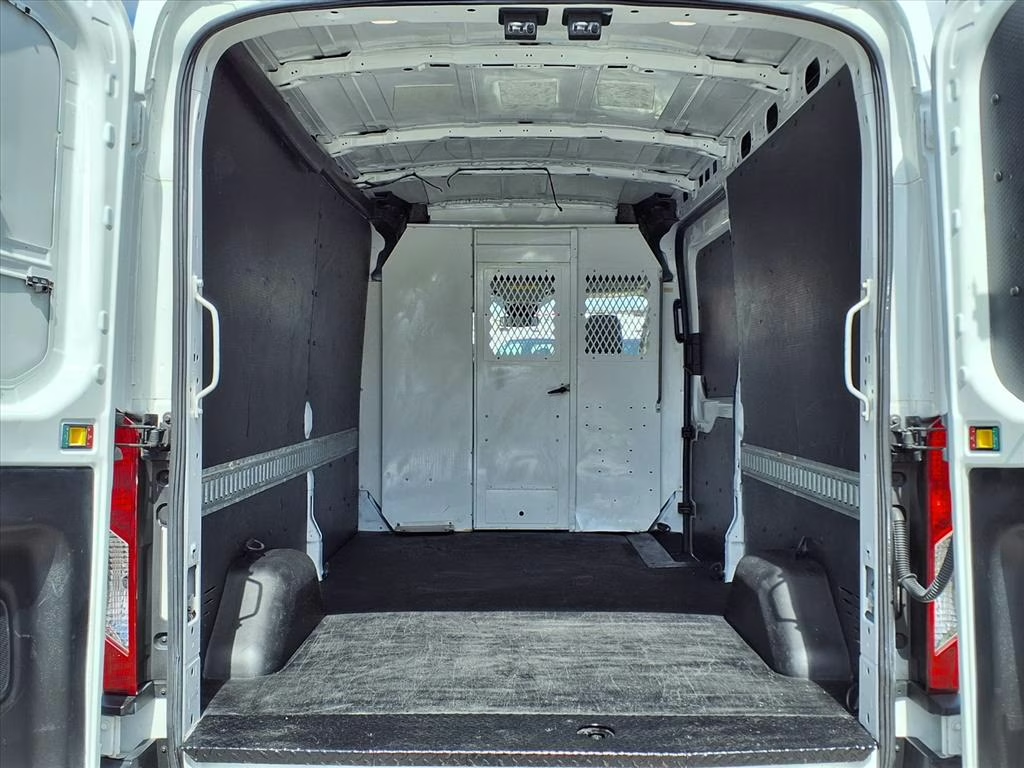
Consider a van already equipped with commercial shelving, a bulkhead or partition, drawer systems, ladder rack, conduit storage, E-track or tie-down equipment, interior lighting or cargo protection.
If that equipment fits your business, you're not merely buying a used van. You're potentially avoiding the cost, installation time and downtime associated with building the van after purchase.
But an upfit only has value if you can use it. A plumber shouldn't pay a large premium for shelving designed around a completely different trade. Poorly installed equipment, unnecessary holes, damaged interior panels or abandoned wiring can actually become liabilities.
Evaluate the upfit just as carefully as the van.
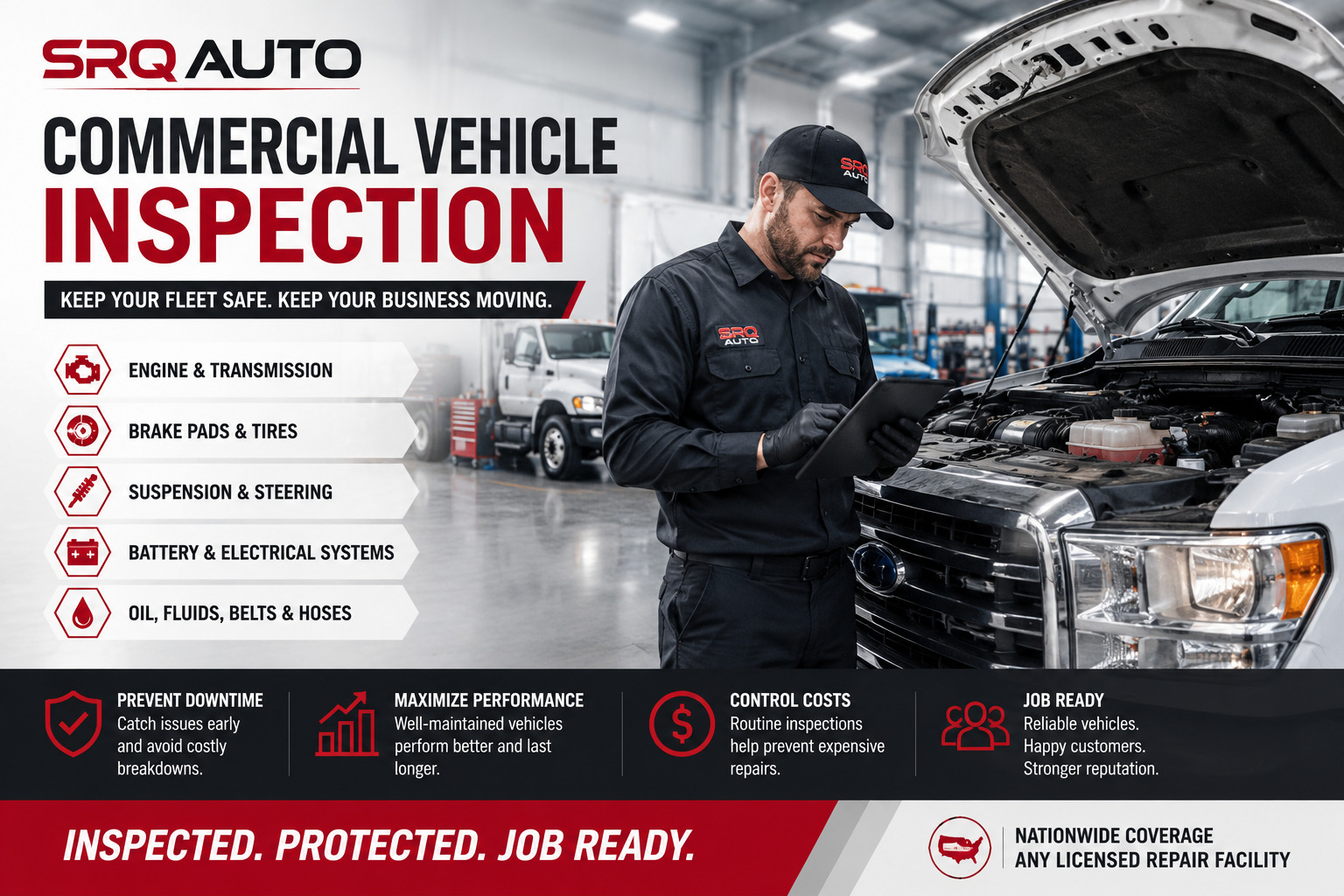
What Should You Inspect Before Buying a Used Work Van?
This is where buying a commercial vehicle differs from shopping for a family SUV.
A work van can accumulate wear without accumulating enormous mileage. A local delivery vehicle may have relatively modest odometer mileage but thousands of door cycles, frequent stops and extensive idle time. A contractor's van may have spent years carrying heavy shelving and equipment. Another van with somewhat higher mileage may have spent most of its life traveling longer highway routes.
Mileage needs context.
- Sliding and rear doors: Make sure tracks, rollers, hinges and latches operate properly.
- Cargo floor: Heavy gouging, deformation or unusual wear can provide clues about previous use.
- Roof and body seams: Look for evidence of leaks, previous repairs or poorly installed roof equipment.
- Previous upfit modifications: Inspect mounting holes, wiring, brackets and alterations left behind when equipment was removed.
- Tires and brakes: Commercial stop-and-go use can be hard on wear items.
- Transmission operation: Evaluate both cold and warm operation when possible.
- Service history: Maintenance records can provide important context that mileage alone cannot.
- Interior wear: Compare seat, steering wheel, pedal and cargo-area condition with the mileage shown.
- Existing equipment: Make sure shelving, partitions and racks are secure and actually useful to your business.
At SRQ Auto, this commercial-use perspective is central to how vehicles are selected and prepared. The goal isn't simply to make a used van look clean. It's to recondition it so a business can put it to work.
Is Lower Mileage Always Better?
Lower mileage is valuable. But mileage without context can be misleading.
Consider two hypothetical vans:
Van A: 32,000 miles, extensive idle time, heavy delivery use, worn doors and little maintenance documentation.
Van B: 52,000 miles, documented maintenance, primarily longer-distance operation and substantially better overall condition.
The lower-mile van isn't automatically the better purchase.
Age, mileage, service history, engine hours when available, previous application and present condition should be evaluated together. That's especially important in commercial vehicles because how the miles were accumulated can matter nearly as much as how many appear on the odometer.
Ford Transit, Ram ProMaster or Chevy Express: Which Would We Choose?
There isn't one answer—and that's the point.
Consider a Ford Transit when:
Interior height and configurable cargo space are priorities, your trade benefits from a mobile workspace, and the particular Transit configuration provides the capacity your upfit requires.
Consider a Ram ProMaster when:
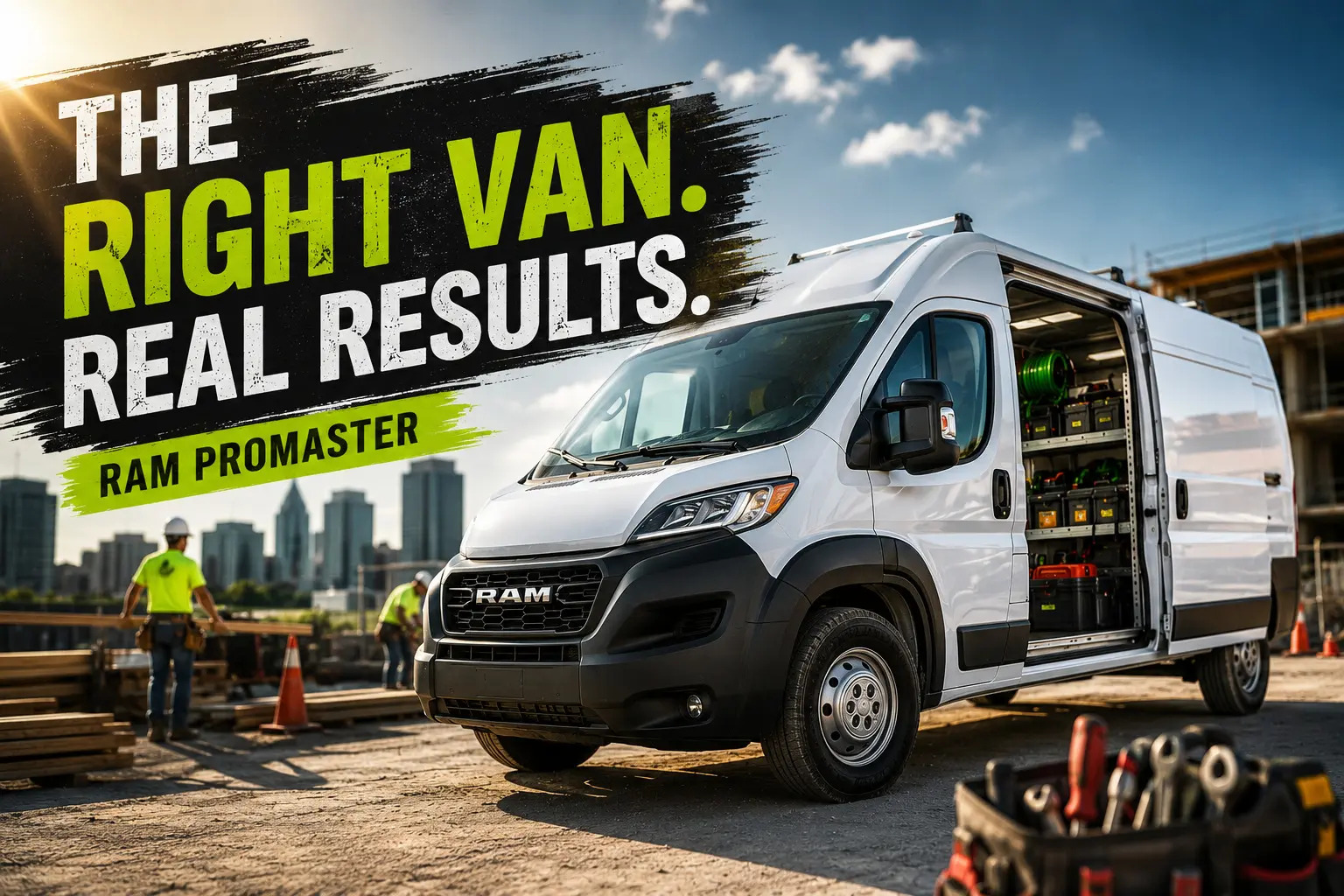
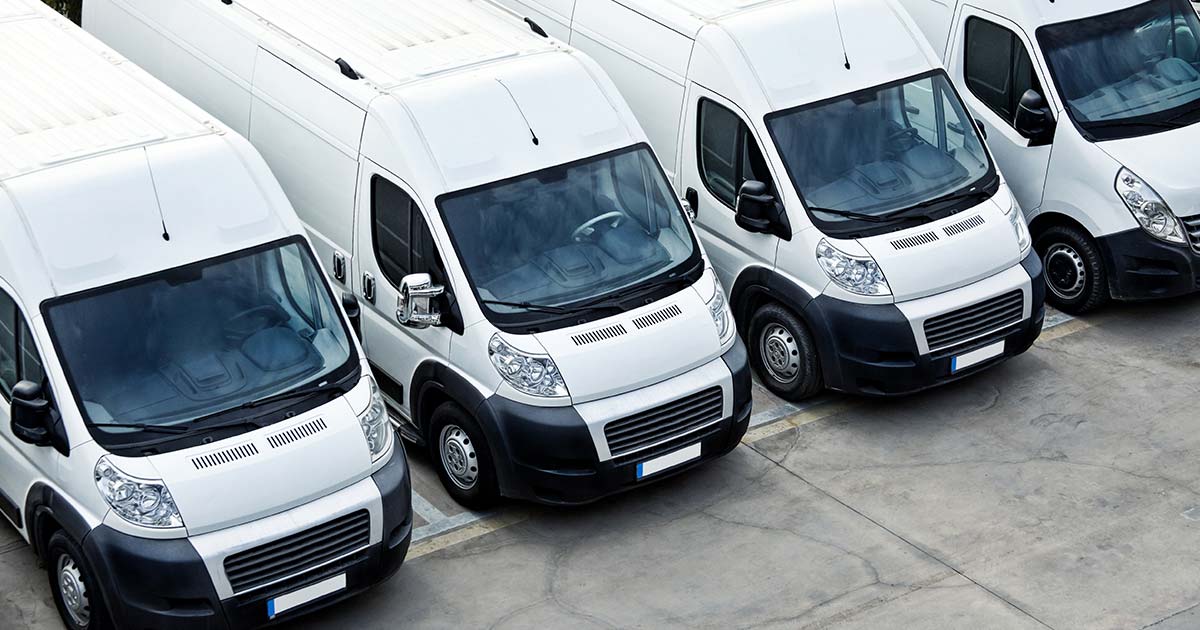
A low cargo floor, tall and relatively square cargo area and front-wheel-drive packaging fit the operation. ProMaster High Roof 2500 and 3500 models can be particularly useful for trades building organized mobile workshops.
Consider a Chevrolet Express or GMC Savana when:
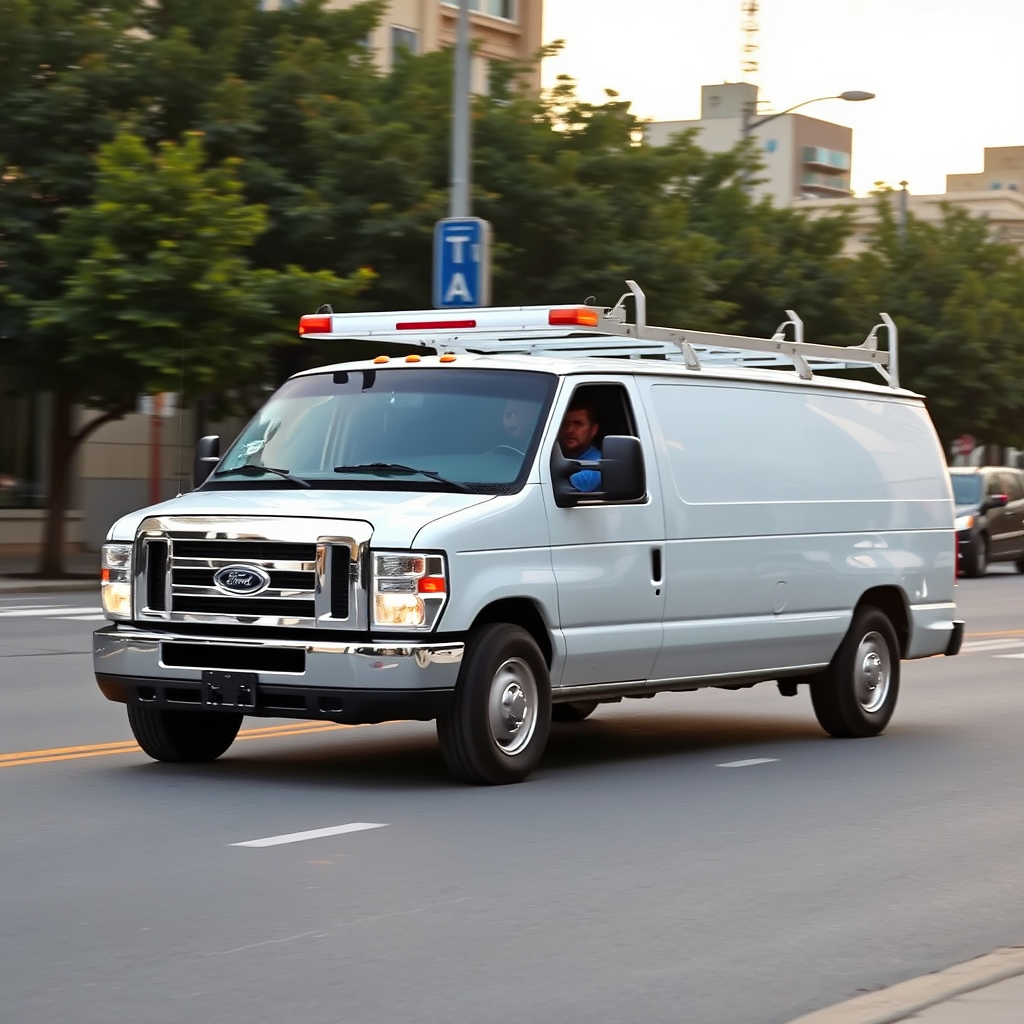
A traditional full-size commercial-van platform fits your business, you don't require modern high-roof interior height, and the specific engine/chassis configuration suits your cargo and towing requirements.
Then ask the more important question:
Which individual used van is the better vehicle?
A well-maintained, properly reconditioned Express with the right equipment can be a better business purchase than a neglected Transit. A properly equipped ProMaster can be worth more to an electrician than an empty van with fewer miles.
Condition + configuration + history + price + business fit should ultimately determine the winner.
So Which Work Van Should Your Business Actually Buy?
Start with your work—not the van.
- What do you carry?
- How much does it weigh?
- How many people ride in the vehicle?
- Do technicians need to stand inside?
- How often does the crew enter the cargo area?
- Do you tow?
- Where will the van be parked?
- Which upfit is required?
- How much room does the business need to grow?
Then shop for the vehicle that solves those requirements.
For one contractor, that may be a Ford Transit High Roof. For another, a Ram ProMaster 2500 or 3500 High Roof. For another, a Chevrolet Express or GMC Savana. And for some businesses, the answer may not be a conventional cargo van at all—an enclosed utility-body or KUV configuration could provide a better mobile-workshop layout.
The best work van isn't the one with the biggest cargo area, lowest mileage or newest model year. It's the van that helps your business do more work with less friction.
SRQ Auto specializes in pre-owned commercial vehicles that are thoroughly inspected and reconditioned around our Job Ready Promise. We help businesses throughout Sarasota, Bradenton, Tampa, Orlando, Fort Myers and nationwide find commercial vehicles that fit the way they actually work.
Find Your Next Work Van at SRQ Auto
Ready to compare what's available now? Browse our current cargo van inventory or view all Job Ready commercial vehicles.
Need help structuring the purchase? Learn about Tailored Commercial Financing or complete our online credit application.
Want to know what other business owners say about working with us? Read our customer reviews or get directions to SRQ Auto in Bradenton.