Are Used Fleet Vehicles a Good Buy? A Work-Truck Buyer’s Guide

Expert perspective: Chris Hilgeman, owner of SRQ Auto LLC in Bradenton, Florida.
A used fleet vehicle can be a good buy when its condition, maintenance history, commercial equipment and price fit your business. Fleet ownership alone does not prove that a truck was well maintained, lightly used or ready for another working life. Look for evidence behind the description before making the purchase.
At SRQ Auto, we help contractors, trades and business owners compare used commercial vehicles for the work ahead. If you are considering a former fleet truck or van, start with our current commercial inventory and ask about the history of the specific vehicle. Not every commercial vehicle has the same ownership background.
What Does “Fleet Vehicle” Mean?
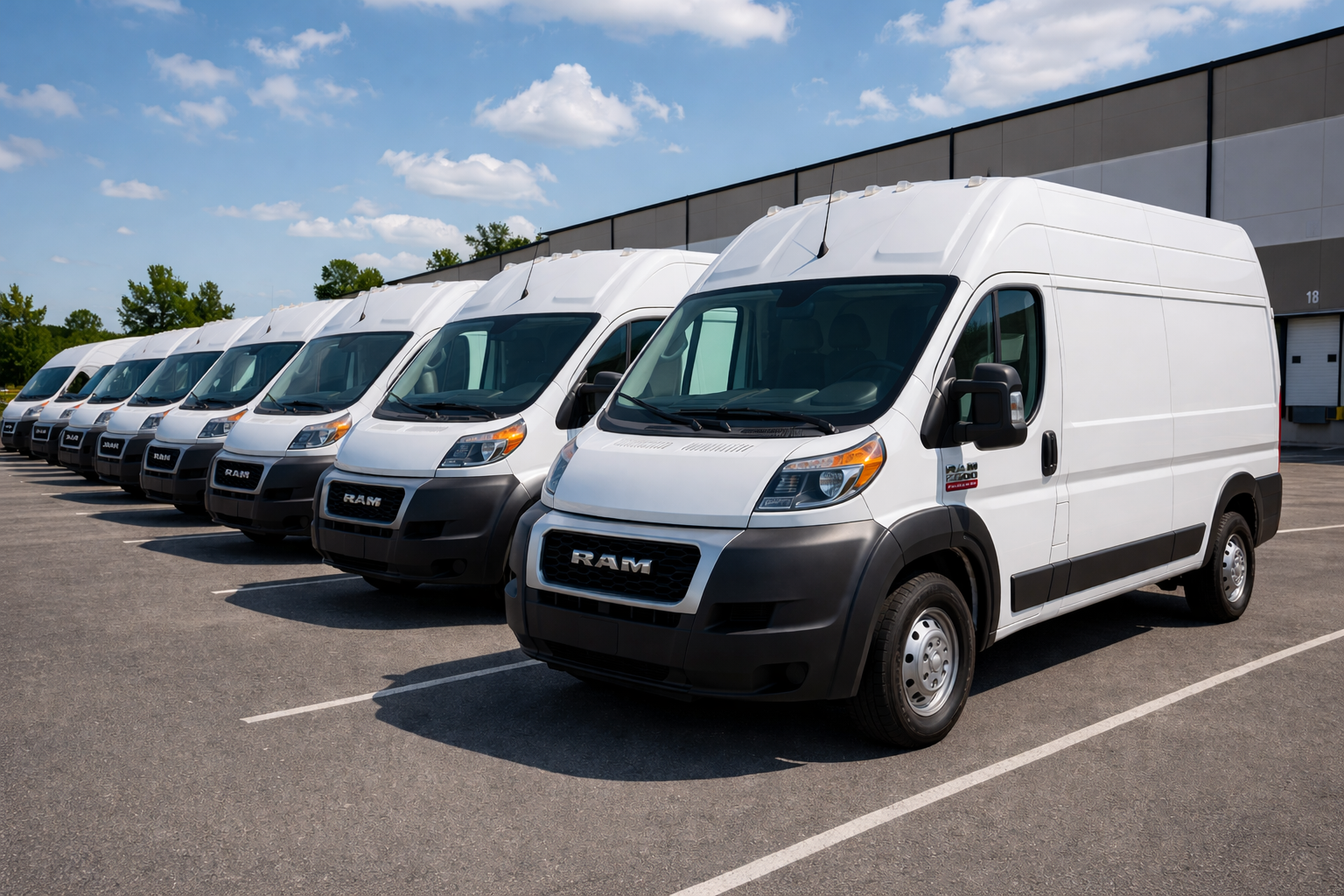
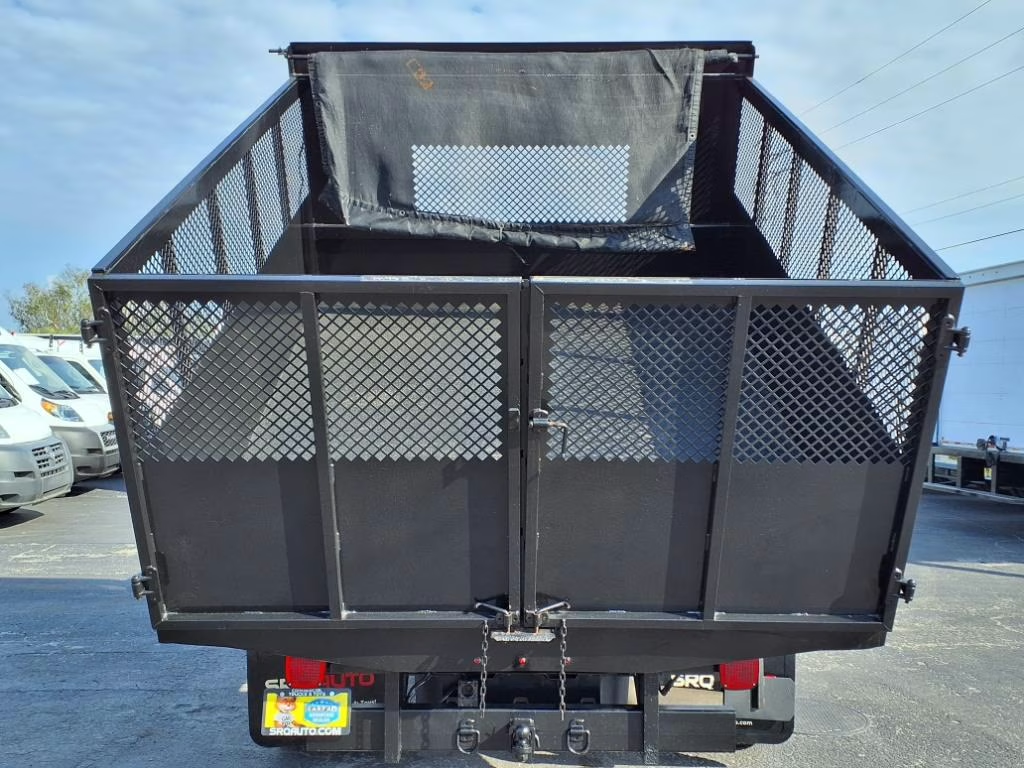
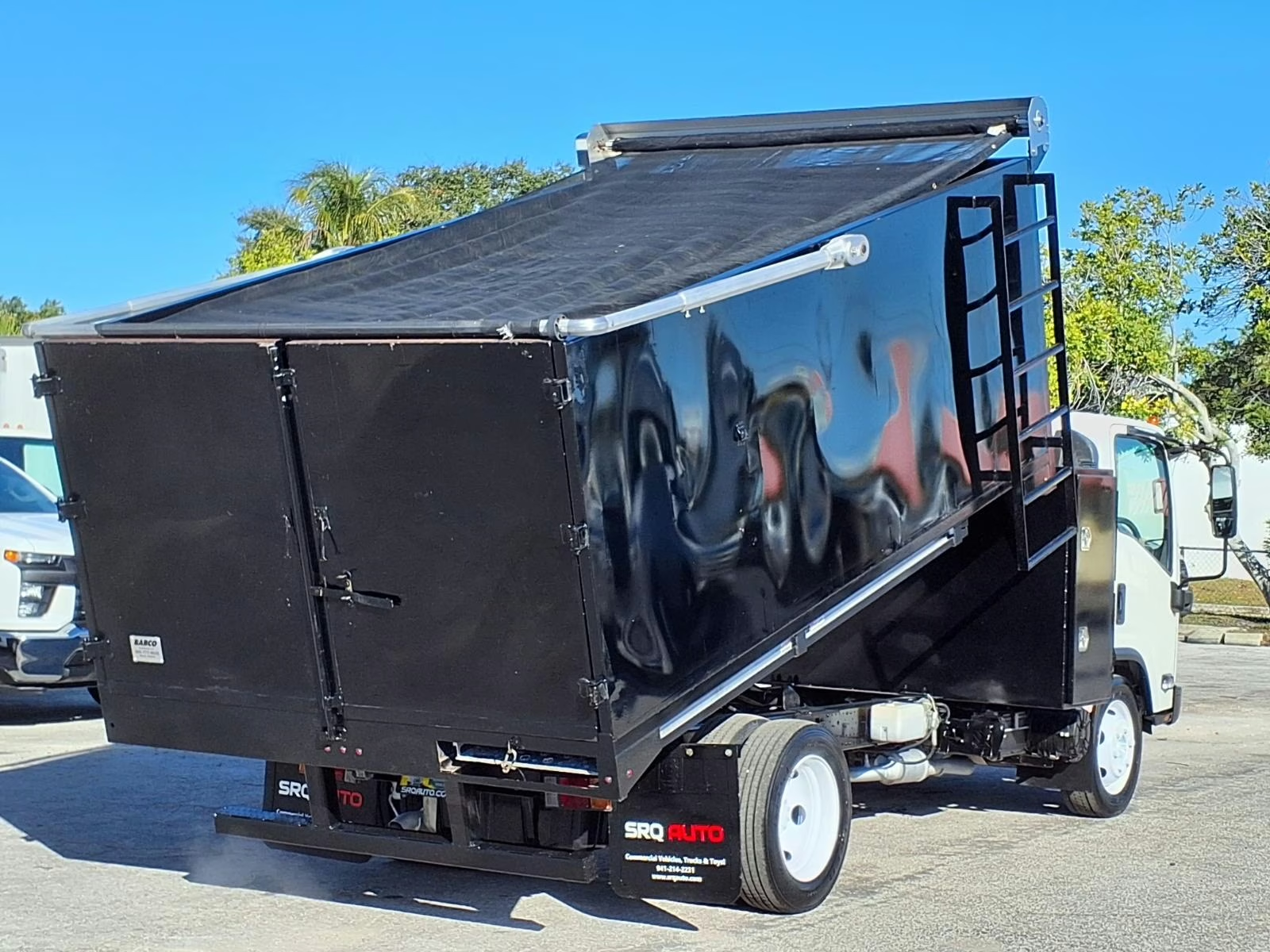
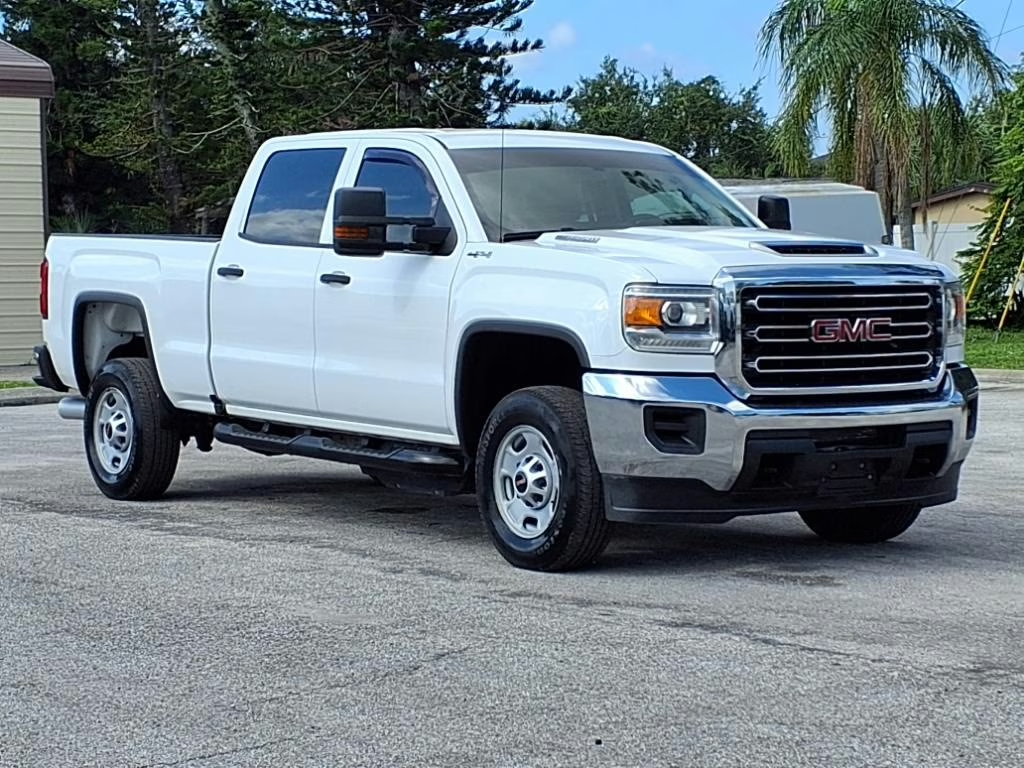
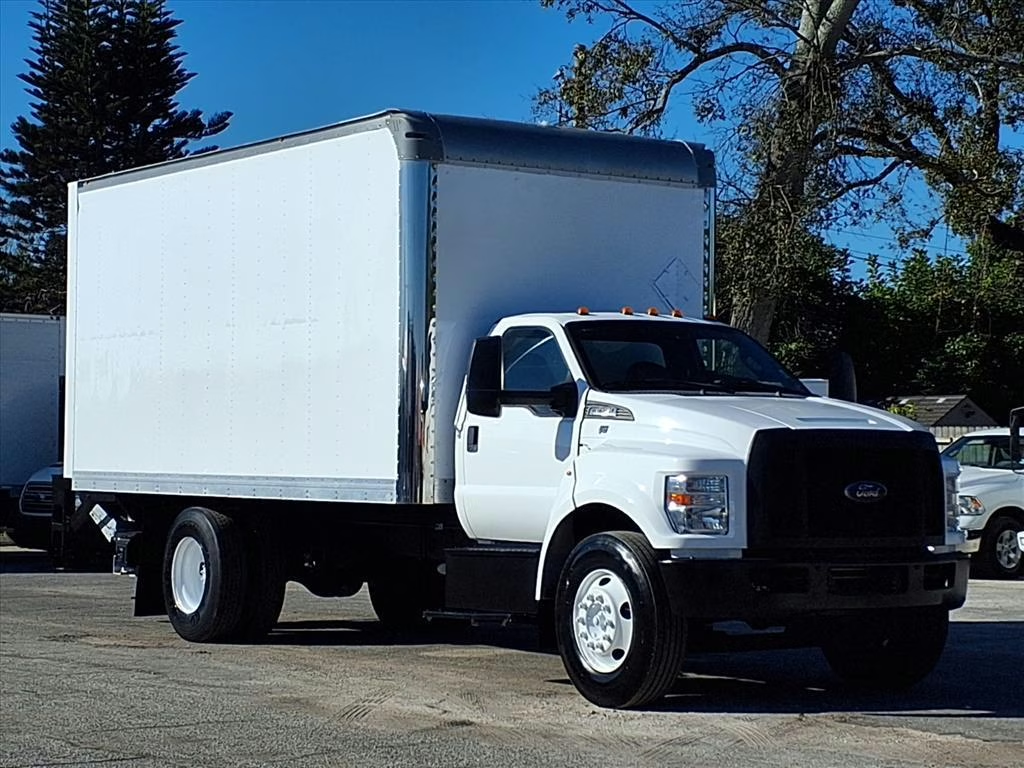
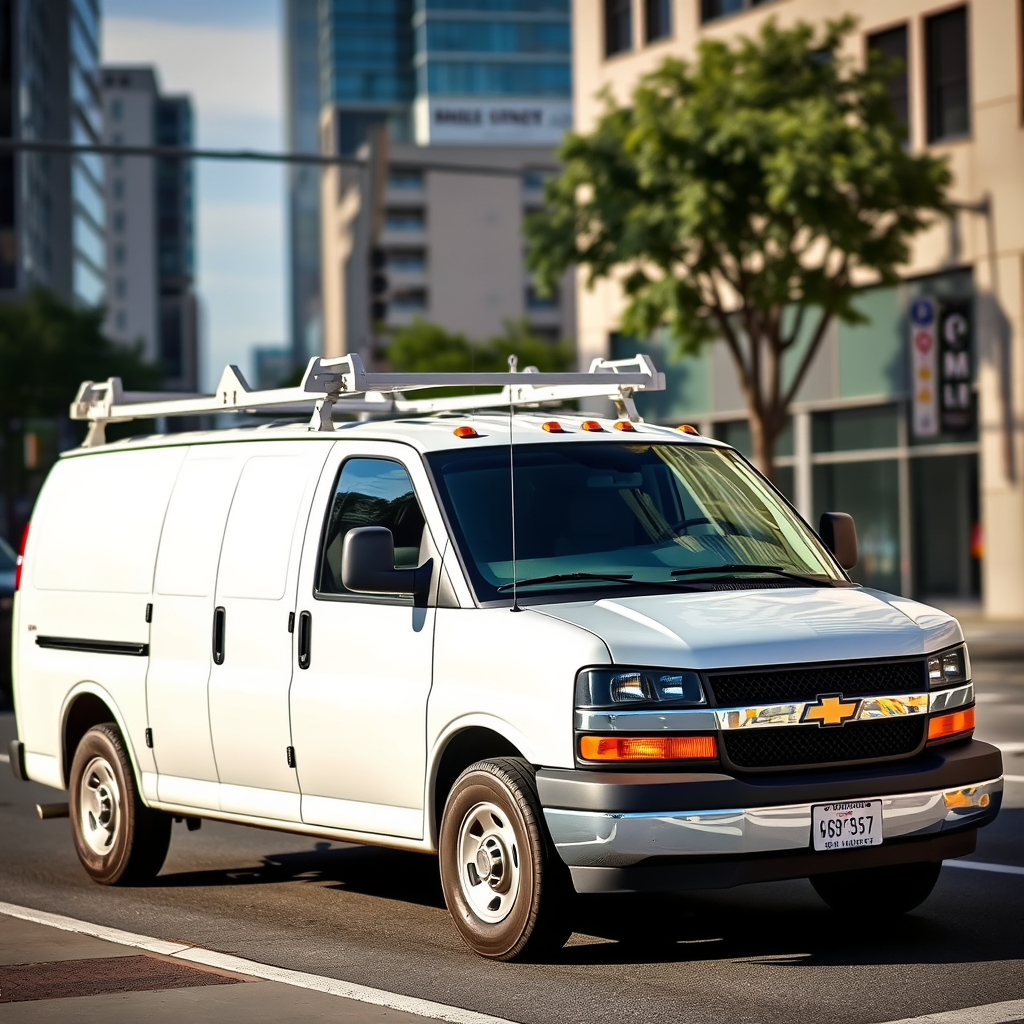
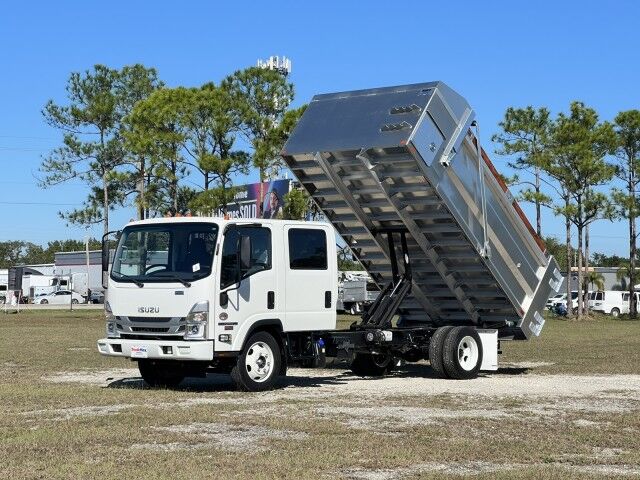
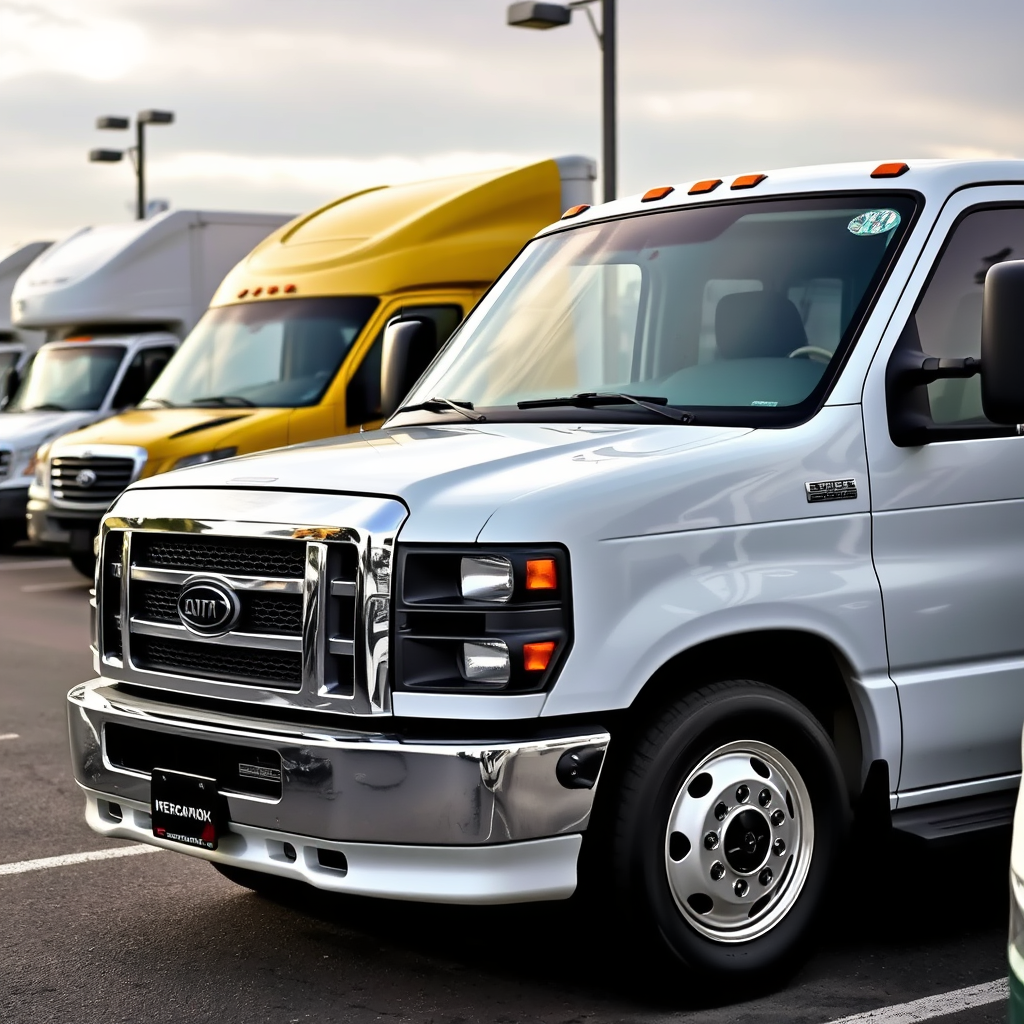
A fleet vehicle is generally one operated as part of an organization’s vehicle group. That organization might be a contractor, utility, delivery company, rental business or public agency. A former fleet unit may be a pickup, service body truck, cargo van, box truck or passenger vehicle.
The label describes an ownership or operating context, not a quality grade. A history report may identify corporate or fleet use without explaining the routes, drivers, loads or maintenance practices. Ask what additional records or information are available instead of filling those gaps with assumptions.
Are Fleet Vehicles Well Maintained?
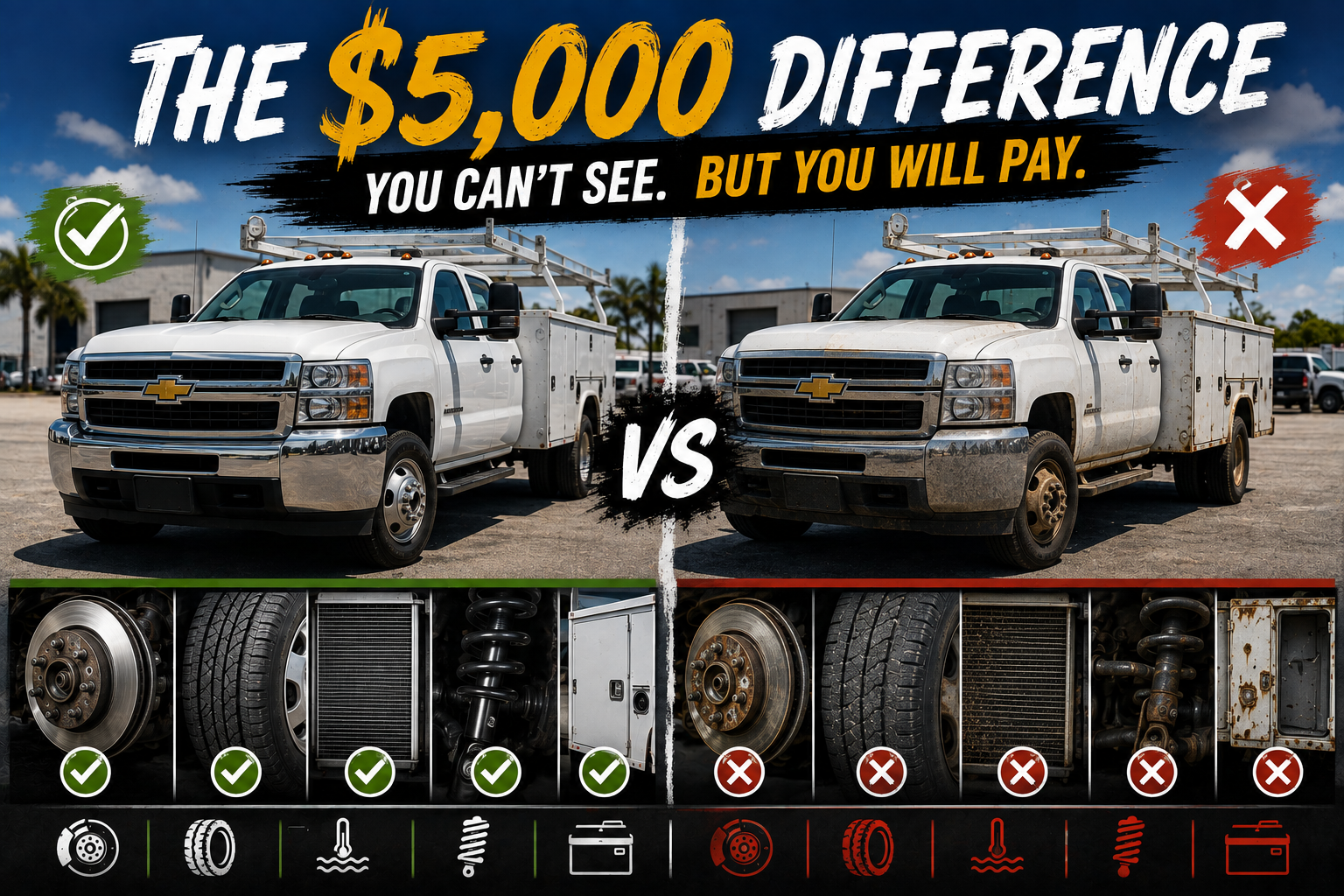
Some organizations follow documented preventive-maintenance schedules and keep detailed repair records. Others provide incomplete records when vehicles leave service. Even a consistent maintenance program does not eliminate wear or establish the current condition of every component.
Request dated records showing mileage, inspections, routine service and significant repairs. Check whether the entries match the VIN and progress logically over time. Ask what is known about recent maintenance, unresolved concerns and equipment service. “Fleet maintained” becomes more useful when the seller can explain what that means for this truck.
A missing receipt does not automatically make a vehicle unsuitable. It does mean the inspection and your budget need to account for uncertainty. Separate documented facts, the seller’s explanation and items that still need verification.
Questions Worth Asking the Seller
Ask whether the previous operation is known, whether drivers shared the vehicle and whether equipment was removed before sale. If shelving, a compressor or other equipment remains, confirm ownership and inclusion in the sale. Request clarification about warning lights, recent major repairs and any concerns noted during preparation. Ask for the answers in writing when they affect your decision. These questions do not establish a perfect history, but they help identify which parts of the purchase need further investigation. When comparing two units, use the same questions for both so a vague description does not outweigh a more complete set of records.
Mileage, Engine Hours and Previous Use Tell Different Stories
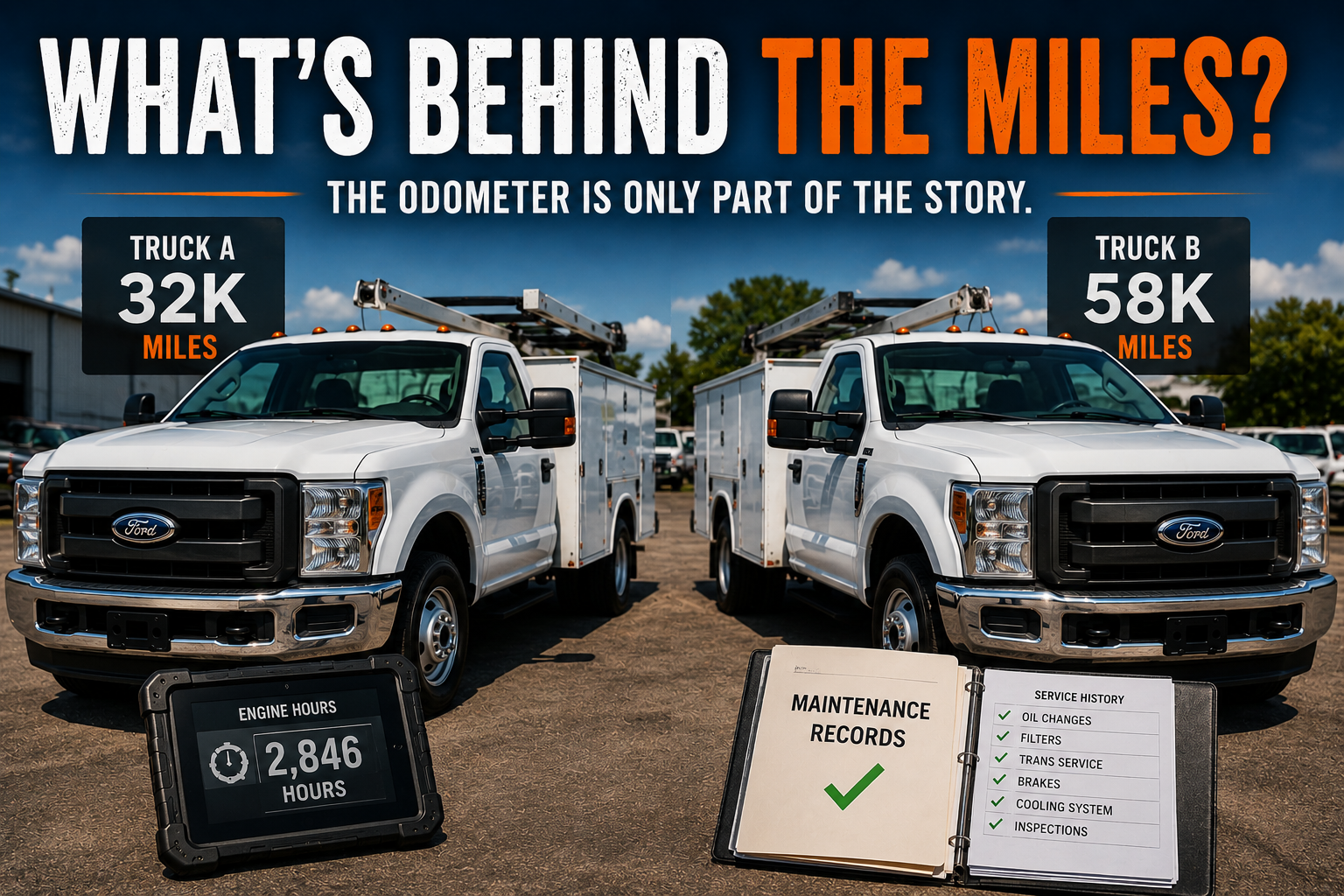
A delivery van, a mobile service truck and a shuttle bus can accumulate wear differently. Stop-and-go routes, idling, load, operating environment and driver habits all deserve attention. When engine-hour information is available, consider it alongside mileage and records rather than applying a universal pass-or-fail number.
There is no single retirement mileage that determines whether all used fleet vehicles are good purchases. Organizations can replace vehicles for scheduling, standardization, contract or financial reasons as well as condition. Ask why the vehicle became available when that information is known, and inspect it on its own merits.
Inspect the Vehicle, Not Just Its History Report
Review available history information, then arrange a mechanical evaluation appropriate to the vehicle. Check starting behavior, warning lights, fluid leaks, cooling, shifting, steering and braking. Inspect tire condition and specifications, suspension, visible frame areas, glass and air conditioning.
The FTC’s used-vehicle guidance explains that a history report does not replace an independent inspection. That distinction is useful for commercial buyers too: a record helps explain the past, while an inspection evaluates the vehicle you are considering today.
Check NHTSA’s recall lookup and manufacturer information for the specific VIN. For an upfitted vehicle, ask about separate body or equipment information as well. A history report or recall search is one part of the review, not proof of complete condition.
Commercial Bodies Need Their Own Inspection
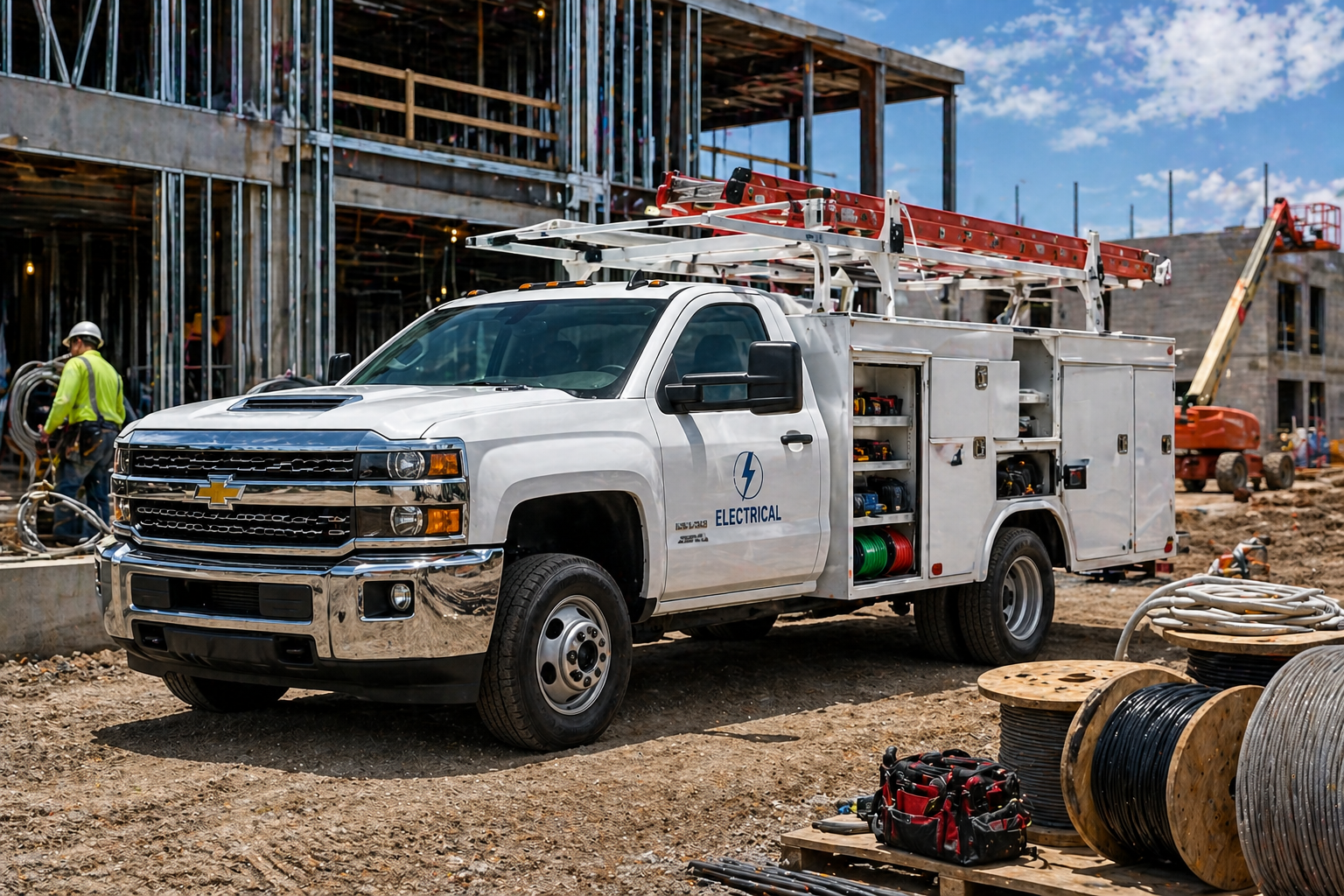
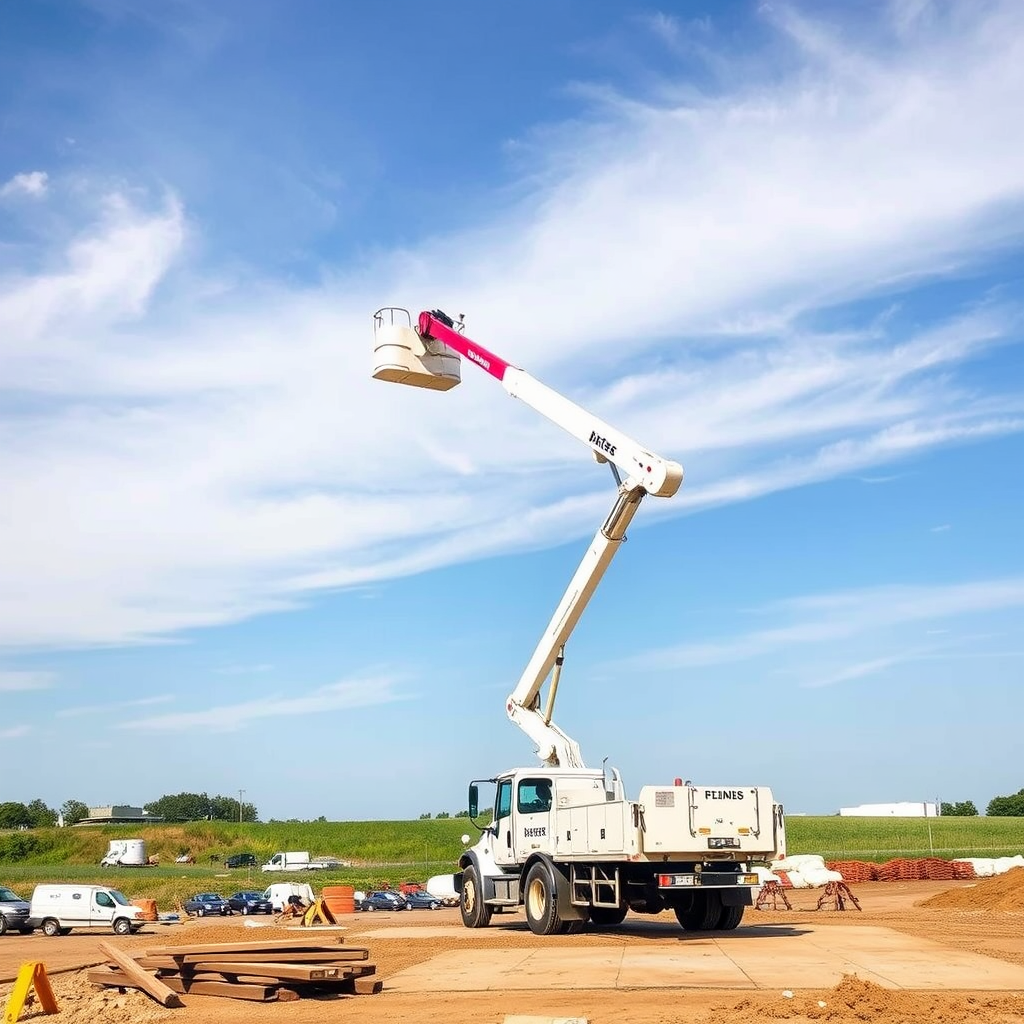
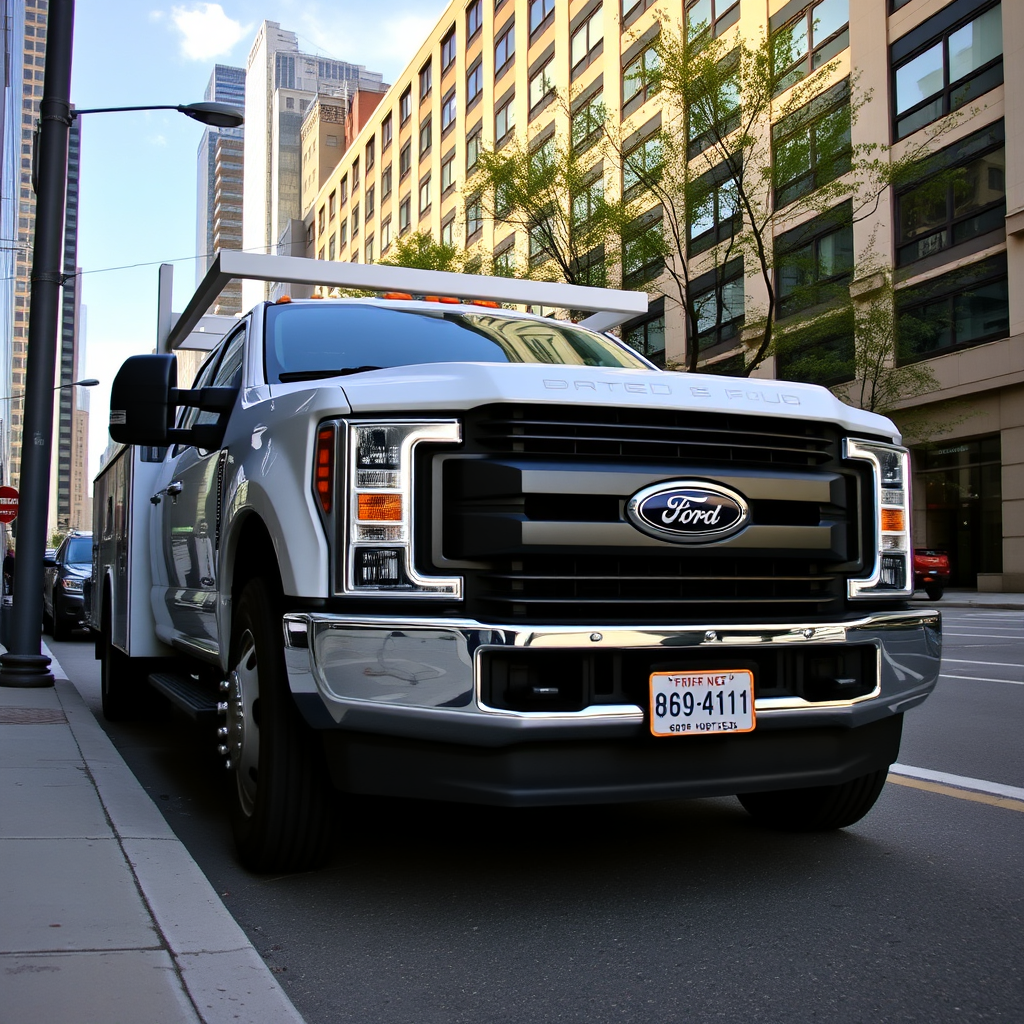
The upfit can determine whether a former fleet vehicle is valuable to your trade. Equipment that worked for the previous operator may be inconvenient for yours. Measure the spaces you will use and test included equipment before treating it as a benefit.
| Vehicle type | What to evaluate |
|---|---|
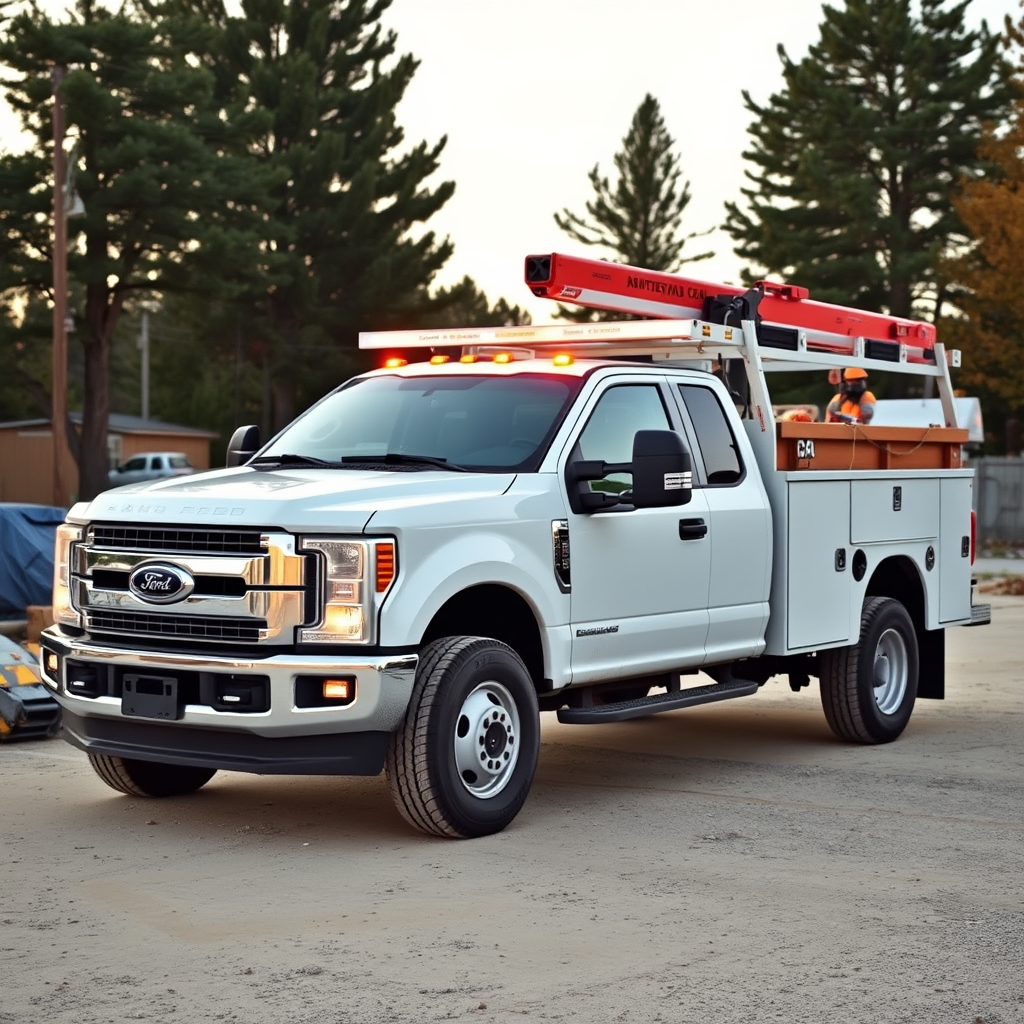
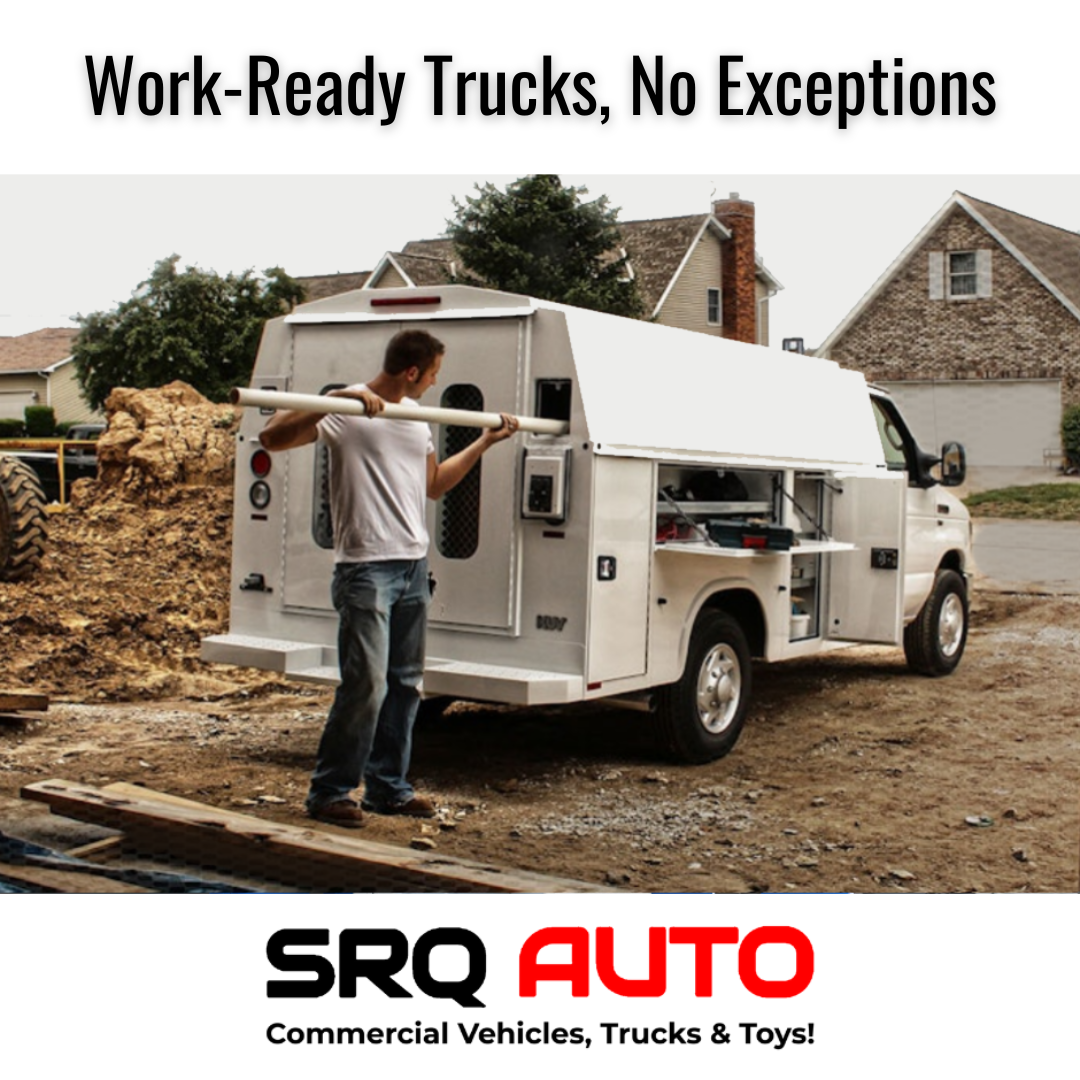
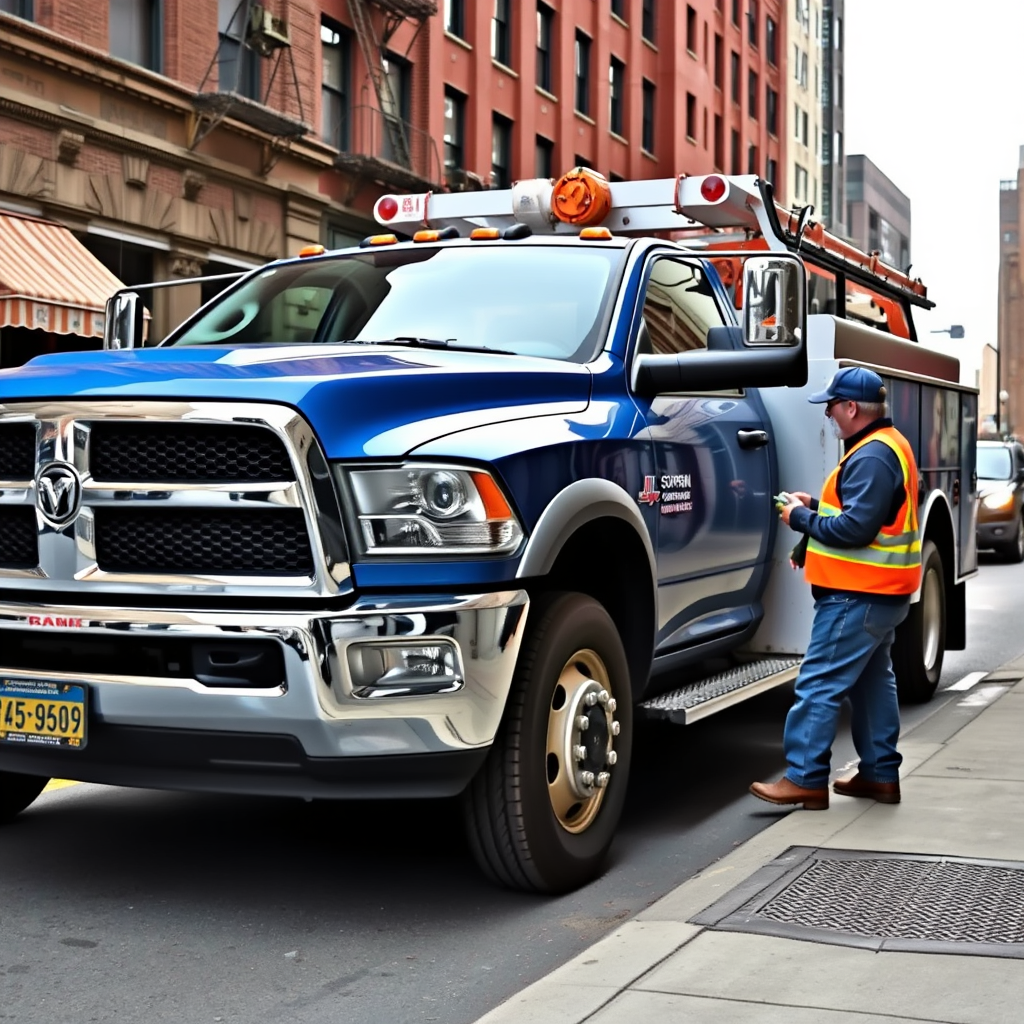
| Service or utility truck | Compartment floors, doors, latches, locks, shelving, rack mounts and included equipment. |
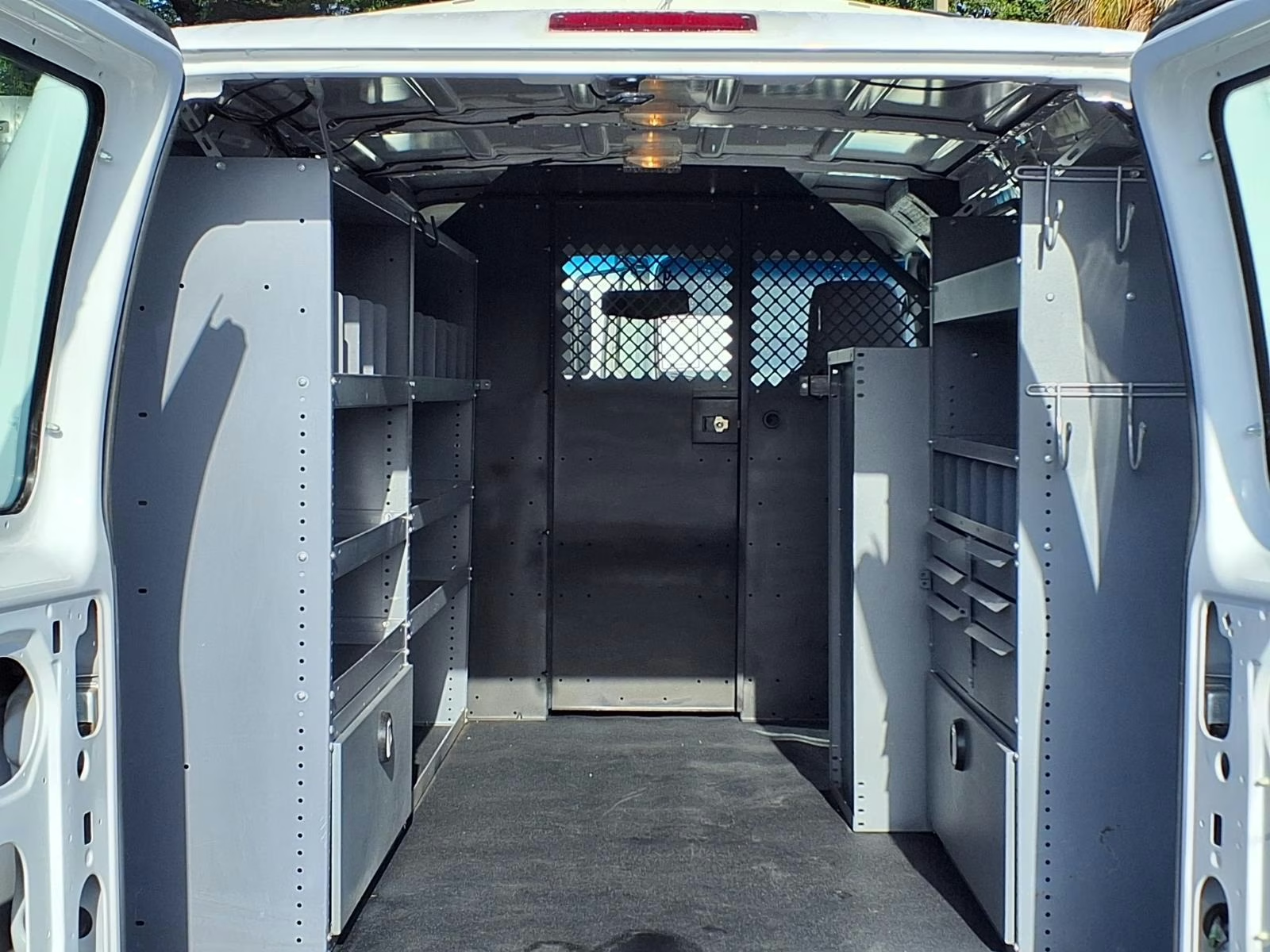
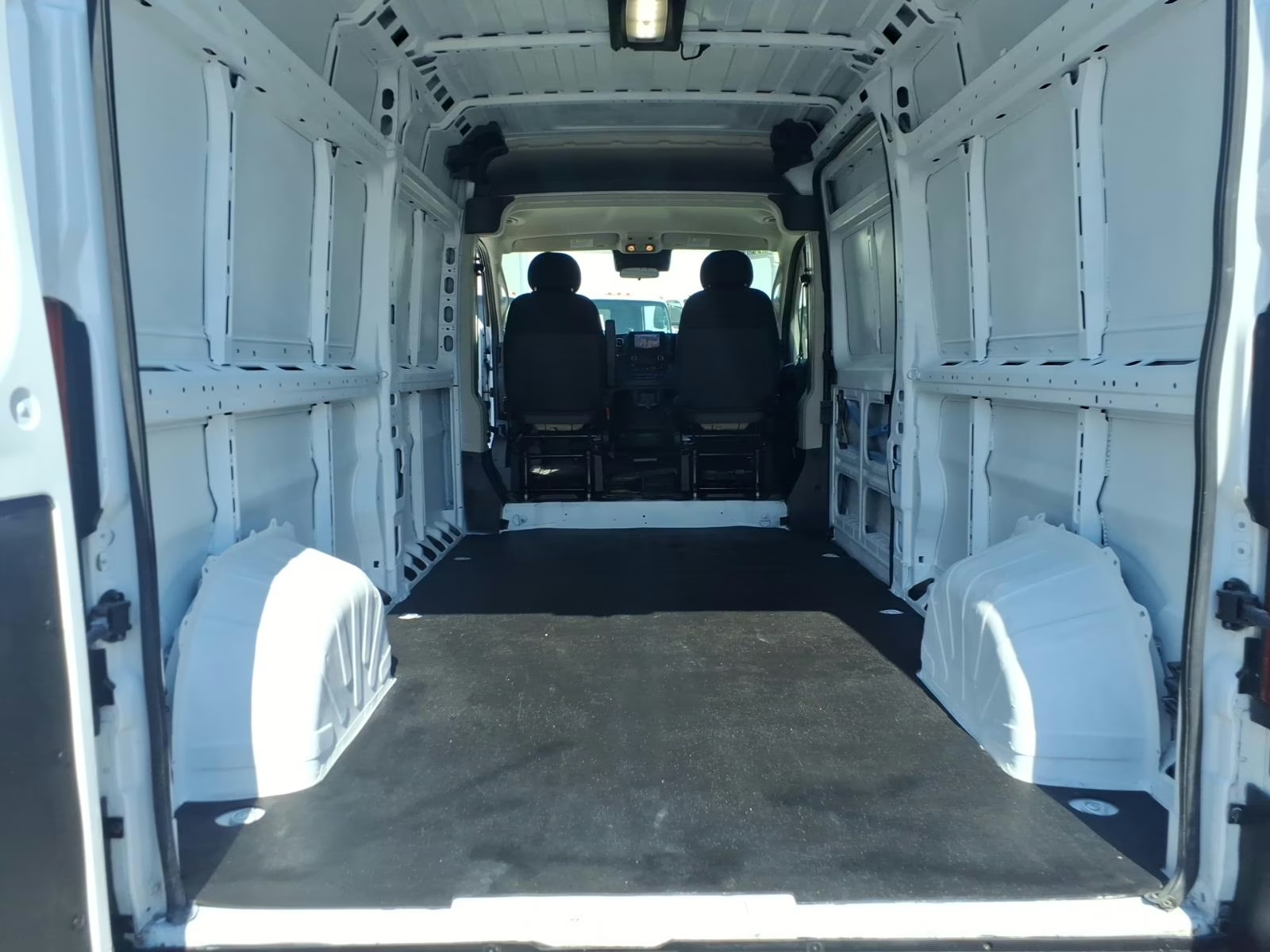
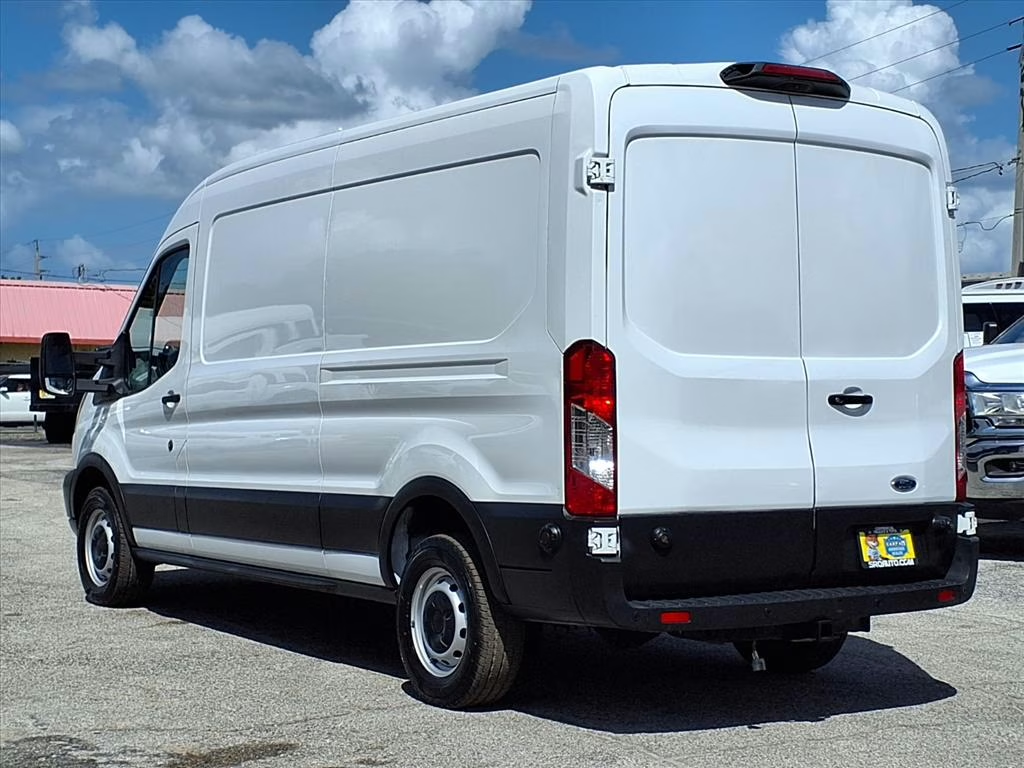
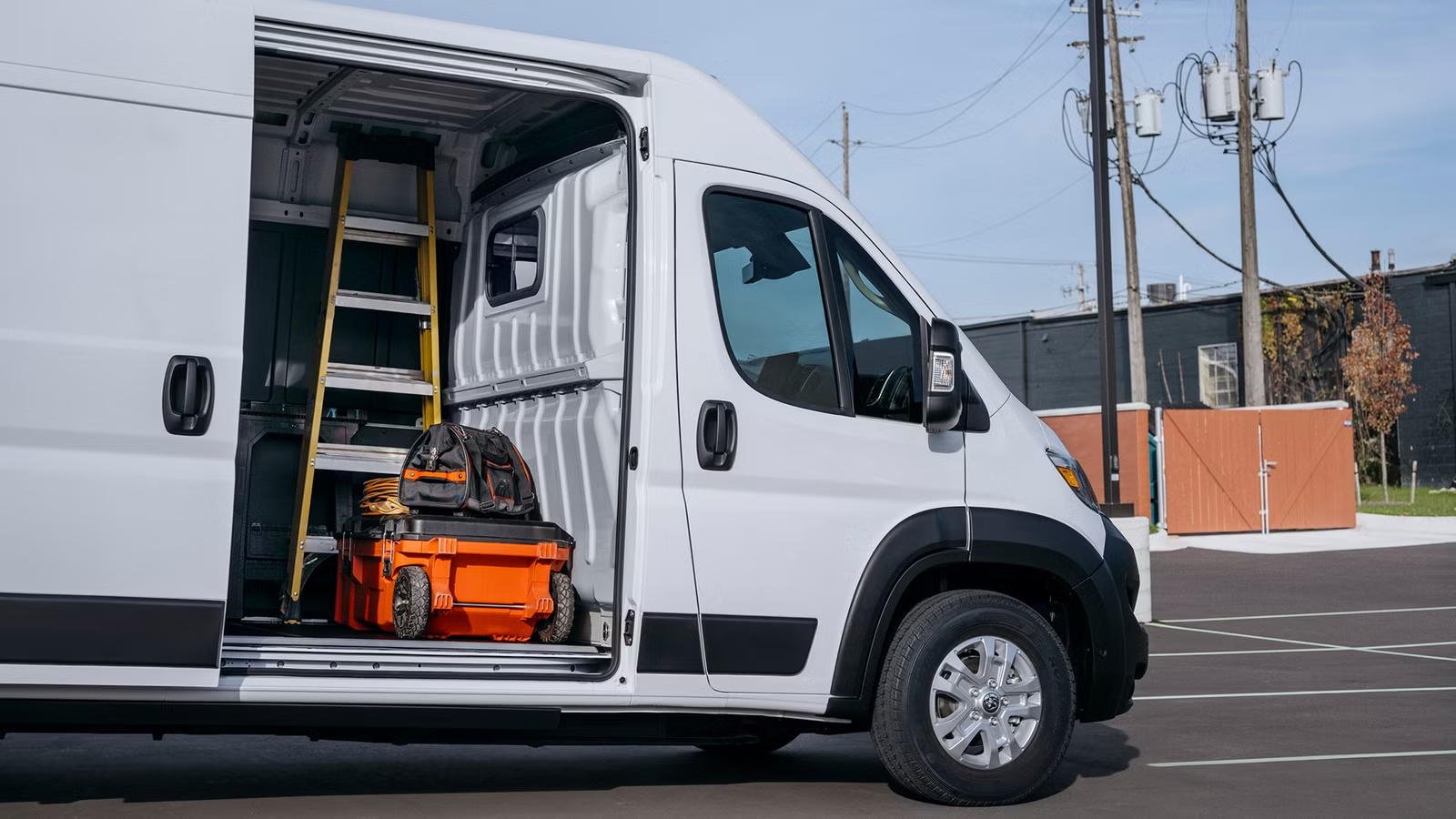
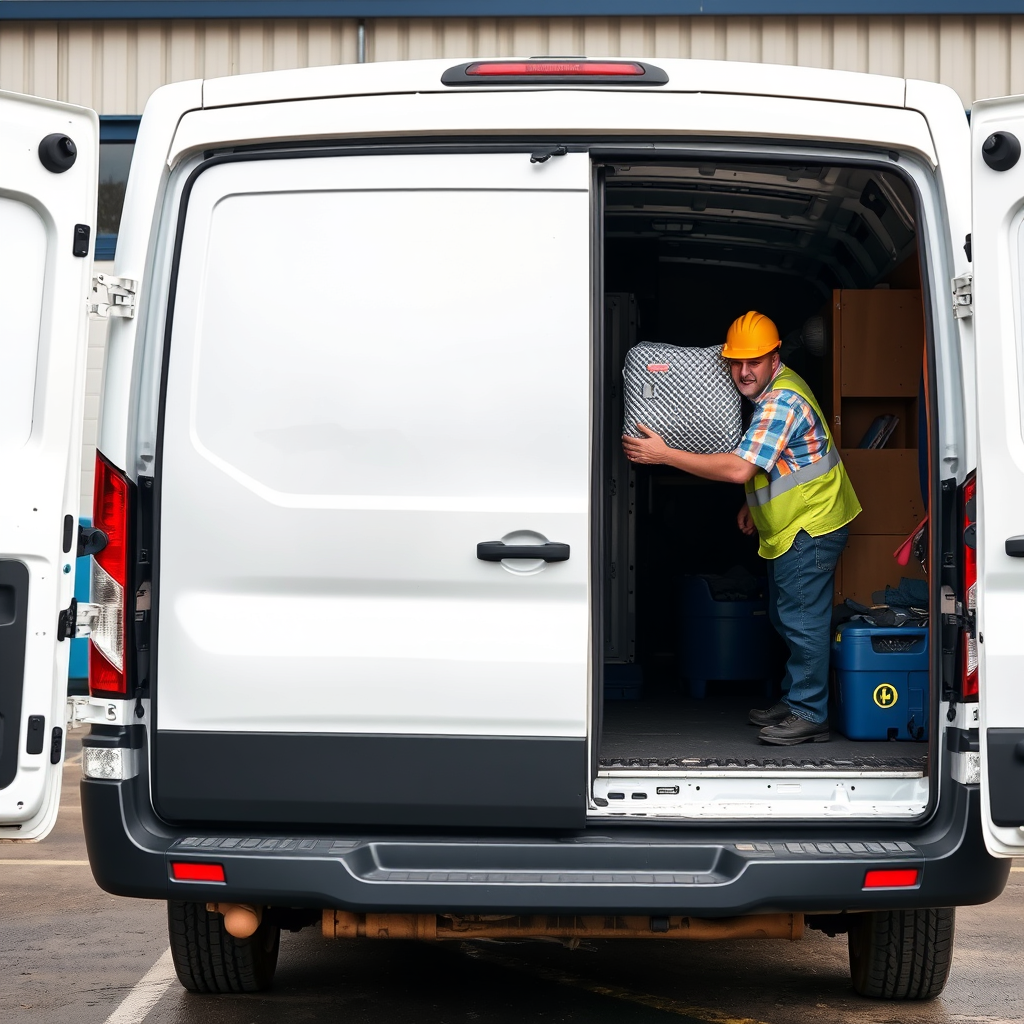
| Cargo van or enclosed utility van | Usable cargo dimensions, standing room, doors, shelving security, loading access and interior condition. |
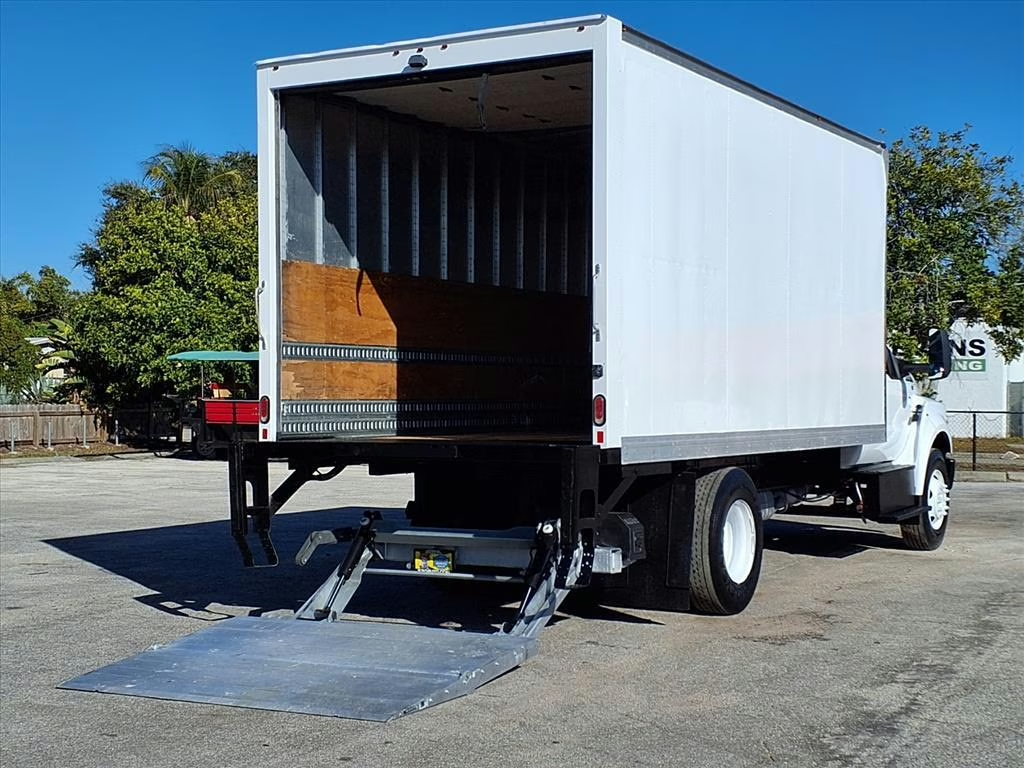
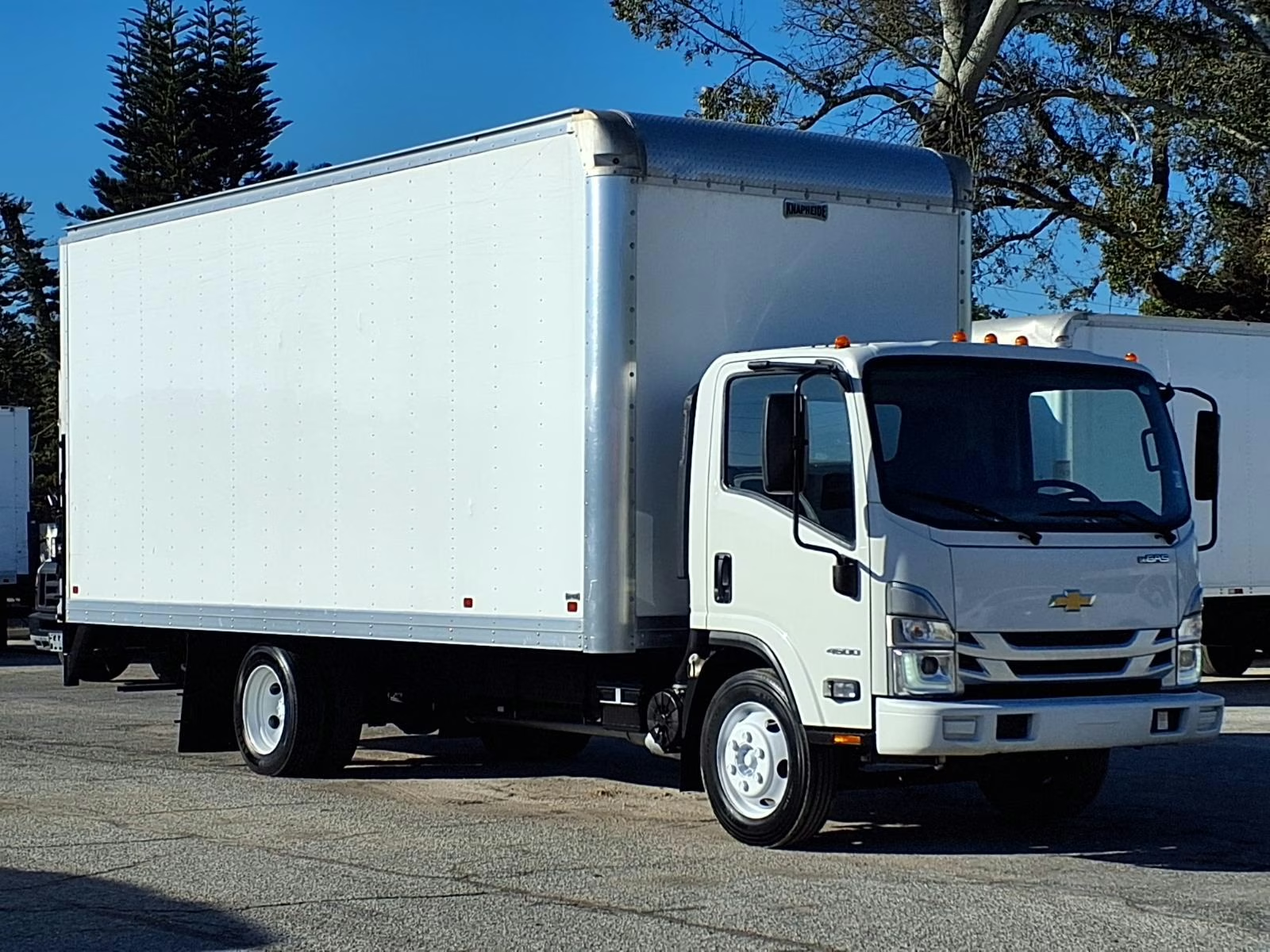
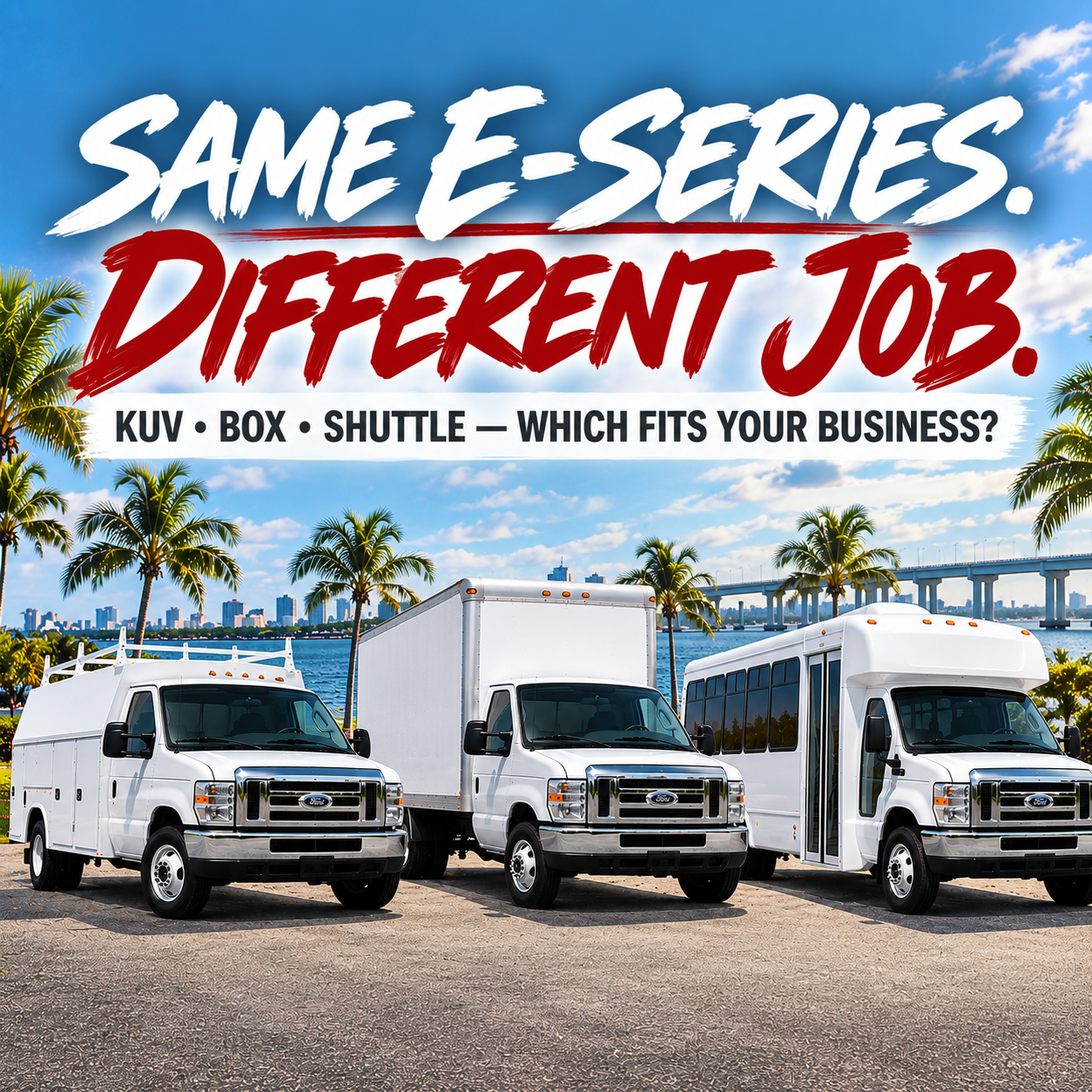
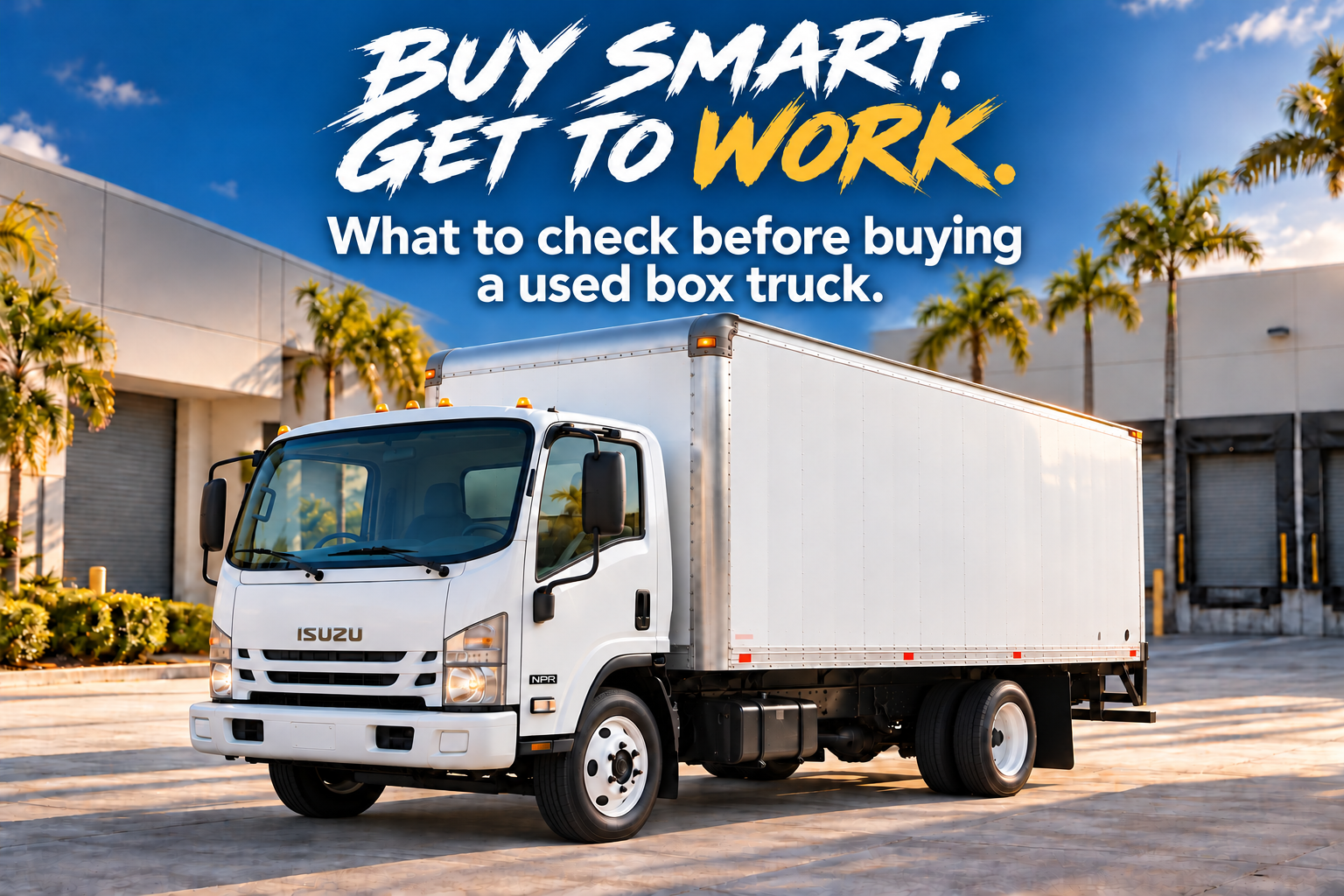
| Box truck | Box dimensions, floor, roof, doors, cargo restraints and liftgate operation where fitted. |
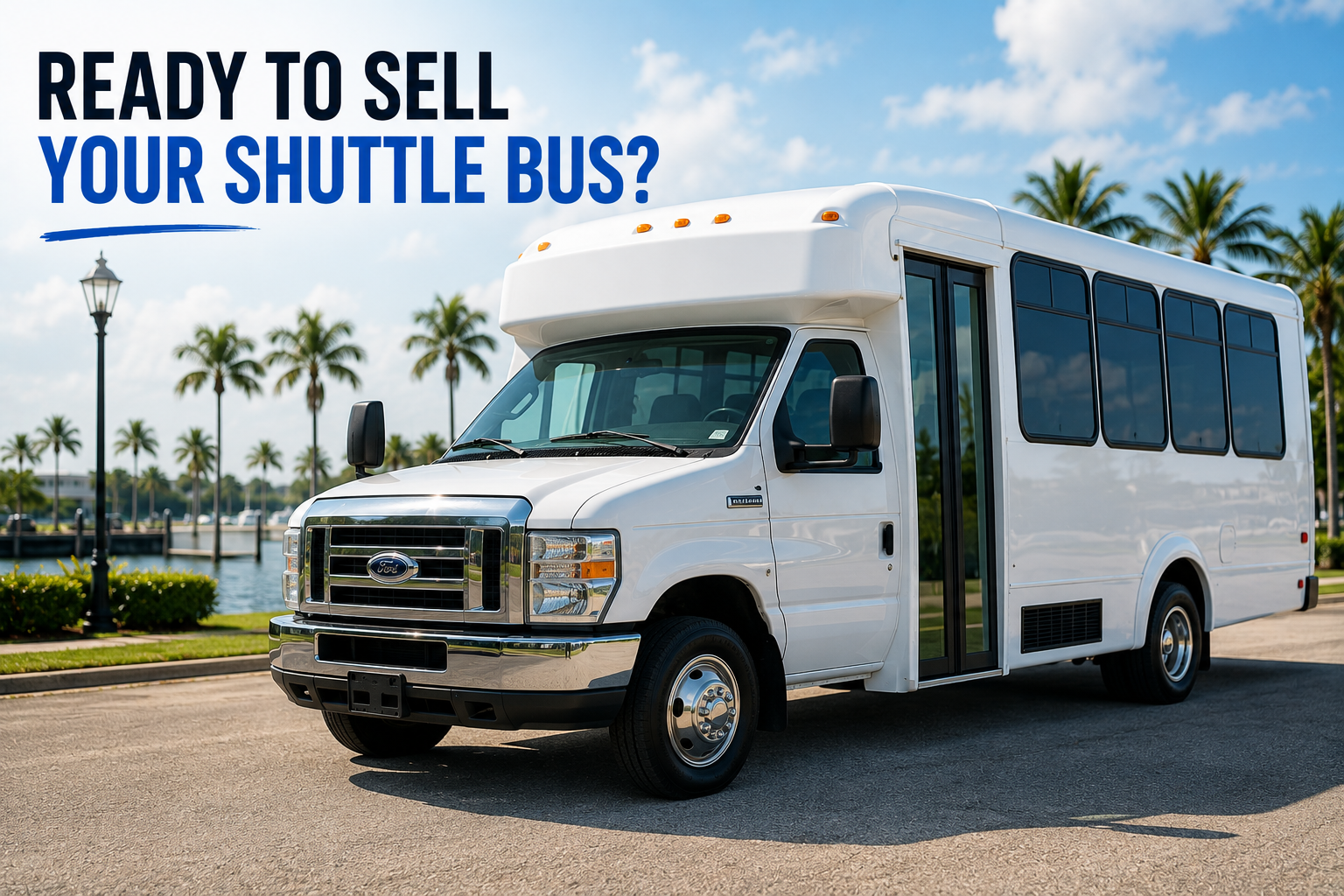
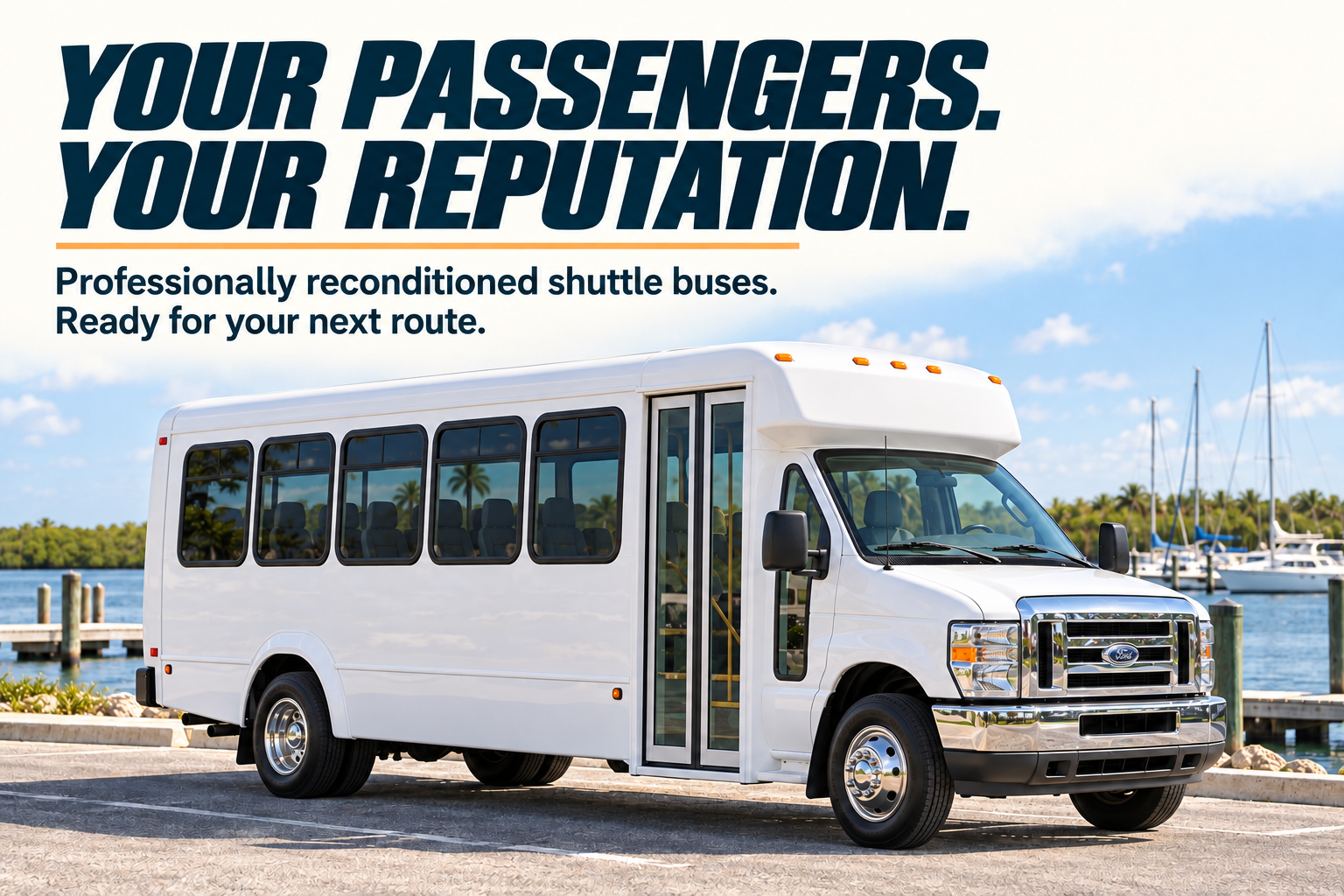
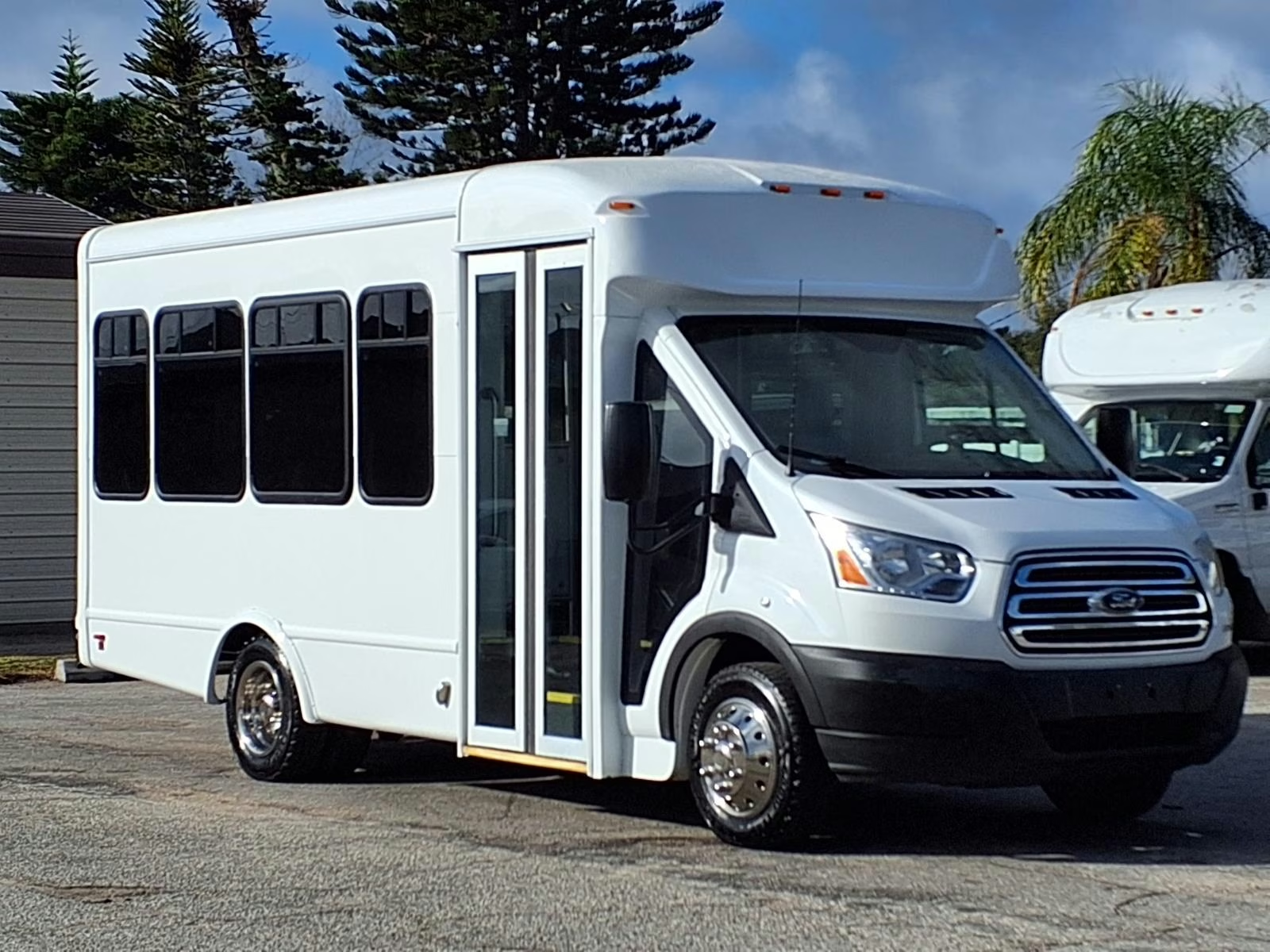
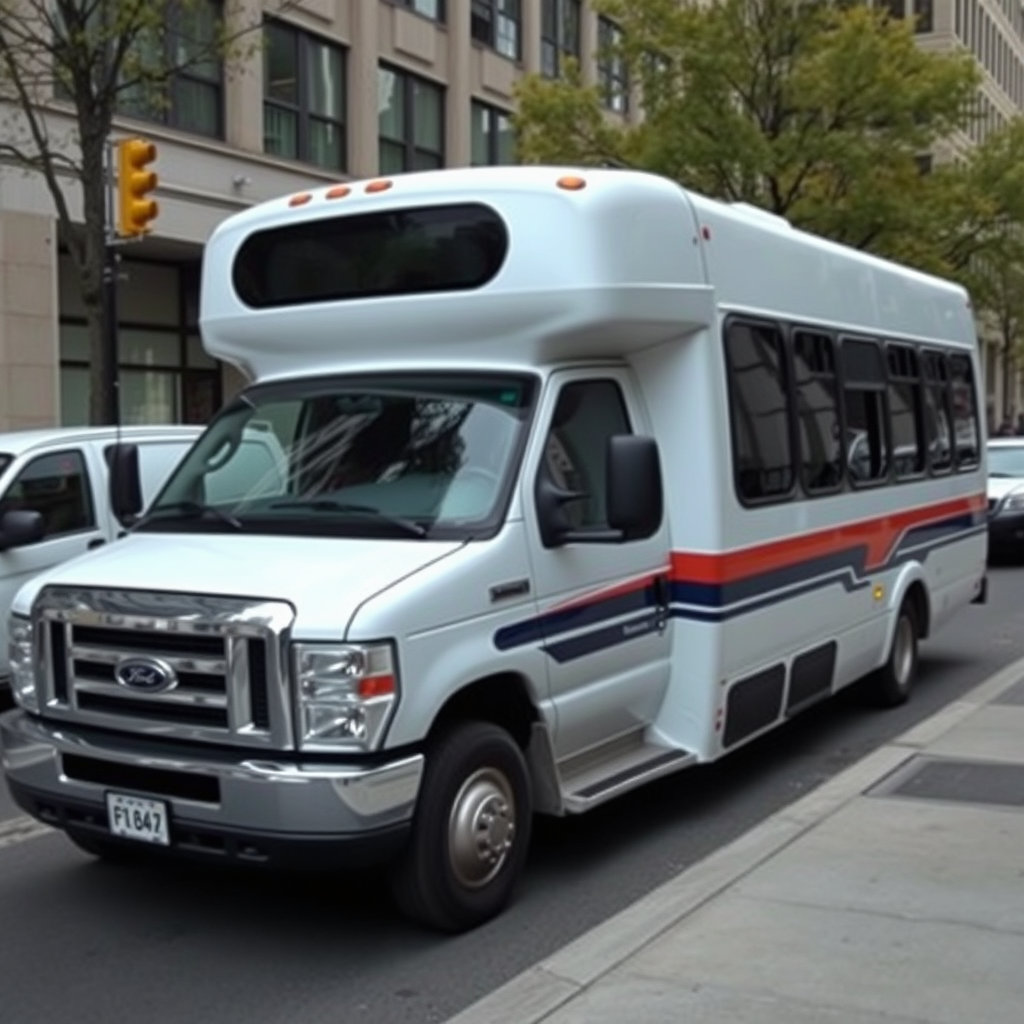
| Shuttle bus | Seating layout, entry, passenger-area condition, air conditioning and operation of installed accessibility equipment. |
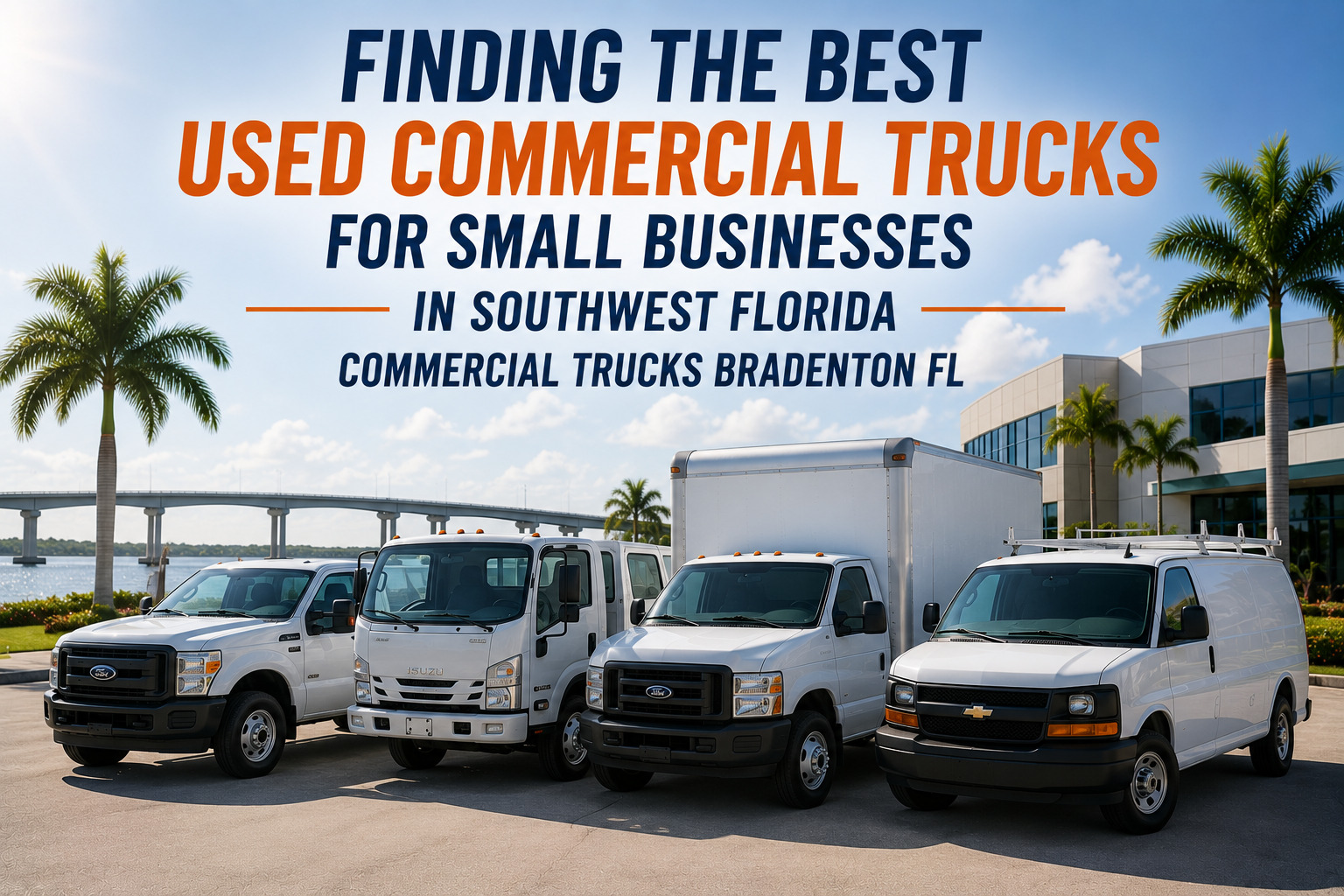
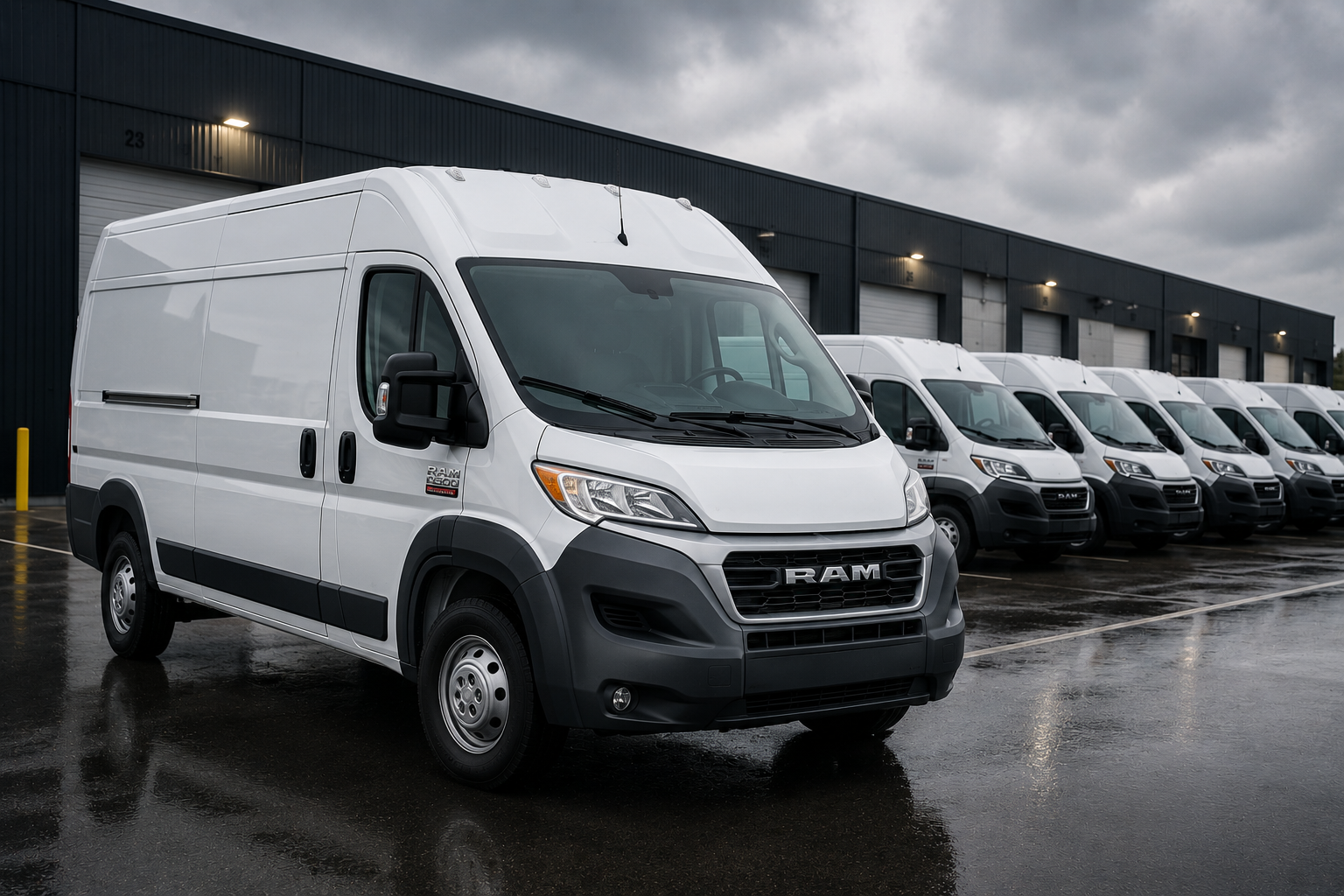
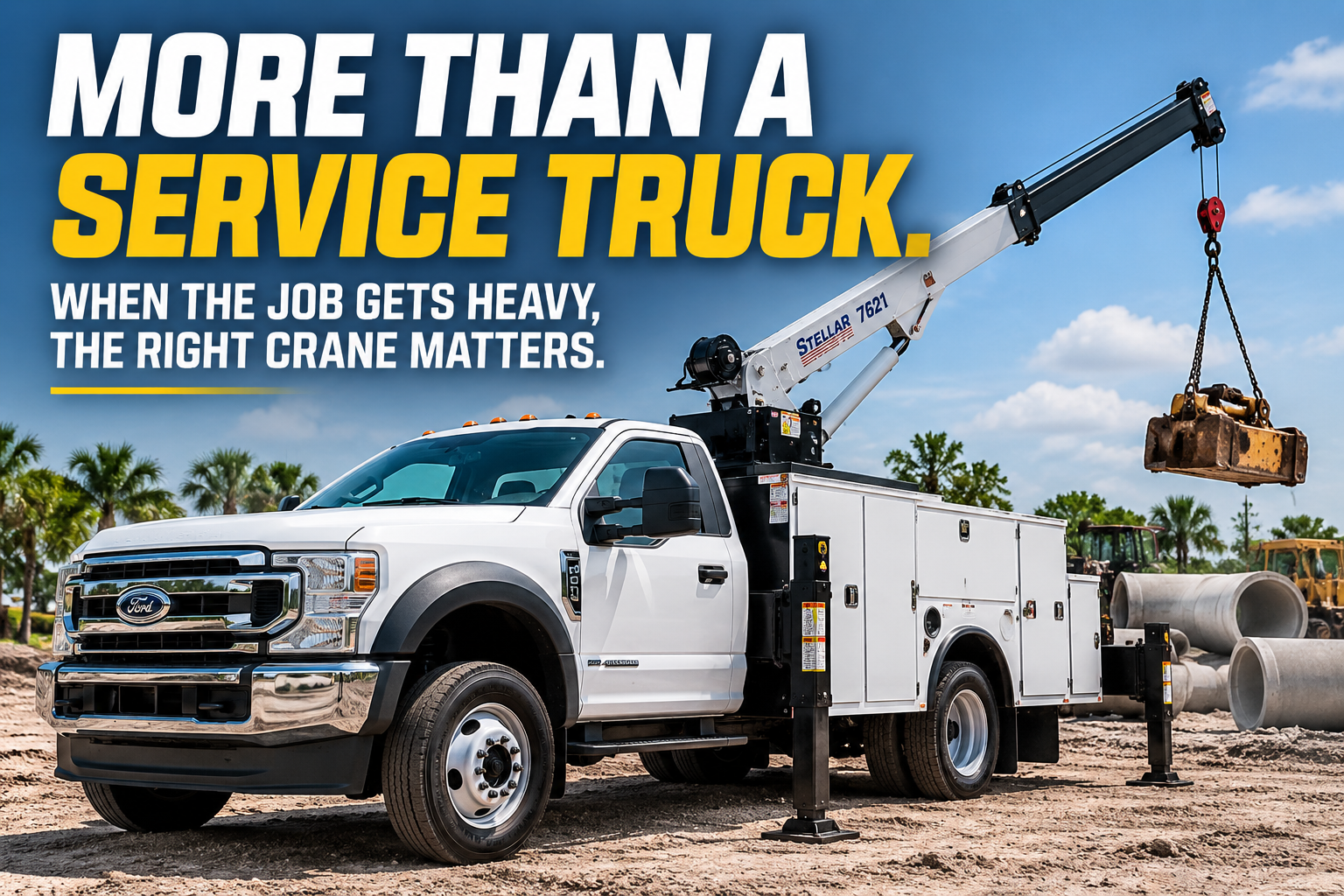
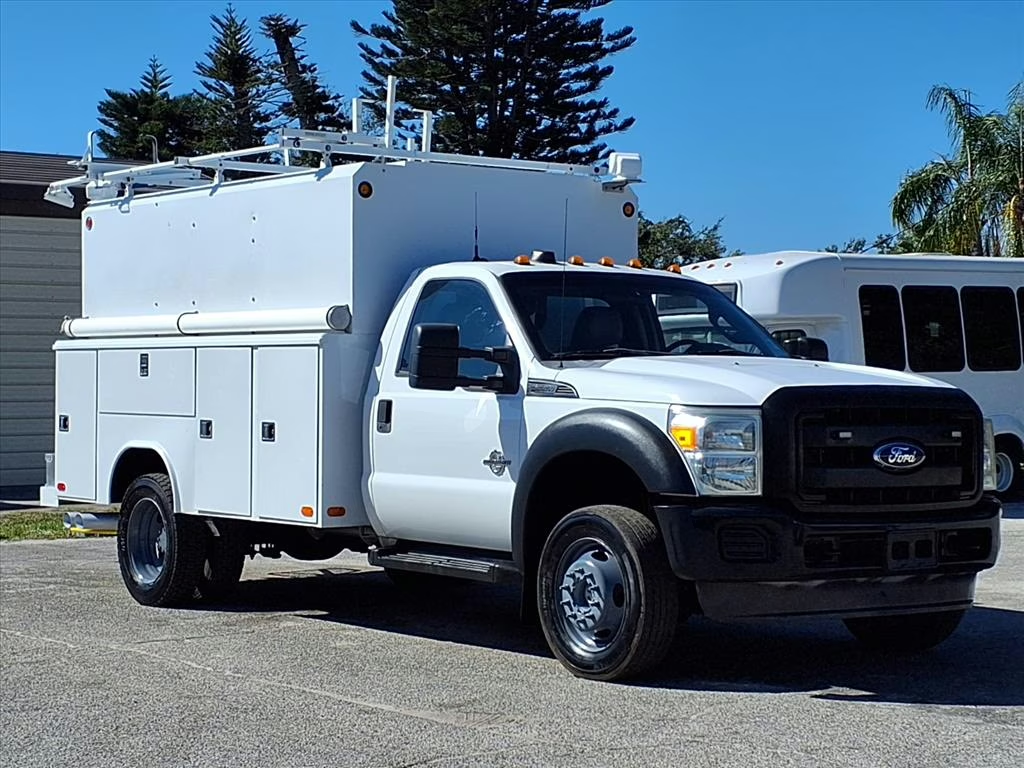
Compare used service body trucks, used box trucks or cargo vans by configuration. Confirm the completed vehicle’s ratings for your crew, equipment and load; an empty compartment is not evidence of available payload.
Reconditioning Can Change the Purchase Comparison
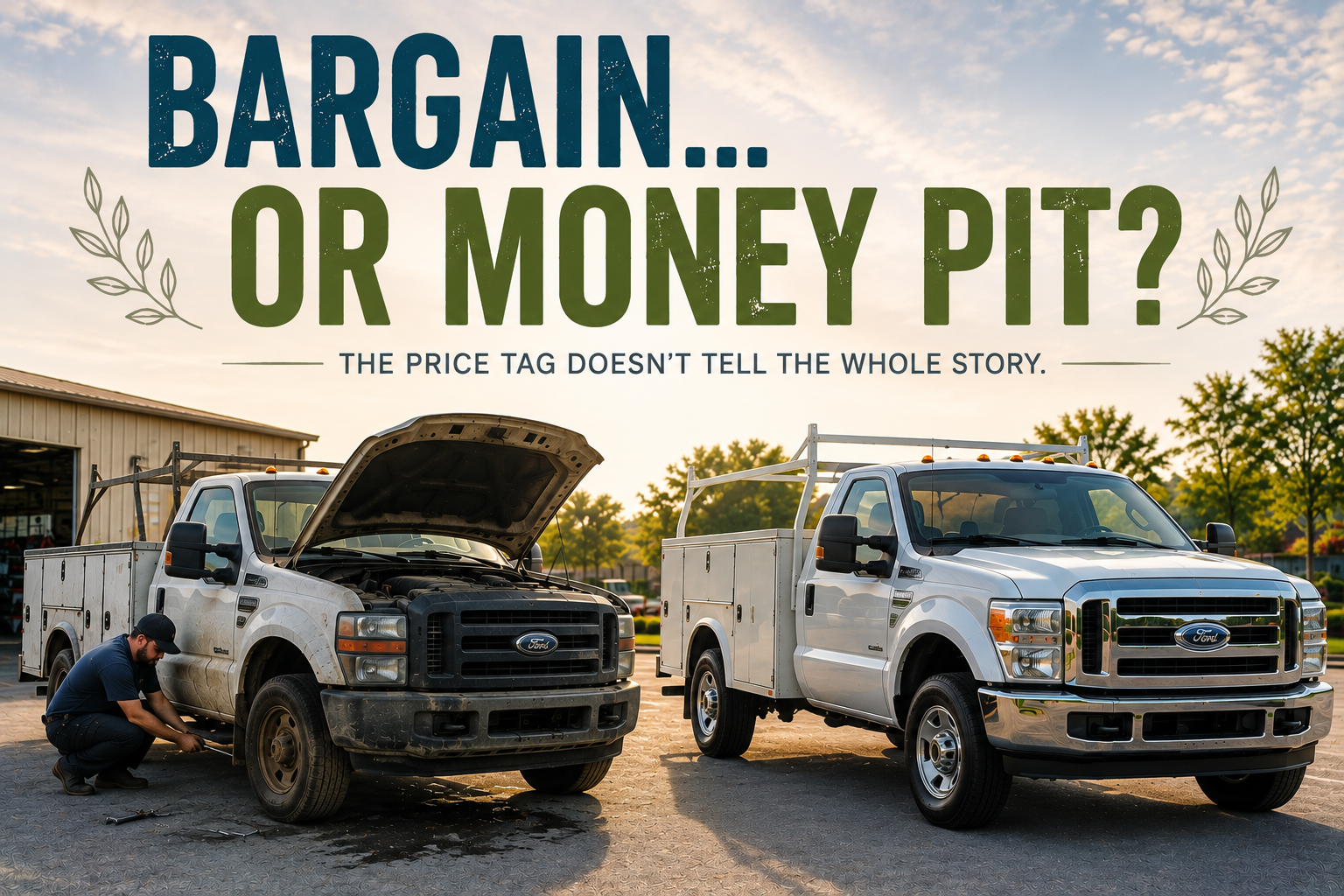
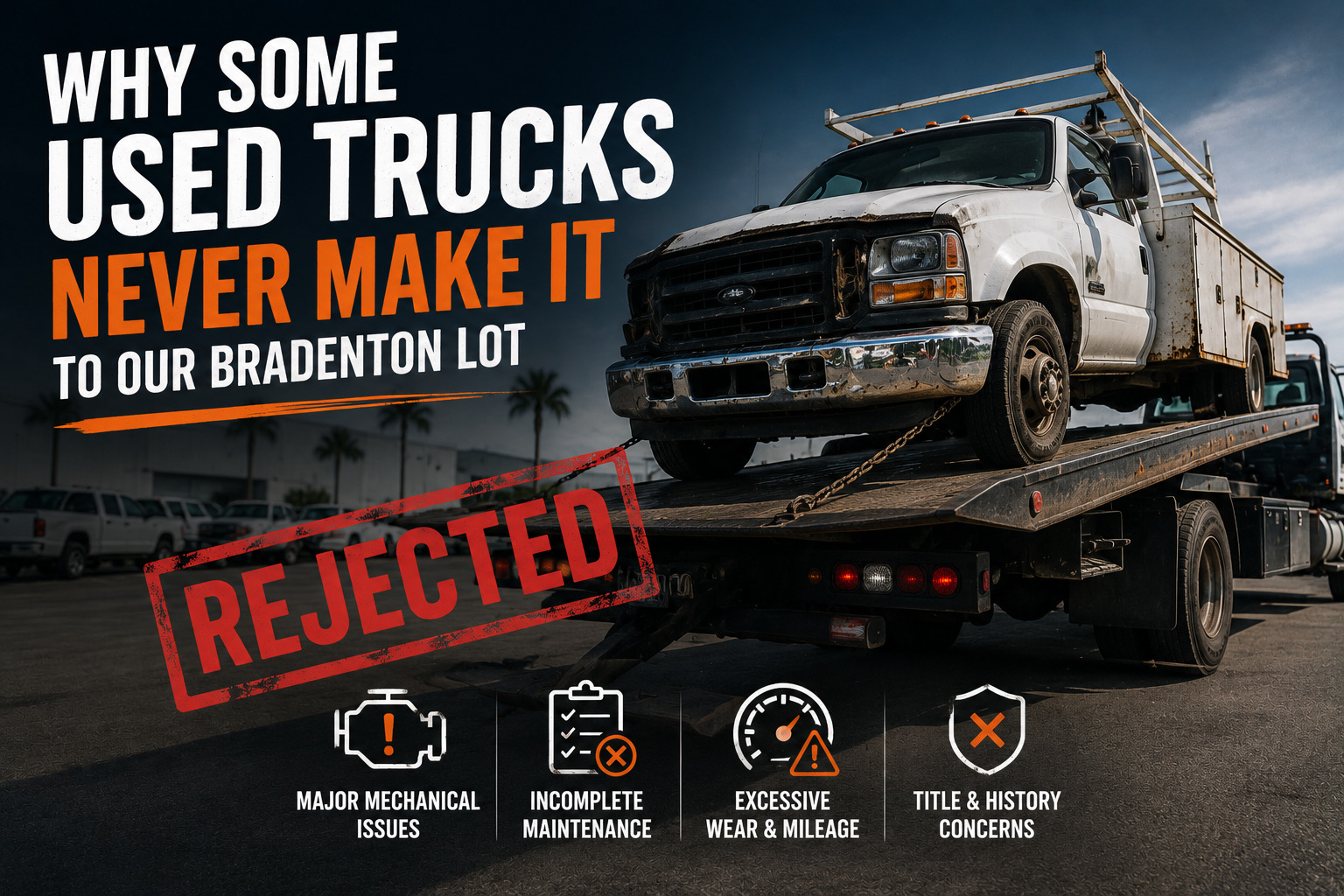
A former fleet vehicle may arrive with sound fundamentals but still need mechanical work, tires, interior repairs or attention to its commercial body. Ask what the selling dealer addressed before offering it for sale. A wash and a polished photograph cannot answer those questions.
SRQ Auto invests in commercial-vehicle reconditioning with employees who understand work-truck bodies and equipment. Depending on the vehicle’s needs, preparation may include mechanical inspection and service, replacement tires, windshields, headlights or upholstery, paint, frame and compartment refinishing, Raptor Liner treatments, and deep cleaning of shelving and cargo areas.
Liftgates, ramps, doors, lighting and other installed commercial equipment need attention appropriate to the configuration. Ask what was completed on the particular vehicle, what equipment is included and what remains to be discussed. Our Job Ready Promise reflects preparation for the next owner; it does not promise that a used vehicle will never need repairs.
Compare Total Purchase-Ready Cost
Fleet history does not guarantee a discount, and there is no universal percentage by which former fleet vehicles should cost less. Compare similar vehicles using age, mileage, condition, body configuration, equipment and completed reconditioning.
Add the purchase figures to any immediate work, missing equipment, transport and installation costs your operation expects. Consider when the truck can realistically enter service. A lower-priced vehicle can still be a sensible choice when those needs are understood; a more expensive one must justify its value through condition and fit.
Use a simple worksheet for each finalist: documented history, inspection findings, included equipment, completed repairs, remaining work and total purchase figures. Mark unknown items clearly. Written answers make it easier to compare vehicles without giving one seller’s fleet-maintenance description more weight than another seller’s documented preparation.
Plan Financing, Coverage and Remote Purchasing
SRQ Auto offers Tailored Commercial Financing, subject to lender approval and applicable terms. Discuss the vehicle and business requirements before assuming a particular down payment, rate or financing structure will be available.
Ask about available commercial vehicle warranty and service contract options. Review eligibility, covered components, exclusions, deductibles and claim procedures. Maintenance, wear and downtime costs need separate consideration; no contract covers every possible expense.
For buyers outside Bradenton, request current photos, a walkaround and answers about both the chassis and upfit. Remote documents and nationwide delivery are available, with requirements, transport costs and timing discussed for your transaction. Resolve inspection questions before arranging delivery.
Frequently Asked Questions About Buying Fleet Vehicles
Is it bad to buy a former fleet vehicle?
No. Evaluate the individual vehicle’s condition, records, previous use and suitability. Fleet ownership alone is not a reason to buy or reject it.
How long will a used fleet truck last?
There is no reliable lifespan promise for every fleet truck. Age, use, maintenance, current condition and future workload all affect the ownership outlook. Inspect the truck and budget for ongoing maintenance.
Can I buy one work truck rather than a whole fleet?
Yes. SRQ Auto works with individual business-vehicle buyers as well as organizations purchasing multiple units. Availability and configurations change, so check the current listings.
Find Your Next Commercial Vehicle in Bradenton
Tell us what you carry, how many employees need seating and where the vehicle will work. We serve Bradenton, Sarasota, Lakewood Ranch and Tampa Bay, along with remote buyers nationwide.
Learn about SRQ Auto, read our customer reviews, then browse current commercial vehicles. Call (941) 214-2231 or get directions to our Bradenton dealership to discuss the next step.