Isuzu NPR Buying Guide: Gas vs. Diesel, Body Styles, GVWR & What Businesses Should Know

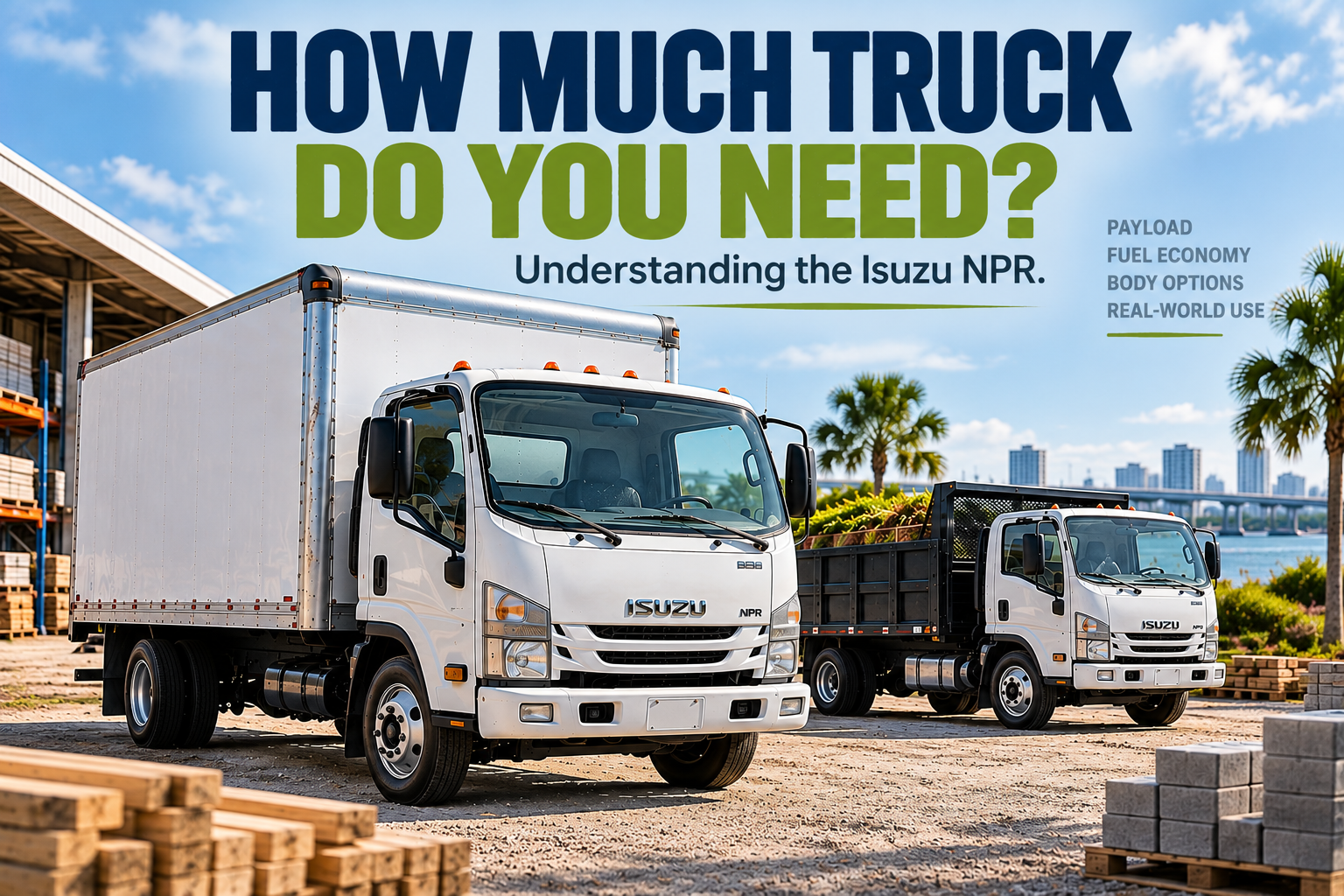
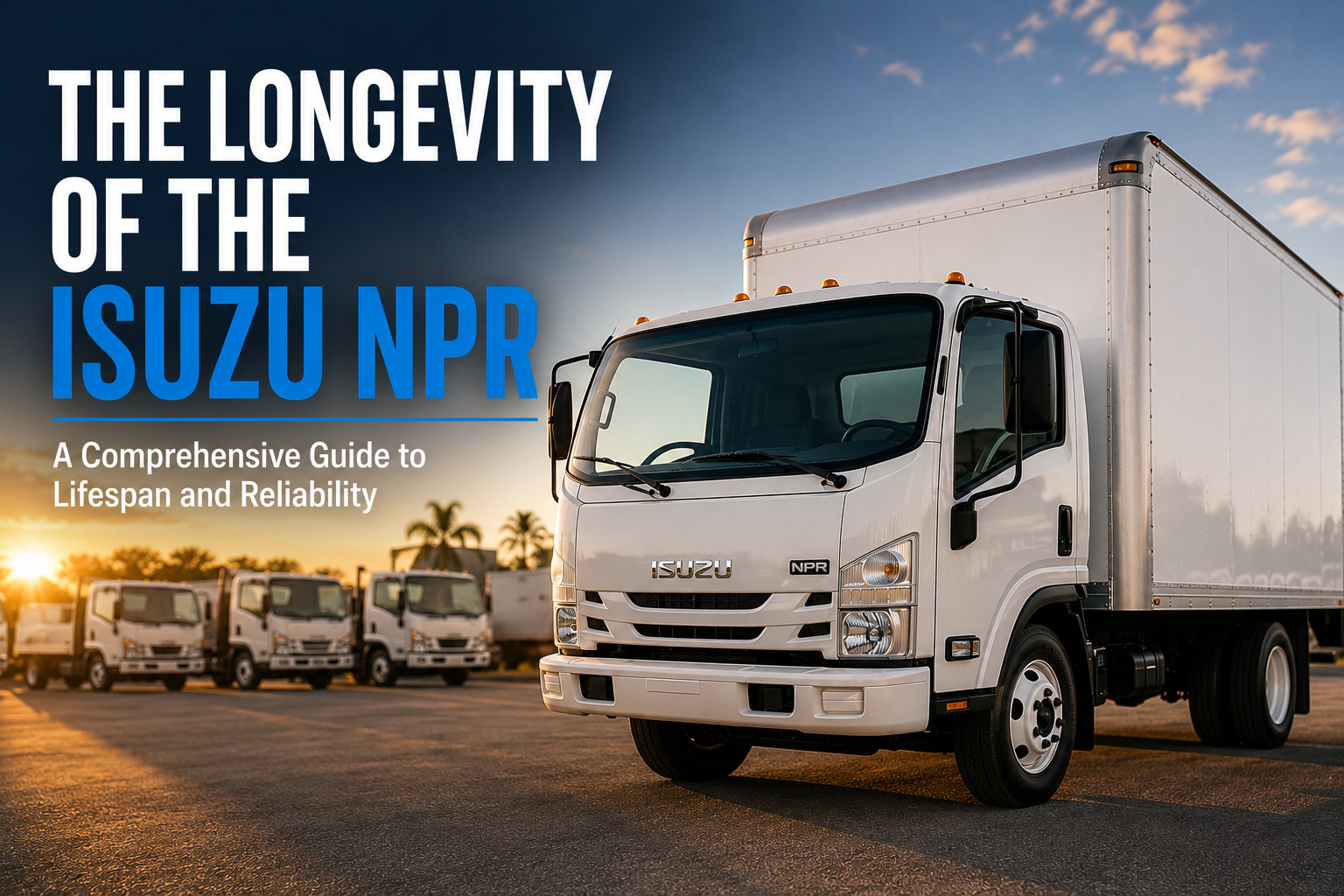
The Isuzu NPR has become a familiar sight in commercial fleets because its low-cab-forward design can support a wide range of bodies while keeping the overall truck relatively compact. But buying a used NPR requires more than choosing gas or diesel and deciding how long the body should be.
The right Isuzu NPR is the one whose chassis, GVWR, body, powertrain and condition fit the work your business actually performs.
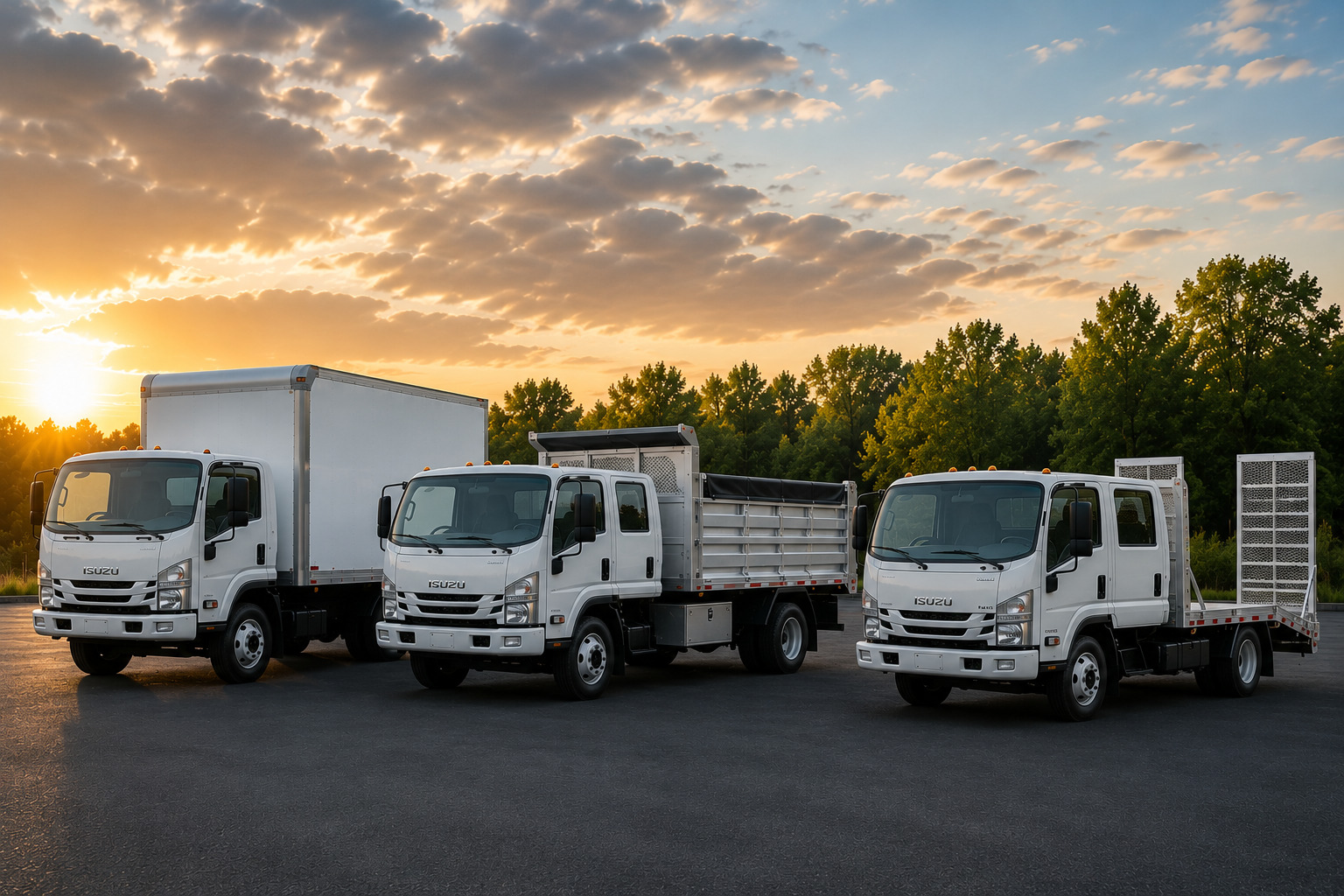
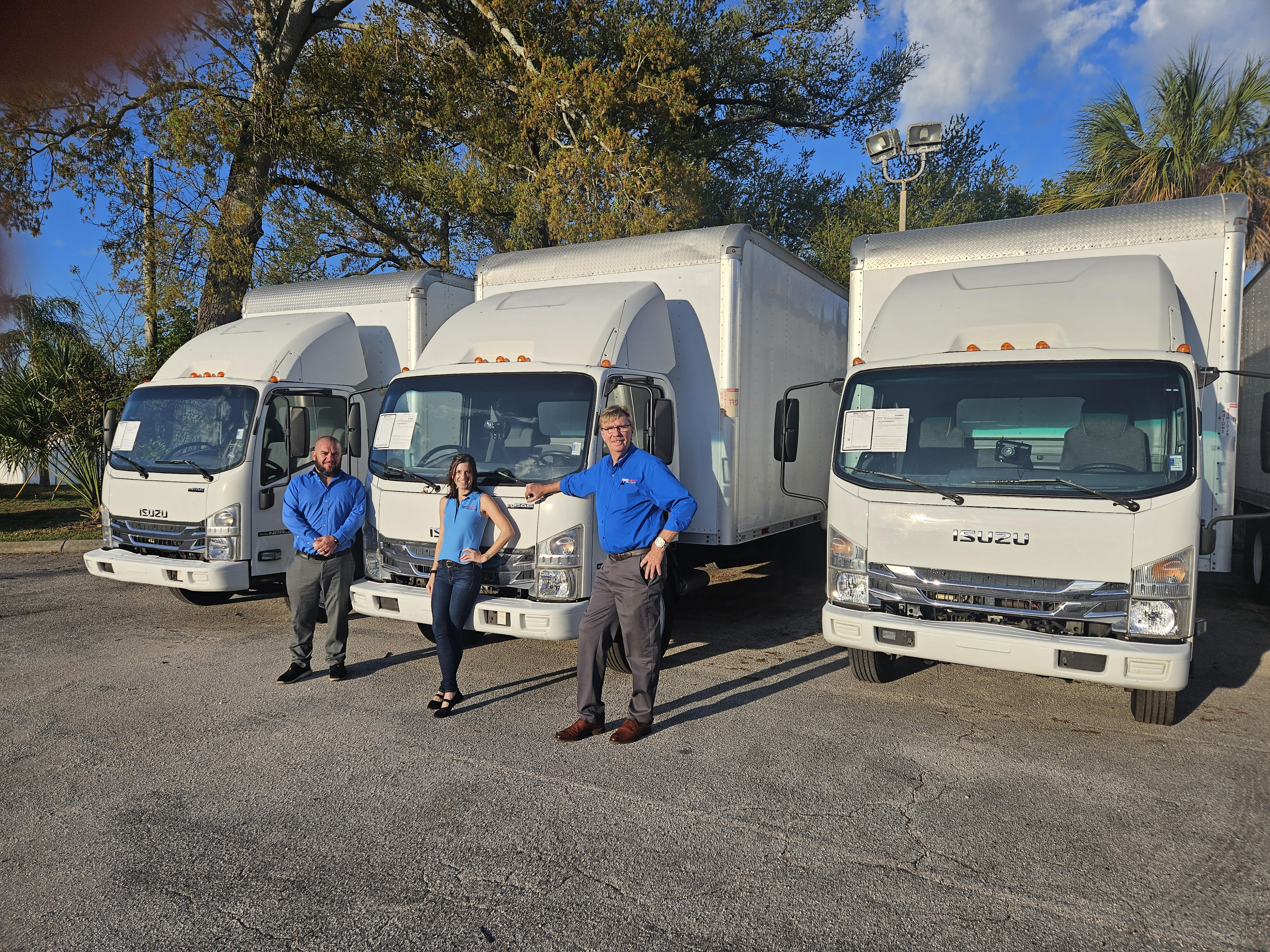
At SRQ Auto, we see NPRs configured as box trucks, landscape trucks, dumps, dovetails and other specialized commercial vehicles. That variety is one of the platform's strengths—but it also means buyers need to evaluate the complete truck, not just the Isuzu badge.
Browse SRQ Auto's current commercial inventory.
What Is an Isuzu NPR?
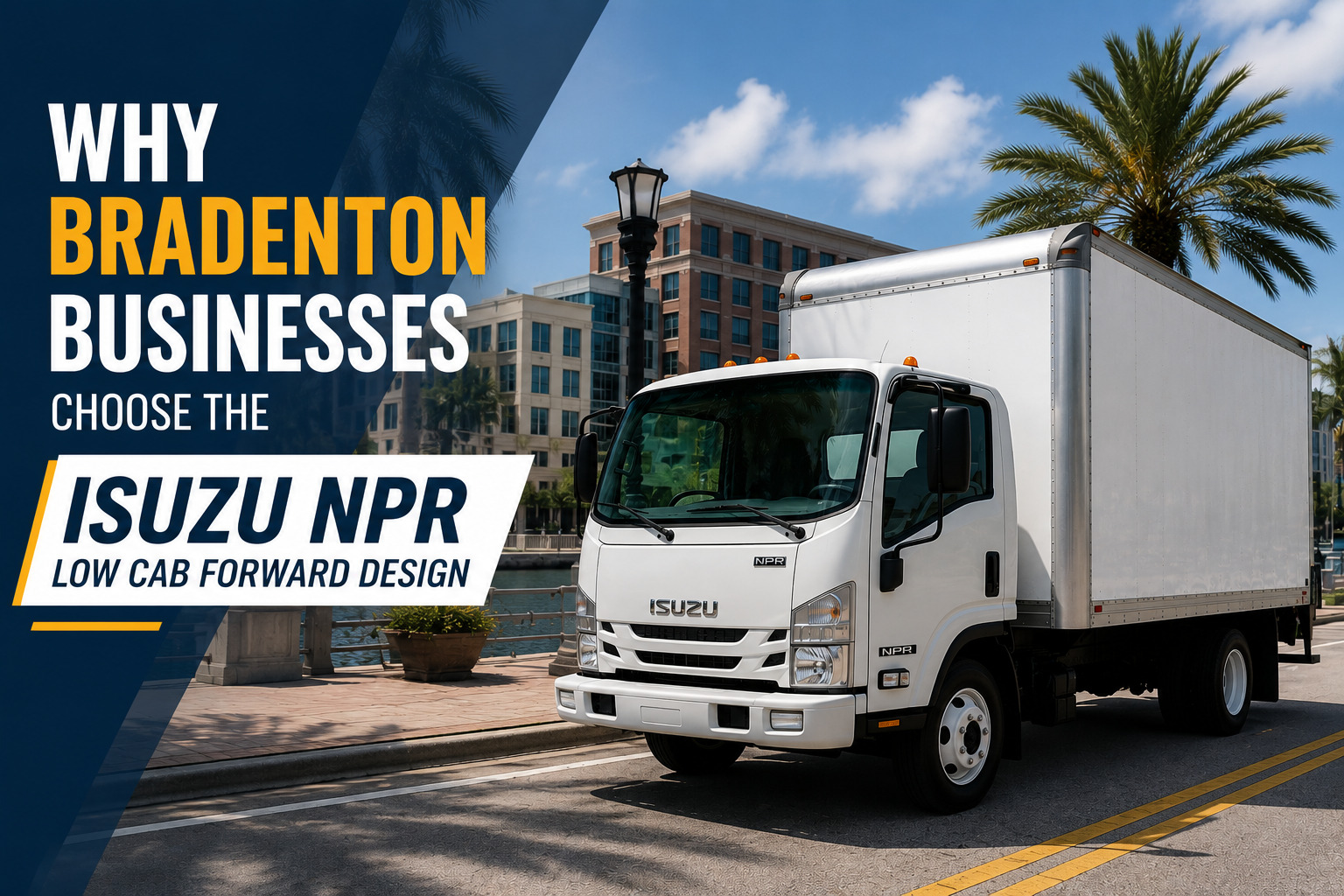
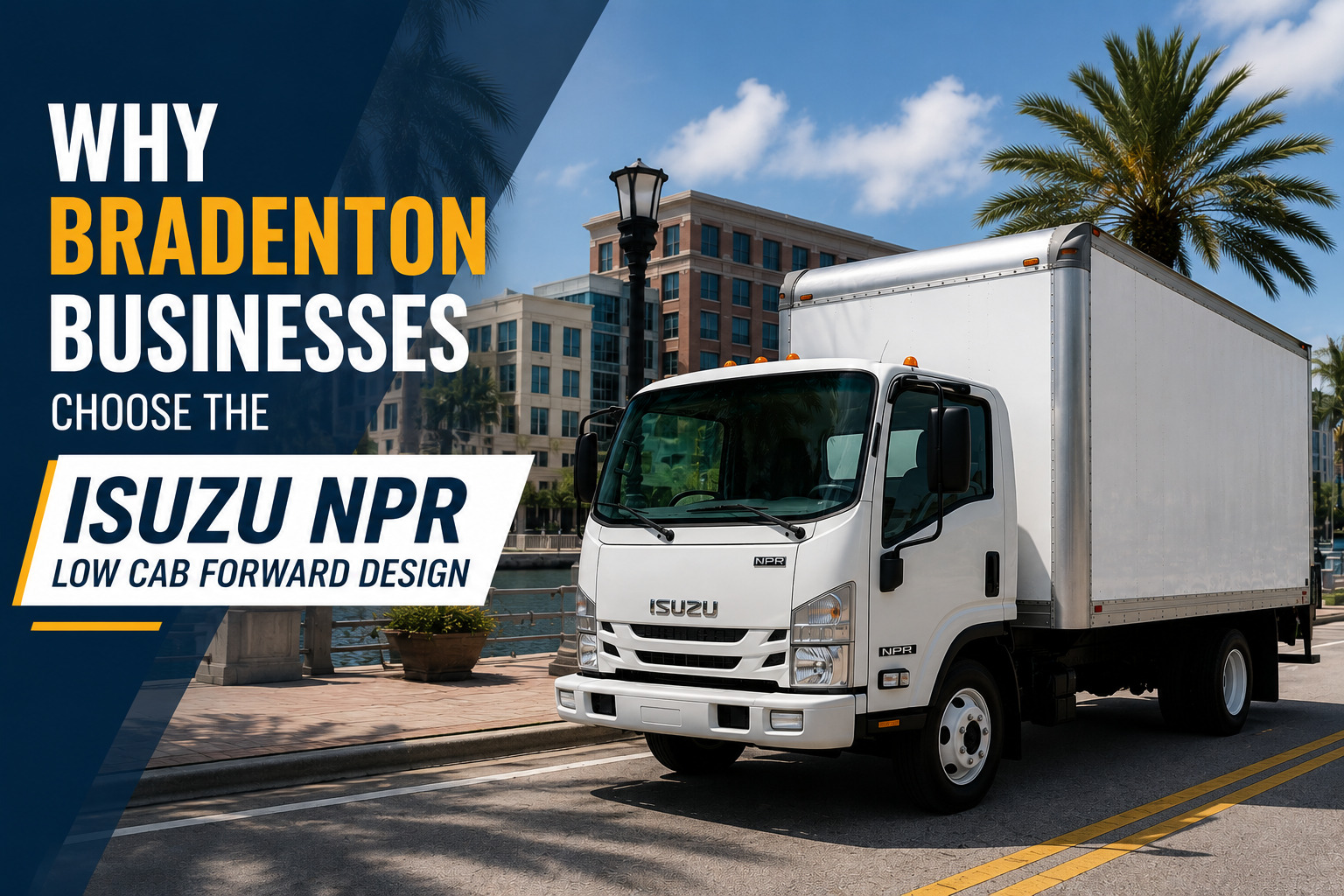
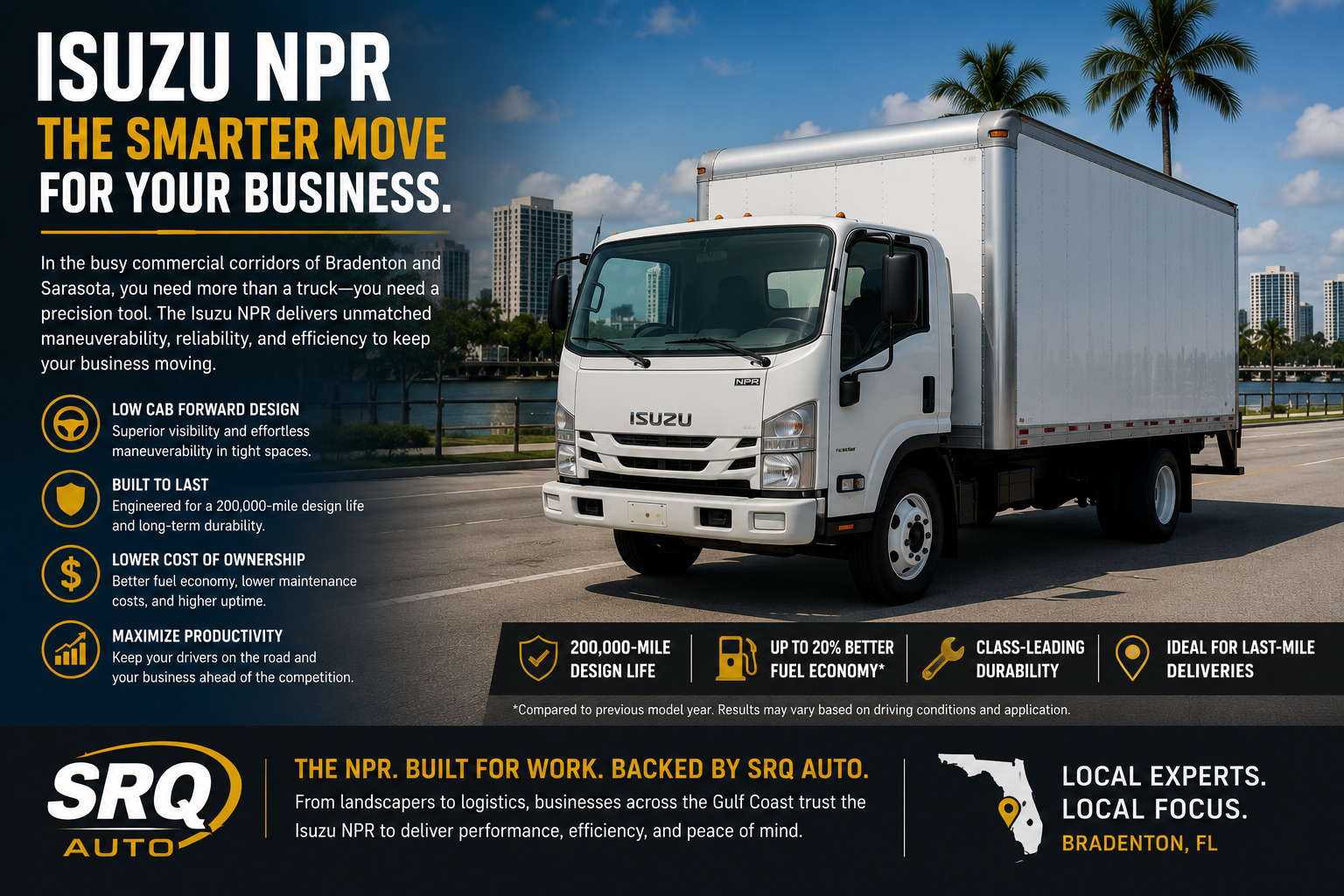
The Isuzu NPR is a low-cab-forward commercial truck platform. Unlike a conventional truck with the engine compartment extending in front of the cab, the NPR places the cab over the front axle area.
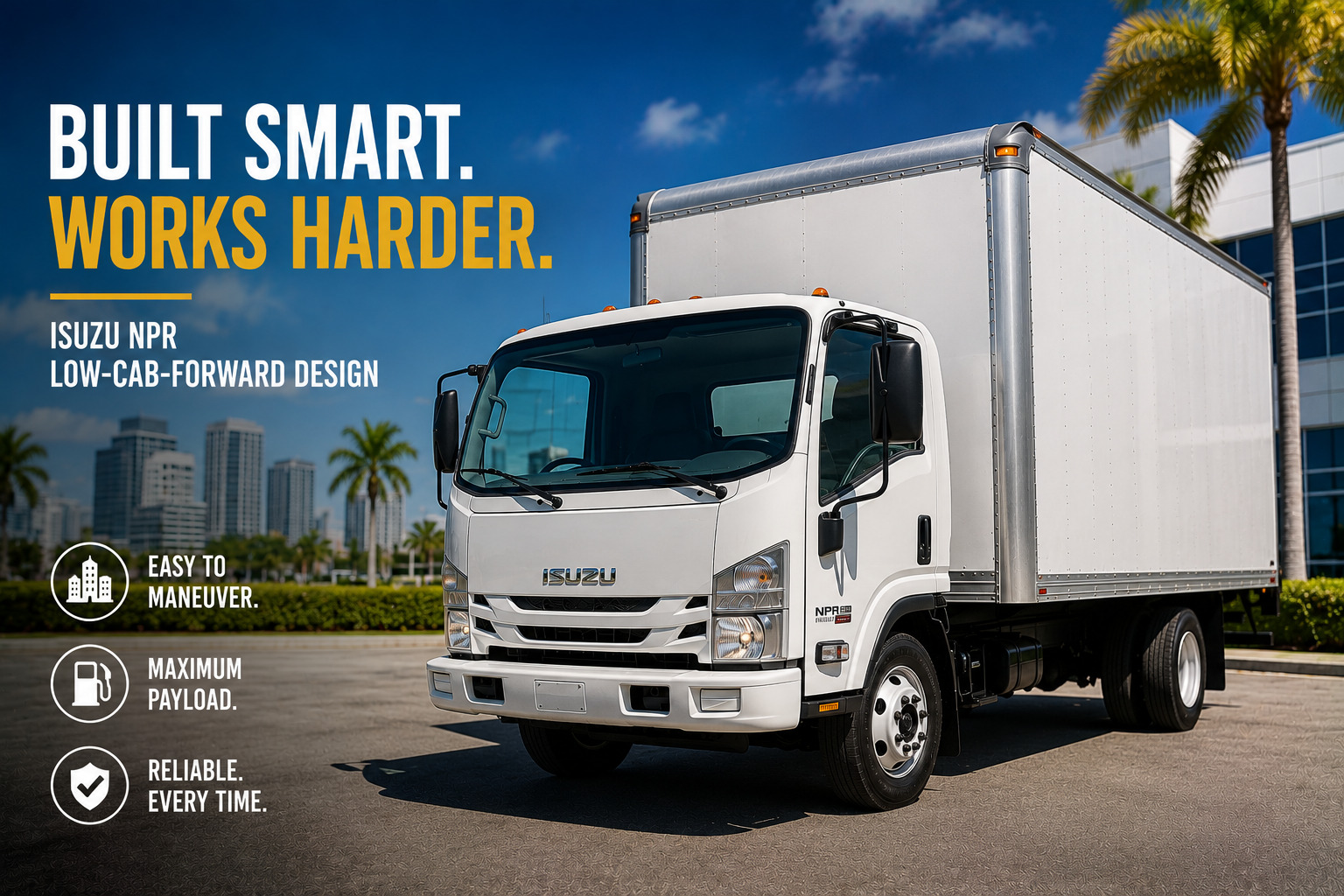
That layout can provide excellent forward visibility and a relatively compact overall footprint for the amount of body space behind the cab. Those characteristics can be useful for delivery routes, commercial properties, neighborhoods and businesses that need cargo capacity without unnecessarily increasing overall vehicle length.
Expert Perspective: Jeff Reece, Inventory Manager & Buyer
Jeff Reece has 36 years of automotive experience and serves as SRQ Auto's Inventory Manager and Buyer. His background includes commercial vehicle acquisition, valuation, automotive parts, chassis and upfit evaluation, condition assessment, reconditioning-cost considerations, dealership logistics and nationwide shipping.
When evaluating a used NPR, the model name and mileage are only the beginning. The body installed on the chassis, previous commercial use, maintenance history, mechanical condition and the amount of reconditioning still required can materially change the value of two otherwise similar trucks.
With a commercial truck, evaluate the complete working asset: chassis + body + equipment + condition.
Why Do Businesses Choose a Cab-Over Truck?
- Forward visibility: The driver sits close to the front of the vehicle.
- Compact packaging: More of the truck's overall length can be devoted to the commercial body.
- Maneuverability: The configuration can work well on routes where turning and positioning matter.
- Body flexibility: NPR chassis can be paired with several commercial body types.
Those benefits do not make a cab-over automatically better than a conventional cab. Driver preference, route type, service requirements, body configuration and payload needs should all be considered.
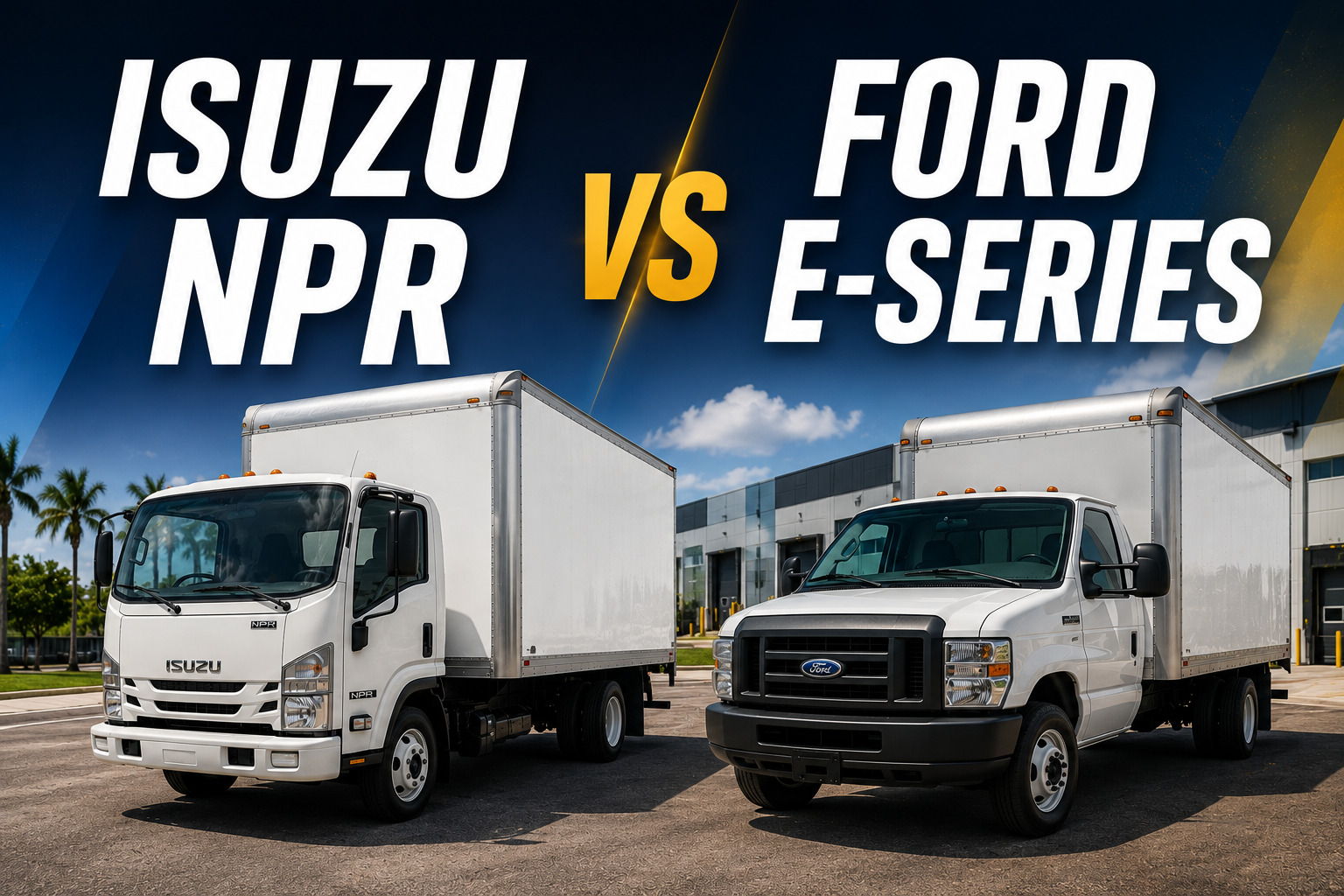
Isuzu NPR Gas vs. Diesel: Which One Should You Buy?
There is no universal answer. The right choice depends on the specific truck and the way your business will operate it.
When comparing gas and diesel NPRs, consider annual mileage, route type, idle time, expected payload, service availability, maintenance history and how long you expect to keep the vehicle.
For a used truck, current condition matters enormously. A properly maintained gas truck may be a better purchase for one business than a neglected diesel truck—and the reverse can also be true.
Do not let the gas-vs.-diesel debate replace an inspection of the actual truck.
What Is the Difference Between an NPR and NPR-HD?
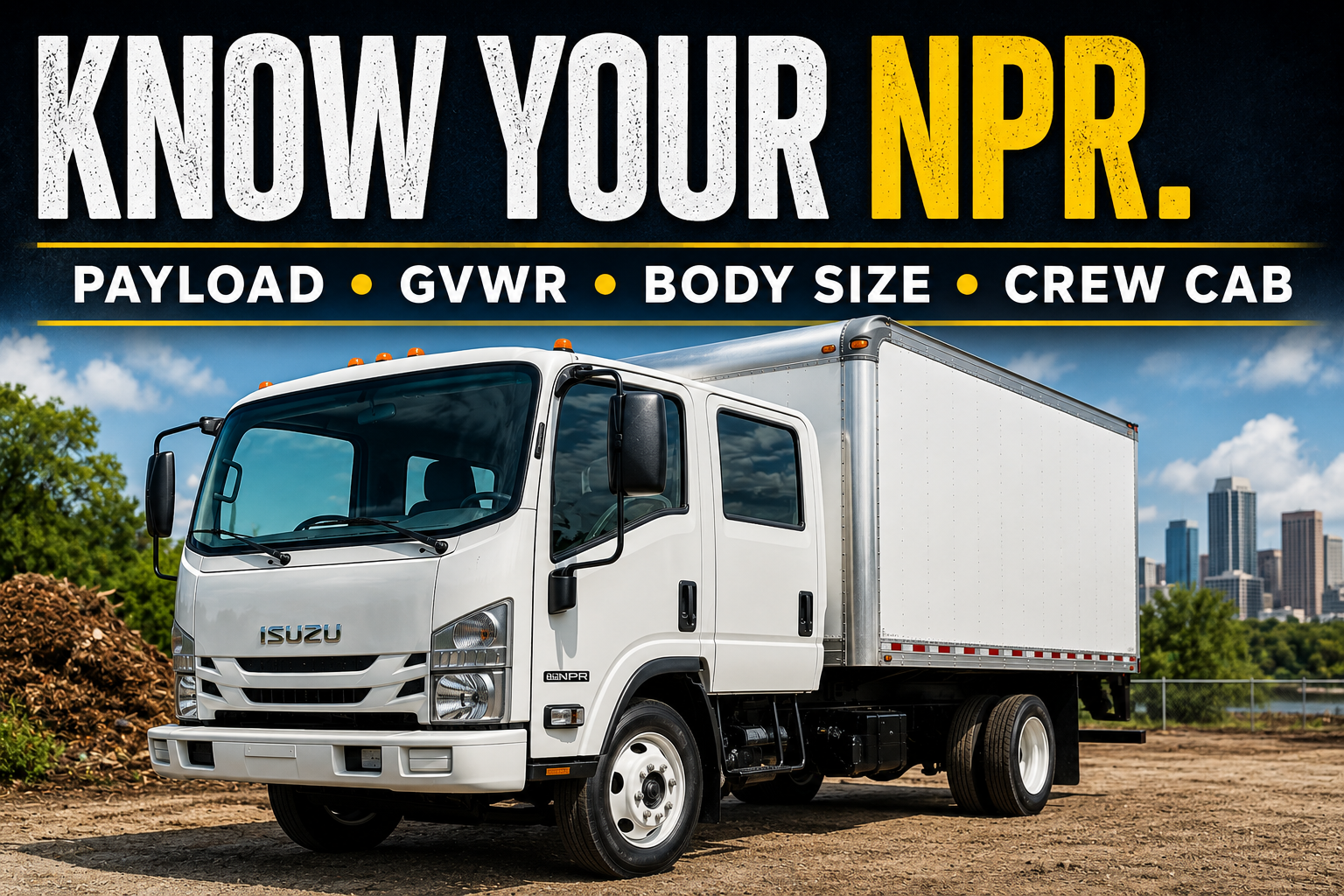
Isuzu NPR configurations can have different weight ratings and chassis specifications. An NPR-HD designation generally indicates a heavier-duty configuration than an NPR, but buyers should verify the specific vehicle's certification labels and specifications rather than relying only on the badge or listing title.
GVWR vs. Payload: What Should an NPR Buyer Know?
GVWR is the maximum rated weight of the complete loaded vehicle. Payload is not simply the GVWR printed in a specification chart.
The completed truck already has weight from the chassis, body and installed equipment. A box body, liftgate, hydraulic dump, dovetail structure, shelving and other equipment can substantially change how much capacity remains for cargo.
Two NPRs with similar model designations can have very different usable payload depending on their configuration.
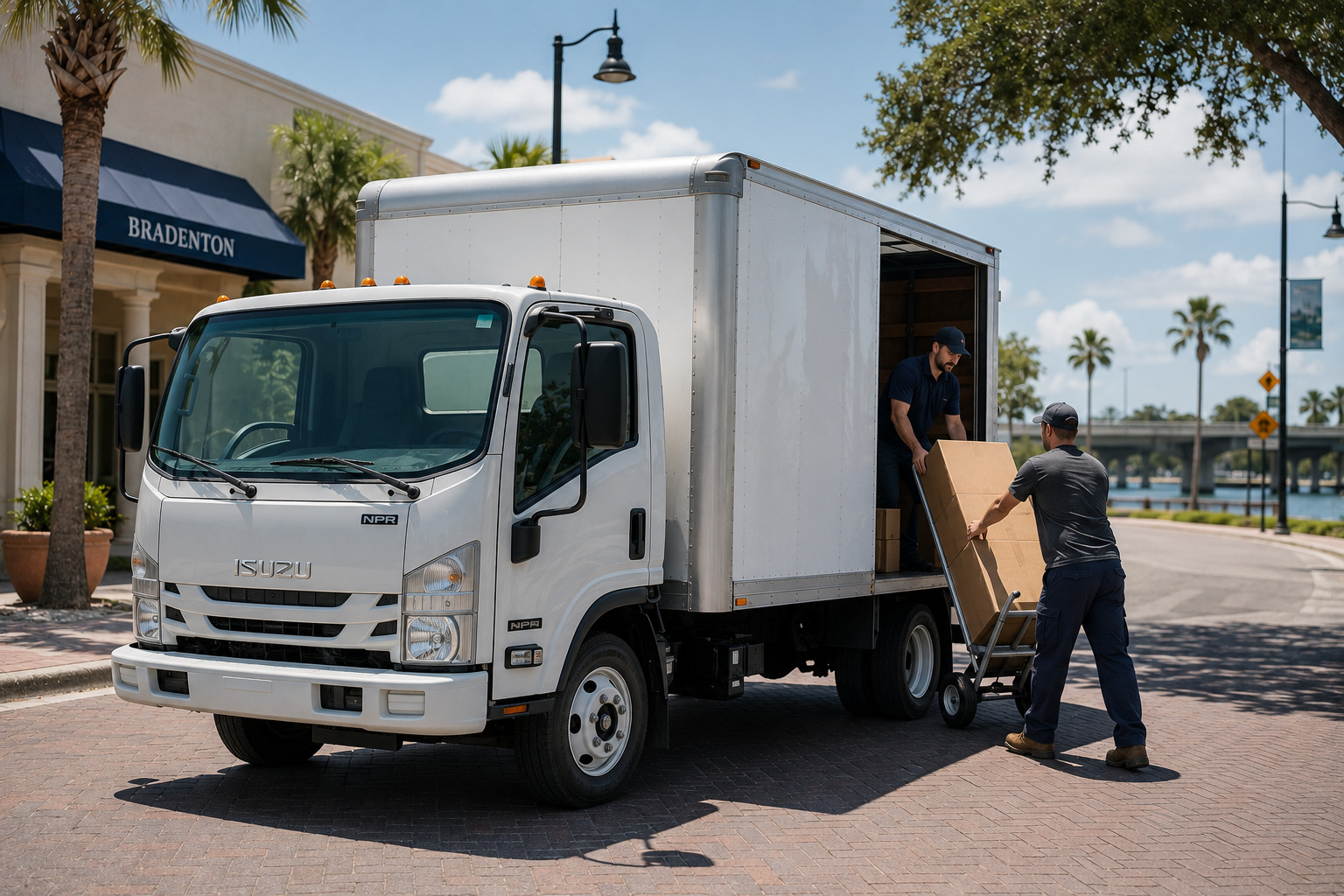
Why Is the Isuzu NPR Popular as a Box Truck?
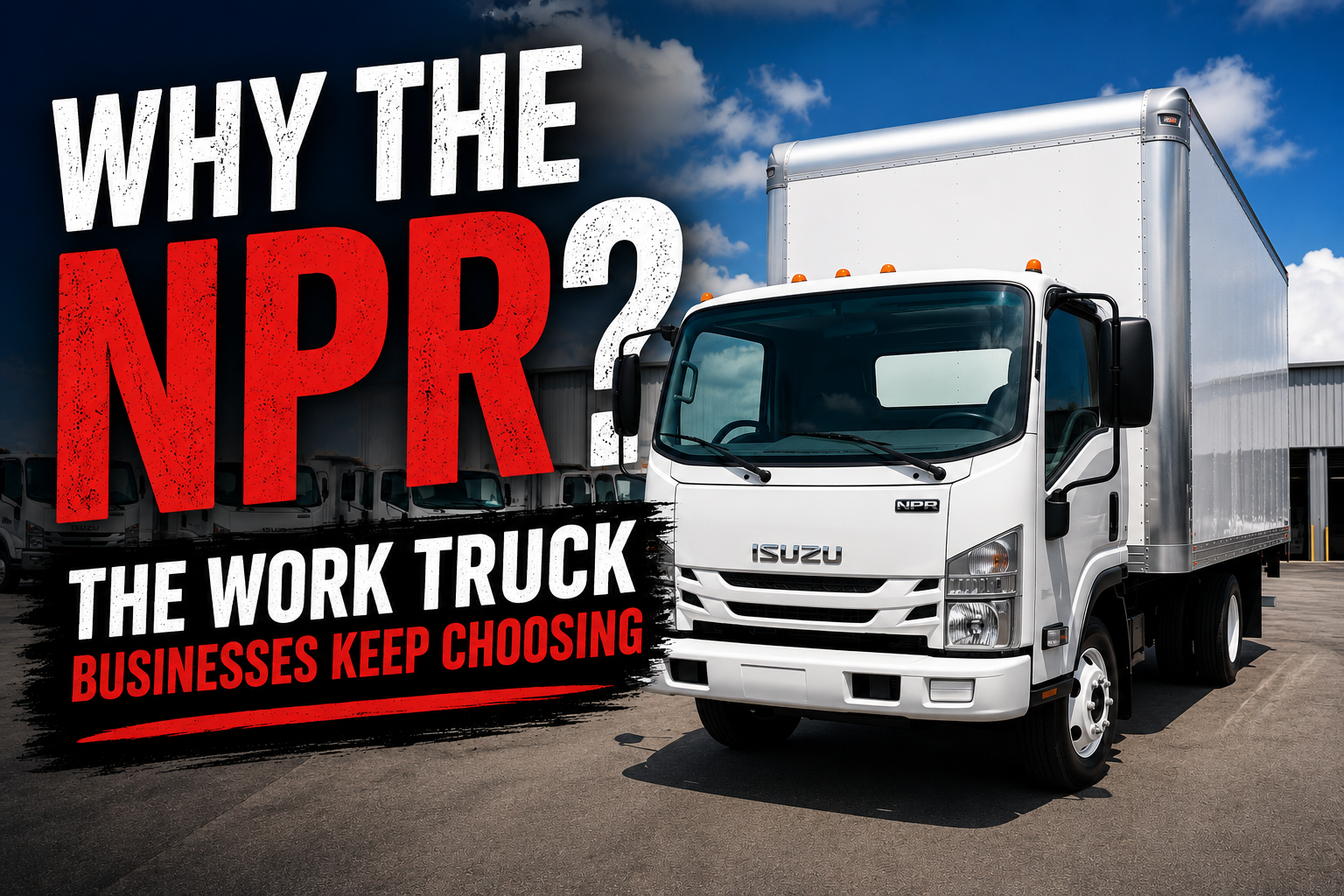
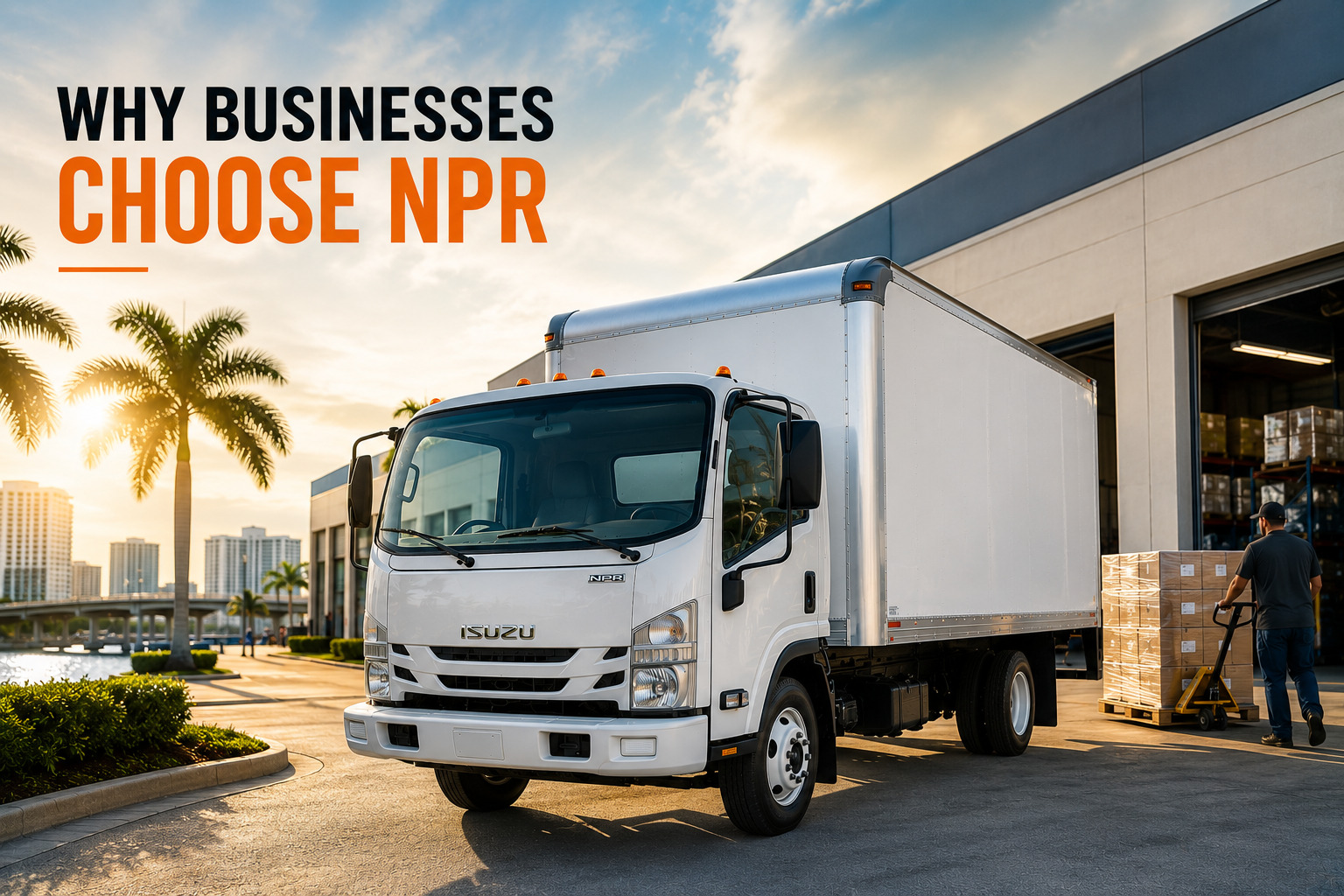
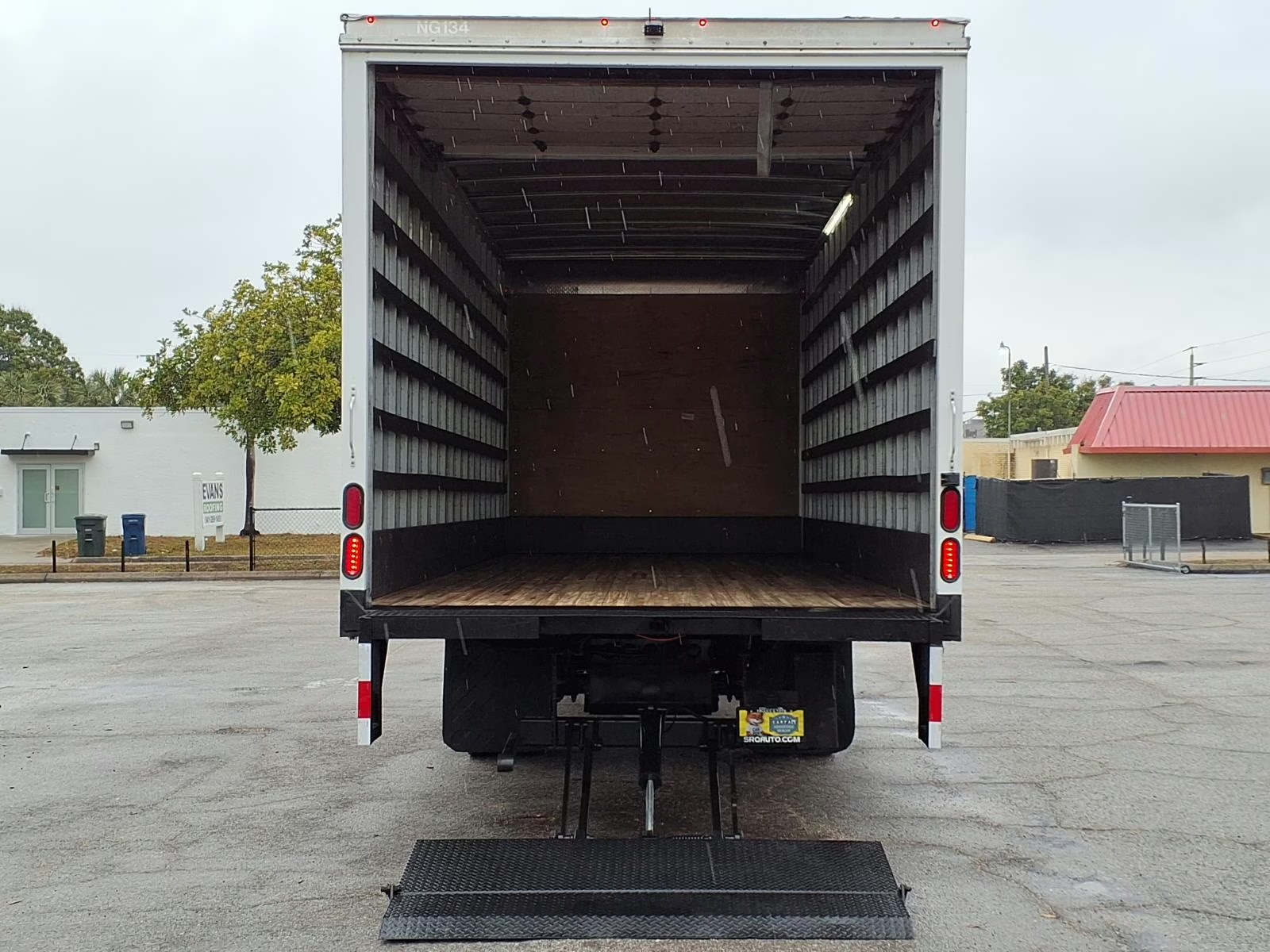
The low-cab-forward design can package a substantial cargo body behind a relatively compact cab, making NPR box trucks useful for local and regional delivery applications.
SRQ Auto frequently works with 16-foot box configurations, including trucks equipped with liftgates. Buyers should consider payload, box condition, rear-door configuration, floor condition, roof and wall integrity, and whether a liftgate or ramp fits the loading environment.
Browse Current Box Trucks for Sale.
Is an Isuzu NPR a Good Landscape Truck?
The NPR platform can also support landscape dump and dovetail bodies. A landscape dump can be useful for businesses hauling mulch, soil, brush, clippings and debris. A dovetail can prioritize transporting mowers and landscaping equipment.
Our Landscape Dump vs. Dovetail Truck guide explains that decision in more detail.
What Other Bodies Can Be Installed on an NPR?
Depending on chassis specifications and application, low-cab-forward trucks can be paired with box bodies, dumps, landscape bodies, dovetails, flatbeds and other vocational configurations. The chassis and body must be appropriate for the intended weight, dimensions and commercial use.
Are Isuzu NPR Trucks Reliable?
Reliability is one of the most common searches surrounding the NPR, but it should not be reduced to a simple yes-or-no label.
Used commercial trucks can accumulate very different types of wear. Maintenance history, previous use, engine hours when available, current mechanical condition and the quality of previous repairs all provide context.
That is why Jeff and the SRQ Auto team evaluate the individual truck rather than assuming every NPR with a certain mileage will provide the same ownership experience.
What Are Common Areas to Inspect on a Used Isuzu NPR?
- Engine and cooling system: Check current operating condition and available maintenance history.
- Transmission: Evaluate operation and service history where available.
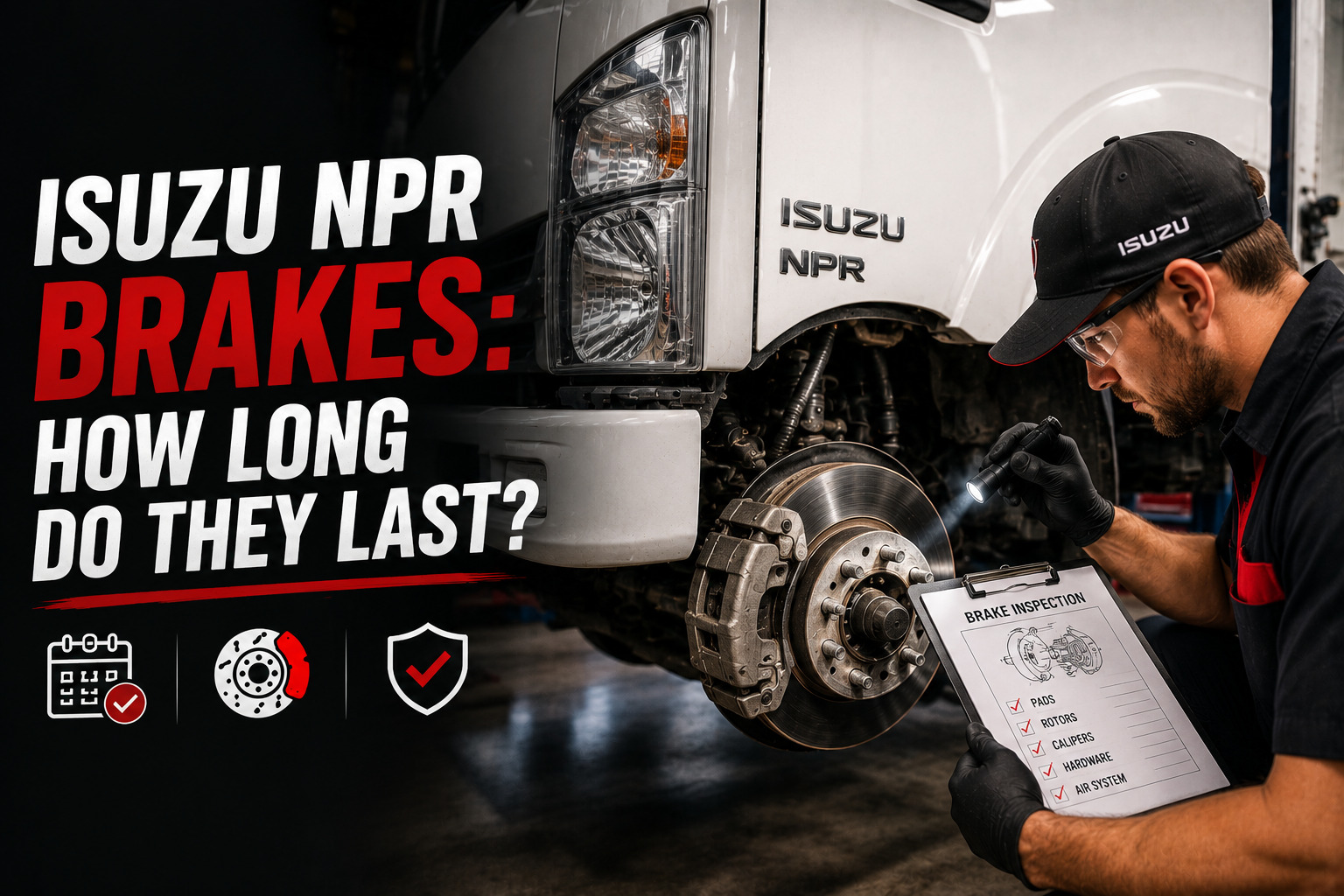
- Brakes: Commercial stop-and-go use can make brake condition particularly important.
- Tires: Verify condition, age and appropriate commercial specification.
- Steering and suspension: Consider previous payload and route use.
- Frame and chassis: Inspect condition and evidence of previous repairs or hard use.
- Cab: Check driver-seat wear, controls, HVAC and general condition.
- Commercial body: Inspect the box, dump, dovetail or other upfit as its own piece of working equipment.
What Does Jeff Look for When SRQ Auto Buys an NPR?
Acquisition begins with whether the truck makes sense as a commercial vehicle—not simply whether the year, mileage and auction price look attractive.
That means considering chassis configuration, body usefulness, previous fleet use, condition, mechanical needs and the likely cost of bringing the truck to SRQ Auto's retail standard.
A truck with the right body and strong maintenance history can be worth more to a business than a lower-mileage truck with a poorly matched upfit or substantial deferred work.
Why Reconditioning Matters on an Isuzu NPR
An NPR is a working truck. Years of deliveries, payload, equipment use and commercial routes can affect both the chassis and body.
SRQ Auto's Job Ready process focuses on the mechanical, functional and presentation needs identified on qualifying used commercial vehicles before they are offered to the next business.
Learn more about SRQ Auto's commercial vehicle reconditioning process.
Frequently Asked Questions About Isuzu NPR Trucks
What is an Isuzu NPR?
The Isuzu NPR is a low-cab-forward commercial truck platform used with several vocational body configurations, including box trucks and landscape bodies.
Is an Isuzu NPR gas or diesel?
Used NPR inventory can include gas and diesel configurations depending on model year and specification. Buyers should verify the exact truck and compare the powertrain with their route, mileage, maintenance and application needs.
Are Isuzu NPR trucks reliable?
Reliability depends on the individual truck's maintenance, previous use, age, mileage, operating conditions and current mechanical condition.
What is the difference between GVWR and payload on an NPR?
GVWR is the maximum rated loaded weight of the vehicle. Usable payload depends on the completed truck's actual weight after the chassis, body, equipment, fuel and other installed components are accounted for.
Is an Isuzu NPR good for a 16-foot box truck?
NPR chassis are commonly encountered with 16-foot box bodies. Whether a specific truck is right depends on its ratings, completed weight, cargo, loading equipment, route and condition.
What should I inspect before buying a used Isuzu NPR?
Evaluate the engine, transmission, cooling system, brakes, tires, steering, suspension, frame and cab, then inspect the commercial body and installed equipment separately.
Shop Job Ready Commercial Trucks at SRQ Auto
SRQ Auto specializes in fully reconditioned commercial vehicles for contractors, delivery companies, landscapers, fleets and businesses throughout Florida and nationwide.
Browse Current Commercial Inventory
Learn about Tailored Commercial Financing or complete our online credit application.
SRQ Auto has earned 550+ 5-Star Google Reviews. Read our customer reviews.