Buying a 16' Box Truck With a Liftgate: What Businesses Should Check Before They Buy
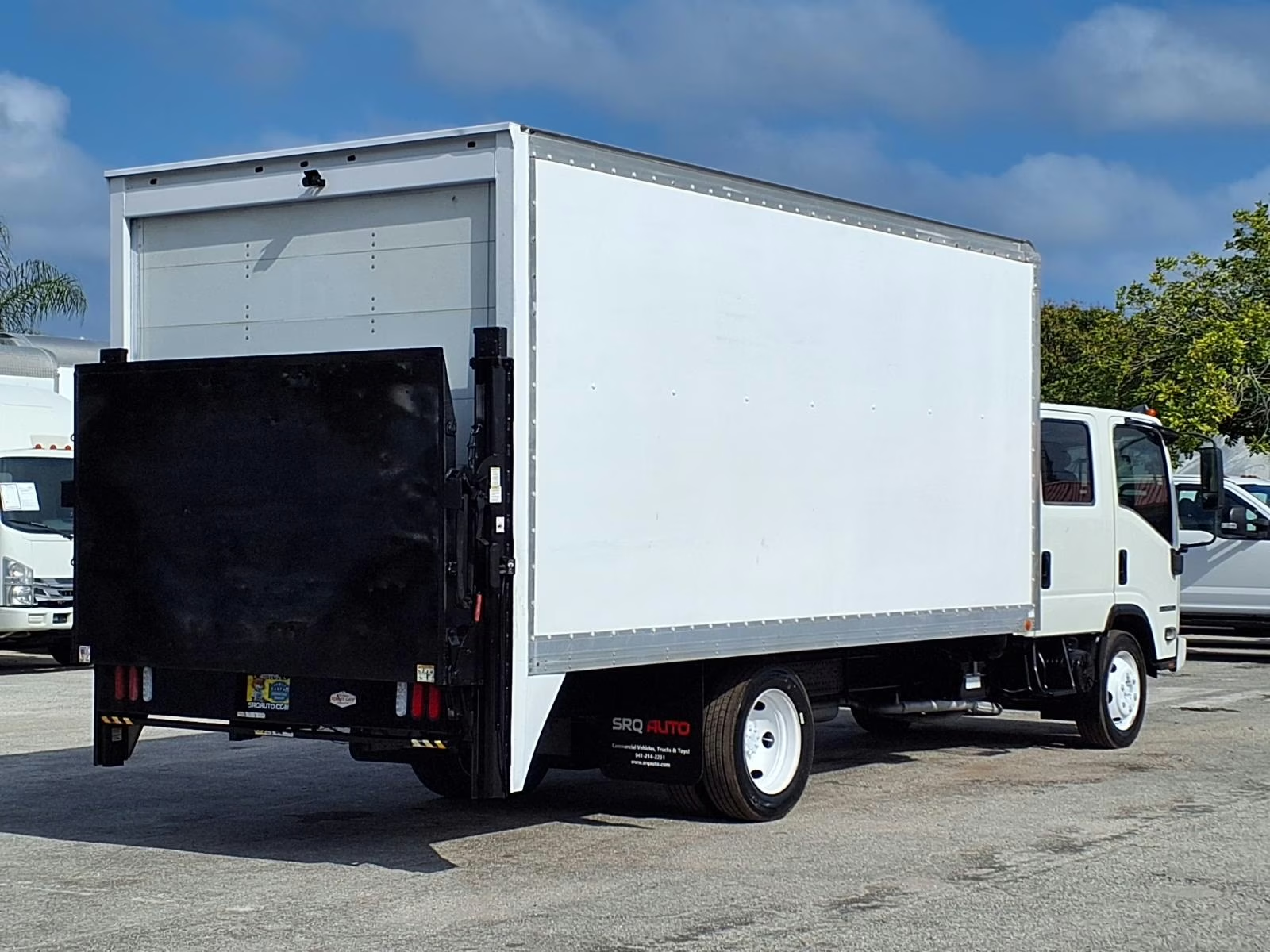
A 16' box truck with a liftgate can be one of the most useful configurations for a business that regularly moves pallets, equipment, appliances, furniture or other heavy cargo—but the box length and liftgate are only the beginning of the buying decision.
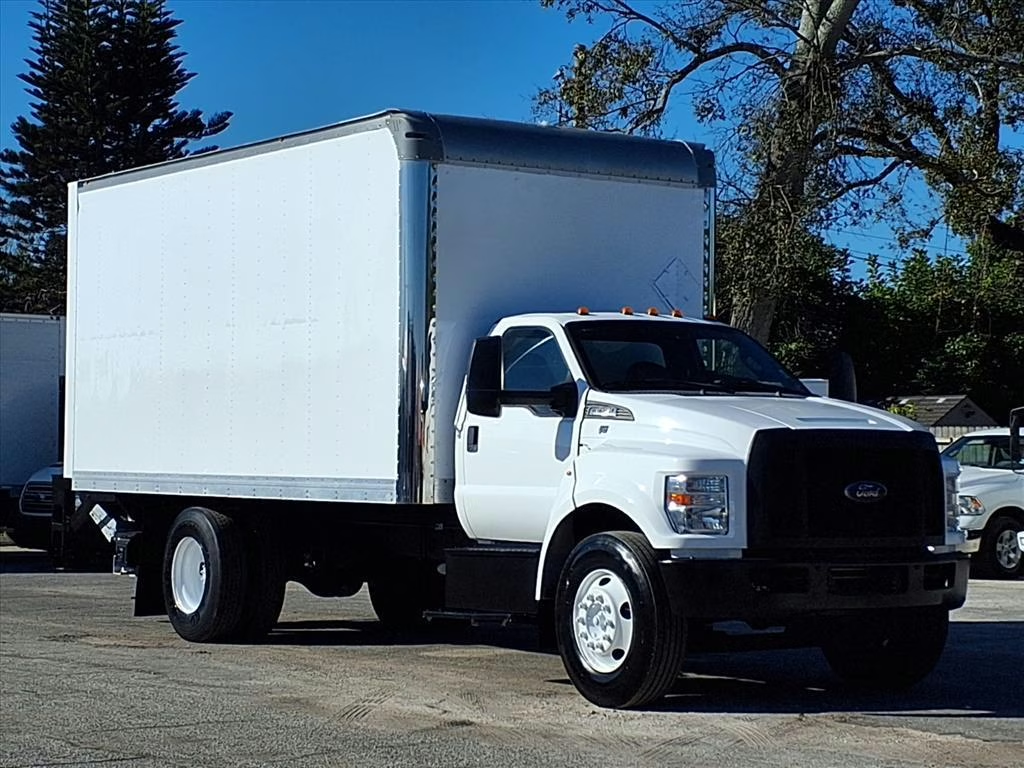
Two 16' box trucks can look nearly identical online and have very different payload capacity, loading equipment, chassis specifications and previous commercial use.
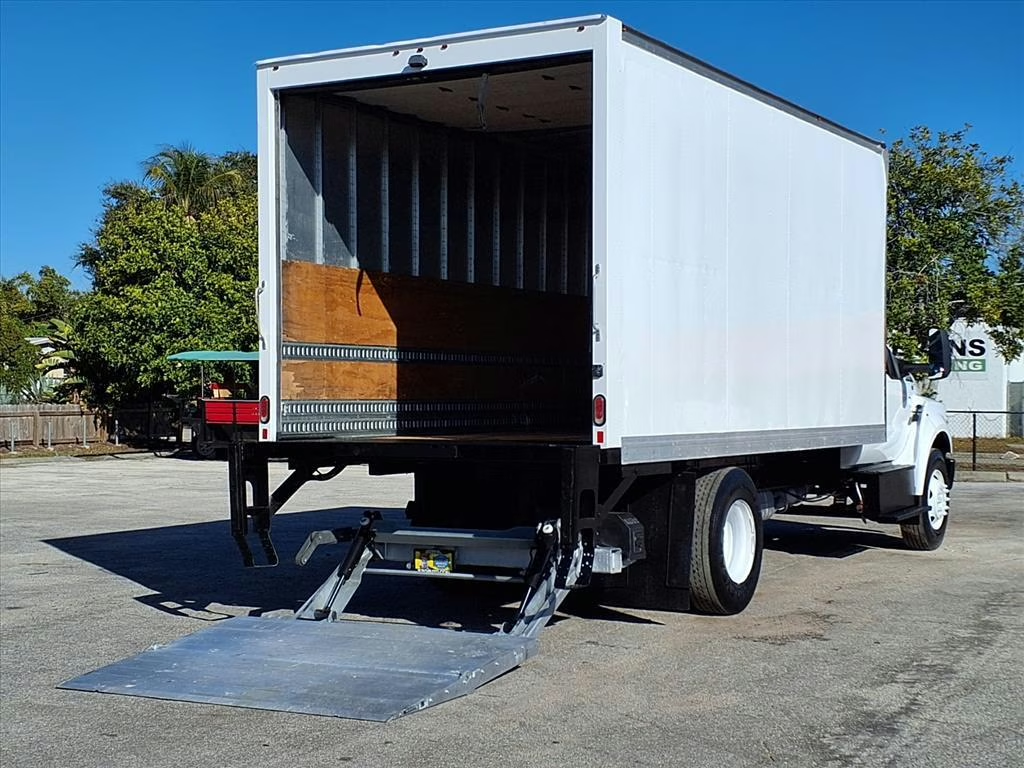
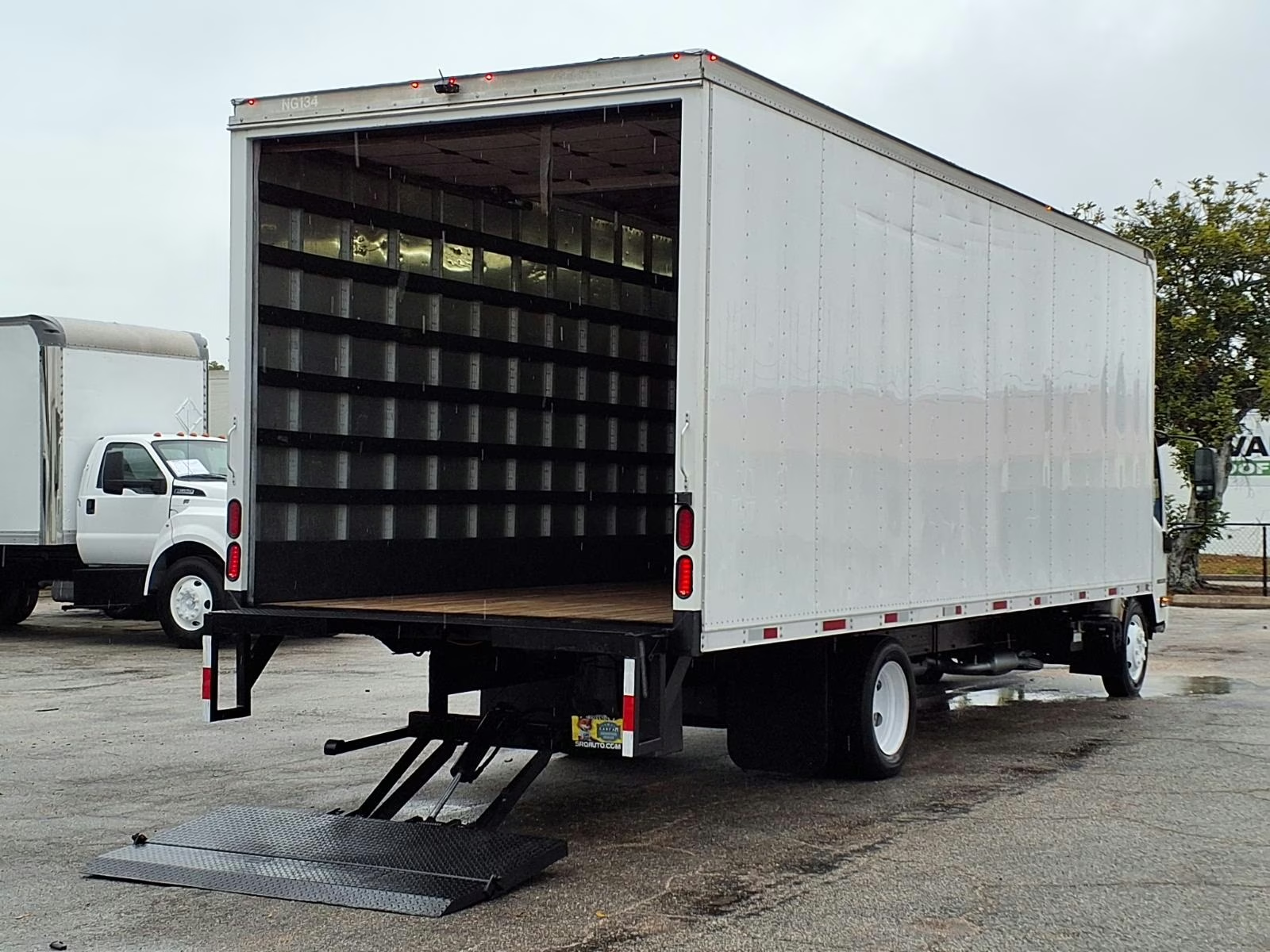
The liftgate itself also deserves careful attention. Its condition, rated capacity and configuration need to make sense for what your business actually loads and unloads.
At SRQ Auto, we evaluate used box trucks as complete commercial vehicles: chassis + cargo body + loading equipment.
That approach matters because a clean cab does not make up for a damaged box, and a good cargo body does not make up for a liftgate or chassis that needs significant work.
This guide explains what businesses should check before buying a used 16' box truck with a liftgate.
Browse Current Box Trucks for Sale
Why Do Businesses Choose a 16' Box Truck?
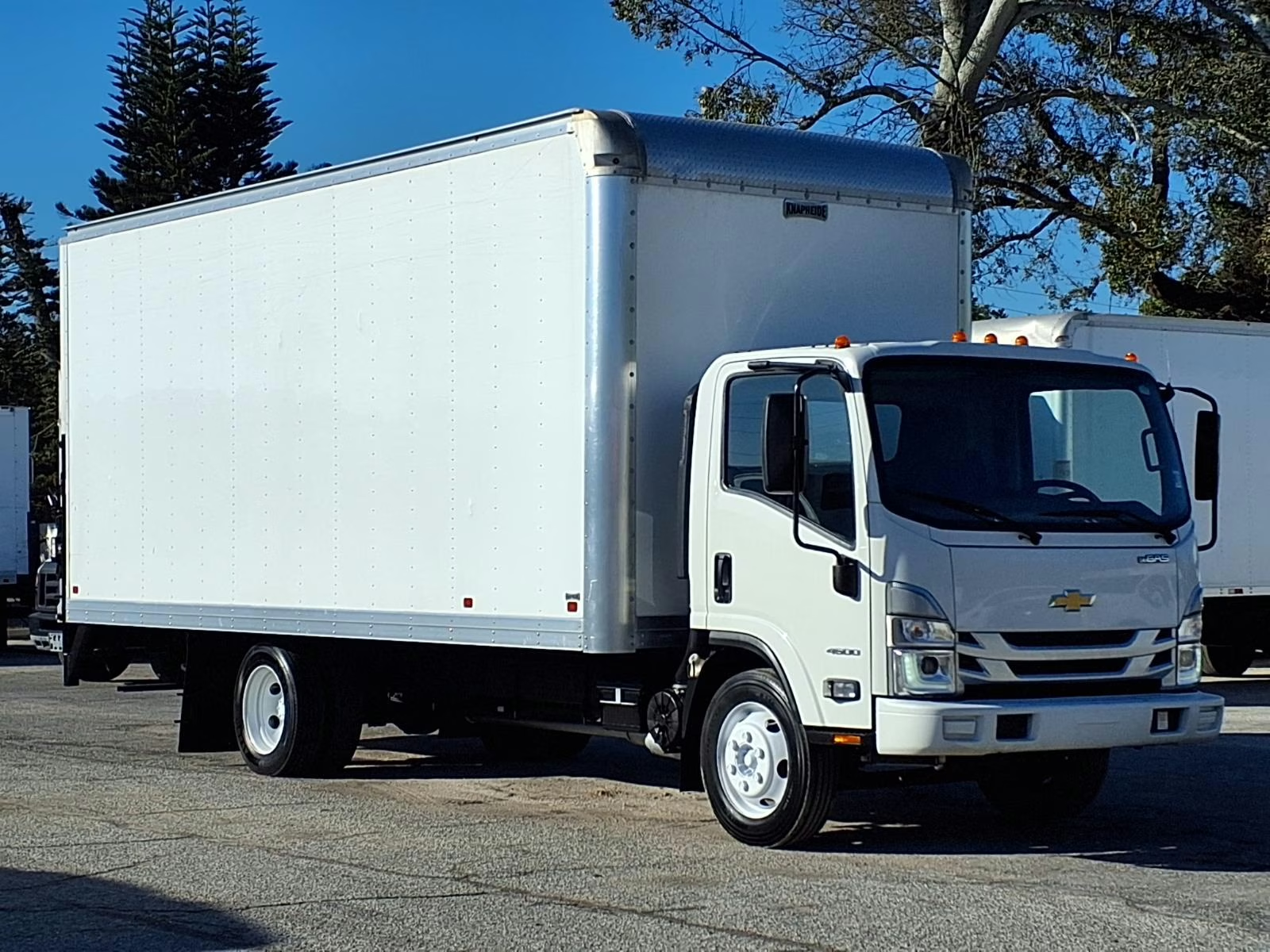
A 16' cargo body can provide substantially more enclosed cargo space than a commercial van without moving into the largest box-truck configurations.
That can make the size useful for delivery companies, contractors, equipment suppliers, furniture and appliance businesses, event companies, rental operations and other businesses that need enclosed cargo space.
But body length alone does not determine whether a truck fits the job.
Interior dimensions, payload, rear-door opening, loading height, liftgate configuration and the chassis underneath the body all affect how useful the completed vehicle will be.
Why Add a Liftgate?
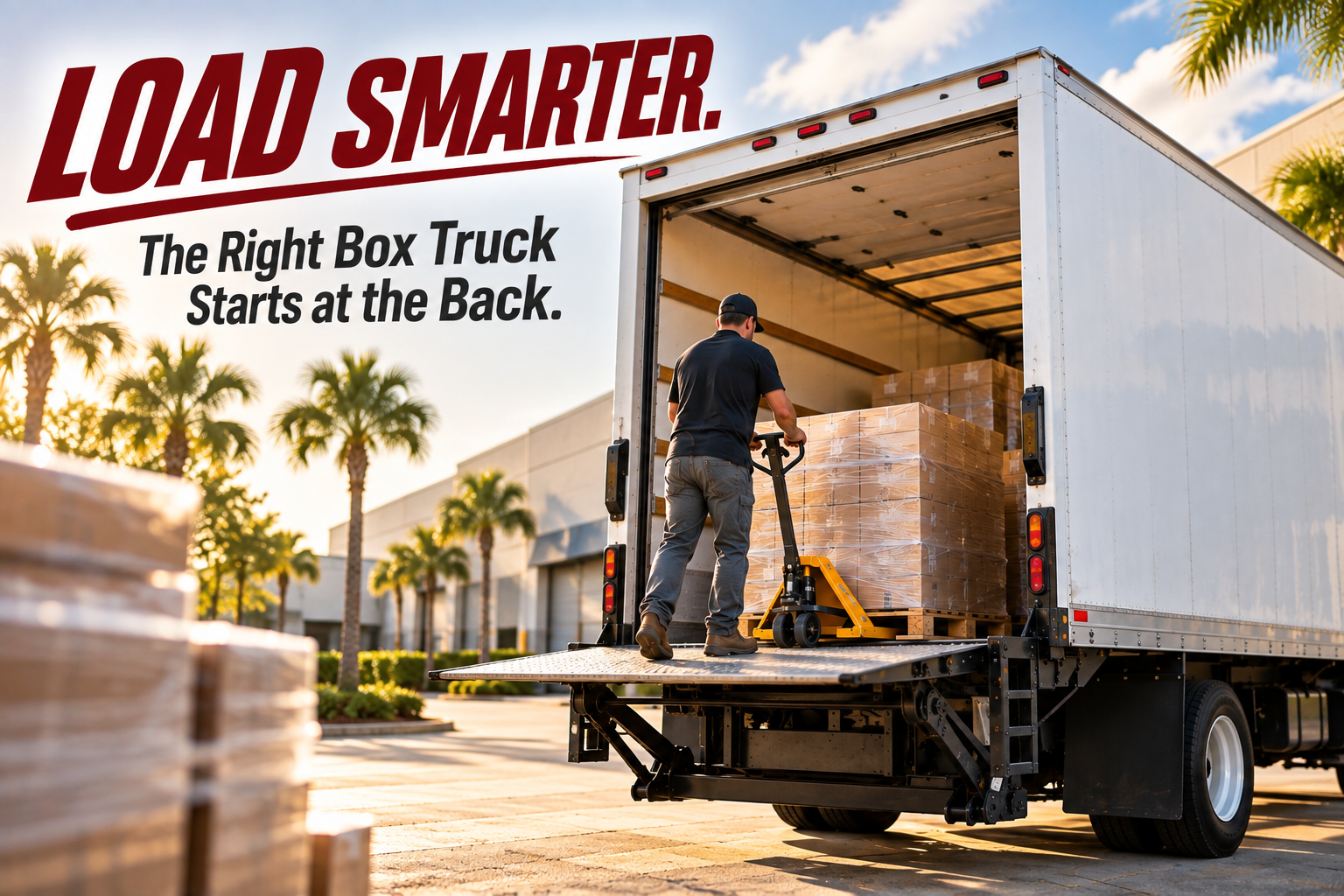
A liftgate can be valuable when a business regularly loads cargo at locations without a loading dock or when individual items are difficult to safely move between ground level and the cargo floor.
That can be particularly useful for businesses handling heavy equipment, appliances, palletized cargo and other substantial loads.
But the presence of a liftgate does not automatically make one box truck better than another.
The liftgate has its own rated capacity, platform dimensions, operating system and condition. Those need to fit the actual cargo the business expects to handle.
Never assume the liftgate can safely handle a load simply because the load fits inside the box.
See a Box Truck With a Liftgate Up Close
Seeing the cargo body and loading equipment together helps explain why a used box truck should be evaluated as a complete working vehicle. Take a closer look at a box truck and its commercial configuration in this SRQ Auto video.
What SRQ Auto Looks for in a Used Box Truck
Our experience buying, reconditioning and selling commercial vehicles has taught us to look at the entire working package rather than focusing on one attractive feature.
With a 16' box truck, that means evaluating the chassis and cargo body separately—and then determining how well they work together.
We consider areas such as:
- Mechanical condition
- Previous commercial use
- GVWR and vehicle ratings
- Box construction and condition
- Floor condition
- Roof condition and evidence of water intrusion
- Rear-door operation
- Liftgate condition and operation
- Tire condition and age
- Interior cargo equipment such as E-Track
- Evidence of previous repairs or damage
A business is buying a working tool. Every major part of that tool matters.
Payload: The 16' Box and Liftgate Both Add Weight
Payload is one of the most important considerations when buying a commercial box truck.
The chassis has a Gross Vehicle Weight Rating, or GVWR, but the completed truck already has weight on it before the first piece of cargo is loaded.
The cargo body contributes weight. The liftgate contributes weight. Fuel, occupants, shelving, E-Track and other permanently installed equipment contribute weight as well.
That means two trucks with 16' boxes may have different usable payload depending on the chassis and completed configuration.
Do not calculate payload from box length or model name alone. Verify the ratings and actual configuration of the specific truck.
Check the Liftgate's Rated Capacity
A liftgate should be evaluated based on the actual manufacturer's information for the equipment installed on the truck.
The rated capacity needs to make sense for the heaviest items the business expects to move.
Buyers should also consider the platform itself. A liftgate may have sufficient lifting capacity while still having a platform size or configuration that is poorly suited to the cargo being handled.
Before buying, identify the typical load—not just the maximum theoretical load—that employees will move on and off the truck.
Inspect the Liftgate, Not Just the Truck
A used liftgate is working commercial equipment and should receive its own inspection.
Depending on the system, buyers should evaluate:
- Platform condition
- Hinges and pivot points
- Controls
- Hydraulic components
- Hoses and fittings
- Electrical connections
- Mounting points
- Visible leaks
- Unusual movement or noise
- Proper raising and lowering
Any concerns with liftgate operation or structural components should be evaluated by a qualified professional before the equipment is placed into service.
Loading Height Matters
Think about where the truck will actually make deliveries.
A business primarily loading at commercial docks has different requirements from a company delivering appliances to homes, equipment to jobsites or products to businesses without dock access.
A liftgate can bridge the gap between ground level and the cargo floor, but employees still need enough platform space and the right material-handling equipment to move cargo safely.
Understanding the daily loading process before buying the truck can prevent an expensive mismatch.
Inspect the Cargo Floor
A box-truck floor can reveal a great deal about previous use.
Look for damaged boards or flooring material, soft areas, significant gouging, previous repairs and evidence that heavy cargo may have repeatedly impacted particular areas.
The floor needs to support the type of cargo and material-handling equipment the next business expects to use.
A visually clean exterior does not guarantee a healthy cargo floor.
Check the Roof for Water Intrusion
Water intrusion can turn an otherwise useful box body into a problem.
Inspect the roof, seams and interior for evidence of leaks or previous water damage.
Staining, damaged interior panels, deterioration or previous patching can warrant closer inspection.
This is particularly important for businesses carrying products, equipment or materials that need to remain dry.
Rear Doors and Cargo Access
The rear door is used constantly in many commercial applications.
Check door operation, tracks or hinges, latches, seals and the condition of the opening.
Also consider how the rear door interacts with the liftgate.
The loading system should work efficiently for employees who may open, close, load and unload the truck many times during a workday.
Does the Truck Have E-Track or Cargo Control?
E-Track and other cargo-control systems can be valuable for businesses that need to secure equipment, carts, furniture, appliances or other loads.
Existing cargo-control equipment may save a business time and installation expense when it fits the application.
Inspect mounting points and condition rather than assuming existing equipment is automatically ready for the next load.
Low Cab Forward vs. Conventional Cab
A 16' box body can be mounted on different types of commercial chassis.
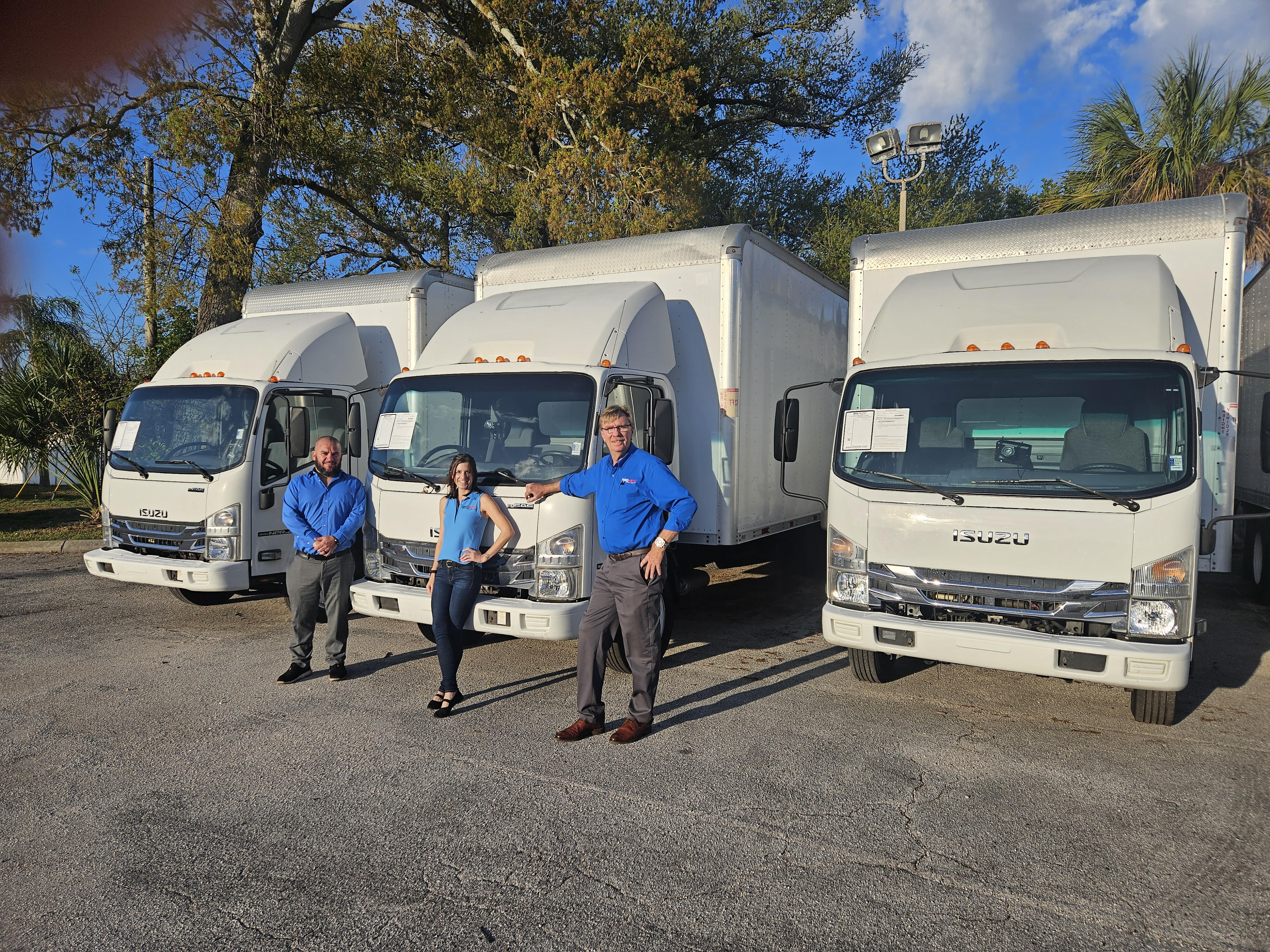
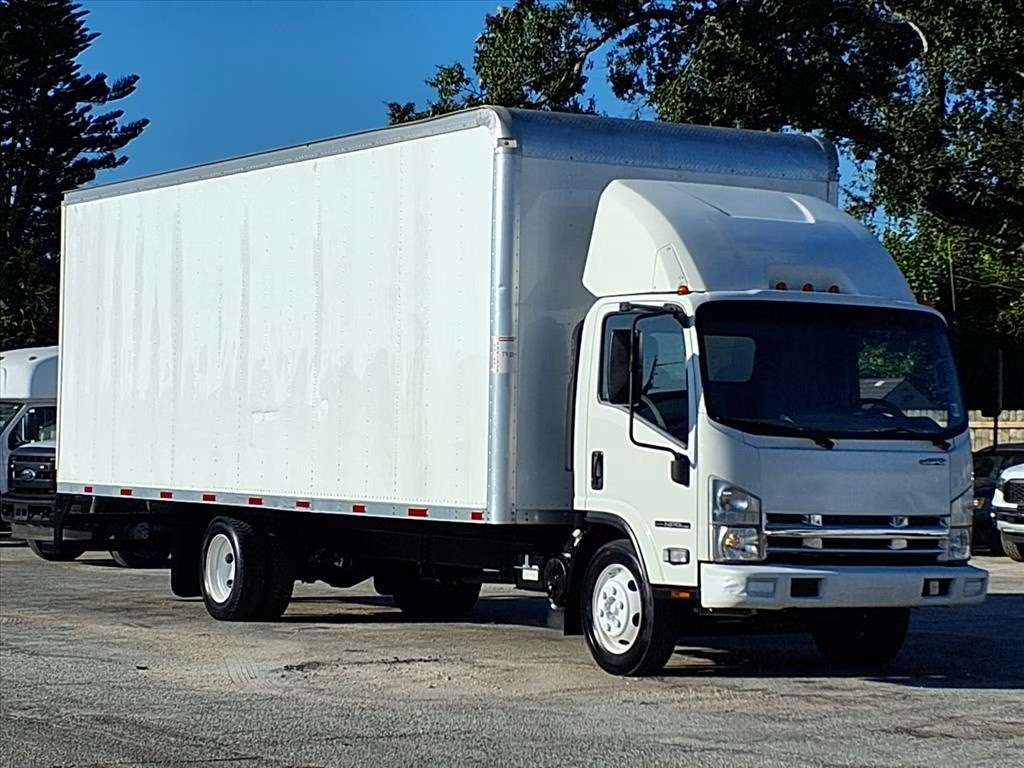
Low cab forward trucks such as an Isuzu NPR can offer a different overall footprint and driving layout than a conventional-cab commercial truck.
That may be useful for businesses making frequent deliveries or operating in tighter commercial environments.
A conventional-cab truck may make more sense for another application depending on drivetrain, driver preference, operating environment and chassis requirements.
The body length may be the same while the overall truck experience is very different.
Learn Why Businesses Choose Low Cab Forward Trucks
What Did the Box Truck Do Before?
Previous commercial use matters.
A local delivery truck making frequent stops may experience a different wear pattern from a truck accumulating longer highway routes.
A rental vehicle can have a different history from a company-owned fleet truck.
A truck regularly handling heavy loads can also show different wear than one moving lighter cargo.
Mileage provides useful information, but it does not tell the entire story of a commercial vehicle.
What Should You Inspect Before Buying a Used 16' Box Truck?
- Engine and transmission: Evaluate operation and available maintenance information.
- Cooling system: Check condition and evidence of leaks or deferred maintenance.
- Brakes: Evaluate wear and operation.
- Steering and suspension: Inspect in the context of previous commercial use.
- Tires: Check age, condition and matching.
- Frame and chassis: Look for damage, corrosion and questionable repairs.
- GVWR and ratings: Verify the actual completed vehicle.
- Cargo floor: Check for damage, deterioration and repairs.
- Roof: Look for leaks and evidence of water intrusion.
- Rear door: Test operation, latches and seals.
- Liftgate: Test operation and inspect visible components and mounting points.
- Cargo-control equipment: Inspect E-Track or other installed systems.
Who Is a 16' Box Truck With a Liftgate Good For?
This configuration can make sense for businesses including:
- Local delivery companies
- Furniture and appliance businesses
- Equipment suppliers
- Contractors
- Event and rental companies
- Commercial moving operations
- Businesses transporting palletized products
- Companies delivering to locations without loading docks
The common requirement is enclosed cargo capacity combined with a practical way to move heavier items between the ground and cargo floor.
When Might You Not Need a Liftgate?
A liftgate adds capability, but it also adds weight and another piece of commercial equipment to maintain.
If a truck operates almost exclusively between loading docks or carries cargo that employees can safely handle without powered loading equipment, another configuration may make more sense.
The right truck is the one that solves a recurring business problem—not the one with the longest equipment list.
Why Reconditioning Matters on a Used Box Truck
A used box truck is more than a chassis and cab.
Mechanical condition, tires, cargo-body condition, rear-door operation and installed equipment can all affect whether the truck is ready for commercial use.
SRQ Auto's Job Ready process focuses on identified mechanical, functional and presentation needs on qualifying commercial vehicles before they are offered to the next business.
Learn More About SRQ Auto's Job Ready Reconditioning Process
Frequently Asked Questions About 16' Box Trucks With Liftgates
Is a 16' box truck big enough for commercial deliveries?
A 16' box truck can work well for many local delivery, equipment, furniture, appliance and other commercial applications. The correct size depends on cargo dimensions, payload requirements, route conditions and how the business loads and unloads the truck.
How much can a box-truck liftgate lift?
Liftgate capacity varies by manufacturer, model and configuration. Buyers should verify the identification and rated capacity of the actual liftgate installed on the truck rather than assuming a universal capacity.
Does a liftgate reduce box-truck payload?
The liftgate contributes to the completed vehicle's weight, so it is one of the factors that affects remaining payload. The box body, fuel, occupants and other equipment also contribute to vehicle weight.
What should I inspect on a used box-truck liftgate?
Inspect the platform, controls, visible hydraulic or electrical components, mounting points and overall operation. Any structural or operational concerns should be evaluated by a qualified professional.
Is an Isuzu NPR good for a 16' box truck?
Isuzu NPR low cab forward chassis are commonly used in commercial body applications, including box trucks. Buyers should verify the specifications, ratings and completed configuration of the specific truck to determine whether it fits their application.
Do I need a liftgate if I use loading docks?
Not necessarily. A business operating primarily between compatible loading docks may have less need for a liftgate than a company regularly delivering to ground-level locations. The decision should reflect the truck's actual delivery environment.
Shop Used Box Trucks at SRQ Auto
SRQ Auto specializes in fully reconditioned, Job Ready commercial vehicles for delivery companies, contractors, fleets and businesses throughout Florida and nationwide.
Our box-truck inventory can include multiple body lengths, low cab forward and conventional-cab chassis, liftgates and other commercial configurations.
Browse Current Box Trucks for Sale
Need help structuring the purchase? Learn about Tailored Commercial Financing or complete our online credit application.
SRQ Auto has earned 550+ 5-Star Google Reviews and serves commercial buyers throughout Florida and nationwide with remote documents and nationwide shipping.
{ "@context": "https://schema.org", "@type": "FAQPage", "mainEntity": [ { "@type": "Question", "name": "Is a 16' box truck big enough for commercial deliveries?", "acceptedAnswer": { "@type": "Answer", "text": "A 16-foot box truck can