Best Used Work Vans for Business: Judge Condition Before the Badge
The best used work van for your business is a suitable configuration supported by evidence about that individual vehicle. A model’s reputation and a low odometer reading can help you build a shortlist, but neither proves how a particular van was used, maintained or prepared. Compare the records, current condition, included equipment and work still needed before deciding.
If you are searching for the most reliable cargo van, start by replacing the brand-ranking question with a purchase question: “What can I verify about this van, and what will I need to manage after buying it?” That approach produces a useful comparison without pretending any used vehicle can promise a repair-free future.
Set the job requirements before judging the candidate
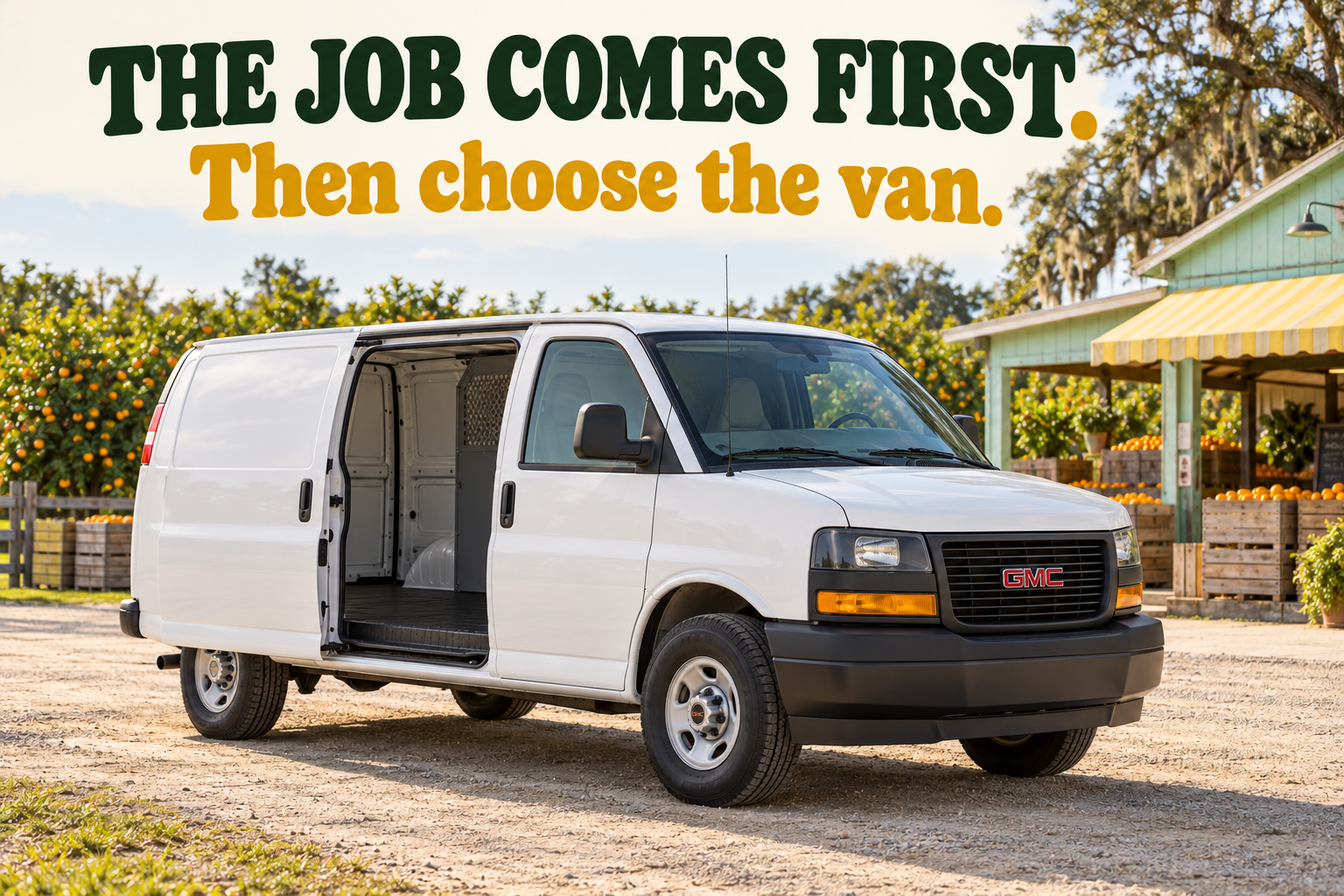
A mechanically sound van can still be the wrong business purchase if your equipment will not fit or the loading routine does not work. Identify the required cargo dimensions, working load, cab seating and parking restrictions first. Then evaluate condition among the vans that pass those requirements.
For businesses serving Bradenton, Sarasota and Lakewood Ranch, daily assignments may differ even within the same trade. Use your actual route, frequency of stops and equipment list. A generic description such as “contractor van” cannot tell the seller whether you need open floor space, existing shelving or room to work inside.
Read the maintenance history as a timeline
Ask which records are available, what dates and mileage they cover, and whether they describe the work performed. An oil-change entry is useful, but it does not document every other system. Match the records to the correct model year and powertrain, and compare them with the manufacturer’s maintenance requirements for the vehicle’s use.
Look for gaps that need explanation rather than automatically treating a gap as proof of neglect. A vehicle-history report and service invoices provide different information, and neither is guaranteed to capture every event. Request clarification when descriptions are vague. “Serviced” should lead to a list of completed tasks, not end the conversation.
| Evidence | What it can help establish | What it cannot establish alone |
|---|---|---|
| Dated service invoice | Specific documented work at a recorded mileage | The condition of every other component |
| Vehicle-history report | Events reported to that provider | A complete mechanical inspection |
| Dealer preparation record | Work performed before the sale | Unlimited future reliability or coverage |
| Inspection and road test | Observations under the tested conditions | A guarantee against later repairs |
Put mileage in the context of previous use
The odometer records distance; it does not fully describe time spent idling, repeated short trips, loading cycles or the weight carried. Where available, engine-hour information and documented fleet history can add context. Ask what is known about prior use and distinguish confirmed information from a seller’s impression.
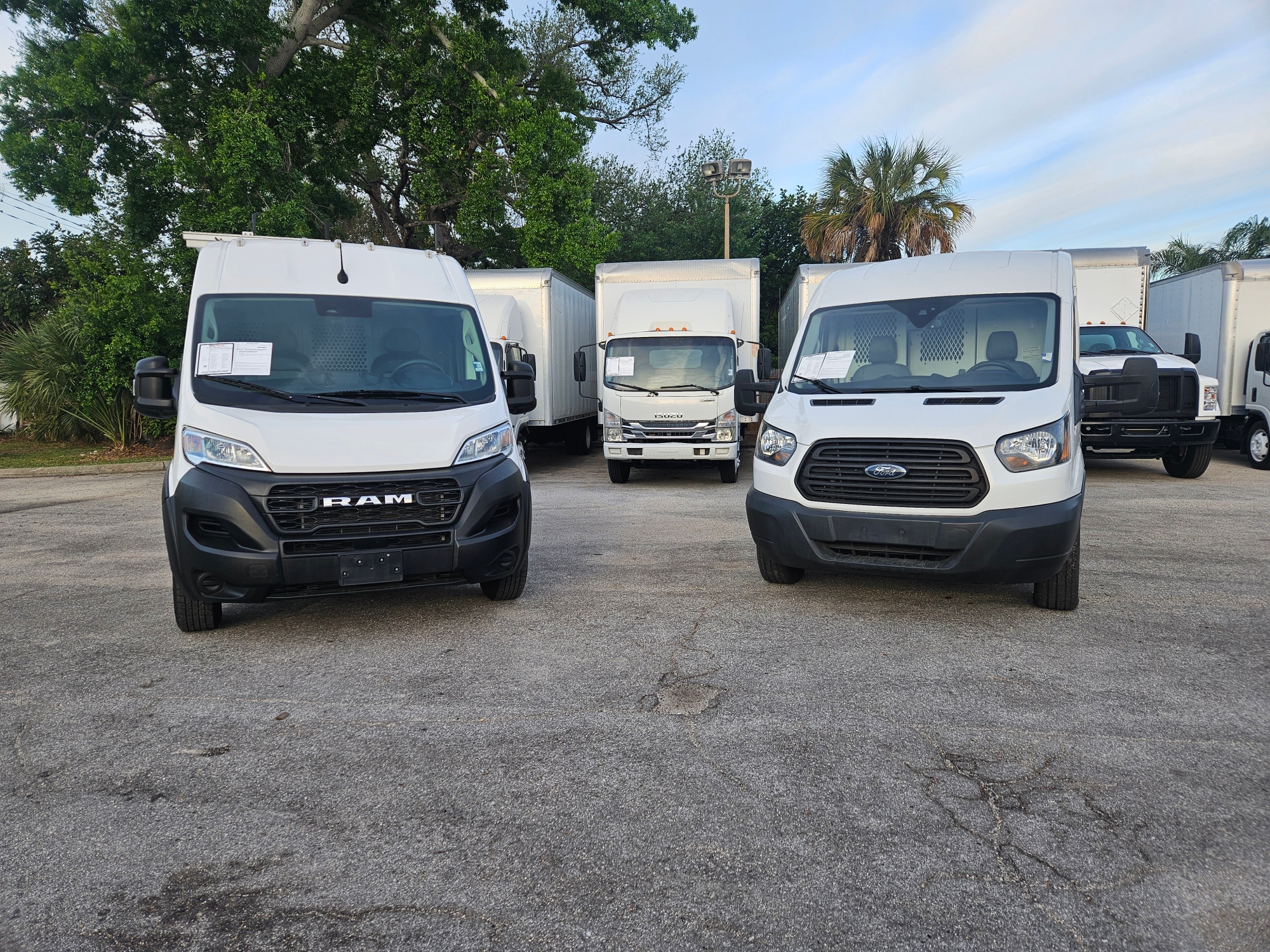
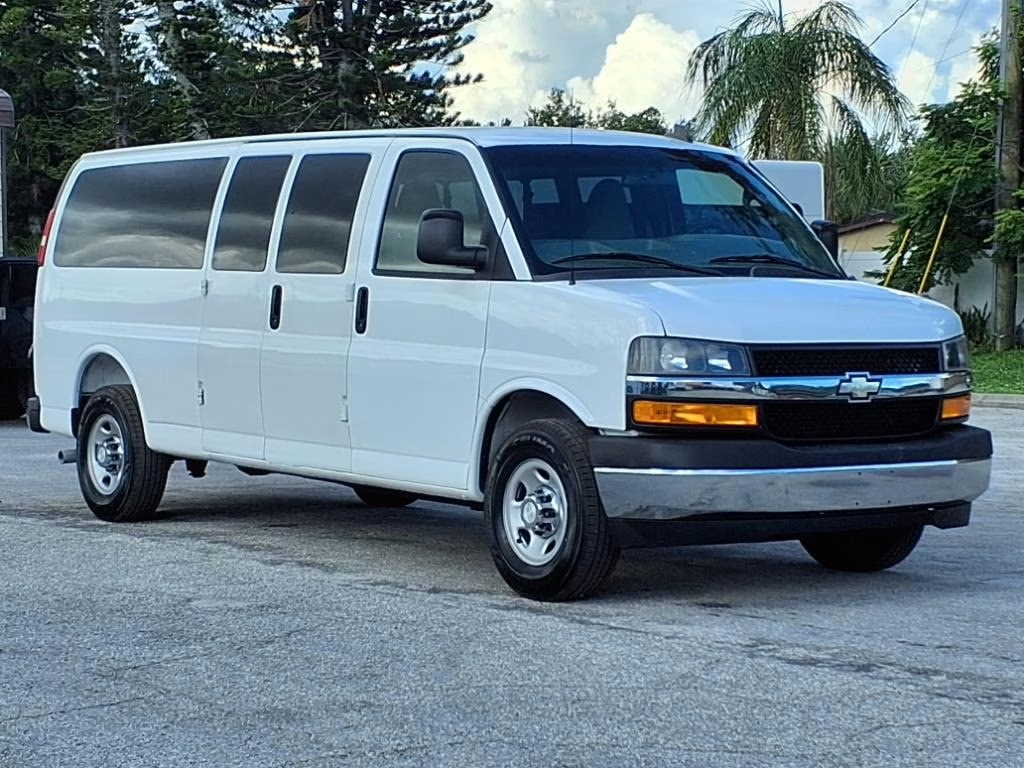
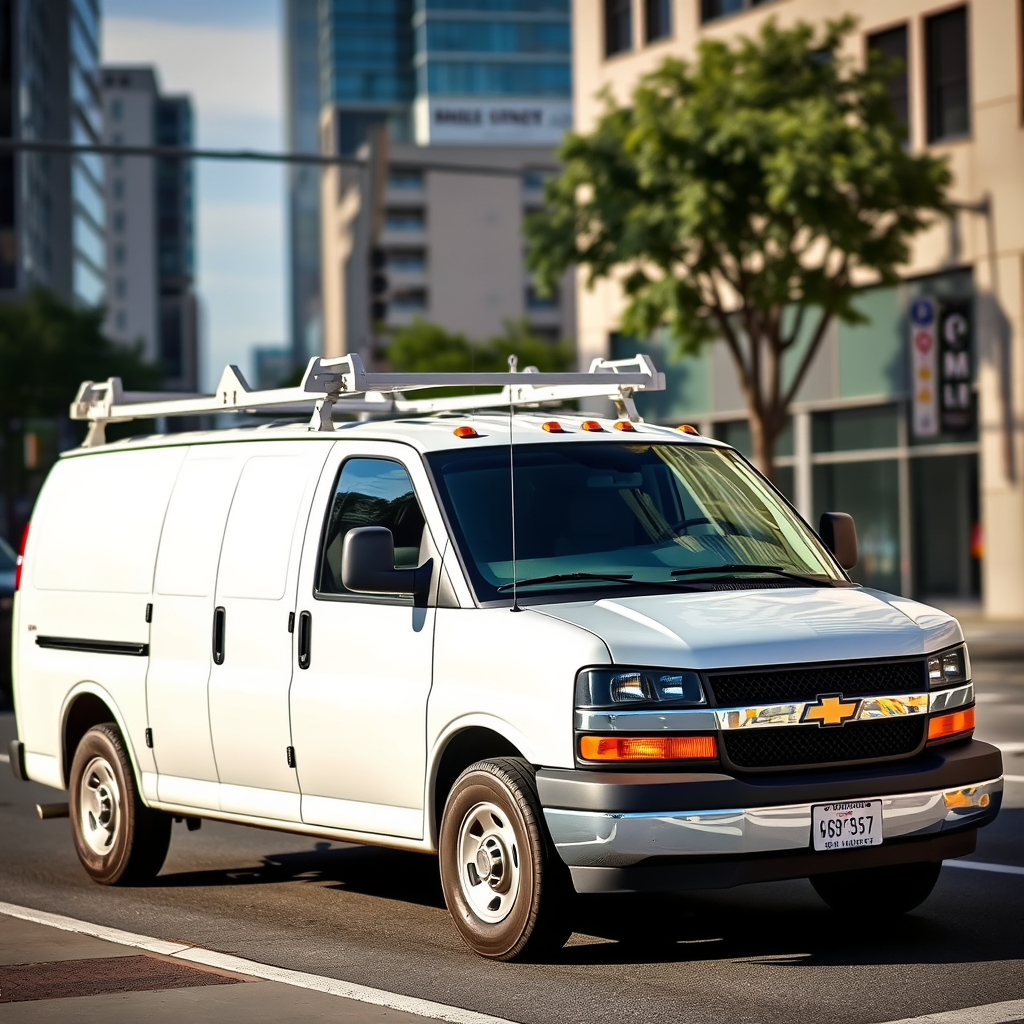
A lower-mileage van can still need age-related attention or overdue service. A higher-mileage van can have useful maintenance records without becoming a guaranteed bargain. Compare the specific evidence and your expected use instead of applying a universal mileage cutoff to every Transit, ProMaster, Express or Savana.
Have mechanical observations explained
Arrange a suitable inspection and road test. Ask about starting behavior, warning lights, leaks, steering, braking, suspension and transmission operation. If a technician identifies a concern, request the finding in understandable terms and clarify the proposed next step. A short drive that feels acceptable does not establish every system’s condition.
Separate the driver’s observations from a technician’s diagnosis. A vibration, noise or warning message deserves investigation; it should not be assigned a cause from a photograph or an online comment. Where an independent inspection is important to your purchase, agree on its arrangements before committing.
Inspect the parts that your trade will use every day
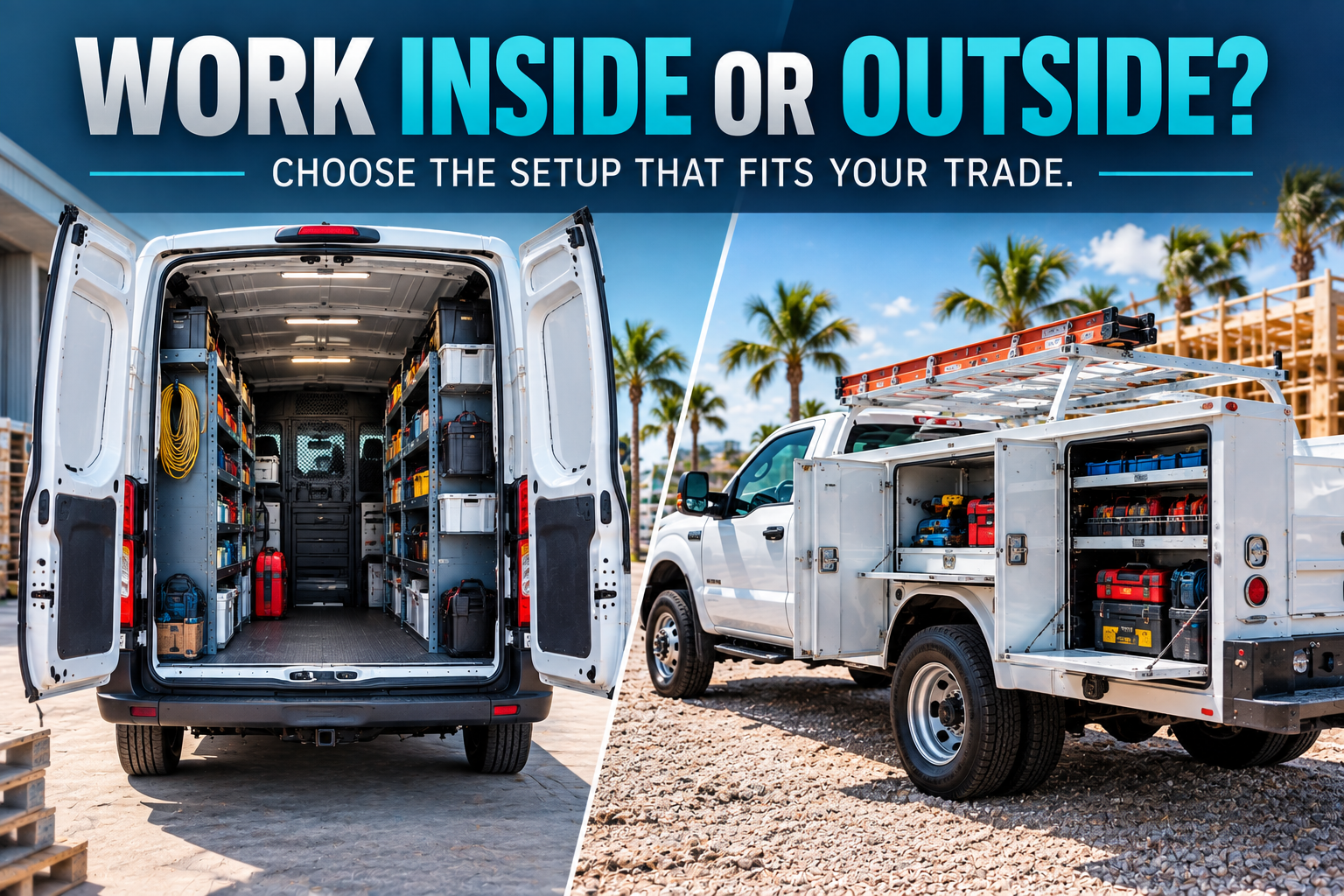
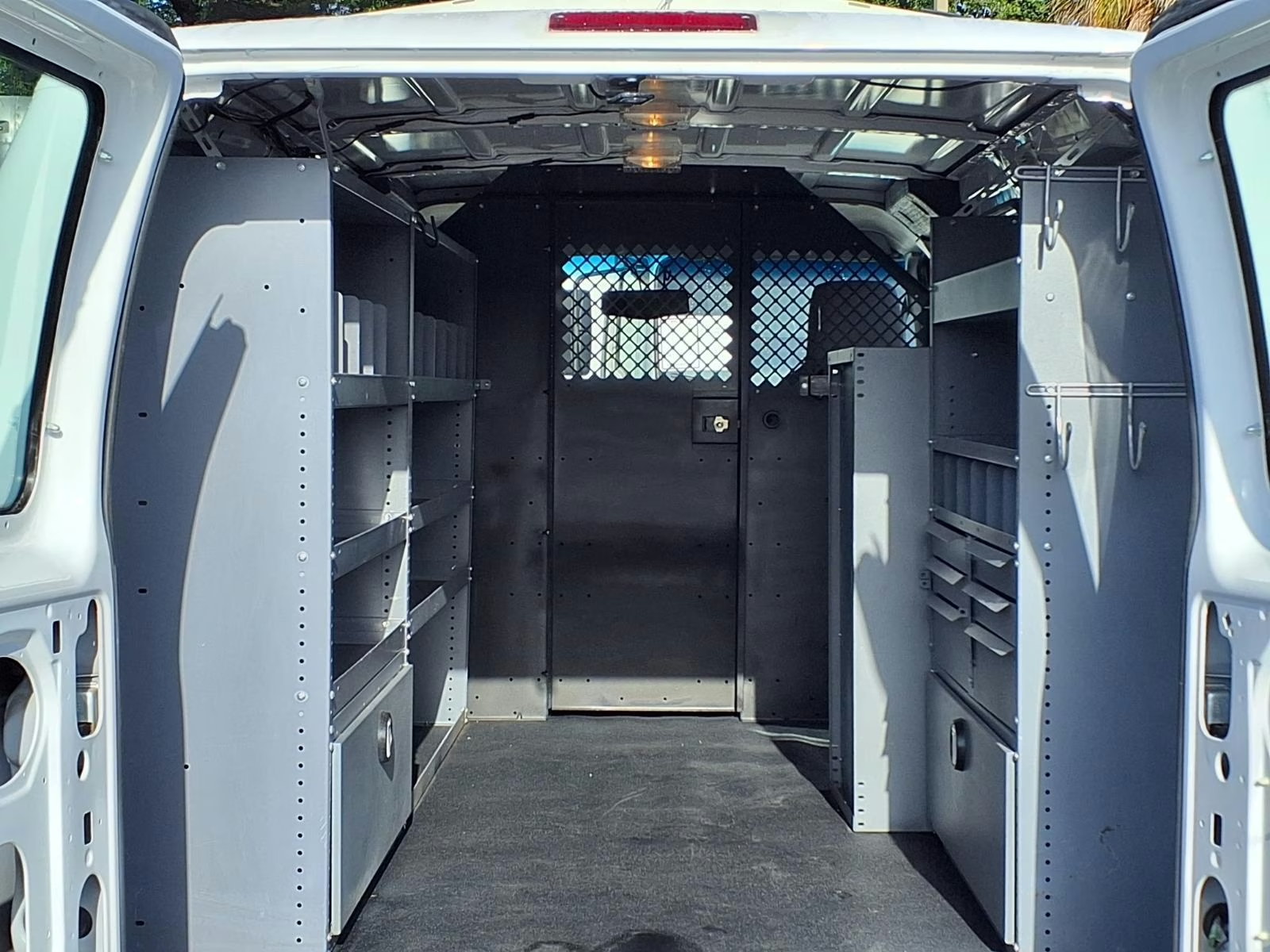
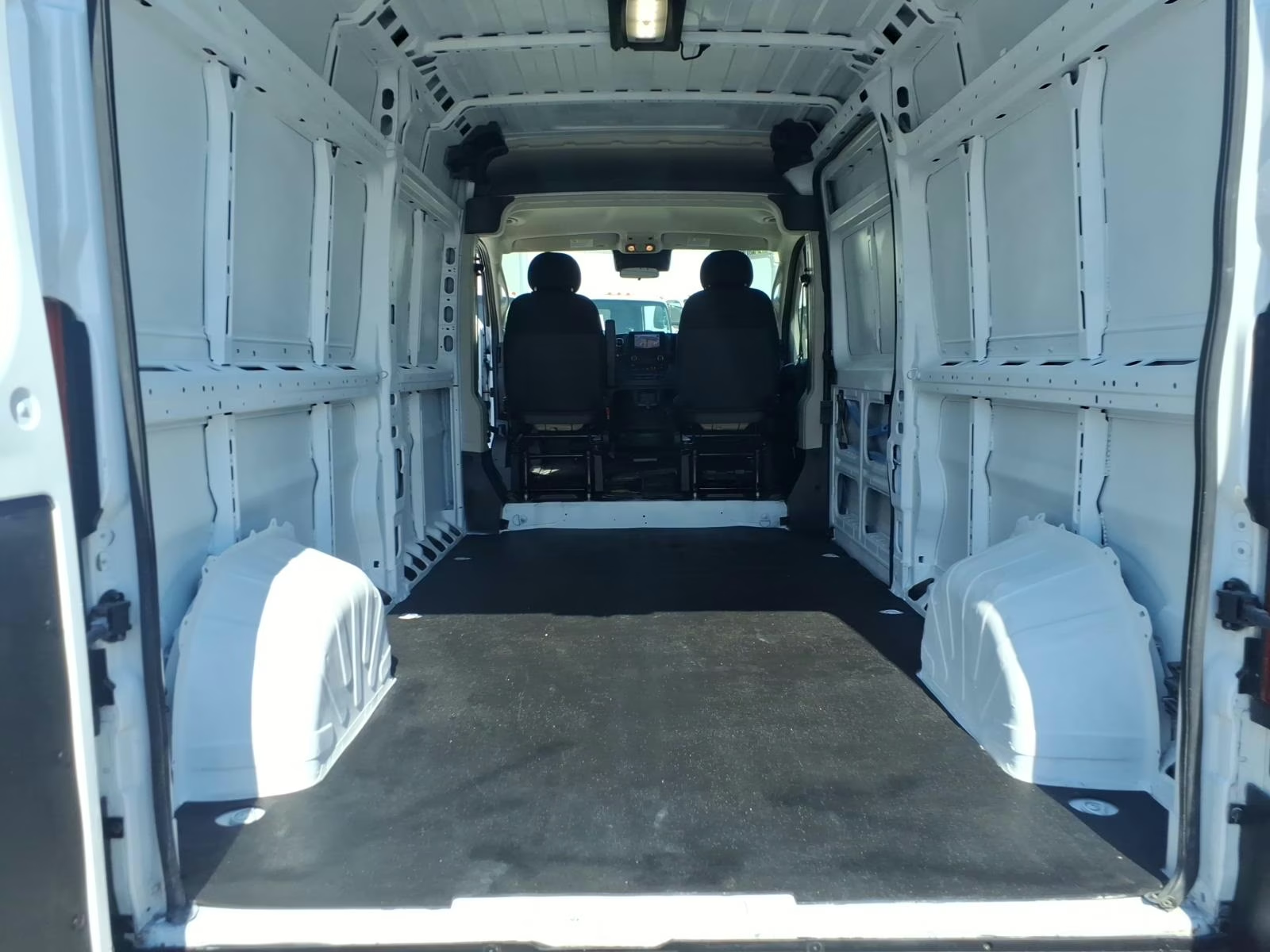
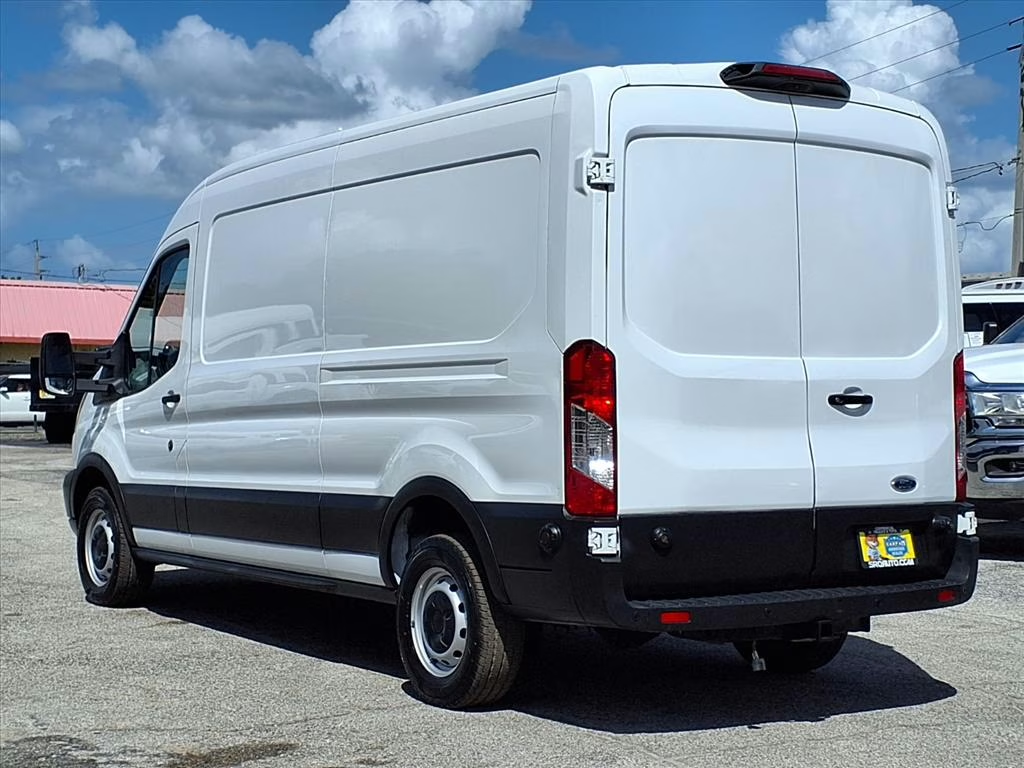
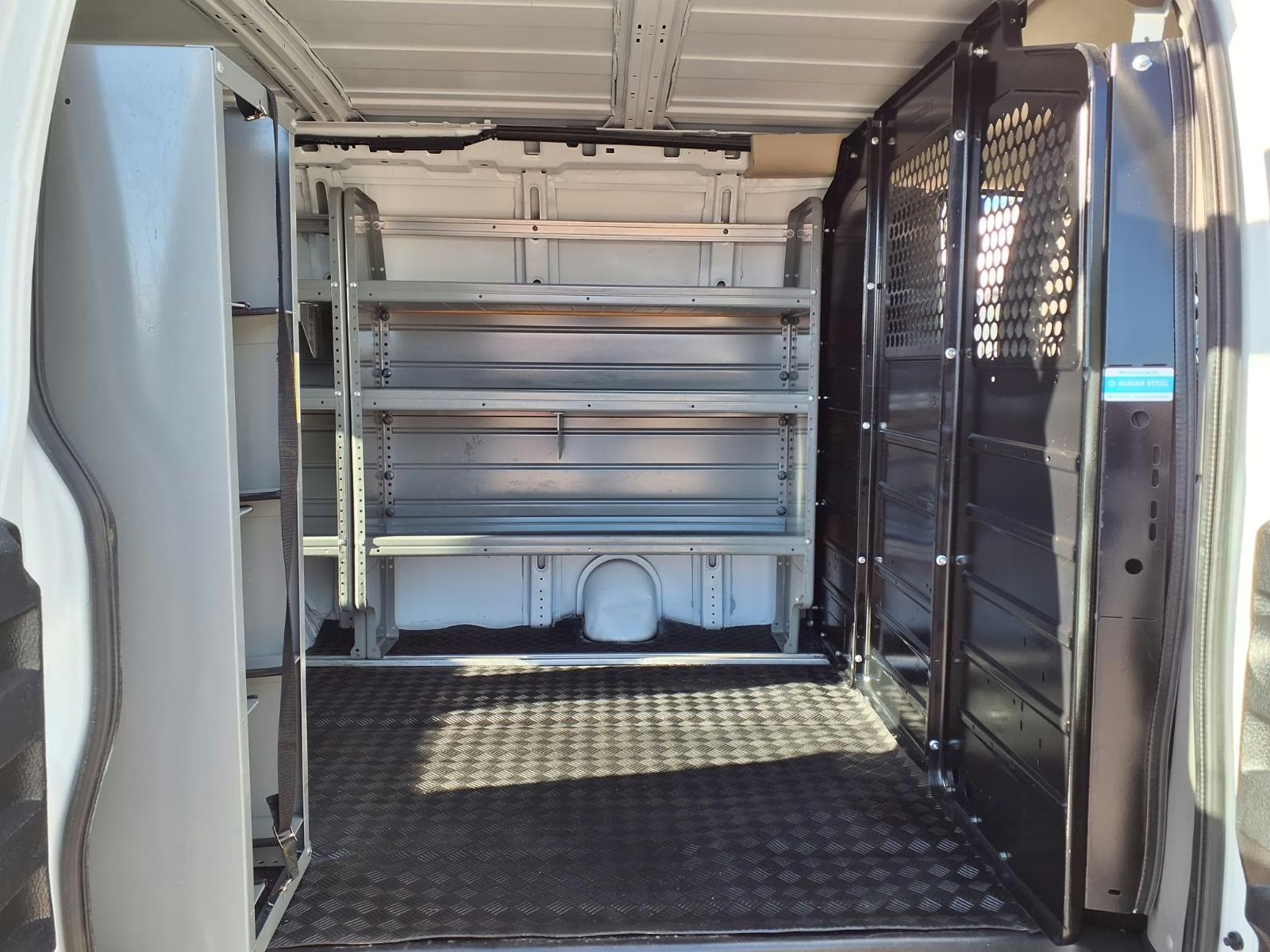
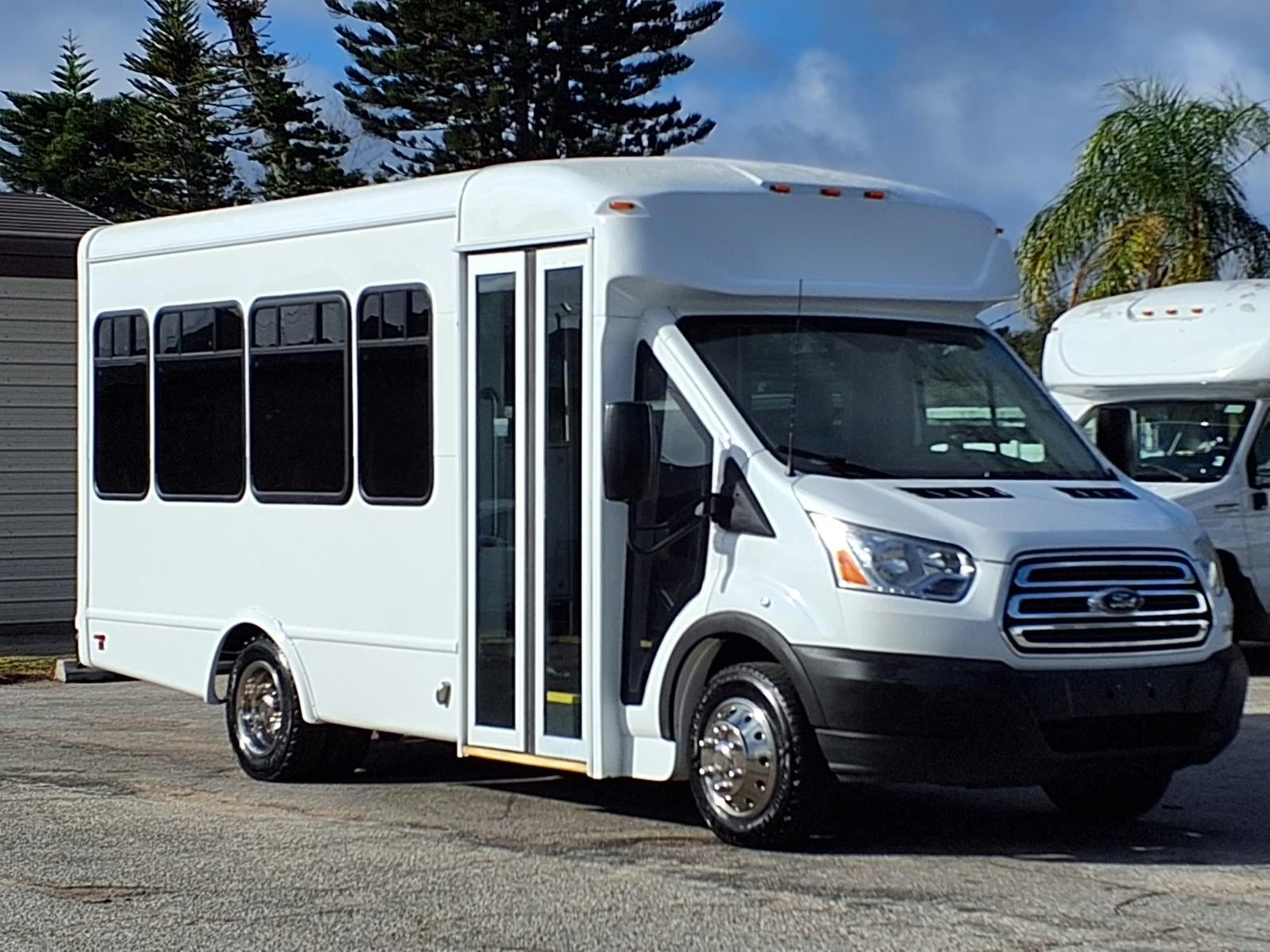
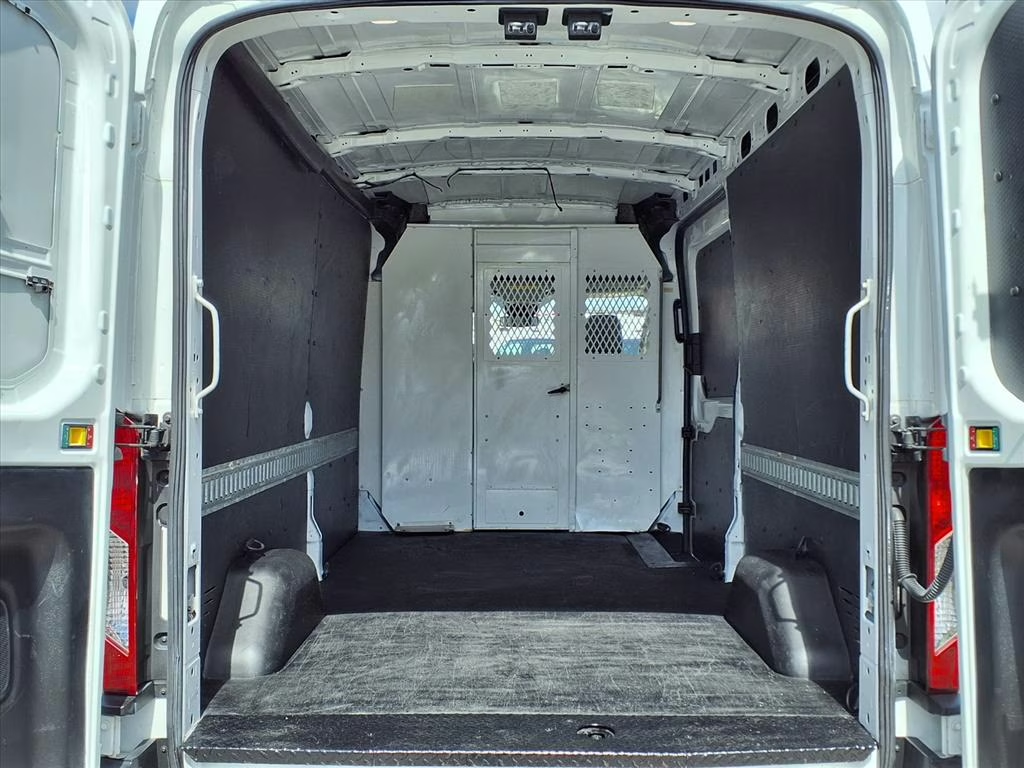
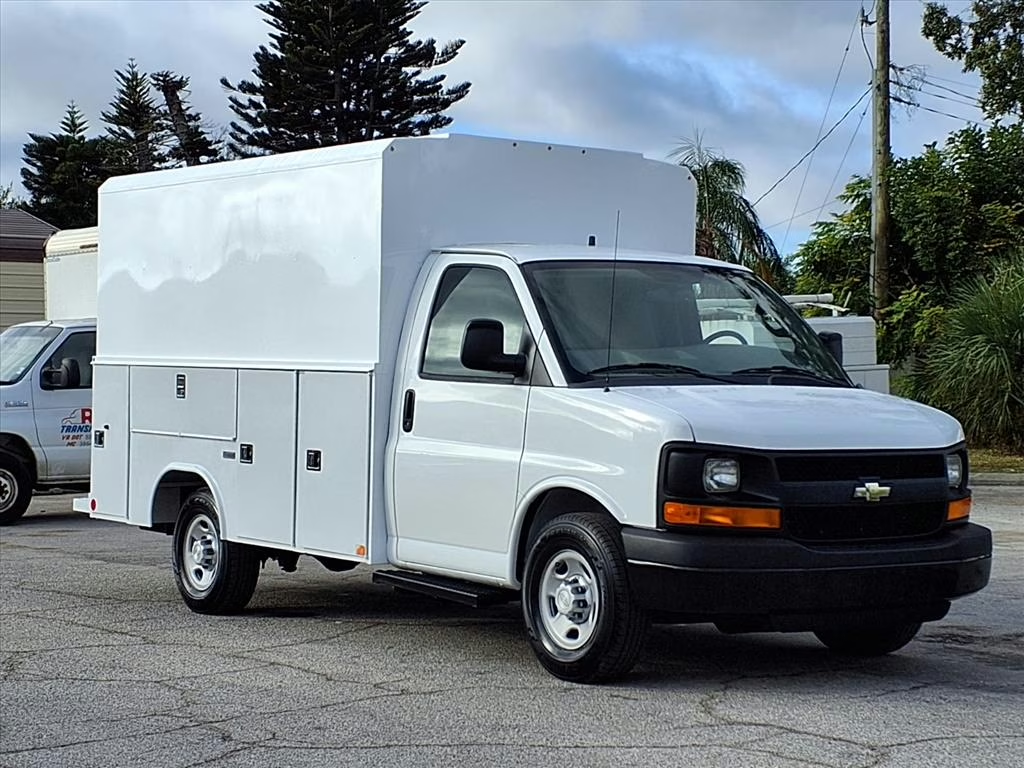
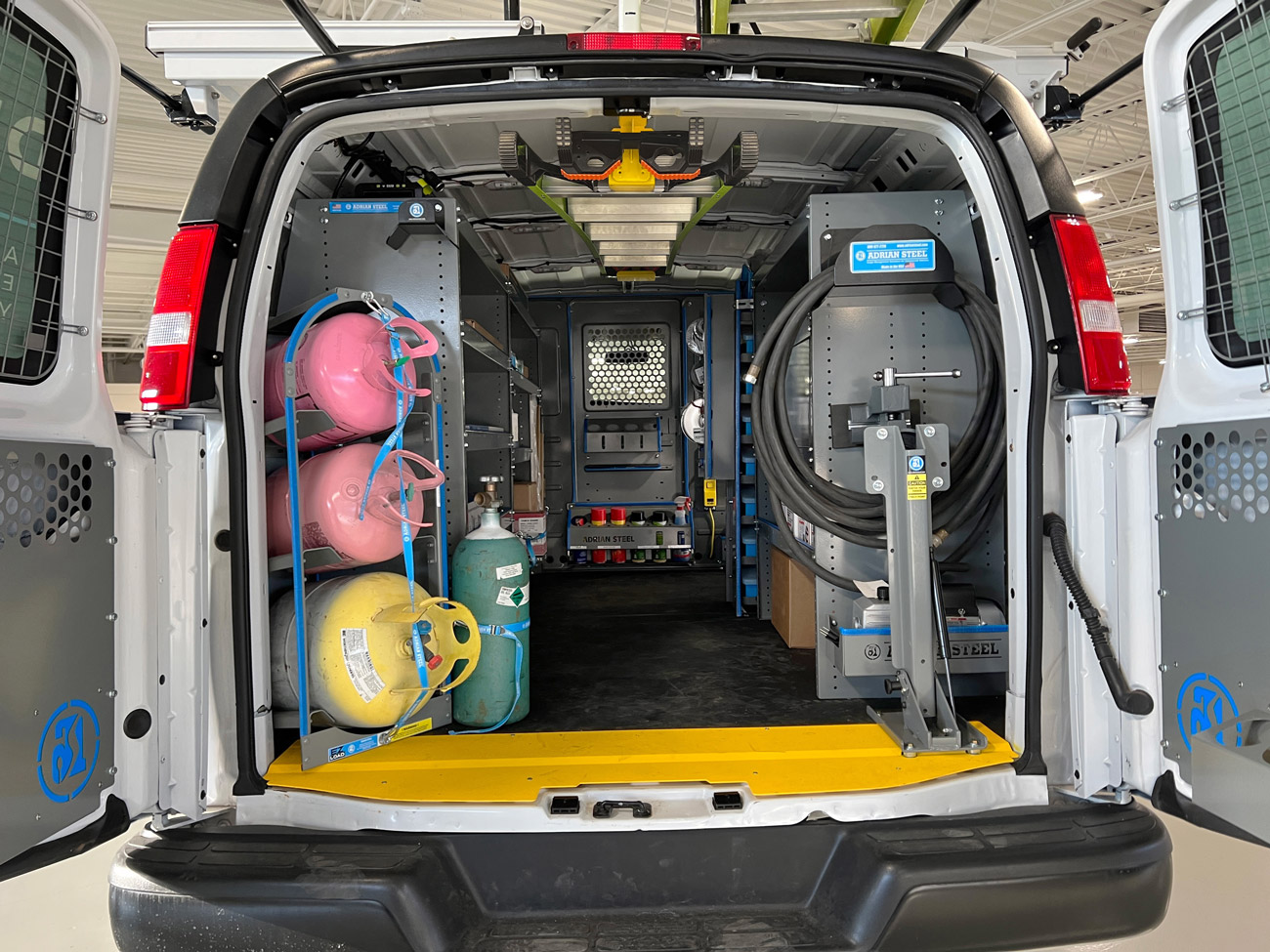
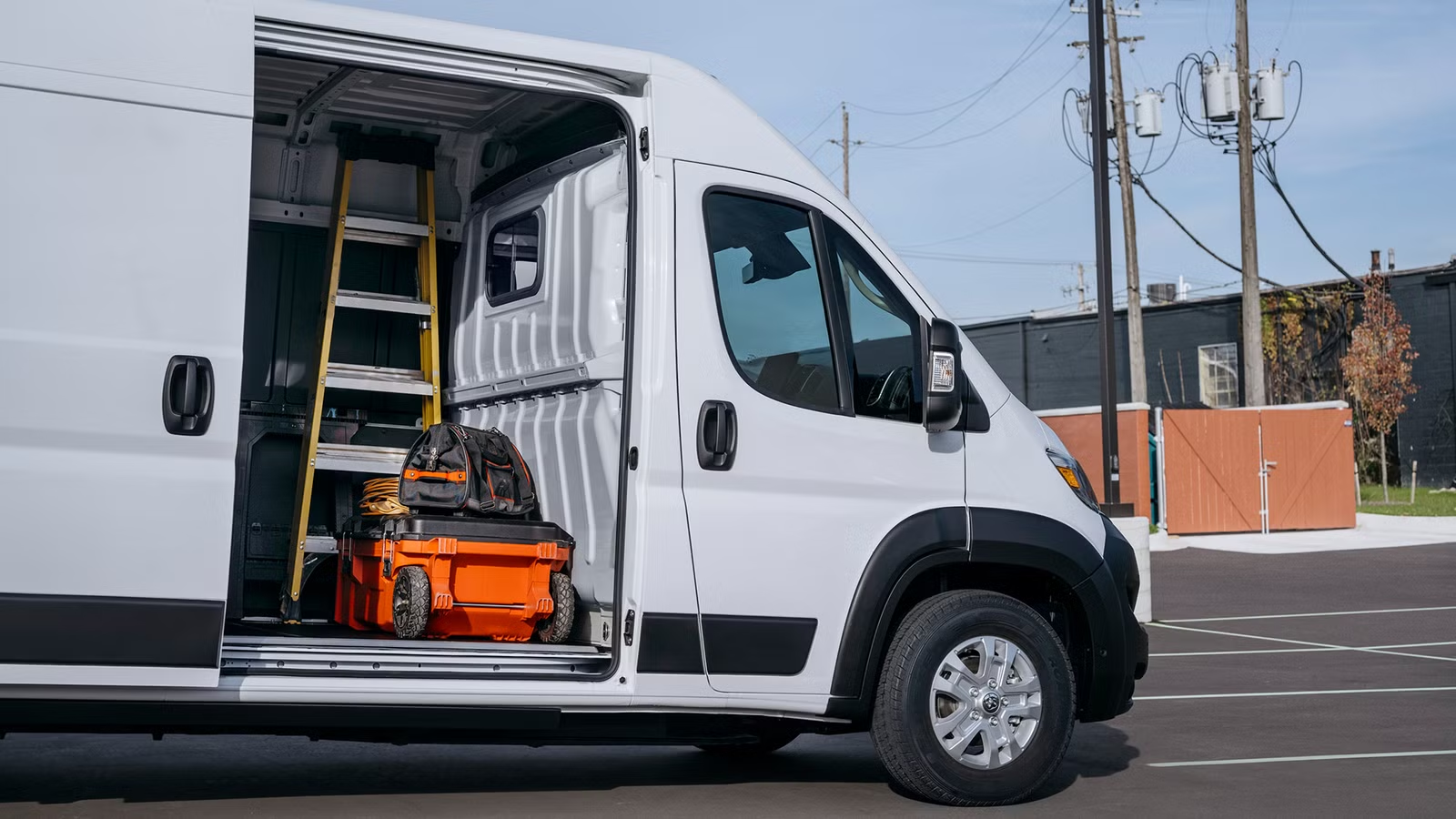
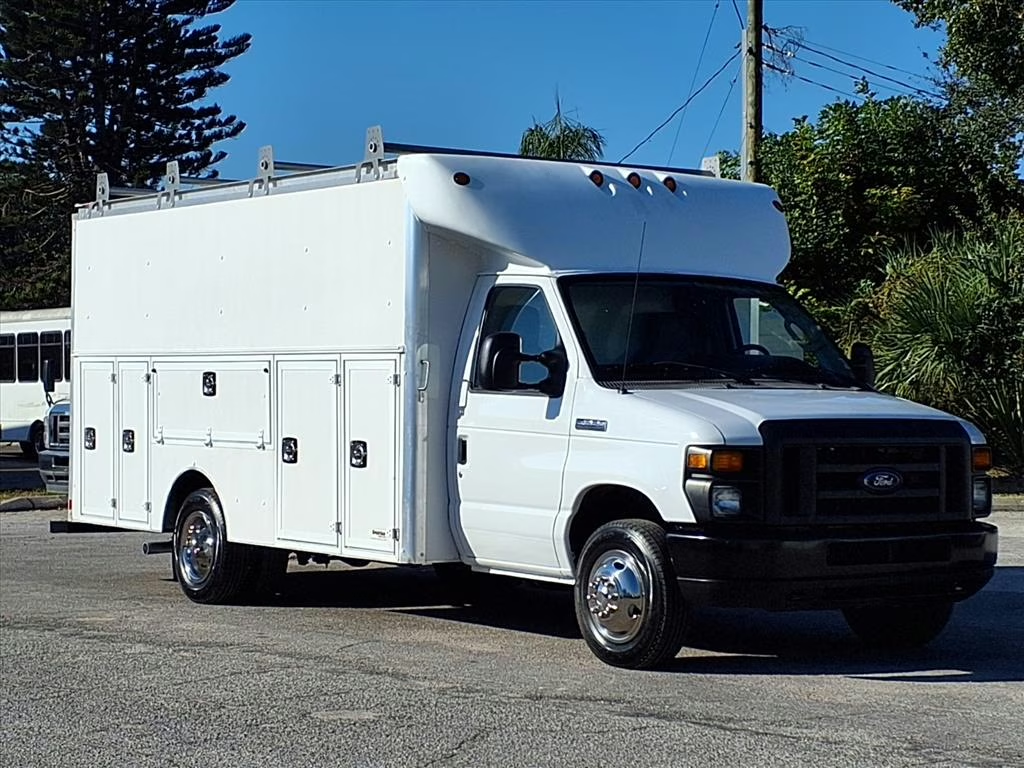
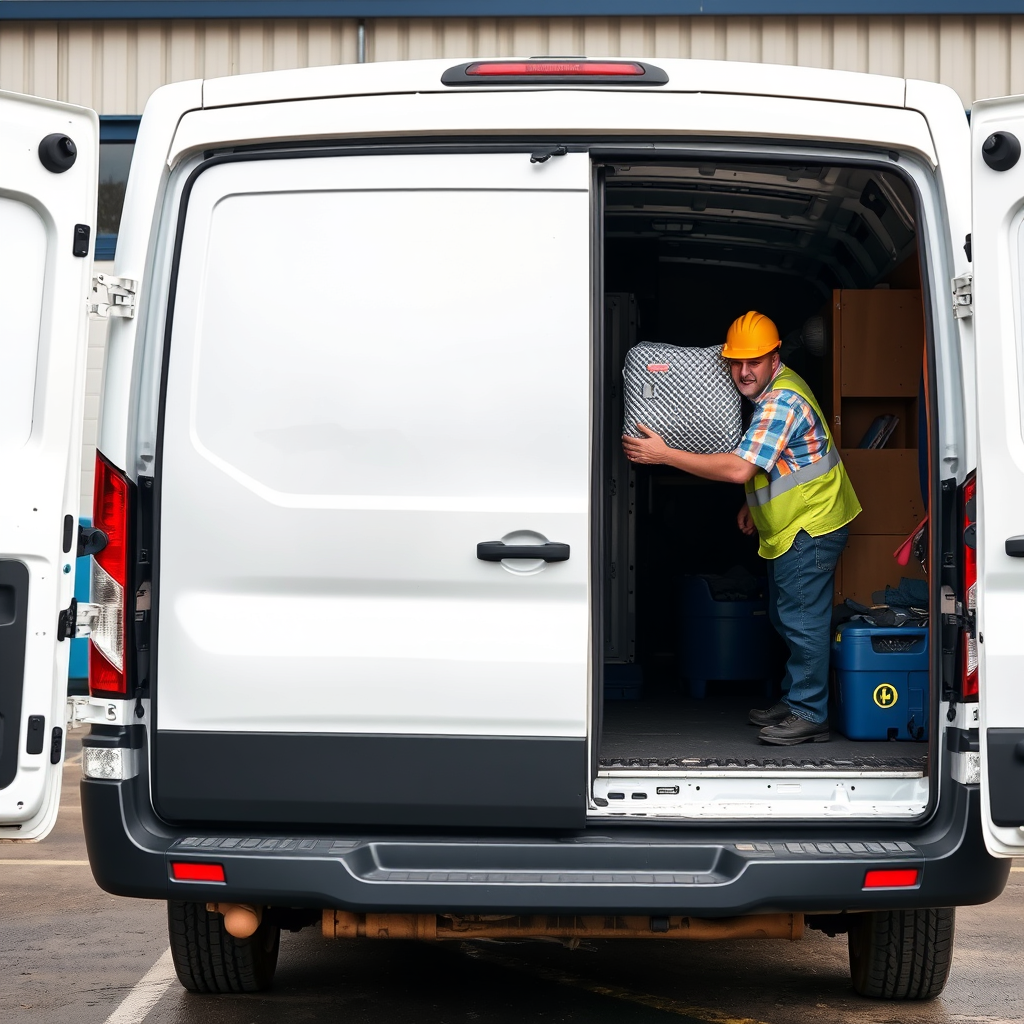
Open and close the cargo doors, operate the locks and inspect the loading floor. Look at shelving attachment points, partitions and signs of earlier equipment removal. Check whether the equipment pictured is included. A neatly organized interior may still need changes to suit your tools or repair work before it functions as intended.
Evaluate tires, glass, seating and cab controls alongside the cargo area. Ask about tire condition and specifications rather than relying on tread appearance alone. Test air conditioning and other relevant systems during the agreed inspection. For a business making repeated Fort Myers service stops, daily usability deserves attention alongside the headline mileage.
Check recalls without confusing them with a condition report
Use the vehicle identification number to check NHTSA’s recall lookup, and ask about any unresolved campaign. NHTSA explains that the lookup has limitations: recently announced recalls may not yet include every affected VIN, and completed recalls are not shown as unrepaired recalls.
A result showing no unrepaired recalls is not a mechanical inspection, service history or reliability rating. Keep recall status as one item in the purchase file, alongside the condition findings and available records. Confirm appropriate next steps with the manufacturer or its authorized service provider when a campaign applies.
Ask what SRQ prepared on this particular van
SRQ Auto LLC is an independent commercial dealership founded in 2011, based in Bradenton and serving regional and nationwide buyers. Its relevant expertise is evaluating work vehicles as business equipment: the cab and chassis, the commercial body, the installed equipment and their condition all affect the purchase.
Preparation depends on identified needs. It may involve mechanical service, tires, glass or upholstery, together with body or equipment attention where appropriate. Ask for the work completed on your selected van and any limitations. Cosmetic improvement, mechanical work and optional coverage answer different questions; one should not be presented as proof of another.
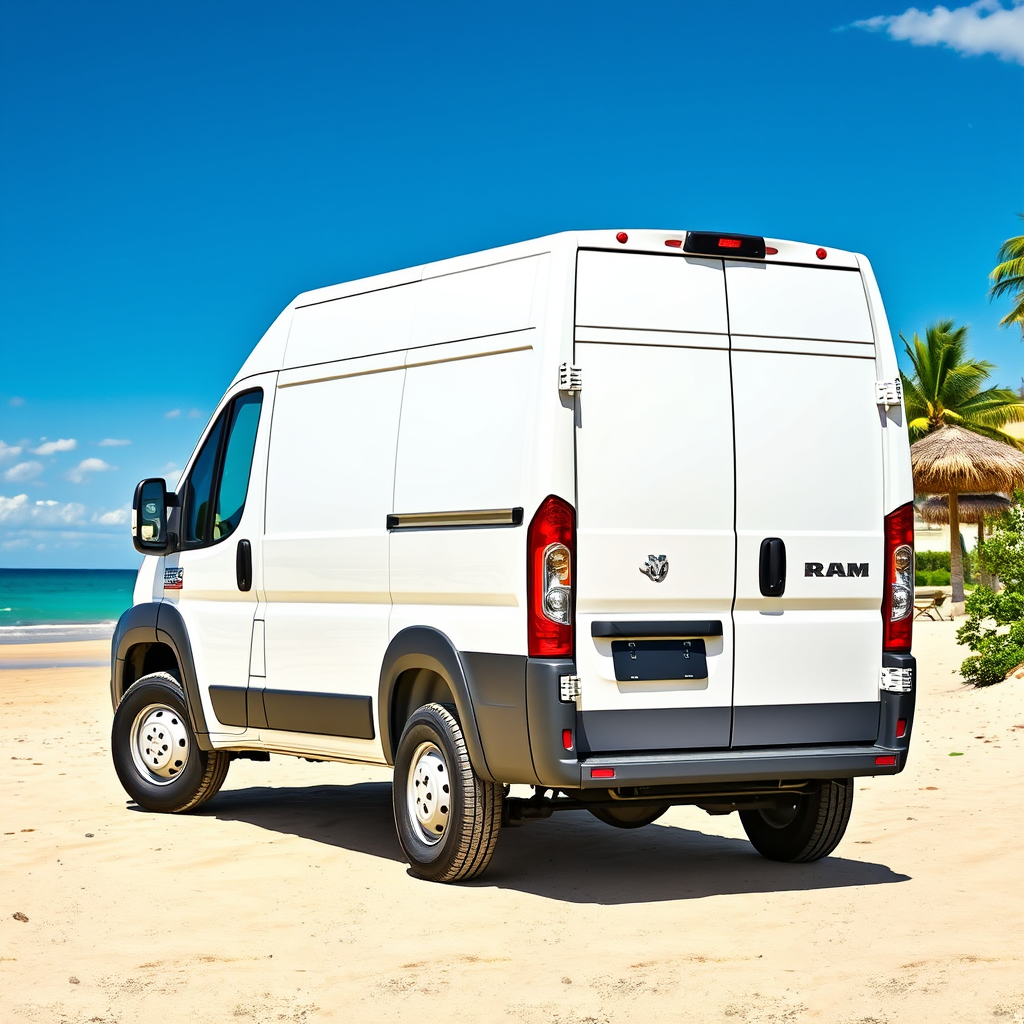
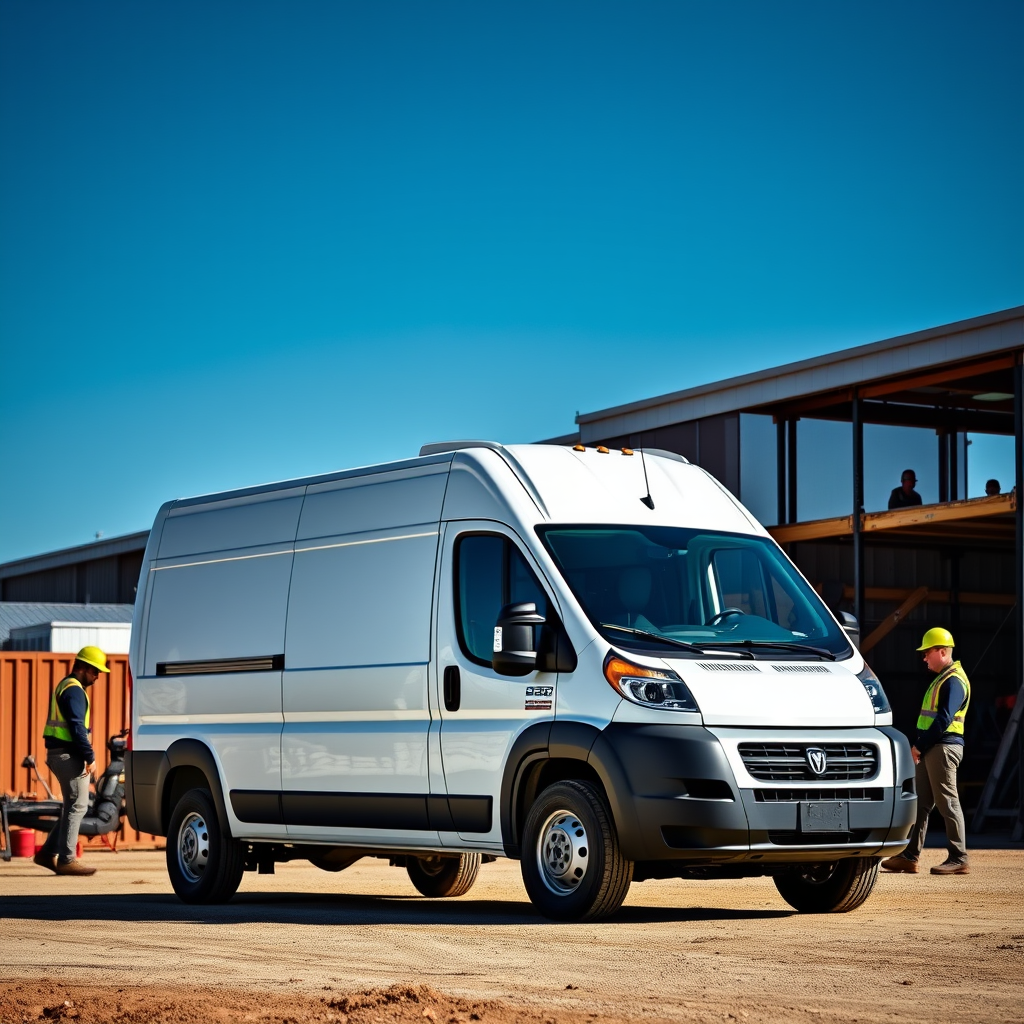
For a dated example, SRQ’s October 31, 2026 listing for stock E121, a 2022 Ram ProMaster 2500 high-roof van, stated that new tires had been installed. That is a specific claim to confirm in the purchase discussion. It does not establish that every other component is new or that another listed van received the same preparation.
Compare the first year of ownership, not just the asking price
Build a simple comparison with separate lines for purchase cost, confirmed immediate work, planned equipment changes, routine maintenance and a repair reserve appropriate to your business. Use actual quotes where available. Keep unknown amounts labeled as estimates instead of presenting a precise ownership-cost total unsupported by evidence.
Add the practical cost of arranging service. Identify who can maintain the exact van and powertrain near your operating area, and discuss appointment availability directly with the provider. A Port Charlotte business should evaluate its own support arrangements, rather than assume a national brand reputation tells it how quickly local work can be scheduled.
Consider your contingency plan if a vehicle is unavailable. The answer might involve adjusting appointments or arranging temporary capacity, depending on the business. That planning remains useful even after careful inspection. Reconditioning and a favorable road test cannot eliminate every interruption over the ownership period.
Read coverage and financing as separate agreements
Review the actual warranty or vehicle service contract information for the eligible vehicle. Ask about covered components, exclusions, limits, deductibles and claim requirements. Confirm whether installed commercial accessories are addressed. Do not assume the words “protection” or “warranty” mean every repair or every accessory is covered.
Tailored Commercial Financing is subject to lender approval and terms. Compare the proposed agreement with the completed vehicle and equipment budget. Financing a purchase does not verify condition, and a lower monthly payment does not by itself establish the lowest total cost.
Turn the shortlist into a useful conversation
Keep a purchase file for each candidate rather than blending the best facts from several listings. Record the stock number, VIN, inspection date, available invoices, photographs and questions still open. When comparing two vans, distinguish a confirmed repair from a recommendation and a seller statement from a document you have reviewed.
For remote buying, request a focused walkaround covering the specific points you could not resolve from the listing. A video can help show door operation and visible condition, but it cannot replace every hands-on check. Agree on what will be verified, by whom, and before which purchase step.
Browse current used cargo vans and save the stock numbers that meet your physical requirements. Send this enquiry: “Which service records and preparation details are available for this van, what condition questions remain, and can we arrange an inspection?” Include your trade, route and expected working load.
Read customer reviews and learn about SRQ Auto, then use Check Availability on the vehicle page or call (941) 214-2231. Get hours and directions before visiting. Confirm availability and any remote-purchase or delivery arrangements for the exact vehicle; choose from evidence you can review, not a universal promise about a badge.